Why a wet outdoor conveyor belt slips at the drive pulley
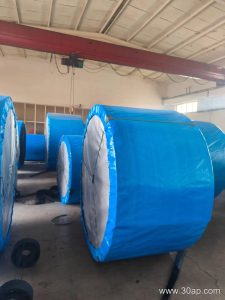
A wet outdoor conveyor belt often slips not because the belt is worn out, but because water turns the drive pulley into a low-friction surface. The belt loses grip, the pulley spins, and the belt stalls under load. The problem is usually the interface between belt and pulley, not the belt carcass itself.
Check the lagging first
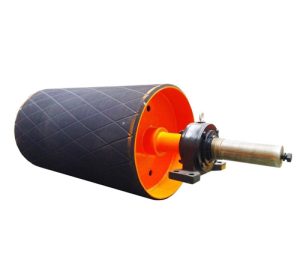
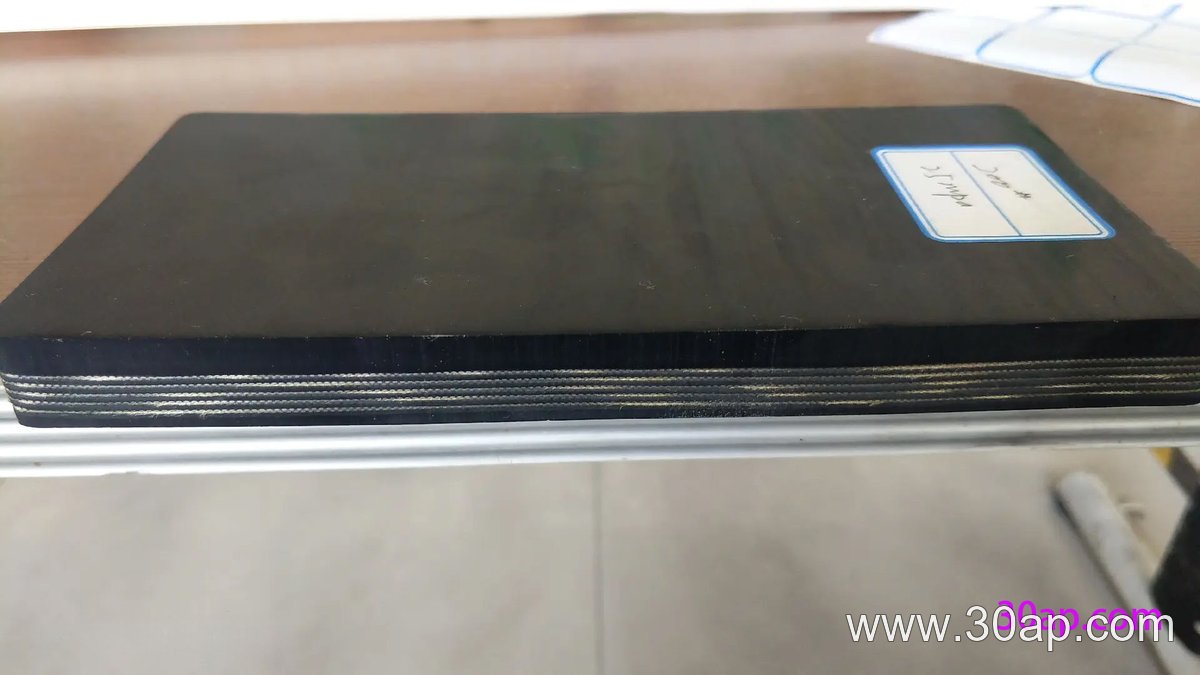
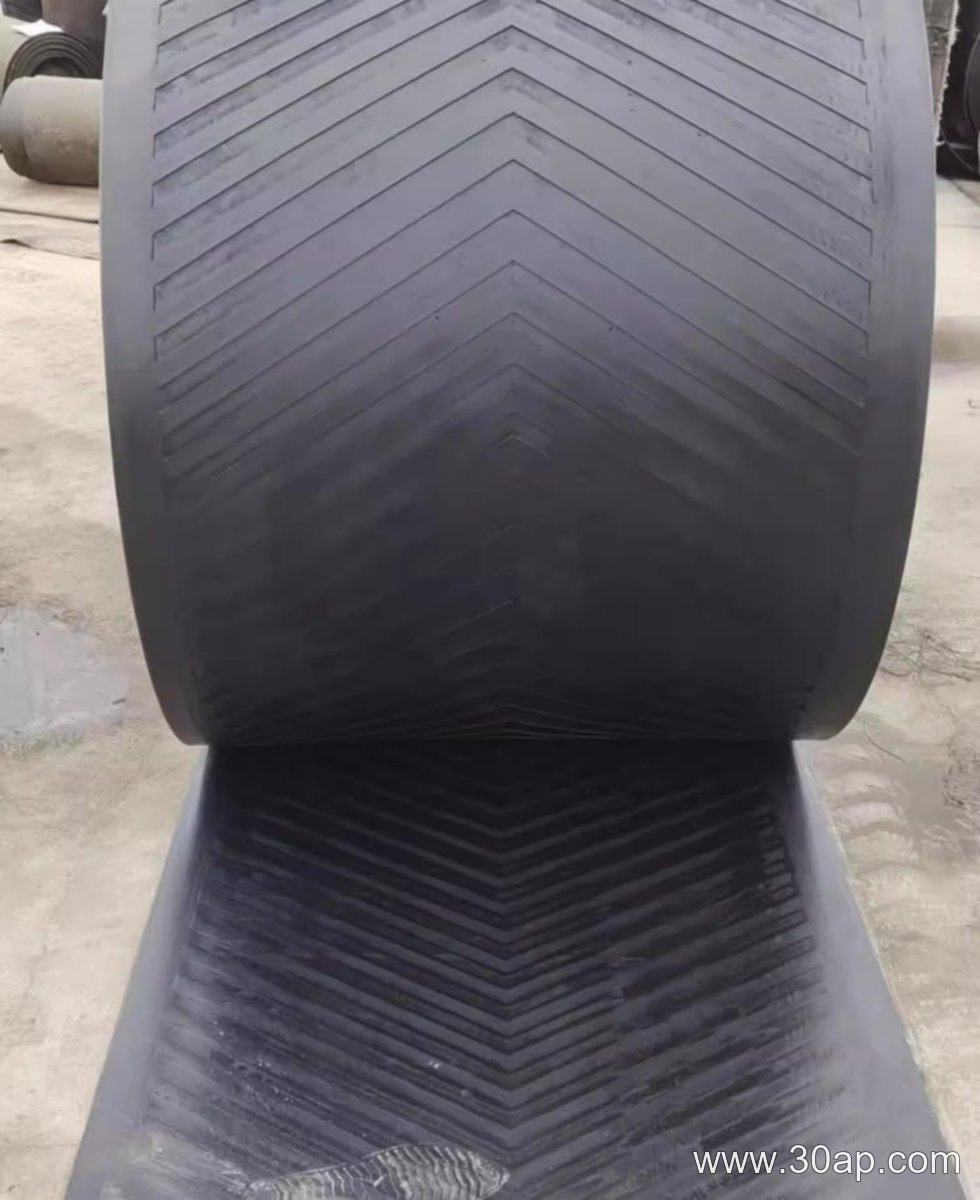
Inspect pulley lagging for glazing, wear, or water film. Rubber lagging with grooves or herringbone patterns channels water away and restores friction. Smooth lagging on a wet outdoor conveyor belt is a common cause of slip.
Verify tension and wrap angle
- Check take-up tension; a loose belt cannot generate enough friction even with good lagging.
- Confirm the arc of contact between belt and pulley; a small wrap angle reduces grip.
- Look for material buildup on the return side that changes belt tracking and tension.
Manage water at the drive
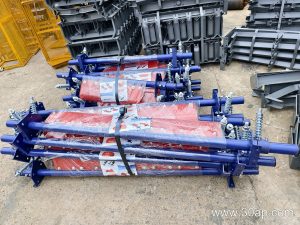
Add a scraper or drainage path so water does not pool at the pulley. A wet outdoor conveyor belt can run reliably if the drive area stays free of standing water and the lagging remains clean.
Start with the duty, not the datasheet
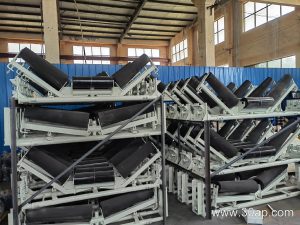
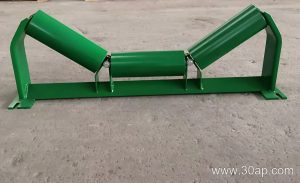
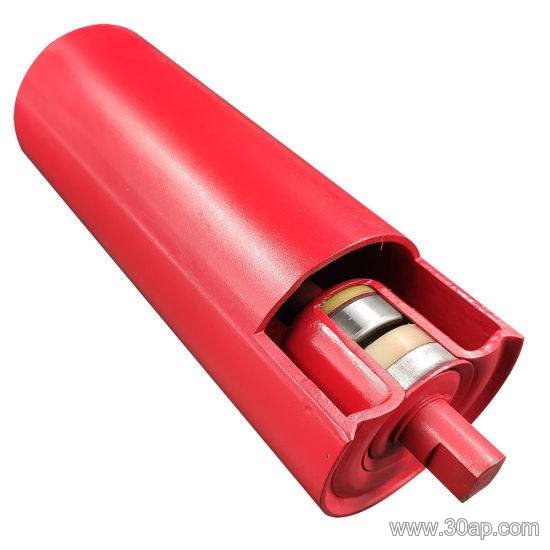
A common mistake is to pick an idler roller by shell diameter alone. In a dusty quarry, the roller must survive grit, load and temperature swings, so the decision path should follow material, then speed, then heat, then operating conditions.
Match the shell and seal to the grit
- For abrasive dust, choose a thicker shell and a labyrinth or contact seal that keeps fines out.
- For sticky, damp fines, a smooth steel shell sheds material better than a rough casting.
Check speed and temperature together
Higher belt speed raises bearing speed and heat. If the quarry also runs hot material, confirm the bearing grease and clearance suit the expected temperature before you approve the idler roller.
Confirm the operating conditions
Then verify shaft size, frame fit and belt loading at each station. A roller that matches material and speed but not the frame will still fail early, so treat these checks as one sequence rather than separate choices.
Mild Steel or Stainless Steel for a Quarry Conveyor Pulley
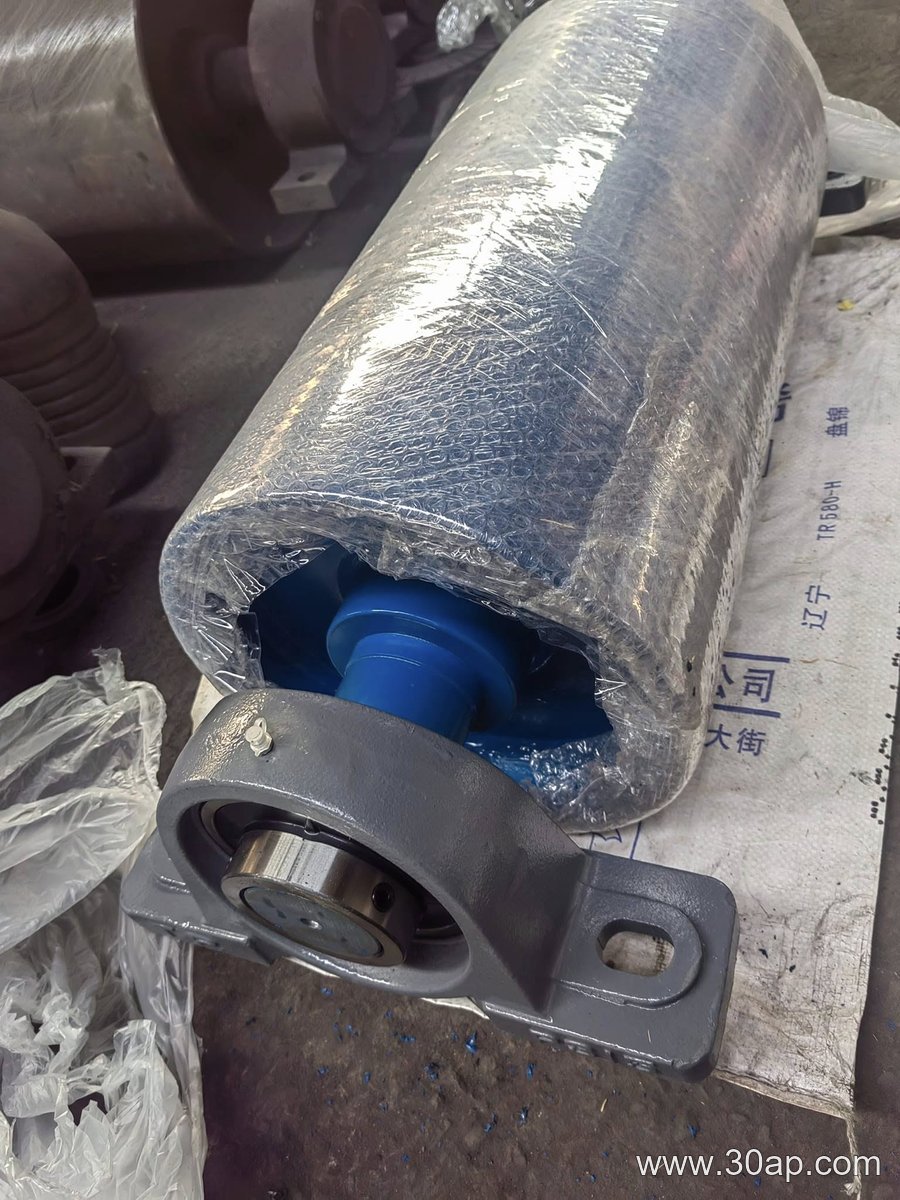
In a dusty quarry, the conveyor pulley faces constant abrasion and moisture. Mild steel offers lower purchasing cost and adequate strength, while stainless steel resists corrosion but costs significantly more. The trade-off is application fit versus budget.
Cost and Fit Comparison
- Mild steel: Cheaper upfront, but may need coatings or frequent replacement in wet, abrasive conditions.
- Stainless steel: Higher initial price, yet longer life in corrosive dust, reducing downtime and total cost of ownership.
For dry, abrasive dust, mild steel often suffices. For wet or chemically active dust, stainless steel may be the better long-term choice.
Which conveyor bracket design fits an idler station better
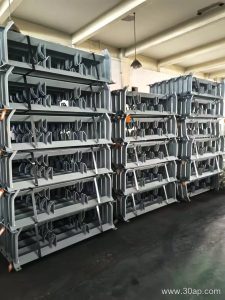
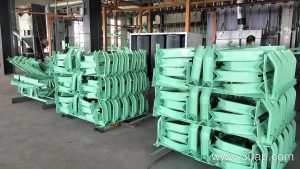
A mineral-processing plant usually has to choose between a fixed-hole conveyor bracket and an adjustable one. Fixed designs are stiffer and cheaper; adjustable designs tolerate frame variation and alignment changes.
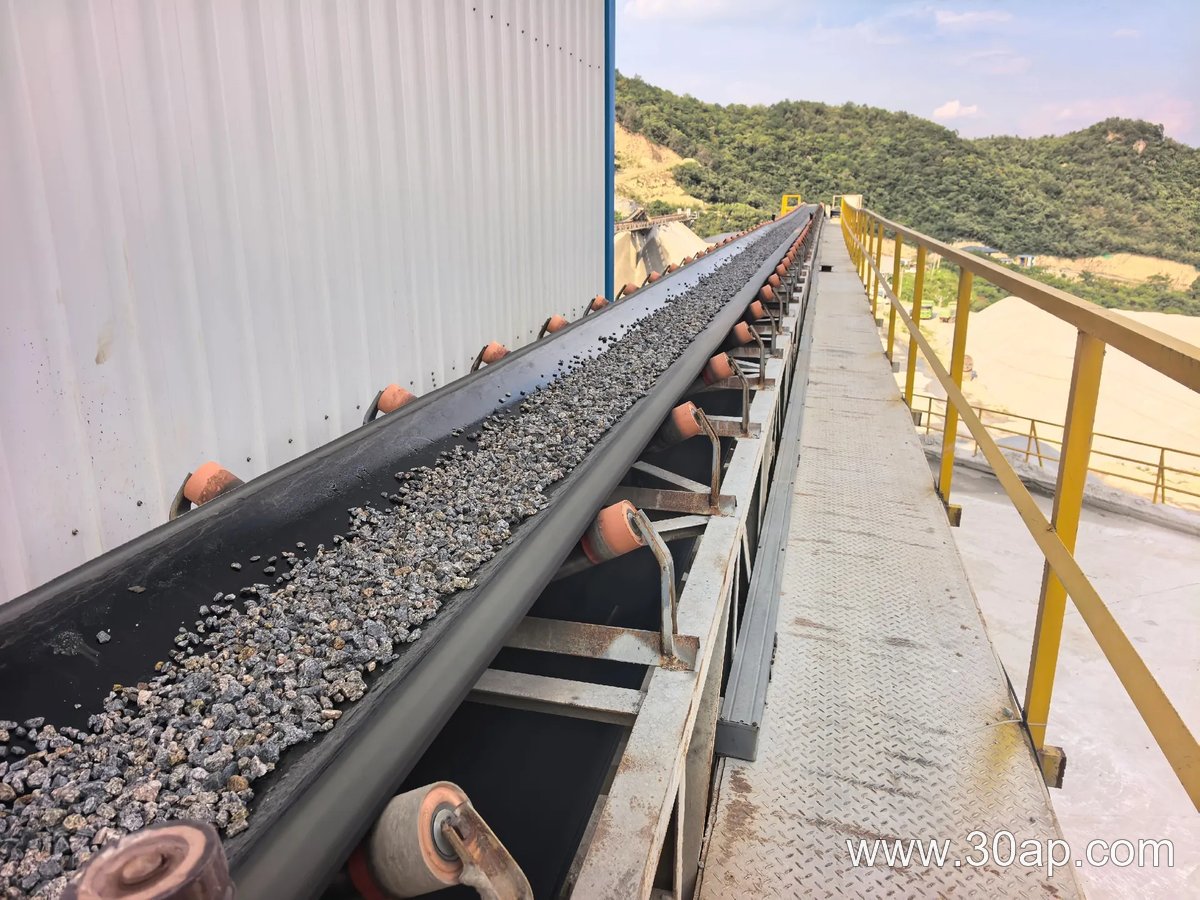
Trade-offs and suitable conditions
- Fixed bracket: best when stringers are square and idler alignment is already controlled.
- Adjustable bracket: better where installation tolerances vary or belt tracking needs fine tuning.
For a dusty, high-vibration line, the fixed conveyor bracket often wins if the frame is accurate. Where alignment may drift, the adjustable type prevents belt edge wear.