What an Anti-Misalignment Idler Does
An anti-misalignment idler, also called a self-aligning idler or training idler, is a type of idler roller designed to automatically correct belt drift on a conveyor. Unlike a standard carrying or return idler, it pivots or skews slightly when the conveyor belt moves off-center, steering the belt back toward the middle of the structure. This makes it a practical choice for long overland lines, shuttle conveyors, and any transfer point where belt tracking is difficult to maintain.
The idler works on a simple mechanical principle: when the belt edges contact a vertical guide roller or when friction acts on an offset pivot, the idler frame rotates. That rotation changes the angle between the idler and the belt, creating a small lateral force that pushes the belt back into alignment. No power source or control system is required.
Construction and Common Configurations
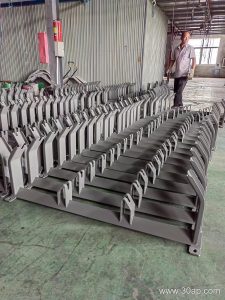
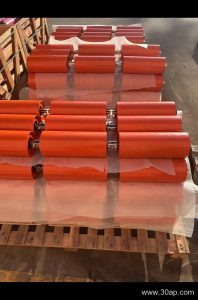
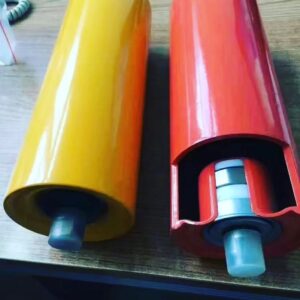
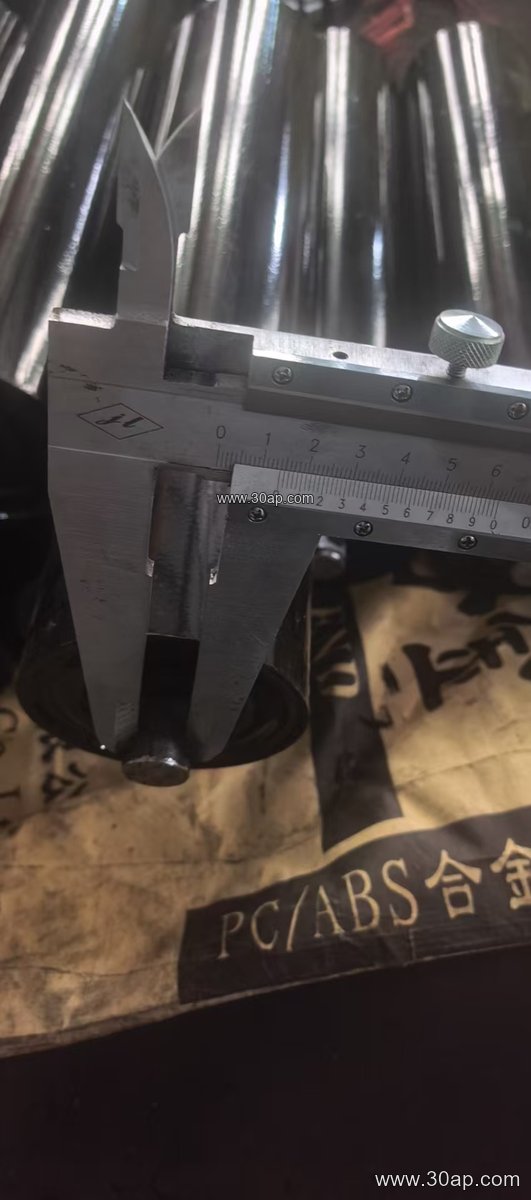
Most anti-misalignment idlers use a sturdy steel frame with a central pivot that allows a few degrees of rotation. The rollers themselves are typically steel tube, and the bearing housings are sealed to keep out dust and water. Common bearing sizes include 6204, 6205, 6305, 6306, 6308, and 6310, matched to the roller diameter and load. Roller diameters often range from Ø63 mm to Ø219 mm, depending on belt width and tonnage.
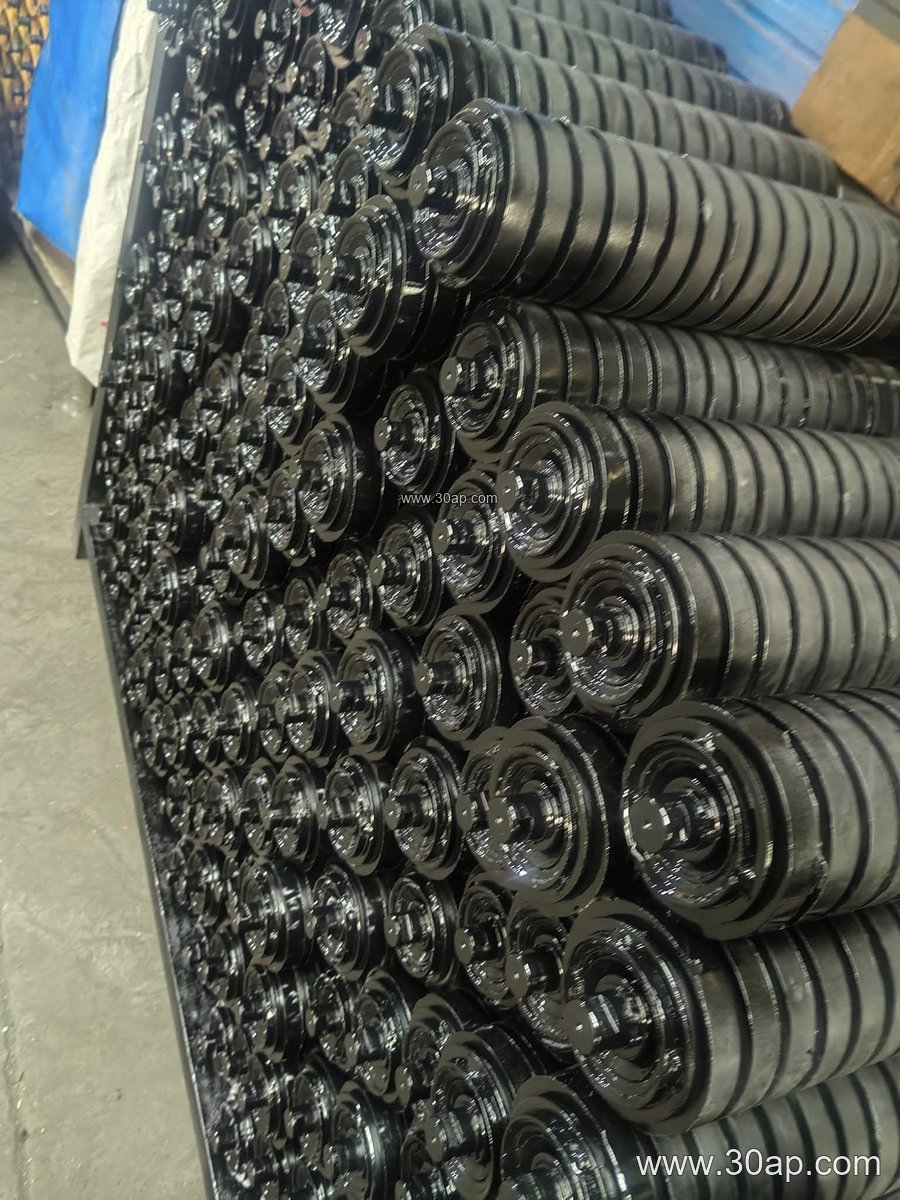
Several subtypes exist to suit different conveyor sections:
- Friction self-aligning idler – uses friction from the belt to trigger the pivoting action.
- Tapered self-aligning idler – conical rollers create a centering effect as the belt contacts them.
- Return self-aligning idler – installed on the return strand to keep the belt centered before it reaches the tail pulley.
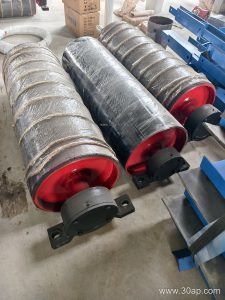
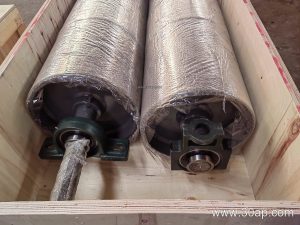
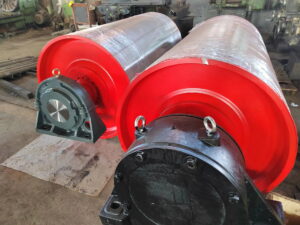
These are distinct from fixed troughing idlers, impact idlers, and spiral idlers, each of which serves a different purpose on the conveyor. A drive pulley, tail pulley, or bend pulley is not an idler and cannot replace one.
Where It Is Used
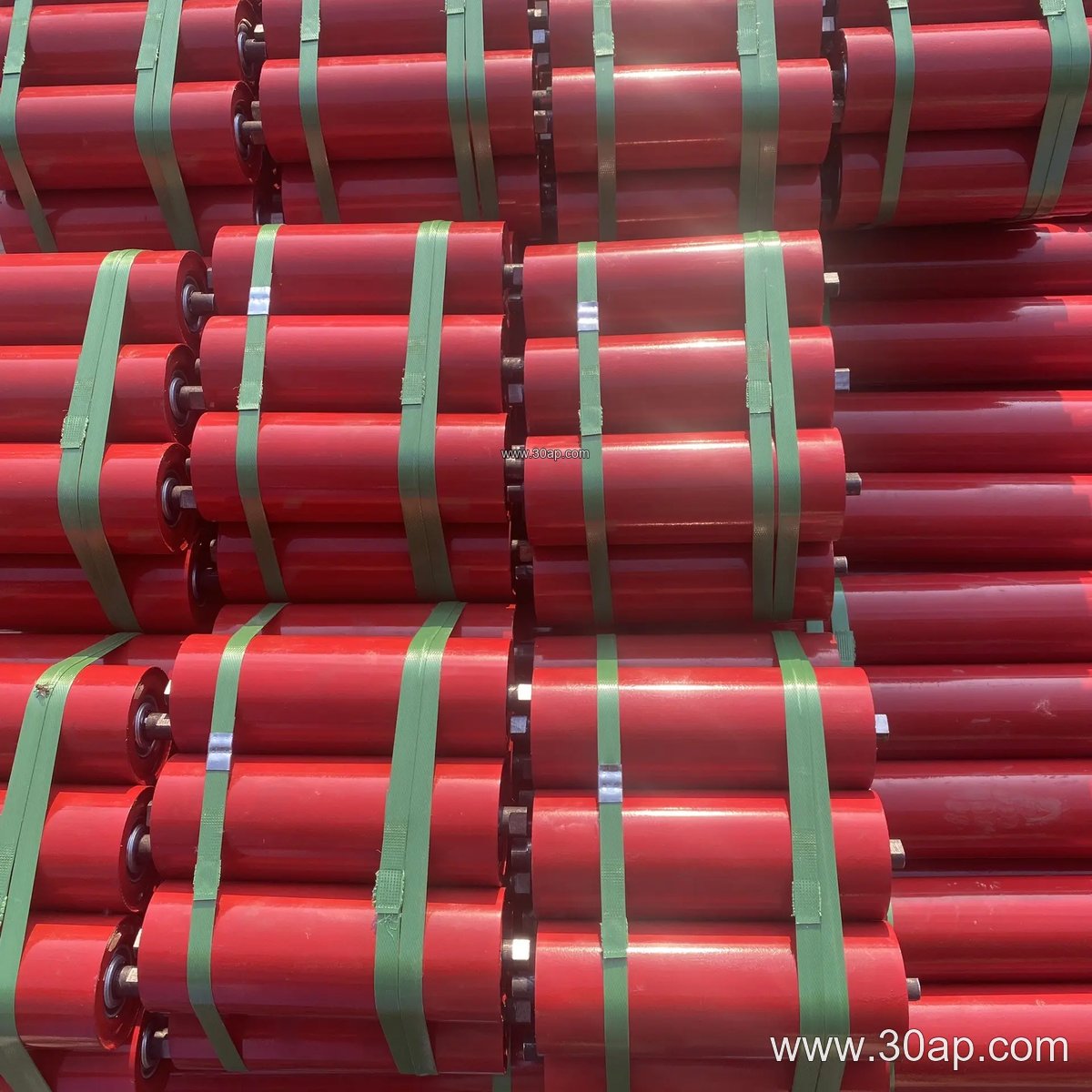
Anti-misalignment idlers are common in bulk material handling where belt wander causes spillage, edge damage, or frame wear. Typical locations include:
- Coal mining and underground mining conveyors, where space is tight and belt training is critical.
- Quarry and aggregate lines feeding crushers and screens.
- Cement plants and power plant coal handling systems.
- Port ship loading and stockyard conveyors with long spans and variable loading.
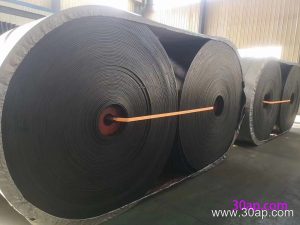
They are often paired with a conveyor bracket that allows height adjustment, and they work alongside troughing idlers, return idlers, and the main conveyor pulley set. On a typical 1200 mm wide belt carrying EP conveyor belt or steel cord conveyor belt, a self-aligning idler is frequently placed every 30 to 50 meters on the carrying side, and more closely on the return side where belt tension is lower.
Selection and Sizing Notes
Buyers should match the idler to belt width, trough angle, and load. Common belt widths include B500, B650, B800, B1000, B1200, B1400, B1600, B1800, B2000, B2200, and B2400. Trough angles of 20°, 30°, 35°, and 45° are standard, and a forward tilt of about 1.5° to 2° is sometimes used on self-aligning types to improve tracking response.
Roller length varies with belt width and idler configuration. For a three-roll troughing set, typical roll lengths are roughly 200 mm for B500, 250 mm for B650, 315 mm for B800, 380 mm for B1000, 465 mm for B1200, 530 mm for B1400, 600 mm for B1600, 670 mm for B1800, and 750 mm for B2000. These are examples only; side rolls and center rolls can differ, and final dimensions should be confirmed with the conveyor design.
| Parameter | Common Range |
|---|---|
| Roller diameter | Ø63 to Ø219 mm |
| Belt width | B400 to B2400 |
| Trough angle | 20°, 30°, 35°, 45° |
| Bearing | 6204, 6205, 6305, 6306, 6308, 6310 |
| Roller surface | Steel tube, nylon, ceramic, rubber ring |
When specifying, state the belt width, the idler type (friction, tapered, or return), the roller diameter, and the mounting bracket style. For abrasive or high-impact service, consider rubber-ring or ceramic-covered rollers. For dusty or wet conditions, sealed bearings are essential.
Maintenance and Buyer Checklist
Inspect self-aligning idlers regularly for free rotation, frame alignment, and seal condition. A sticking pivot or worn bearing will prevent the idler from correcting belt drift. Check that the idler is square to the belt centerline and that the bracket bolts are tight. Replace rollers with flat spots or damaged shells promptly to avoid belt edge damage.
Buyers should also confirm that the idler is compatible with the existing conveyor structure and that the roller diameter matches the surrounding idlers to avoid uneven belt support. For harsh industries such as mining, cement, and steel plants, choose heavy-duty frames and well-sealed bearings. Anti-misalignment idlers are a low-cost way to extend belt life and reduce downtime, but they work best when the whole conveyor is properly aligned from the tail pulley through the drive pulley.