What the Ø89 Conveyor Idler Actually Is
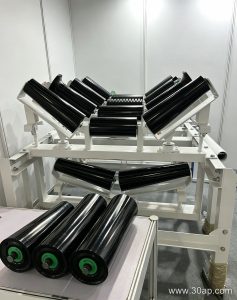
An Ø89 conveyor idler is a load-bearing roller with an outer diameter of 89 mm. It supports the conveyor belt and the material riding on it, reducing friction and keeping the belt tracking along the desired path. In a typical three-roll troughing set, this size often appears as the middle or side roller, depending on the belt width and the required trough angle. It is not a drive pulley, tail pulley, or bend pulley. Those are different components with different functions, and they are not interchangeable with an idler roller.
Construction and Common Components
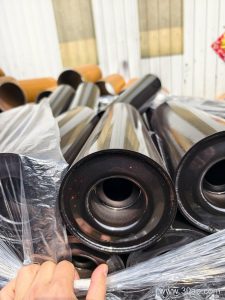
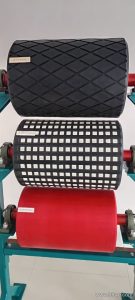
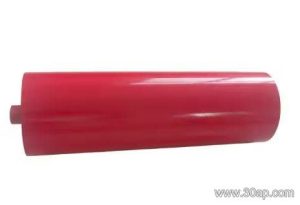
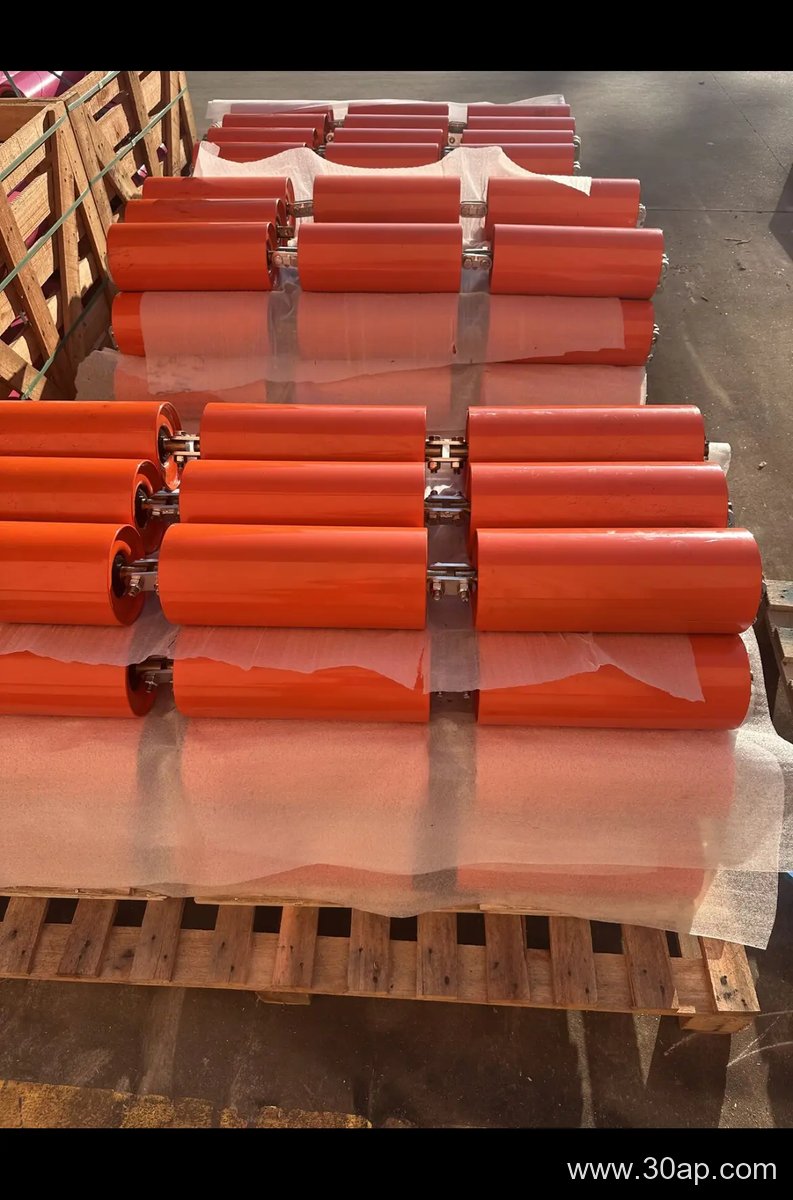
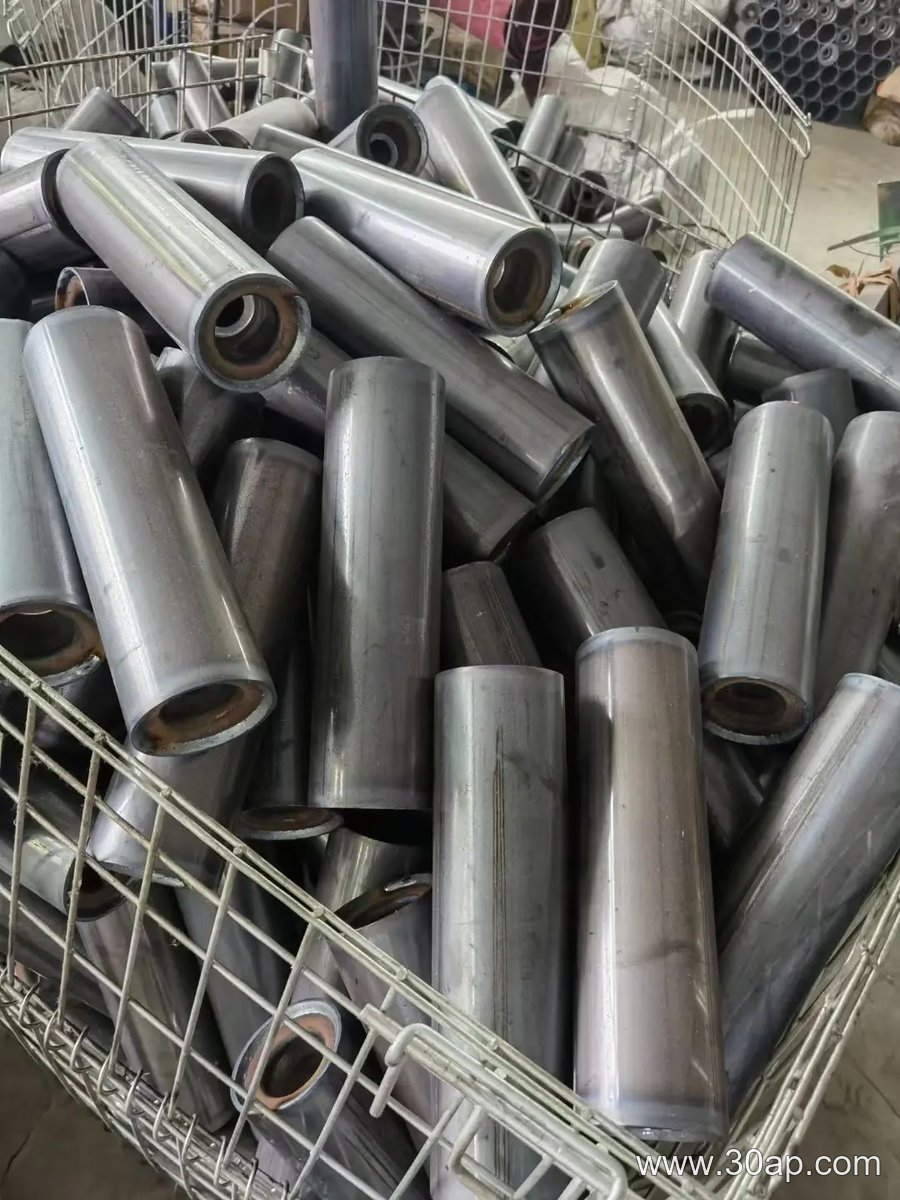
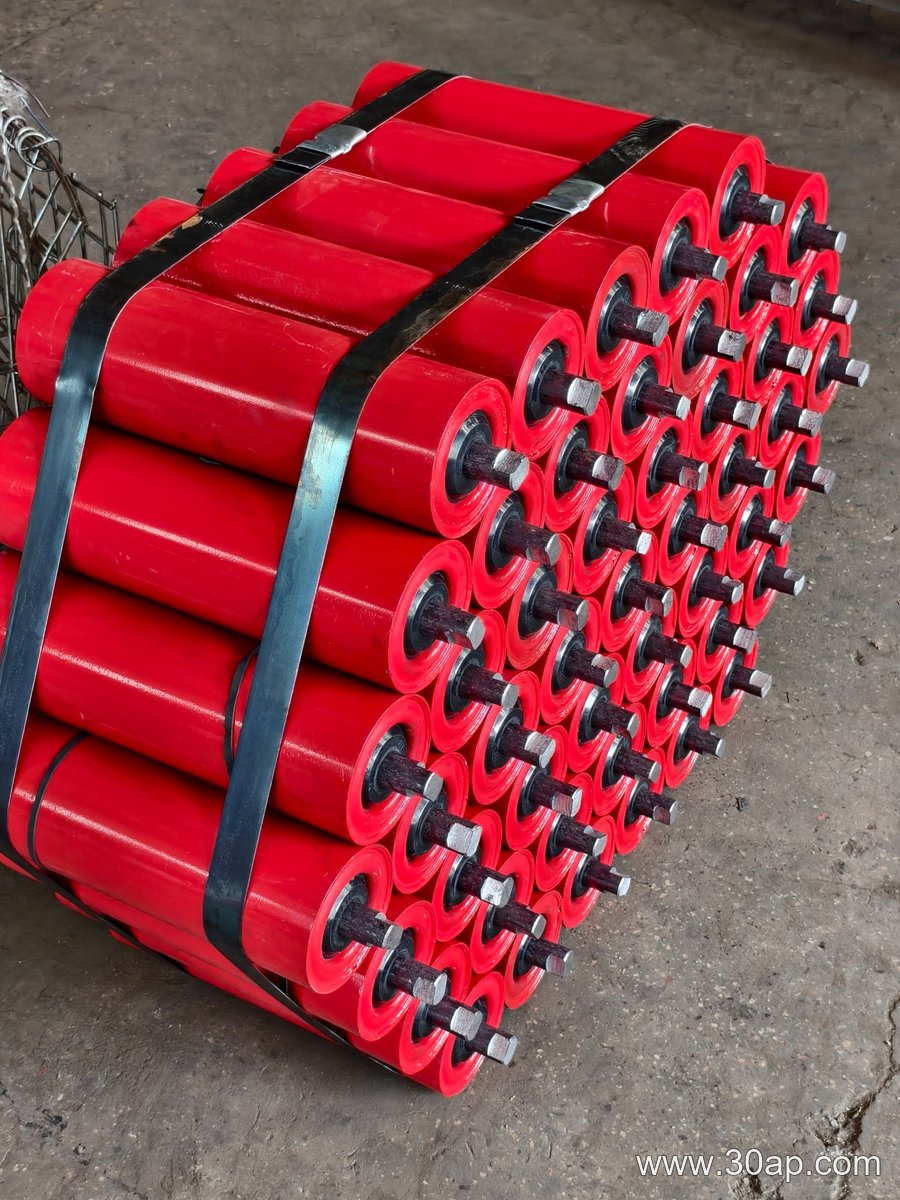
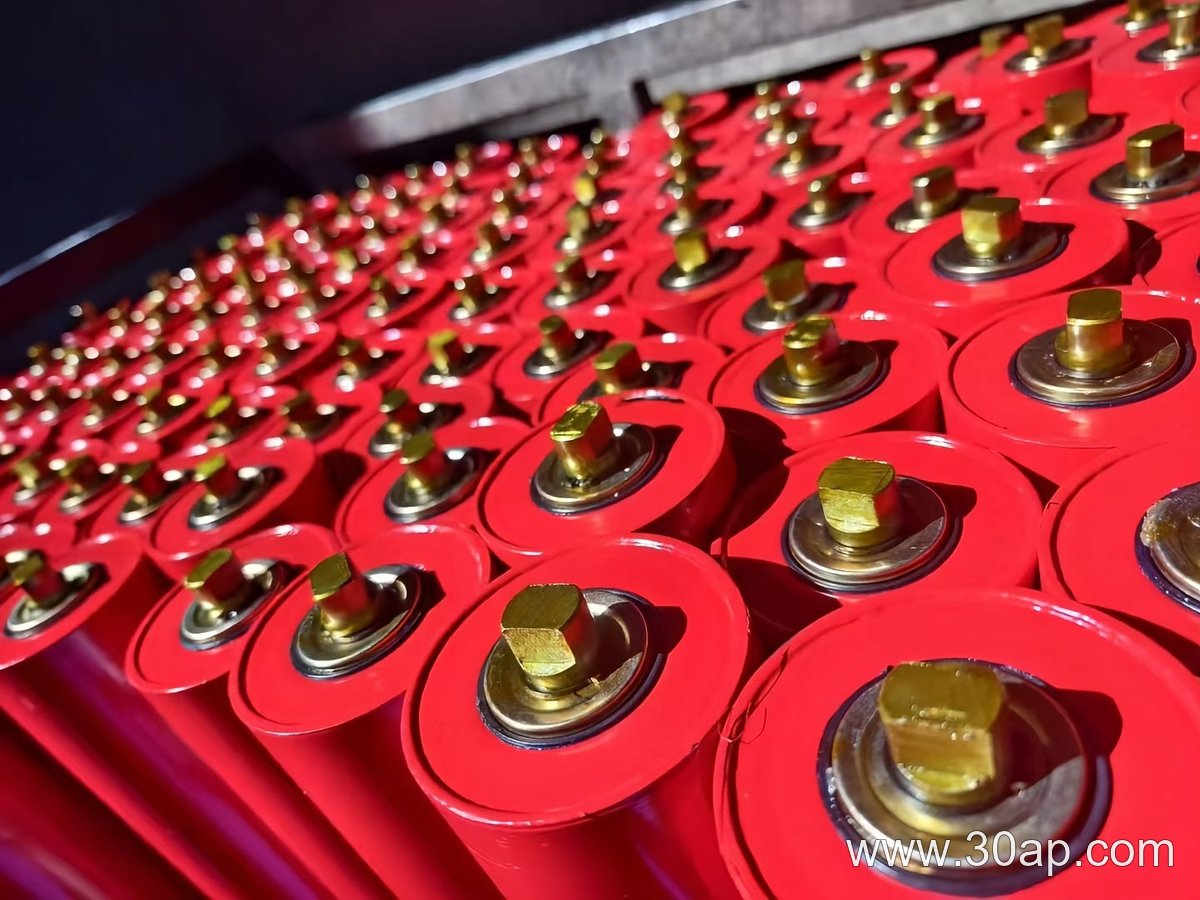
A standard Ø89 idler roller usually consists of a steel tube shell, bearing housings, a shaft, and sealing elements. The shell may be plain steel, nylon-coated, ceramic-coated, or fitted with rubber rings for impact absorption. Bearing sizes such as 6204, 6205, or 6305 are common, but the choice depends on load and speed, not on the roller diameter alone. The shaft diameter is not fixed by belt width, so buyers should check the drawing or mounting dimensions rather than assume a universal size.
Where It Fits on a Conveyor
This idler is widely used in industries that move bulk materials. In a coal preparation plant, a quarry, or a cement plant, Ø89 idlers often support the carrying side of the belt. They also appear in return runs, transition zones, and impact areas when fitted with rubber rings. A conveyor bracket holds the idler in place, and the bracket type must match the idler shaft and the frame. For comparison, a larger diameter roller may be used on the return side to reduce rotation speed, but that does not make a drive pulley or a tail pulley an equivalent part. The Ø89 conveyor idler remains a distinct, replaceable roller.
Common Specifications and Reference Data
The table below shows typical reference values for Ø89 idlers. These are common examples, not fixed combinations, and actual dimensions depend on belt width, trough angle, and the design of the roller set.
| Parameter | Common reference values |
|---|---|
| Roller diameter | Ø89 mm |
| Belt width | B500, B650, B800, B1000, B1200, B1400 |
| Trough angle | 20°, 30°, 35°, 45° |
| Roller length (example for three-roll troughing) | B500: about 200 mm; B650: about 250 mm; B800: about 315 mm; B1000: about 380 mm; B1200: about 465 mm; B1400: about 530 mm |
| Bearing | 6204, 6205, 6305, 6306 (selected by load and speed) |
| Roller surface | Steel tube, nylon, ceramic, rubber rings |
| Idler type | Troughing, return, impact, self-aligning, spiral |
Side rollers and center rollers can have different lengths in the same set. The values above are only typical examples for the middle roller in a three-roll arrangement. A two-roll or single-roll set will differ. Also, one belt width does not match only one pulley diameter or one idler diameter; the design engineer selects the combination based on capacity, material, and operating conditions.
Selection Points for Buyers
- Confirm the shaft diameter and mounting centers, because they are not determined by belt width alone.
- Check the trough angle and roller length for the specific idler set.
- Choose the roller surface according to the material. Rubber rings help with impact in a crusher discharge or a tunnel muck line, while plain steel suits many general conveying tasks.
- Match the bearing and sealing to the environment. Dusty conditions in a coal mine or a limestone quarry require good sealing.
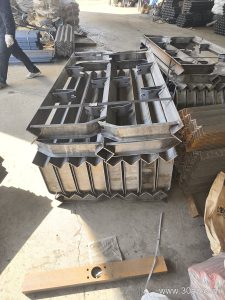
- Use the correct conveyor bracket for the frame, and do not substitute a drive pulley or tail pulley for a failed idler.
Maintenance and Replacement Notes
An Ø89 conveyor idler should rotate freely and run without abnormal noise. Seized bearings, worn shells, or damaged seals are signs that replacement is needed. When ordering, provide the roller diameter, roller length, shaft size, bearing number if known, and the idler type. In a sand and gravel plant or a power plant coal handling system, keeping a few spare idlers on hand reduces downtime. The conveyor belt, the idler roller, and the supporting bracket work as a system, so replacing one part without checking the others can lead to repeated failures.
In short, the Ø89 conveyor idler is a common, versatile roller for medium-duty conveying. It is not a drive, tail, or bend pulley, and it should be selected by its own dimensions, load rating, and environmental needs. Buyers who treat the idler as part of a matched set, rather than a one-size-fits-all item, get better belt life and more stable operation in mines, cement plants, quarries, and similar bulk material handling sites.