What an Anti-Static Conveyor Belt Is
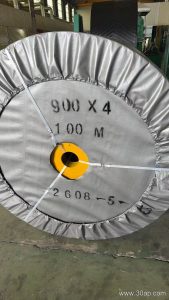
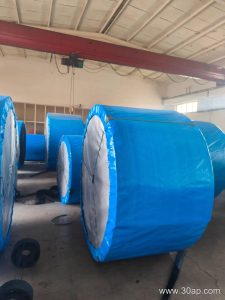
An anti-static conveyor belt is a rubber or PVC conveyor belt built to bleed off static electricity instead of letting it build up on the belt surface. In a mine, coal preparation plant, cement mill, power station or sand and gravel yard, fast-moving belts and dry bulk materials can generate a significant charge. The antistatic conveyor belt limits that charge by keeping the cover compound conductive enough to dissipate it safely. It is the same product often called a static dissipative conveyor belt or conductive rubber belt, and the terms describe one family rather than different items.
Static is not a cosmetic issue. A discharge near combustible dust, coal or solvent vapour is a real ignition risk, and a spark can also disturb sensors and control electronics along the conveyor. That is why this belt type is usually specified where the material or the atmosphere is sensitive.
How the Belt Is Built
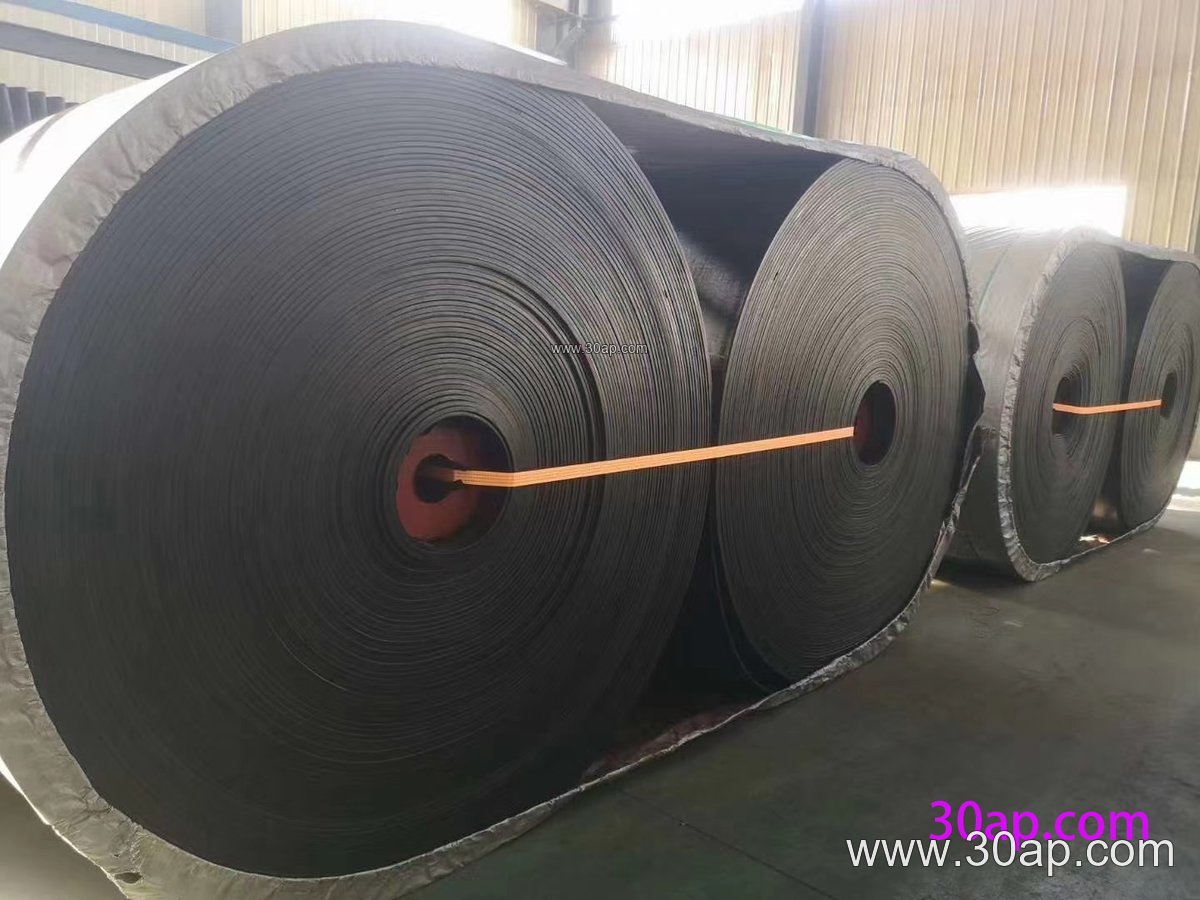
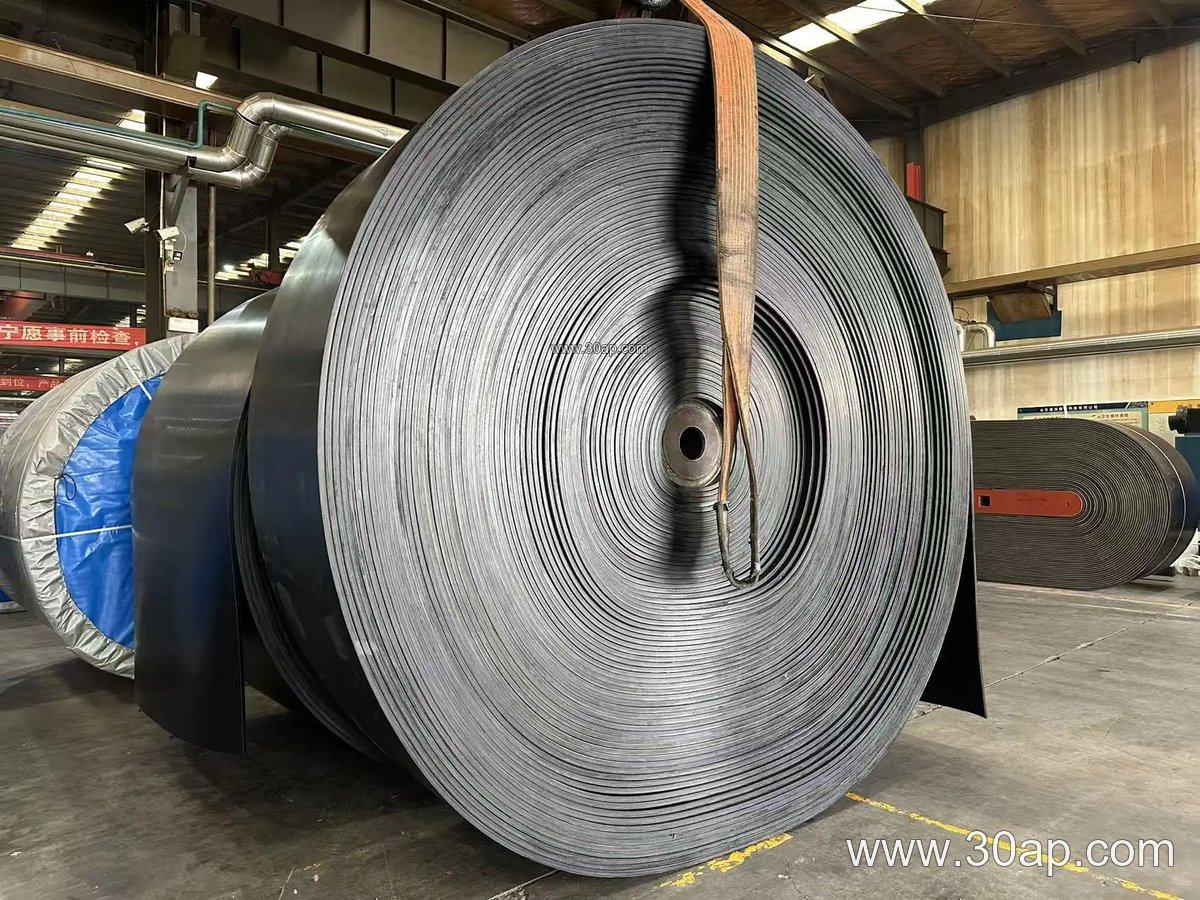
The construction follows the familiar carcass-and-cover pattern. A fabric skeleton, usually EP or NN nylon, carries the tension; the covers protect the carcass and provide the antistatic path. Conductive carbon black or a similar additive is compounded into the cover rubber, and some designs add a conductive layer or edge path to help the charge reach the conveyor pulley and grounding point.
Typical reference values for the belt body are listed below. These are common ranges, not fixed specifications, and the final build is always set by the belt designer and the supplier.
- Fabric types: EP polyester-cotton, NN nylon
- Strength grades: EP200, EP315, EP400, EP500, EP630, EP800 and upward
- Belt widths: B500, B650, B800, B1000, B1200 and wider
- Cover thickness: 3+1.5 mm, 4+2 mm, 5+2 mm, 6+2 mm
- Carcass plies: usually 2 to 6 layers
Surface resistance is the key property to ask about, because the antistatic grade is defined by how quickly the belt drains charge, not by the colour of the cover. For dusty or gassy locations, a flame-retardant antistatic conveyor belt (often a PVG belt with both properties) may be the better match than a plain antistatic rubber belt. That is a comparison on safety grounds, not a substitute for the main product.
Where It Fits in the Plant
Anti-static belts are common in coal handling and preparation plants, mine haulage and transfer conveyors, cement and clinker lines, power plant coal yards, and sand and gravel operations where dry material moves at speed. They also appear in fertilizer, grain and chemical handling where dust or vapour is a concern.
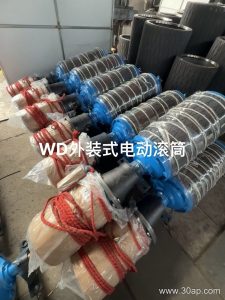
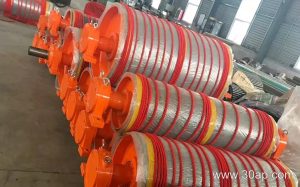
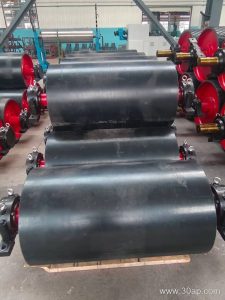
The belt works with the rest of the conveyor, so the antistatic path is only as good as the whole chain. The charge has to travel through the belt, into a conveyor pulley or an idler roller, then to the frame and the ground. Conductive brushes, grounding straps and a clean, well-bonded conveyor bracket all matter. A belt with the right compound but a poorly grounded frame will not perform as intended.
What Buyers Should Check
Match the Belt to the Duty
Start with the material, the lump size, the throughput and the pulley layout. A belt sized for a gentle transfer may be too light for a primary crusher discharge. Strength grade, cover thickness and ply count should follow the calculated tension, not a guess. A wide belt does not by itself dictate a particular pulley diameter; drive, tail and bend pulleys are each sized from their own load and wrap angle, and they are not interchangeable names.
Confirm the Antistatic Property
Ask for the surface resistance range and the test method the supplier uses, and check that the grade suits the site’s dust or gas classification. If the site also needs oil, heat, abrasion or flame resistance, state it together with the antistatic requirement so the compound is designed for the combined duty.
Plan the Grounding and Maintenance
Ground the conveyor frame, check the bonding at the conveyor bracket, and keep the pulley and idler roller surfaces free of heavy build-up. Worn covers, cuts and repairs can change the conductive path, so inspect splices and patch areas. Store the belt away from oils and direct sun, and follow the supplier’s splice instructions to keep the antistatic path continuous across the joint.
Reference Data at a Glance
The table below gathers common values for orientation only. Different manufacturers vary, and the final specification comes from the belt design for the conveyor.
- Belt type: antistatic rubber or PVC/PVG belt
- Width range: B500 to B2000
- Strength range: EP200 to EP2000
- Cover options: 3+1.5, 4+2, 5+2, 6+2, 8+3 mm
- Ply count: 2 to 6 typical
Used with correctly grounded frames, suitable pulleys and well-chosen idler rollers, an anti-static conveyor belt helps keep a coal, cement, power or aggregate conveyor safer to run and easier to control.