What a Fixed Conveyor Bracket Does
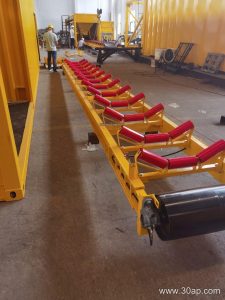
A fixed conveyor bracket is the rigid frame component that holds idler rollers in position along a belt conveyor. Unlike adjustable designs that let maintenance crews change the trough angle, the fixed version is built to one geometry and stays there. That makes it a good fit for lines where the belt profile should not drift, such as a cement plant clinker line or a power plant coal yard running a steady duty cycle.
The bracket carries the load of the belt and the material, transfers it into the conveyor stringer or frame, and keeps every idler roller at the same height and angle. When these brackets are set correctly, the conveyor belt tracks smoothly and wear stays even across the full width.
How the Bracket Is Built
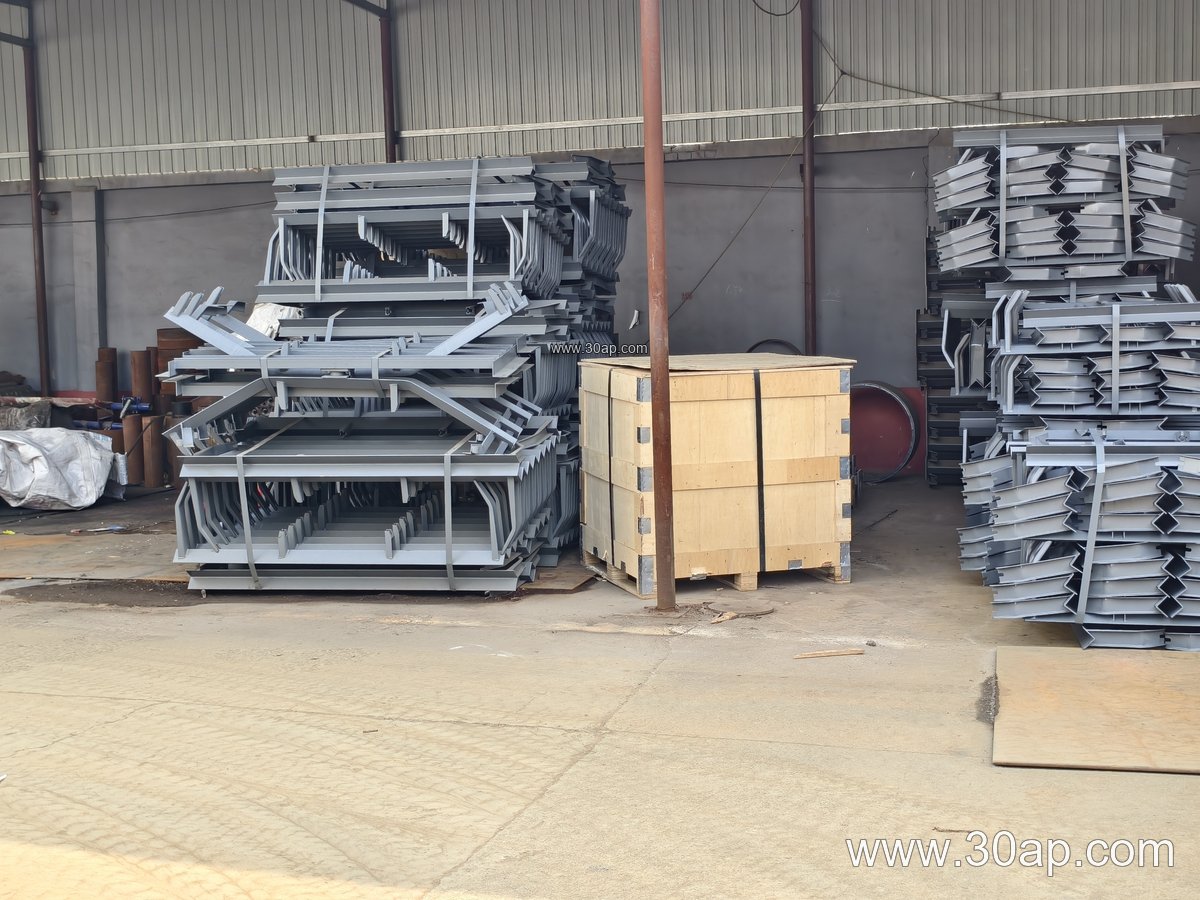
Most fixed brackets are fabricated from angle steel, channel steel, or folded steel plate. The material choice follows the load and the environment: heavier channel sections for high-tonnage primary haulage, lighter folded plate for auxiliary lines. Slots or drilled holes locate the idler roller shafts, and the cross member length is matched to the belt width and trough angle.
- Top trough brackets hold three idlers in a fixed trough, commonly 20, 30, 35, or 45 degrees.
- Return brackets support the belt on the carry-back side, often as a flat or V-return arrangement.
- Impact brackets sit under the loading point and pair with cushion rollers to absorb falling material.
Welds and bolt holes are the critical details. A bracket that is square and accurately drilled keeps the idlers aligned, which matters on long overland lines where a small misalignment shows up as edge wear over hundreds of meters.
Common Sizes and Matching
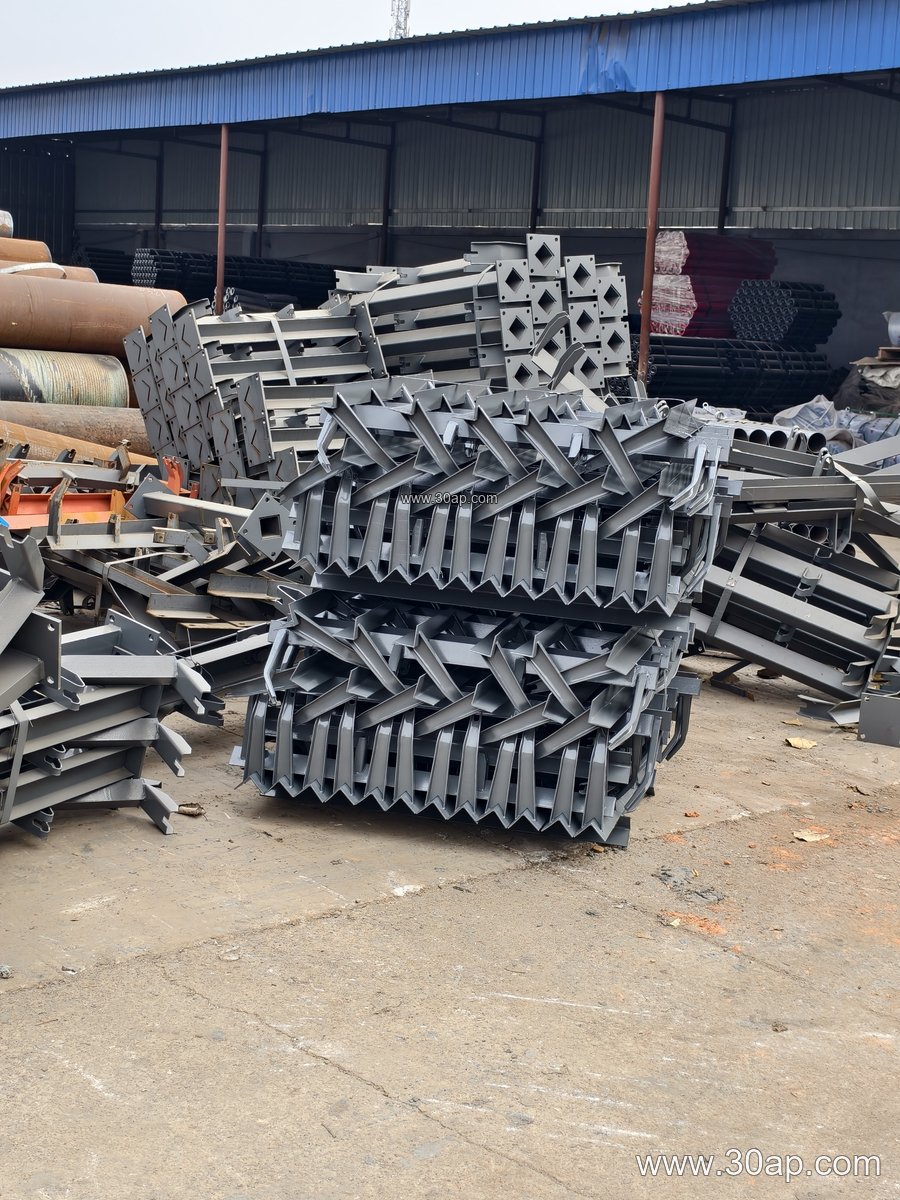
Fixed brackets are usually specified by belt width, trough angle, and roller diameter. The figures below are typical reference values, not a fixed rule that one width must pair with one angle or one roller size.
| Belt width | Typical trough angle | Common roller diameter | Typical use |
|---|---|---|---|
| B650 | 30 degrees | Ø89 mm | Aggregate and sand lines |
| B800 | 35 degrees | Ø108 mm | Quarry and crushing circuits |
| B1000 | 35 degrees | Ø133 mm | Cement and power plant conveyors |
| B1200 | 45 degrees | Ø133 mm | Iron ore and heavy bulk haulage |
| B1400 | 35 degrees | Ø159 mm | Port and ship loading lines |
| B1600 | 45 degrees | Ø159 mm | Large mining and coal systems |
| B1800 to B2200 | 35 to 45 degrees | Ø194 mm | High-capacity trunk conveyors |
Installation hole spacing and cross beam length change with belt width and trough angle, so these should always be confirmed against the conveyor drawing rather than assumed.
Where Fixed Brackets Are Used
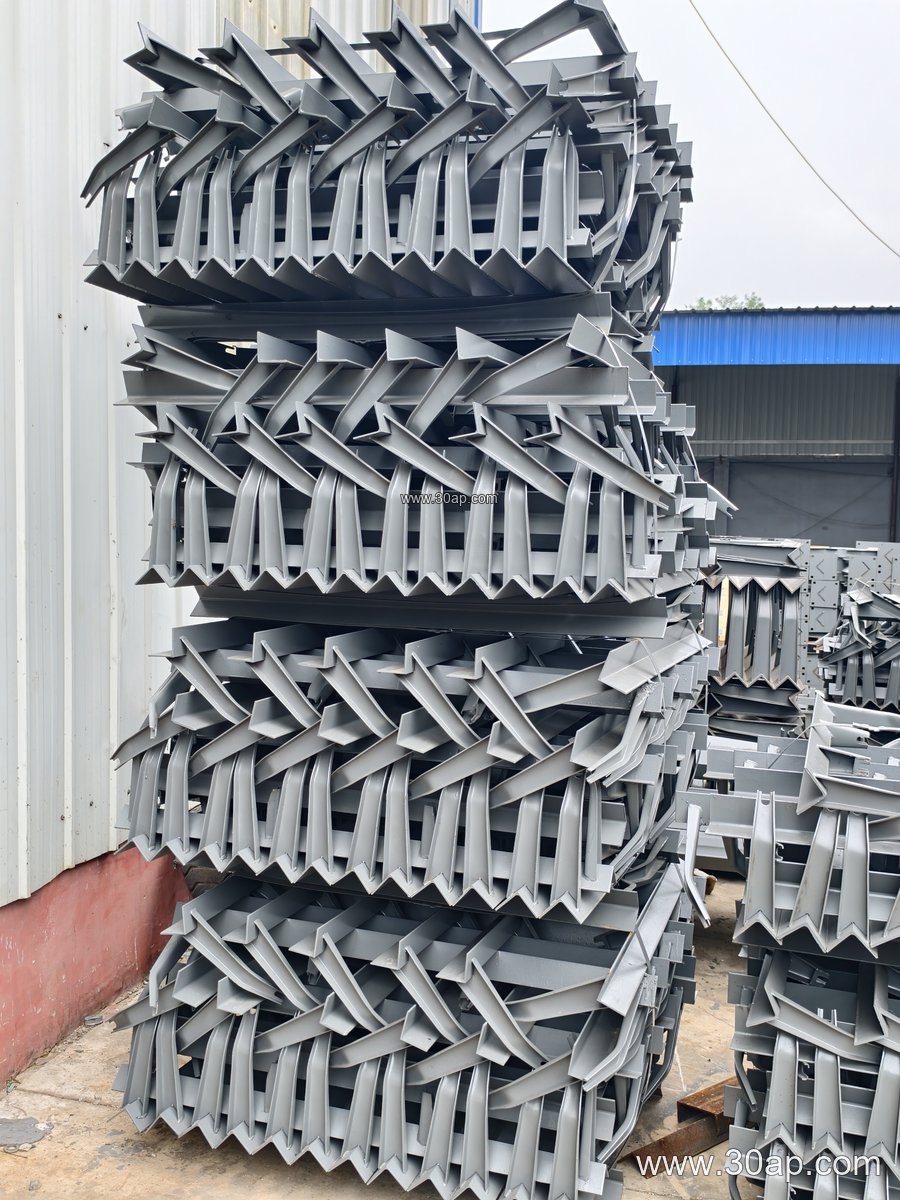
Fixed brackets suit stable, high-volume routes. In a limestone quarry, a fixed 35-degree trough bracket keeps the belt profile constant through the crushing and screening section. In a steel plant sintering line, fixed return brackets help the belt run true under hot, dusty conditions where adjustment points would simply seize up.
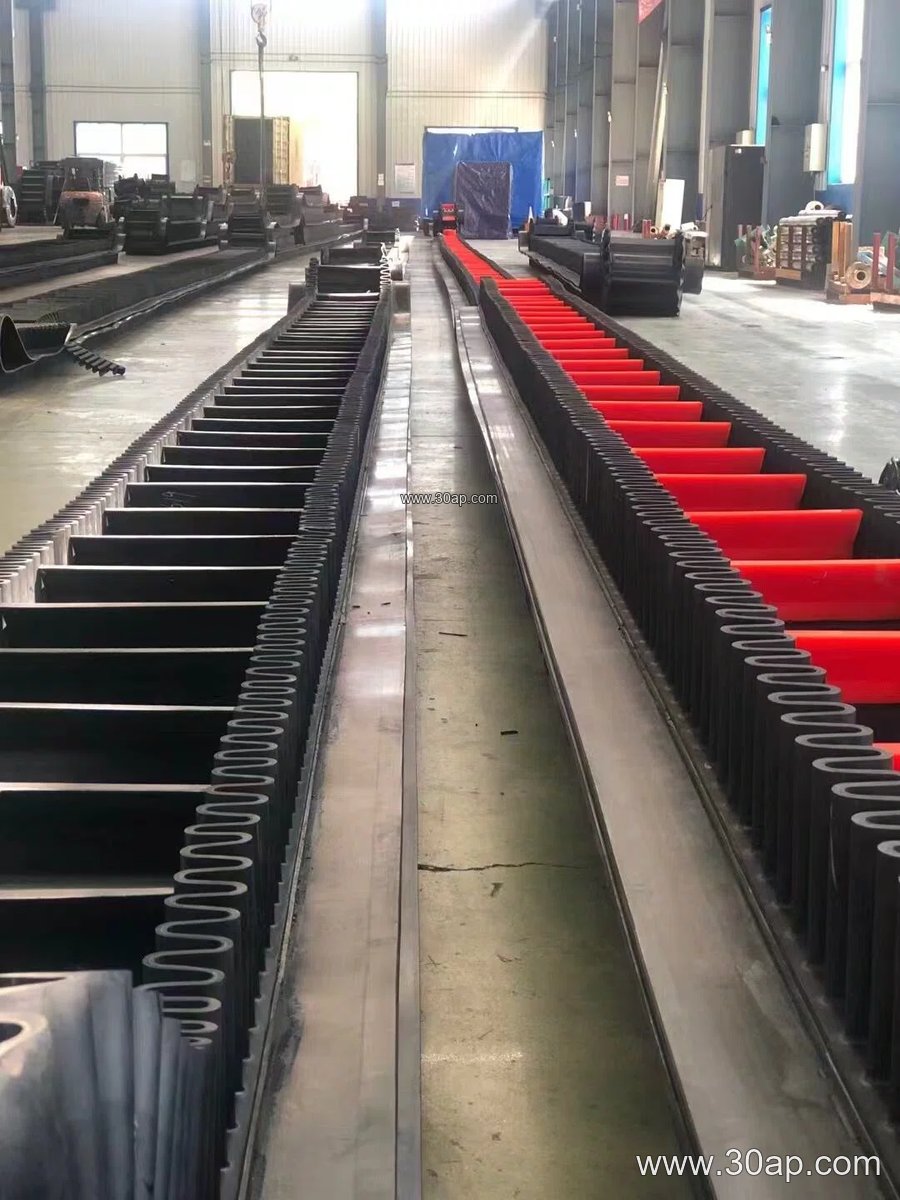
They are also common in coal handling, fertilizer plants, and grain silos. In these places the conveyor runs at a set capacity for long periods, and the simplicity of a welded frame is an advantage. Where the belt must handle a shifting load or where trough angle needs tuning, an adjustable design may be considered instead, but the fixed bracket remains the standard choice for predictable duty.
Working With the Belt and Rollers
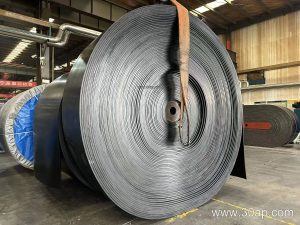
The bracket, idler roller, and belt act as one system. A well-built frame keeps the idlers square to the belt centerline, which reduces mistracking and extends cover life. On lines carrying sharp rock or ore, pairing a sturdy fixed bracket with an abrasion resistant conveyor belt and quality rollers gives the best return on maintenance effort.
At transfer points, impact brackets and cushion rollers protect both the frame and the belt from falling lumps. Downstream, return brackets keep the belt from sagging between pulleys, which helps the conveyor pulley grip evenly and reduces slip.
Buyer Checklist
- Confirm belt width, trough angle, and roller diameter before ordering.
- Check the mounting hole pattern against the existing stringer.
- Match steel thickness and finish to the environment, especially in wet or corrosive plants.
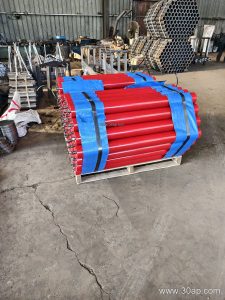
- Ask whether the bracket is supplied bare or with idlers fitted.
- Plan spare brackets for loading zones where impact damage is most likely.
A fixed conveyor bracket is a small item with a large effect on belt life. Getting the geometry and material right at the buying stage saves far more than the bracket itself costs.