What the EP1000 1200mm Conveyor Belt Is
The EP1000 1200mm conveyor belt is a fabric-core rubber belt built for demanding bulk material duty. Its carcass is made from polyester warp and polyamide weft (EP) fabric, and the nominal tensile strength of the belt is 1000 N/mm. The 1200mm figure refers to the belt width, a common size on main haulage and yard conveyors in mining conveyor belt service, cement plants, power stations and aggregate yards.
In everyday plant language this product is also called a 1200mm wide EP conveyor belt or an EP1000 rubber conveyor belt. Those names describe the same belt; they are not separate categories.
Construction and Build
The carcass usually contains several plies of EP fabric, with 2 to 6 plies being common depending on the required strength and the number of splices. Rubber covers protect the carcass from abrasion, impact and moisture. Cover thickness is quoted as top plus bottom, for example 5+2 mm or 6+2 mm, and thicker covers are often selected for sharp, heavy ore and rock.
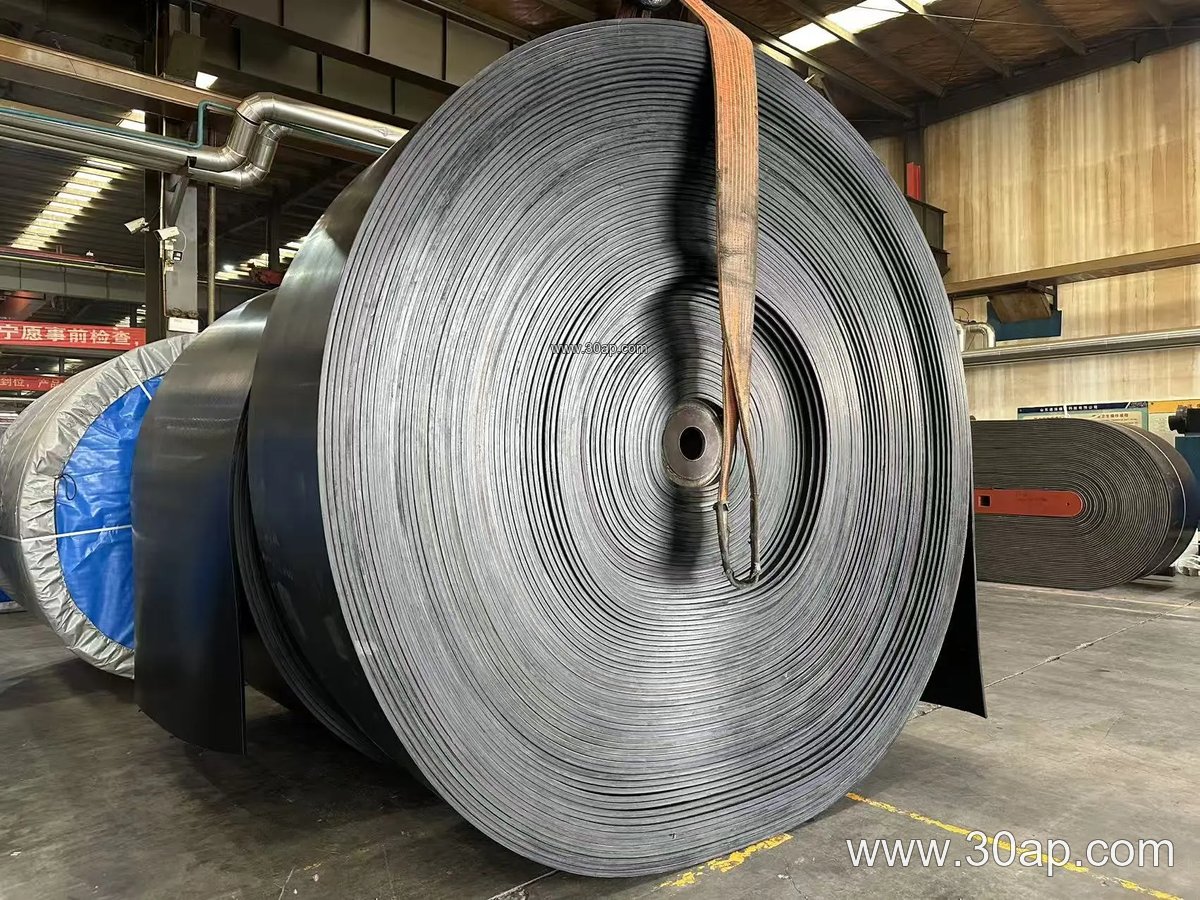
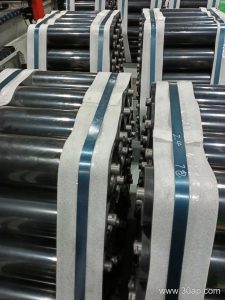
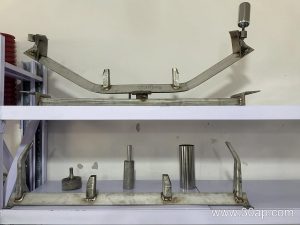
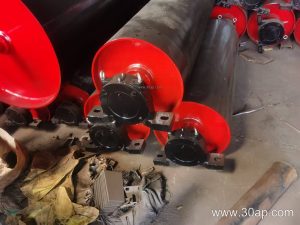
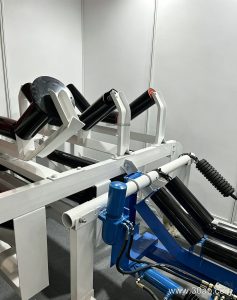
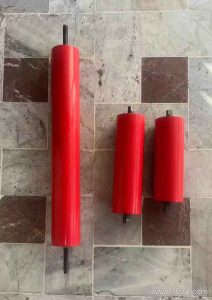
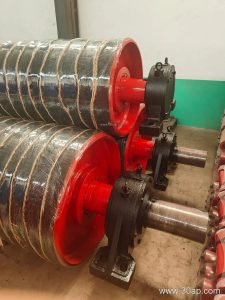
The belt runs over a drive pulley, tail pulley and bend pulleys, supported by idler roller sets mounted on conveyor brackets. Belt width and pulley diameter are matched through engineering calculation; a 1200mm belt is not tied to one fixed pulley or shaft size.
Reference Data for EP Belts
The values below are typical reference data, not a supply promise. Actual construction is confirmed per order and per design.
| Item | Common Reference Range |
|---|---|
| Strength grades | EP200, EP315, EP400, EP500, EP630, EP800, EP1000, EP1250, EP1600, EP2000 |
| Belt widths | B500, B650, B800, B1000, B1200, B1400, B1600, B1800, B2000 |
| Cover thickness | 3+1.5, 4+2, 5+2, 6+2, 8+3 mm |
| Carcass plies | 2 to 6 plies, commonly |
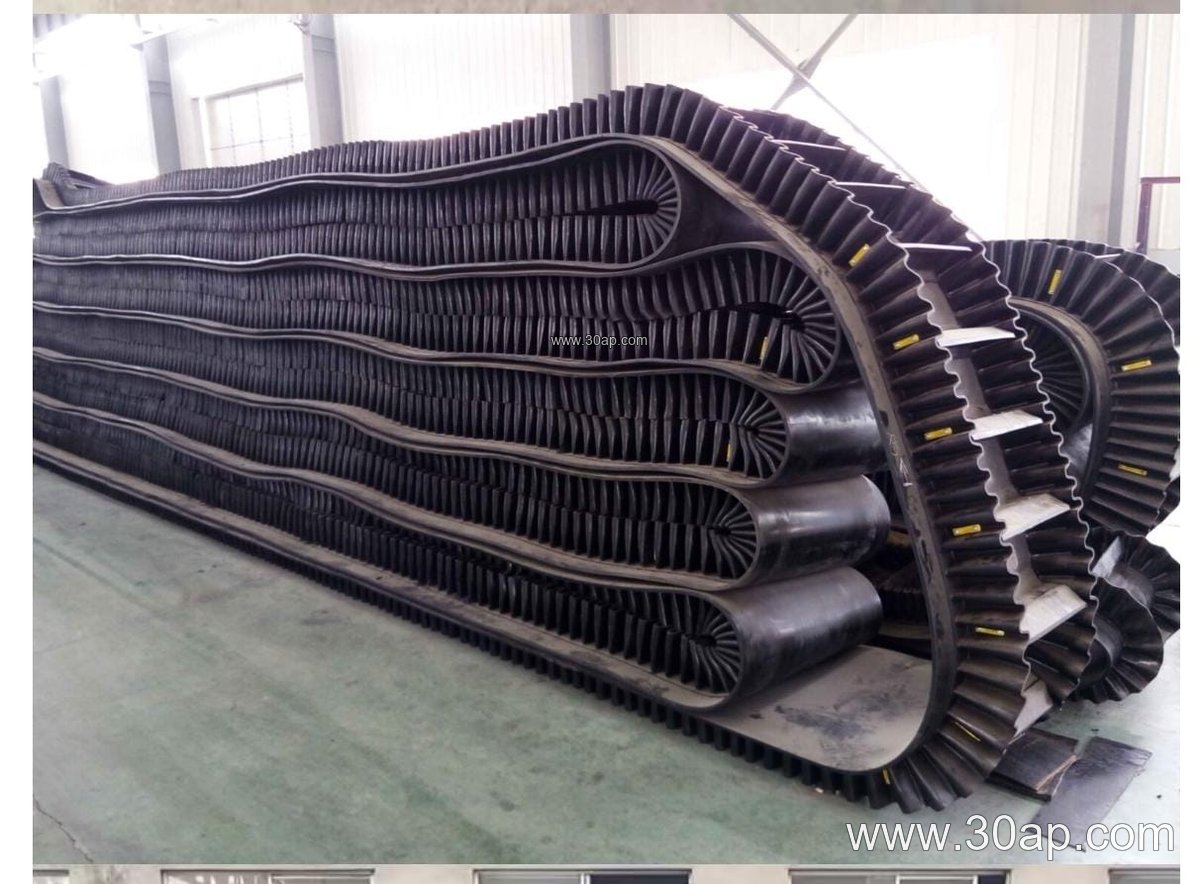
| Surface forms | plain, chevron, corrugated sidewall, skirted |
Where This Belt Width Fits
A 1200mm belt is a workhorse width in primary and secondary crushing circuits, stockyard conveyors, ship loading lines and clinker transport. In a quarry or sand making plant it may carry run-of-mine rock from a crusher to a screening station; in a coal mining conveyor line it moves sized coal at high tonnage; in a steel plant it handles sinter, coke and ore blends.
For very abrasive iron ore or copper ore, an abrasion resistant conveyor belt grade is often specified. Where the belt passes through a transfer point with a large drop, impact resistant construction and closely spaced idlers help absorb the load.
Selecting the Right Grade
Buyers should confirm the material being carried, lump size, tonnage per hour, troughing angle, pulley diameters and ambient conditions before fixing the specification. Hot clinker or cement may call for a heat resistant conveyor belt; oily scrap or recycled material may need an oil resistant cover; underground coal service usually requires flame retardant and anti-static properties.
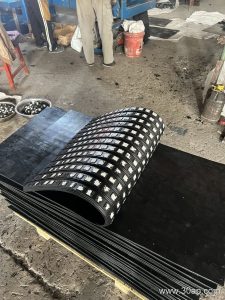
A plain EP1000 belt is a different product from a chevron conveyor belt or a corrugated sidewall conveyor belt, even when the width and strength grade match. Those surface forms solve different problems such as steep incline or material spillage, and they should be chosen for the duty rather than swapped in casually.
Installation and Maintenance Notes
- Check pulley alignment and idler squareness before tensioning a new belt.
- Keep the tail pulley and bend pulleys clean to limit mistracking.
- Inspect splices and cover wear at regular intervals, especially at loading points.
- Match the belt to the conveyor frame and bracket layout; do not force a wide belt into a narrow structure.
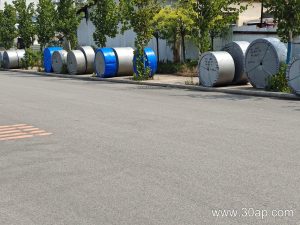
- Store rolls in a dry, shaded place and avoid sharp bends during handling.
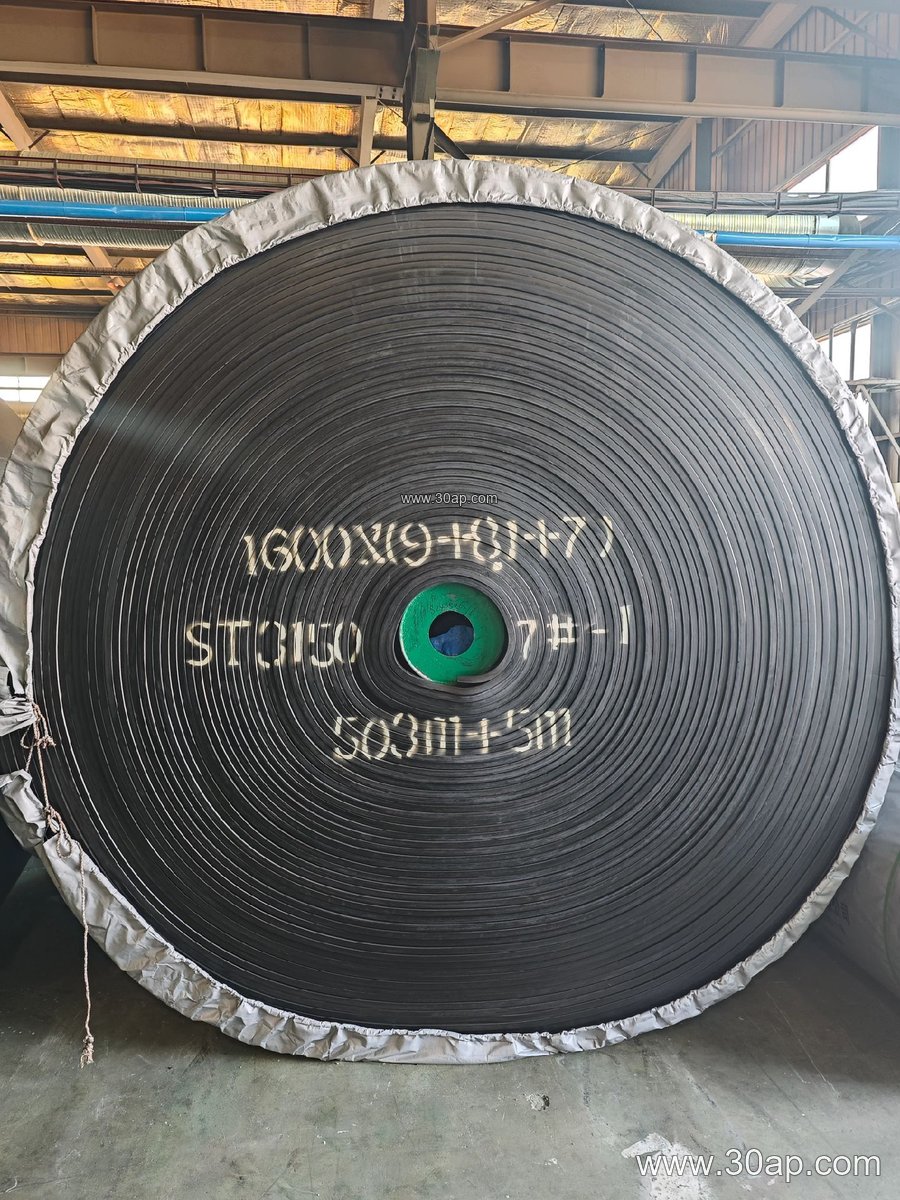
Where a longer center distance or higher tension capacity is required, an EP conveyor belt of a higher grade or a steel cord conveyor belt may be compared during design. For most 1200mm main lines in mines, cement works and power plants, the EP1000 construction remains a practical, well-understood choice.