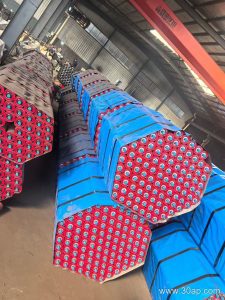
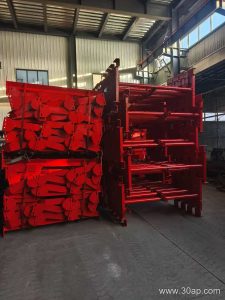
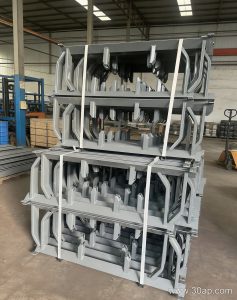
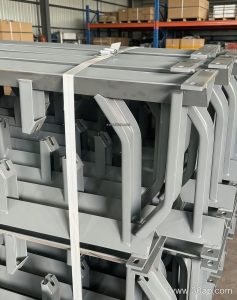
What a 6205 Bearing Idler Is
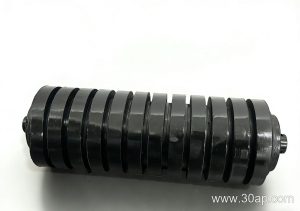
A 6205 bearing idler is a conveyor idler roller built around a 6205 single-row deep groove ball bearing. In everyday plant language it is simply called a 6205 idler or a 6205 bearing roller. The bearing sits inside the roller end, carries the rotating shell, and lets the idler turn freely under a moving conveyor belt. Because the 6205 is a common, readily available bearing size, this idler is a practical choice for light to medium-duty positions where the load per roller stays modest.
The idler itself is a complete assembly, not just a bearing. It includes a steel tube shell, bearing housings at each end, a shaft, seals, and often a labyrinth or contact seal arrangement to keep dust out. The 6205 bearing is the rotating core, but the shell, seal, and shaft design decide how long the idler lasts in a real installation.
How the 6205 Bearing Idler Is Built
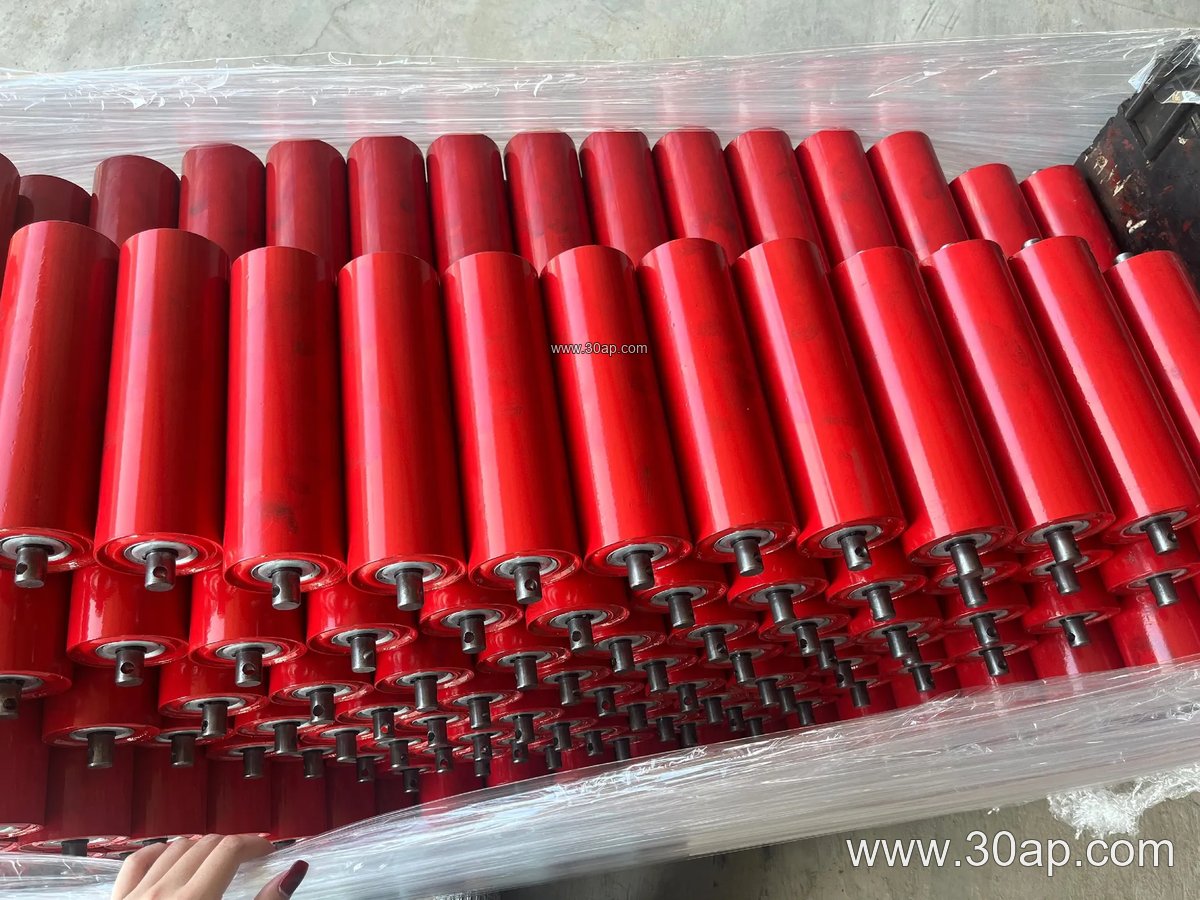
Most units follow a familiar pattern. A seamless or welded steel tube forms the roller body. At each end, a bearing housing is pressed or welded in place, and the 6205 bearing is fitted onto a fixed shaft. Seals protect the bearing from fine dust and water. The shaft ends are then mounted in the conveyor bracket or frame, so the shell spins while the shaft stays still.
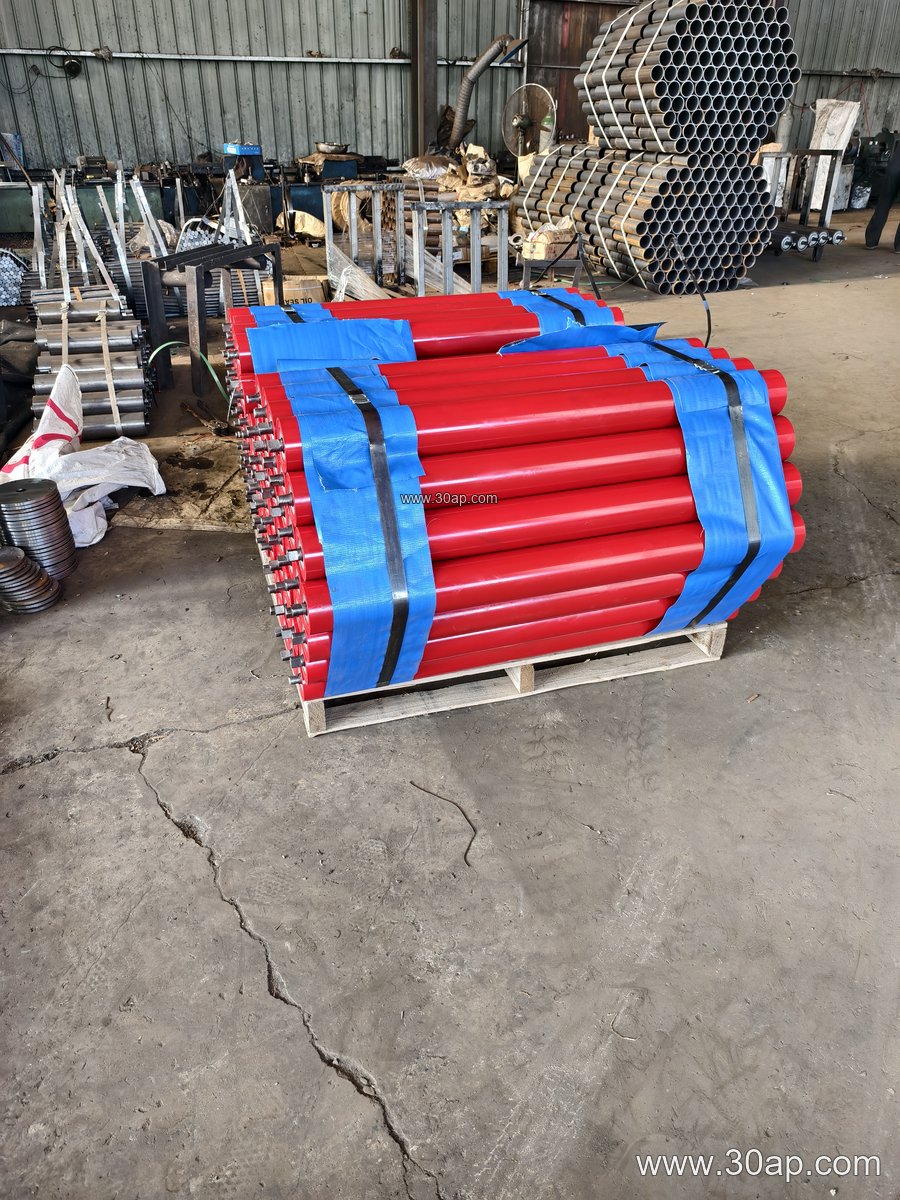
- Shell material: usually steel tube; nylon, ceramic, or rubber-ring surfaces are available for special duties.
- Bearing: 6205 deep groove ball bearing, one at each end in most designs.
- Sealing: labyrinth seal, contact seal, or a combination, depending on the dust and moisture level.
- Shaft: fixed, with ends shaped to fit the conveyor bracket.
The 6205 bearing is often paired with roller diameters in the light-to-medium range. It should not be assumed that one bearing size fits only one roller diameter or one belt width. Bearing choice, shell thickness, shaft size, and load rating are all selected together by the idler designer.
Where It Fits on a Conveyor
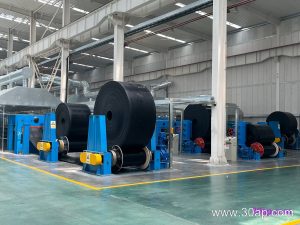
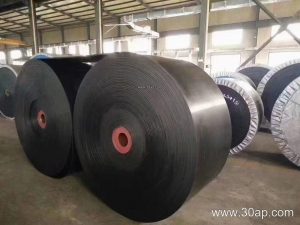
The 6205 bearing idler is most often used in carrying positions on medium and smaller conveyors, and in return positions where the belt is empty. In a quarry or aggregate line, it may support a Rubber Conveyor Belt on a short transfer conveyor. In a cement plant, it can appear on auxiliary belts feeding screens or bucket elevators. In a power plant coal yard, it may be found on smaller yard conveyors rather than the main high-capacity lines.
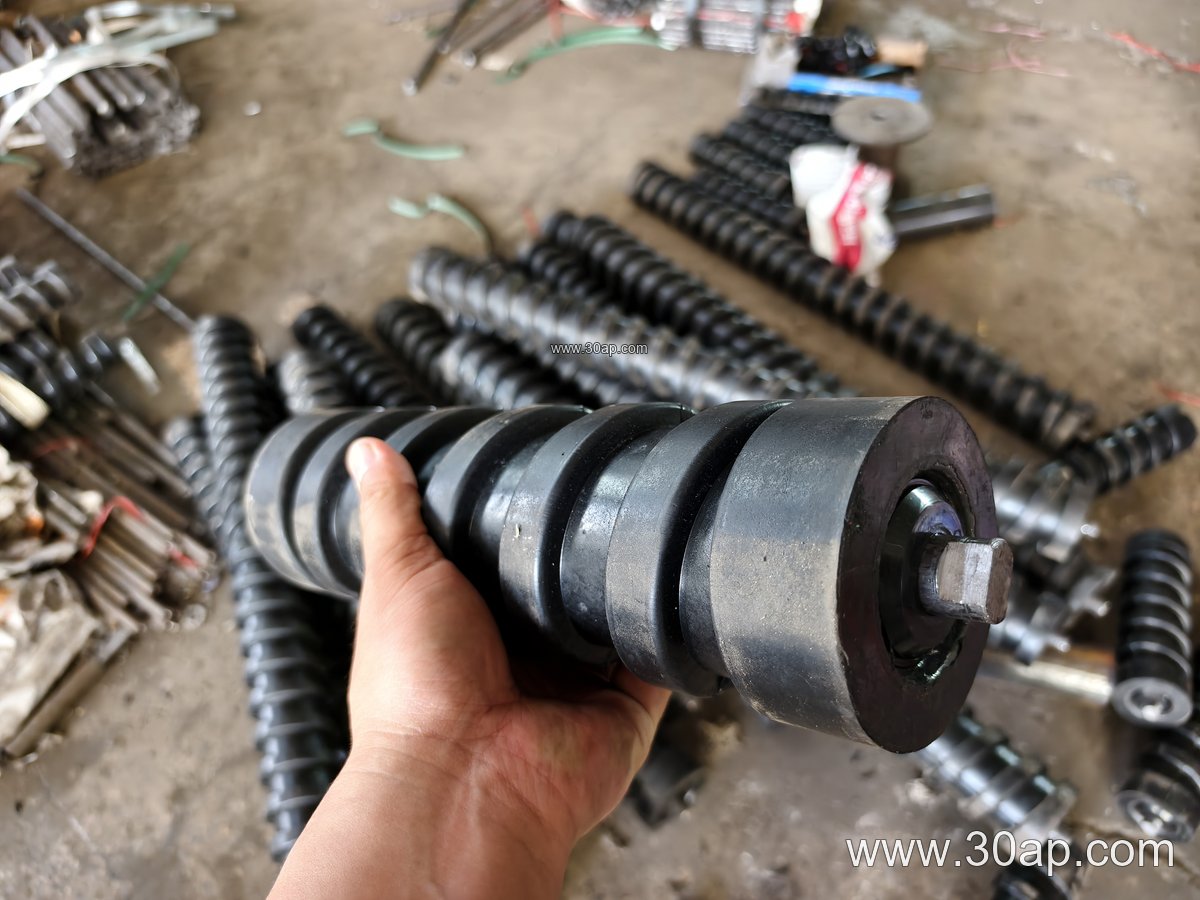
It is also used on package and bulk handling belts in sand and gravel plants, fertilizer blending lines, and tunnel spoil conveyors. The idler is not a drive pulley, tail pulley, or bend pulley; those are separate components with different construction and load paths. A 6205 idler only supports and guides the belt.
Common Sizes and Configurations
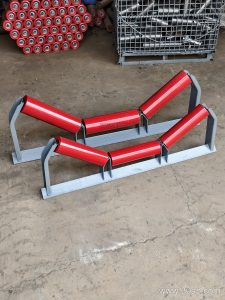
Idlers are selected by roller diameter, roller length, trough angle, and frame type. The table below shows typical reference values; actual dimensions follow the conveyor design, not a fixed rule.
| Parameter | Common Reference Values |
|---|---|
| Roller diameter | Ø63, Ø76, Ø89, Ø102, Ø108, Ø127, Ø133 mm |
| Belt width | B400, B500, B650, B800, B1000, B1200 mm |
| Trough angle | 20°, 30°, 35°, 45° |
| Idler set | single roll, two-roll, three-roll troughing |
| Roller surface | steel, nylon, ceramic, rubber ring |
| Bearing | 6205 (also 6204, 6305, 6306 in other designs) |
For a three-roll troughing set, common roller lengths are roughly 200 mm at B500, 250 mm at B650, 315 mm at B800, 380 mm at B1000, and 465 mm at B1200. Side rollers and center rollers can differ. These are examples only, and the final length depends on belt width, trough angle, and frame geometry.
Buyer Checklist
Before ordering, confirm the roller diameter, roller length, shaft end shape, and mounting bracket type. Check the belt width and trough angle so the idler set matches the conveyor frame. Ask about the seal design if the site is dusty or wet, and confirm the bearing is a genuine 6205 rather than an unmarked substitute.
For abrasive bulk materials, a rubber-ring or ceramic-covered shell may extend service life. For hot clinker or cement, heat-resistant bearing grease and a suitable seal matter more than the bearing number alone. On a Mining Conveyor Belt or a Cement Conveyor Belt, idler spacing and load per roller should be checked against the belt tension and material weight.
Finally, keep spare idlers in matched sets. A 6205 bearing idler is inexpensive to stock, and replacing a seized roller early prevents belt edge damage and reduces the risk of a conveyor belt tracking problem. Inspect seals, listen for squealing, and check for shell wear during routine walks.