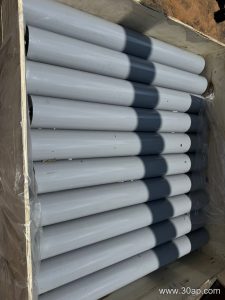
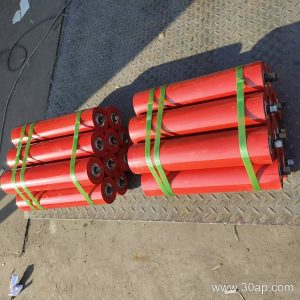
What a Cast-Welded Pulley Is
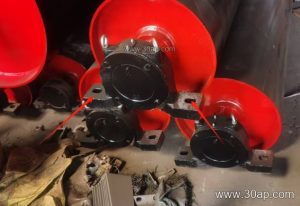
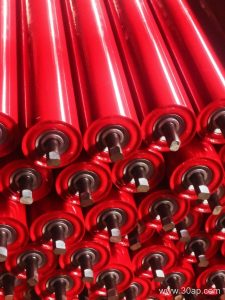
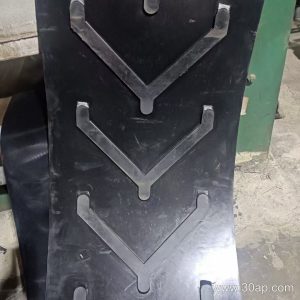
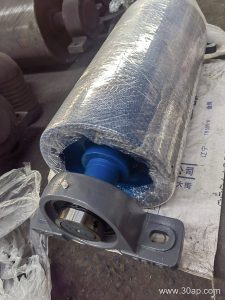
A cast-welded pulley is a conveyor pulley whose shell is produced by casting, while the end discs, hubs and shaft connections are fabricated and welded into a single unit. The hybrid approach gives the pulley a hard, wear-resistant running surface from the casting and the structural flexibility of welded assembly. It is a common choice for head, tail and take-up positions on bulk handling conveyors, and it works alongside the conveyor belt, idler roller and conveyor bracket as part of the same frame.
Because the term describes a manufacturing method rather than a single position, a cast-welded pulley can serve as a drive pulley, a tail pulley or a bend pulley. Each of those roles imposes different loads, so the design details should be confirmed before ordering.
How the Pulley Is Built
The shell is cast in a mold, then machined to the required diameter and face width. Casting allows a thicker rim and better resistance to abrasion than a thin rolled shell in gritty service. End discs are cut and welded to the shell, and the hubs are attached to transmit torque from the shaft. The assembly is then balanced, and the shaft is keyed or shrink-fitted in place. After welding, stress relief and non-destructive inspection may be specified for heavy-duty units.
- Cast shell with machined face
- Welded end discs and hubs
- Keyed or shrink-fit shaft connection
- Optional lagging applied after balancing
Where It Fits on the Conveyor
In a limestone quarry or a sand and gravel line, a cast-welded pulley is often used at the discharge end where the belt carries abrasive rock. In a coal preparation plant or a power station coal yard, the same construction suits tail and take-up positions exposed to dust and moisture. Cement plants handling clinker and a steel plant handling sinter also favor a cast shell because the surface resists scoring.
Role matters more than the name. A drive pulley carries the highest torque and needs a secure shaft fit and adequate lagging. A tail pulley guides the return belt and may use a plain or lightly lagged face. A bend pulley changes belt direction under moderate tension and is not interchangeable with a drive or tail pulley in either loading or design.
Common Size Ranges
The table below shows typical reference combinations. These are examples, not fixed pairings; final dimensions follow the conveyor design and the actual belt tension.
| Belt width (B) | Typical face width | Common diameter | Typical shaft range |
|---|---|---|---|
| B500 | about 600 mm | Ø250 to Ø400 | Ø50 to Ø80 |
| B650 | about 750 mm | Ø315 to Ø500 | Ø60 to Ø100 |
| B800 | about 950 mm | Ø400 to Ø630 | Ø70 to Ø120 |
| B1000 | about 1150 mm | Ø500 to Ø800 | Ø80 to Ø140 |
| B1200 | about 1400 mm | Ø630 to Ø1000 | Ø90 to Ø160 |
| B1400 | about 1600 mm | Ø800 to Ø1250 | Ø100 to Ø180 |
| B1600 | about 1800 mm | Ø1000 to Ø1400 | Ø120 to Ø200 |
Shaft diameter is set by torque and load, not by belt width alone. A B1200 × Ø1000 drive pulley and a B1200 tail pulley of the same diameter may need very different shafts.
Surface Options
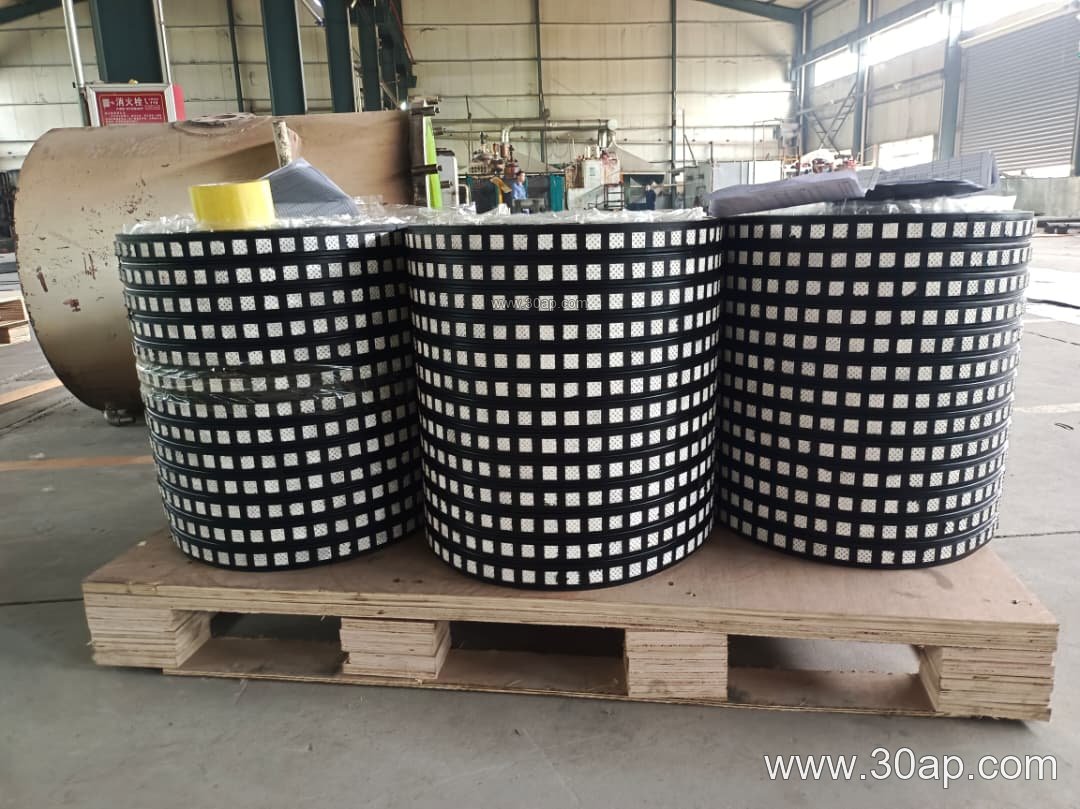
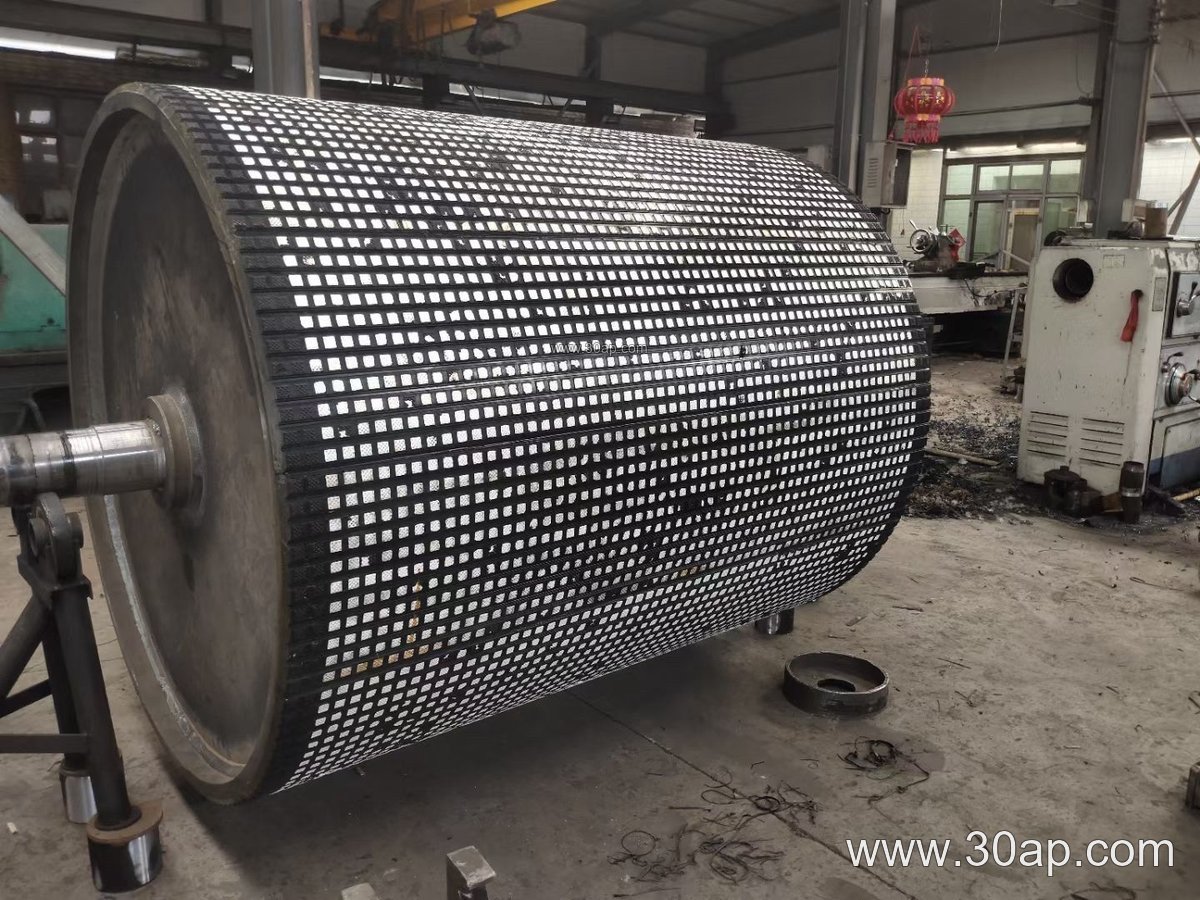
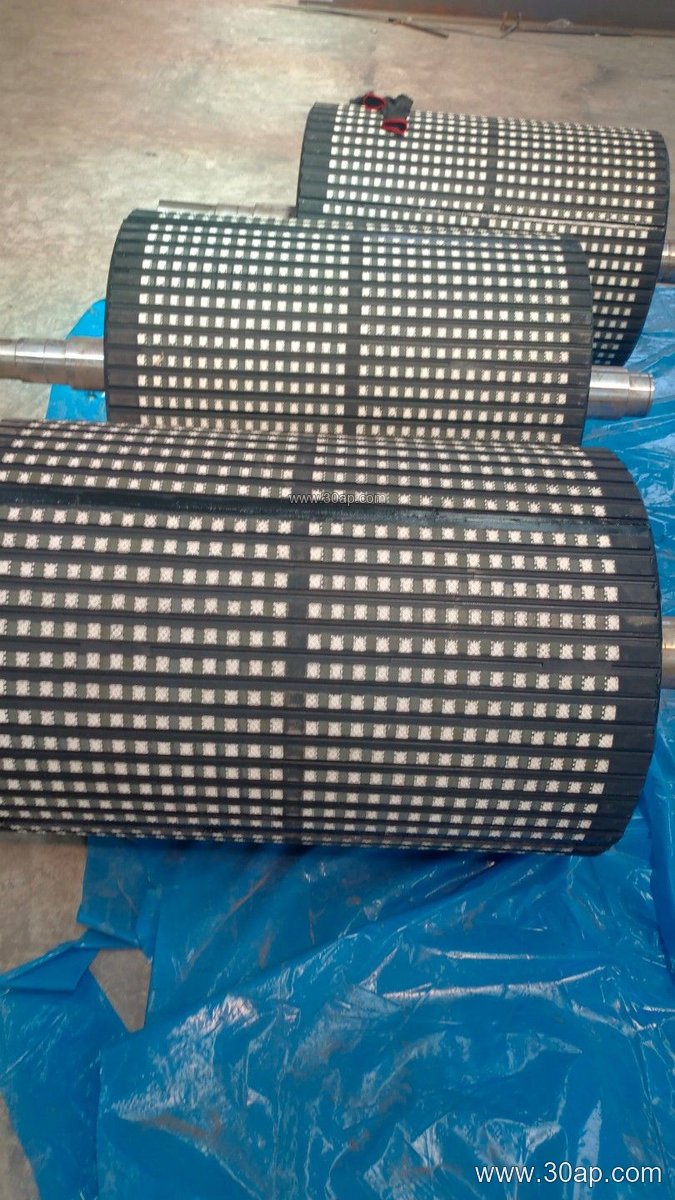
Lagging improves grip and protects the shell. Plain faces suit light duties and clean conditions. Cast rubber, cold-bonded rubber, hot-vulcanized rubber, diamond pattern, herringbone pattern and ceramic lagging are all available, with common thicknesses of 8, 10, 12, 15 and 20 mm. Diamond and herringbone patterns help shed water and fines; ceramic tiles resist severe abrasion in iron ore or sinter service. Choose the surface to match the material and the wet or dry condition of the belt.
Buyer Checklist
- Confirm the pulley position: drive, tail or bend, and the resulting torque.
- State belt width, required diameter and face width together.
- Specify lagging type and thickness if grip or wear protection is needed.
- Provide shaft size, keyway and bearing details from the conveyor design.
- Ask for balancing, weld inspection and runout tolerances where the duty is heavy.
- Check that the conveyor bracket and bearing housing match the shaft end.
Ordering a cast-welded pulley by belt width alone often leads to a mismatch at the shaft or bearing. Supplying the full duty data lets the supplier size the shell, hub and shaft as one assembly.