What a 600mm Conveyor Belt Actually Means
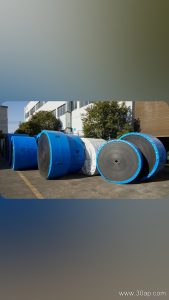
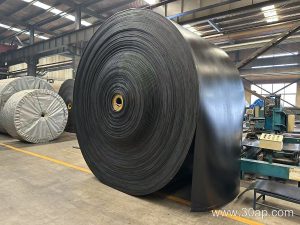
A 600mm conveyor belt is a rubber or PVC/PVG belt with a nominal width of 600 millimeters. In the field, this width is often written as B600, and it is one of the most common belt widths for medium-duty material handling. It is not a single product but a width class that can be built with different carcass types, cover grades, and surface forms. A 600mm conveyor belt can be found in sand and gravel plants, small cement lines, coal preparation systems, and power plant ash handling, where the tonnage and lump size fit a moderate belt width.
Construction and Common Specifications
The belt is usually made of a fabric carcass, such as EP (polyester-cotton) or NN (nylon-nylon), with rubber covers on both sides. For heavier loads or longer runs, a steel cord carcass may be chosen. The cover thickness is written as top cover plus bottom cover, for example 4+2 mm or 5+2 mm. The number of fabric plies typically ranges from 2 to 6, depending on the tension required.
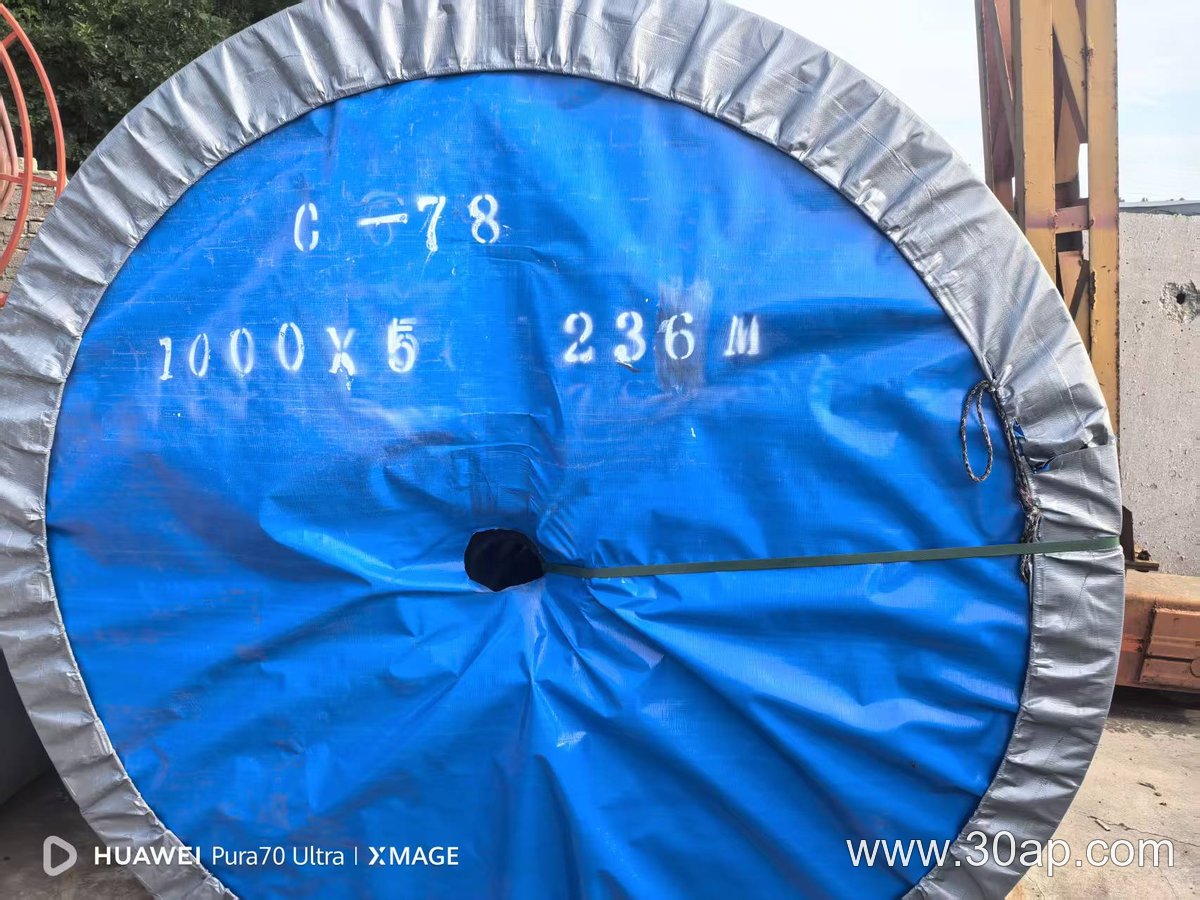
Below is a reference table of common 600mm belt constructions. These are typical ranges, not fixed combinations, and the final choice depends on the conveyor design.
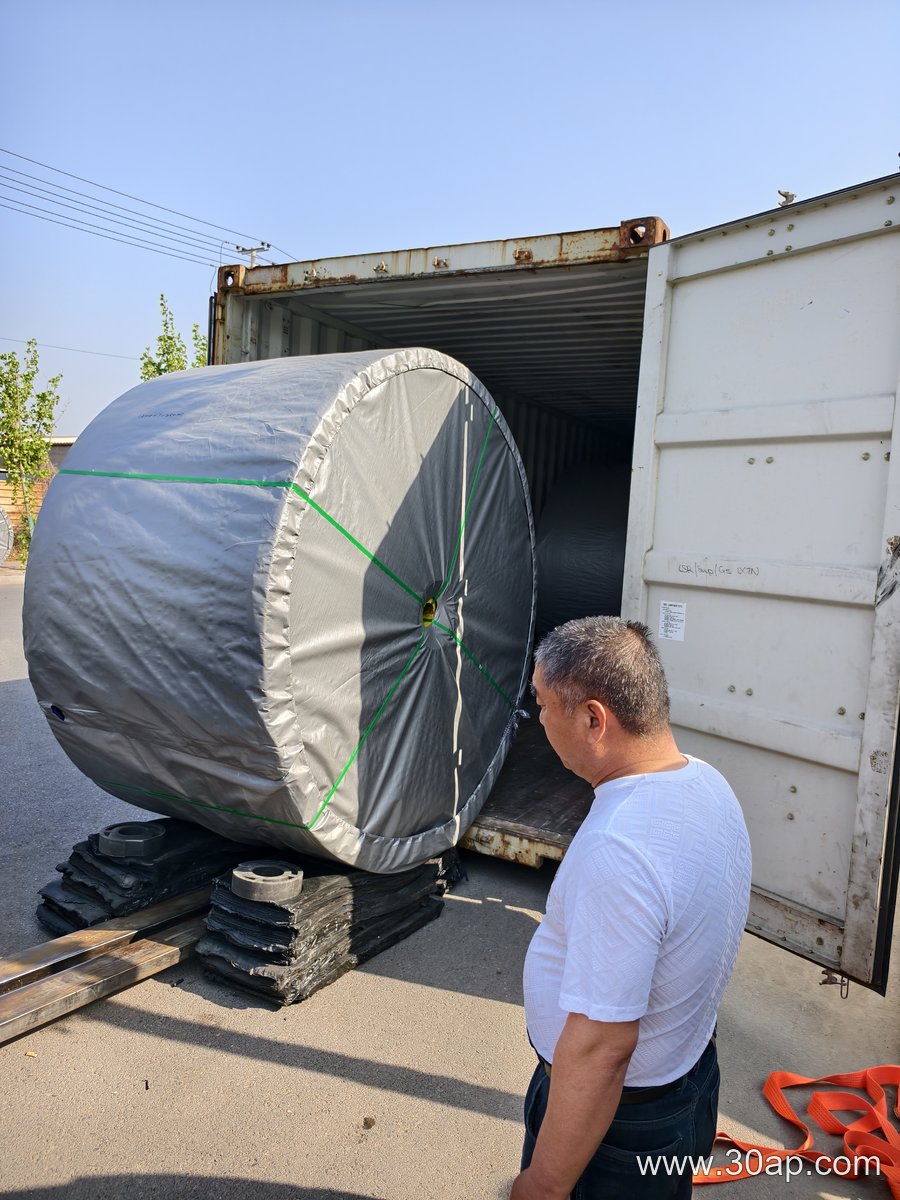
| Parameter | Common Options |
|---|---|
| Belt width | 600 mm (B600) |
| Carcass type | EP, NN, steel cord |
| Fabric plies | 2 to 6 |
| Tensile strength | EP200, EP315, EP400, EP500, EP630 |
| Cover thickness | 3+1.5, 4+2, 5+2, 6+2 mm |
| Cover grade | wear-resistant, heat-resistant, oil-resistant, flame-retardant, antistatic, cold-resistant, acid-alkali resistant |
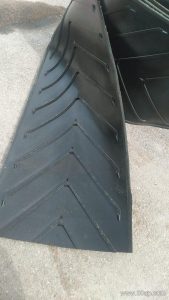
| Surface form | smooth, patterned, chevron, corrugated sidewall |
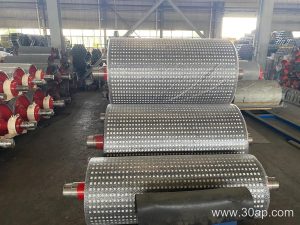
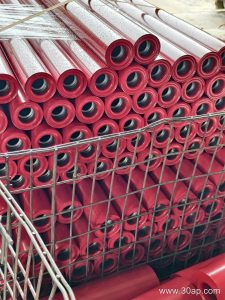
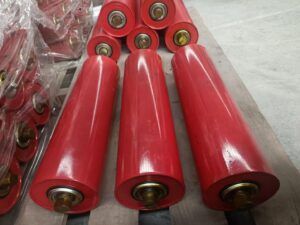
For a 600mm wide belt, the pulley face width and the idler roller length are normally matched to the belt width plus some clearance. A conveyor pulley, whether drive, tail, or bend, must be selected by its own diameter and shaft load, not by belt width alone. The same 600mm belt can run on different pulley diameters depending on the conveyor duty.
Where It Fits in the System
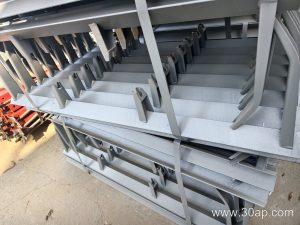
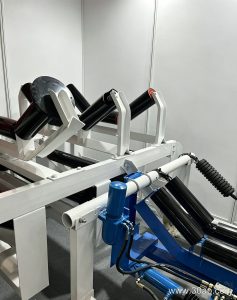
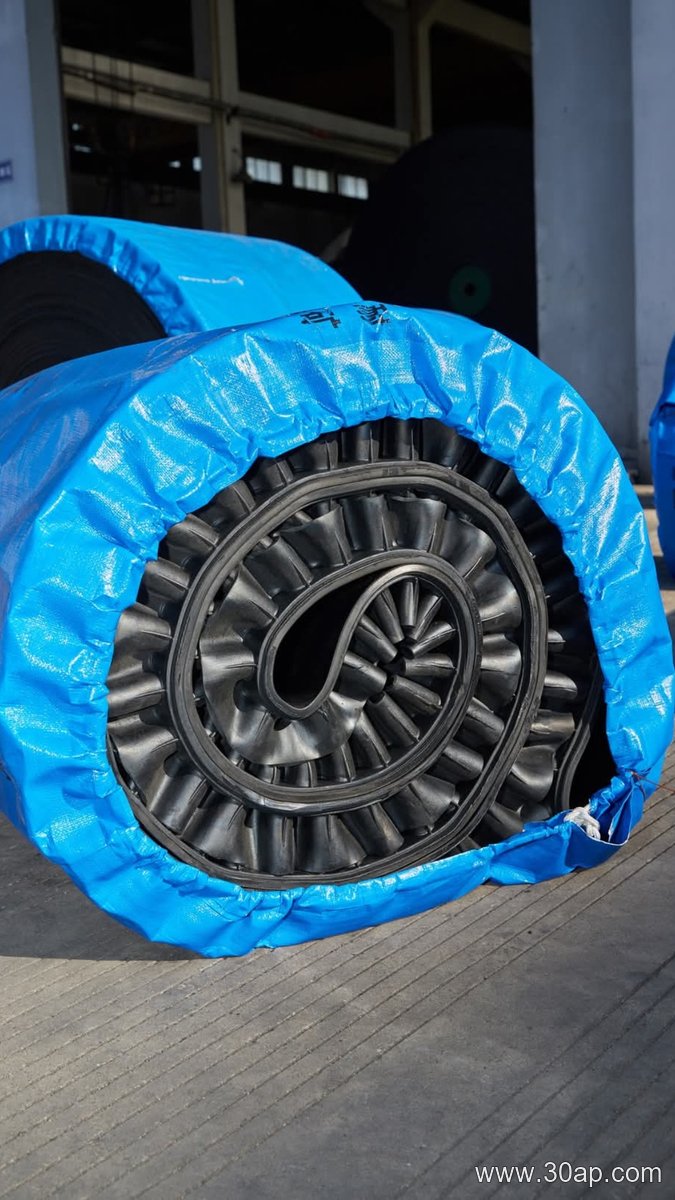
A 600mm conveyor belt usually runs on a troughing idler set supported by a conveyor bracket, with a drive pulley at the head and a tail pulley at the return end. Bend pulleys may be used to change direction or increase wrap angle. In a sand and gravel plant, a 600mm belt can carry crushed stone at a moderate rate; in a coal yard or cement plant, it may feed a crusher or a screening station. It is also seen in small power plant coal handling lines and in some port or warehouse bulk material systems.
When the material is wet, sticky, or inclined, a patterned or chevron belt may be used instead of a smooth belt. For steep inclines, a corrugated sidewall belt can prevent spillage. These are variations of the same 600mm belt width, not different belt widths.
What a Buyer Should Check
- Material and lump size: Confirm the largest lump and the bulk density. A 600mm belt has limits on lump size and throughput.
- Tension and strength: Choose the carcass and ply number from the calculated belt tension, not from habit.
- Cover grade: Match the cover to the environment, such as heat, oil, flame, or cold.
- Pulley and idler compatibility: Check pulley diameter, shaft size, and idler roller length with the conveyor designer. Do not assume a fixed shaft diameter from belt width.
- Joint method: Decide between mechanical fasteners and vulcanized splicing based on belt type and operating conditions.
- Maintenance access: Ensure the conveyor bracket and pulley arrangement allow inspection and replacement.
For a 600mm conveyor belt, the buyer should also ask for the belt’s actual measured width, cover thickness, and carcass details. A belt marked B600 should be within the manufacturer’s tolerance for 600mm nominal width. The drive pulley, tail pulley, and bend pulley each have different functions and cannot be used interchangeably. The same applies to different idler roller types, such as troughing, impact, and return rollers.
Practical Notes for Long Service Life
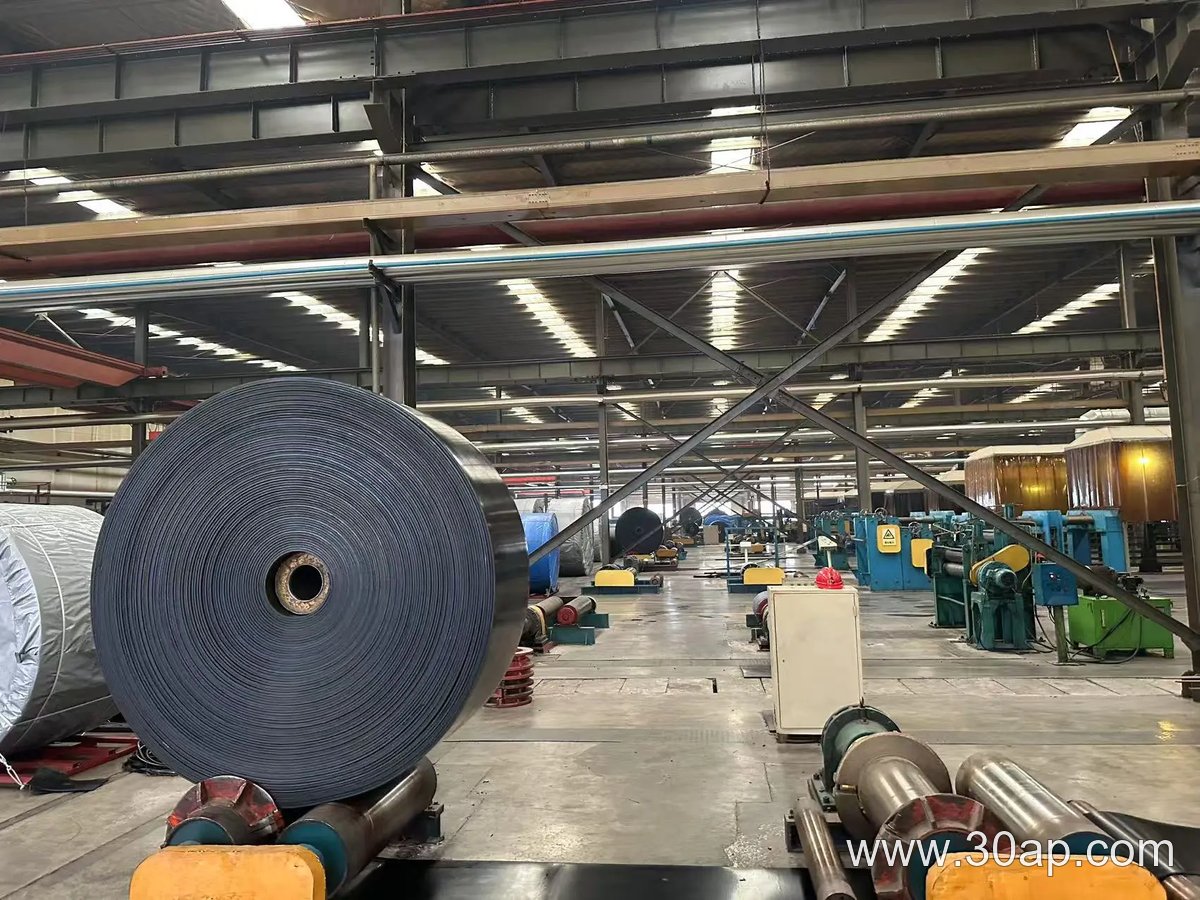
Keep the belt aligned, avoid over-tensioning, and maintain the idler rollers and pulleys in good condition. Material buildup on the pulley face can damage the belt edge. In dusty or corrosive plants, choose a cover grade that resists the specific environment. For a 600mm belt used in a cement or power plant, a heat-resistant or flame-retardant cover may be required, while a sand and gravel operation may prioritize wear resistance.
When replacing a belt, record the existing belt’s width, ply, cover thickness, and splice type. This makes it easier to order a compatible 600mm conveyor belt without guessing. If the conveyor is being upgraded, review the pulley and idler capacity before increasing belt strength or cover weight.