What a PVG Conveyor Belt Is
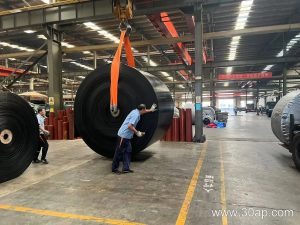
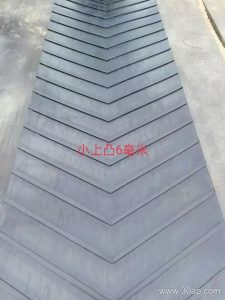
A PVG conveyor belt is a solid-woven, PVC-impregnated belt with a rubber cover, widely used where flame resistance and moderate oil resistance are required. In the trade it is also called a PVC/PVG solid woven belt, and the PVG grade is the rubber-covered version of the same construction family. It is not a fabric-core belt in the EP or NN sense, and it is not a steel cord belt. The carcass is a single solid woven structure, so the belt resists tearing and delamination better than many ply-built belts in rough service.
The product name is usually written with a strength class, for example PVG800 or PVG800S. The number refers to the nominal tensile strength class, and the suffix indicates a variant of the cover or construction. Buyers should always confirm the exact grade, cover thickness and width with the supplier, because values differ between manufacturers.
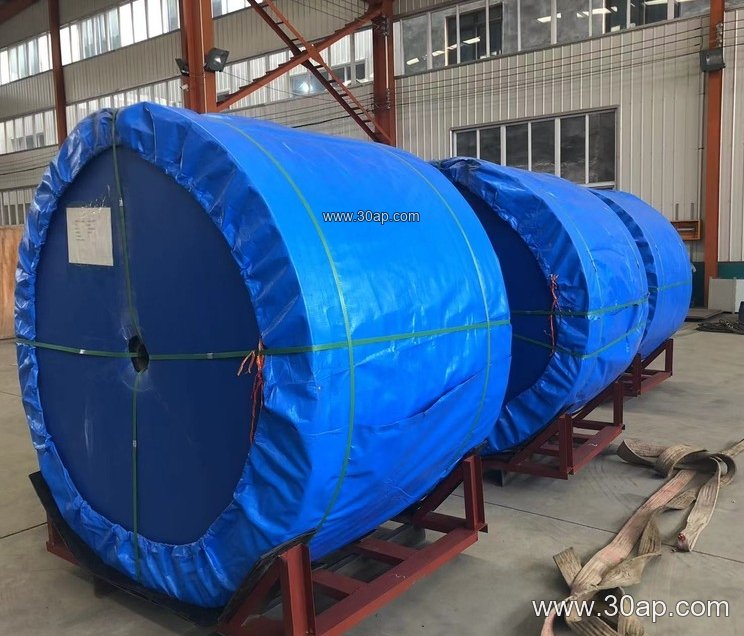
How the Belt Is Built
The core is a solid woven fabric, impregnated with PVC paste and then covered with rubber on both faces. The rubber cover gives better grip, abrasion performance and resistance to water and oil than a bare PVC belt. Typical cover combinations are 3+1.5 mm, 4+2 mm, 5+2 mm and 6+2 mm, with thicker covers used in abrasive duty.
The construction brings several practical benefits:
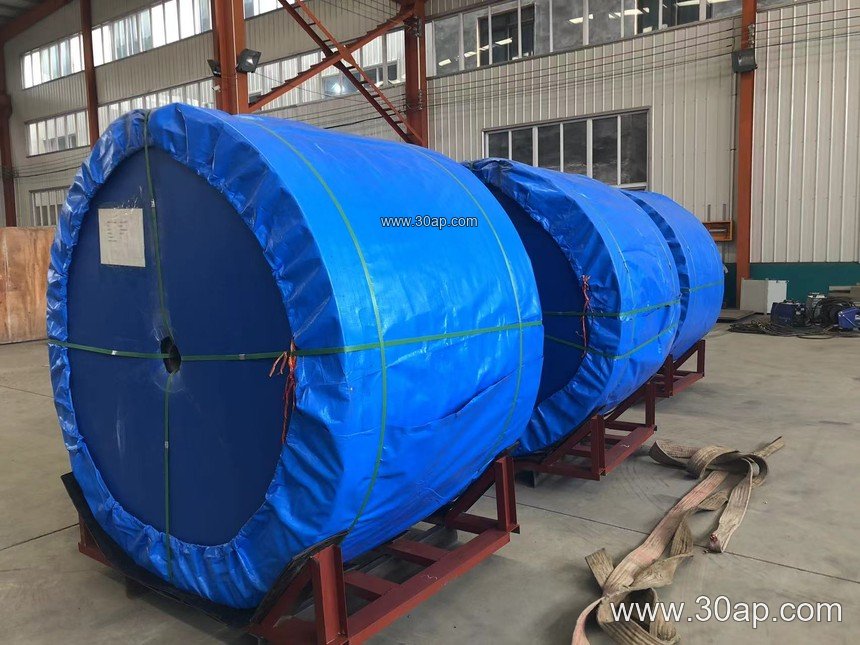
- High resistance to impact and tearing, since there are no separate plies to separate.
- Good troughability for training on conventional idler roller sets.
- Flame retardant and anti-static behaviour when the correct grade is ordered.
- Lower weight than a comparable steel cord belt, which eases installation.
Because the carcass is monolithic, field splicing is usually done with a vulcanised finger splice or a mechanical fastener, depending on the application and the belt grade. The splice method should be agreed before delivery.
Where PVG Belts Are Used
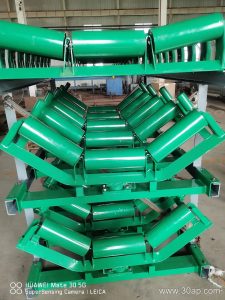
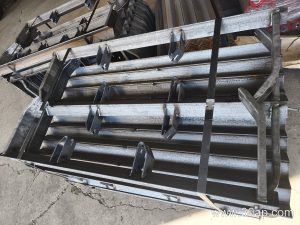
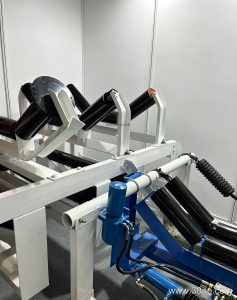
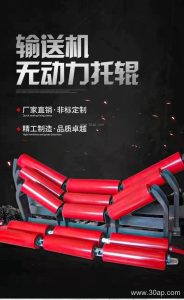
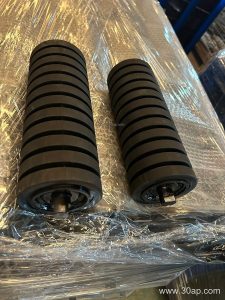
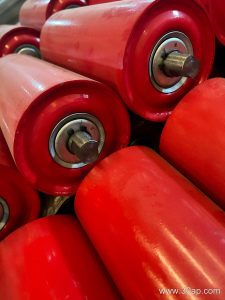
The main home of this belt is underground coal mining and other flame-sensitive operations. It is common on main haulage and panel belts in coal mines, and it also appears in cement plants, power plants, salt and potash mines, and tunnel projects where fire safety rules apply. A typical installation runs over a drive pulley, a tail pulley and bend pulleys, supported by idler rollers and mounted on a steel conveyor bracket structure.
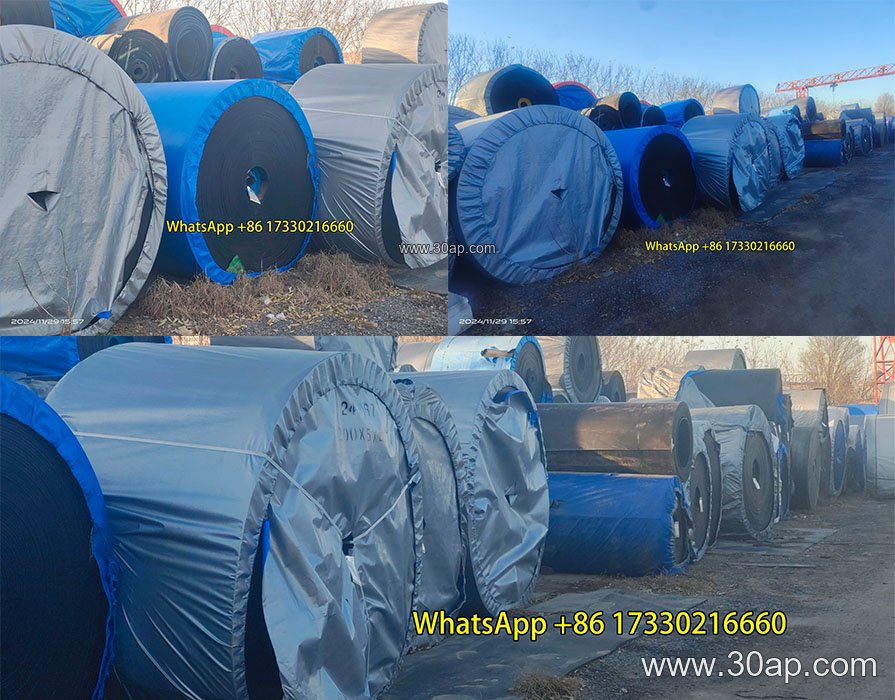
In these systems the belt carries bulk material such as coal, gypsum, clinker, limestone or ore. Where the load is highly abrasive, a high abrasion resistant conveyor belt grade may be a better fit; where oil is present, an oil resistant conveyor belt should be considered. For long, high-tension overland routes, a steel cord conveyor belt or a high strength EP conveyor belt is often chosen instead, while a corrugated sidewall conveyor belt suits steep inclines. These are alternatives for comparison, not replacements for the PVG grade.
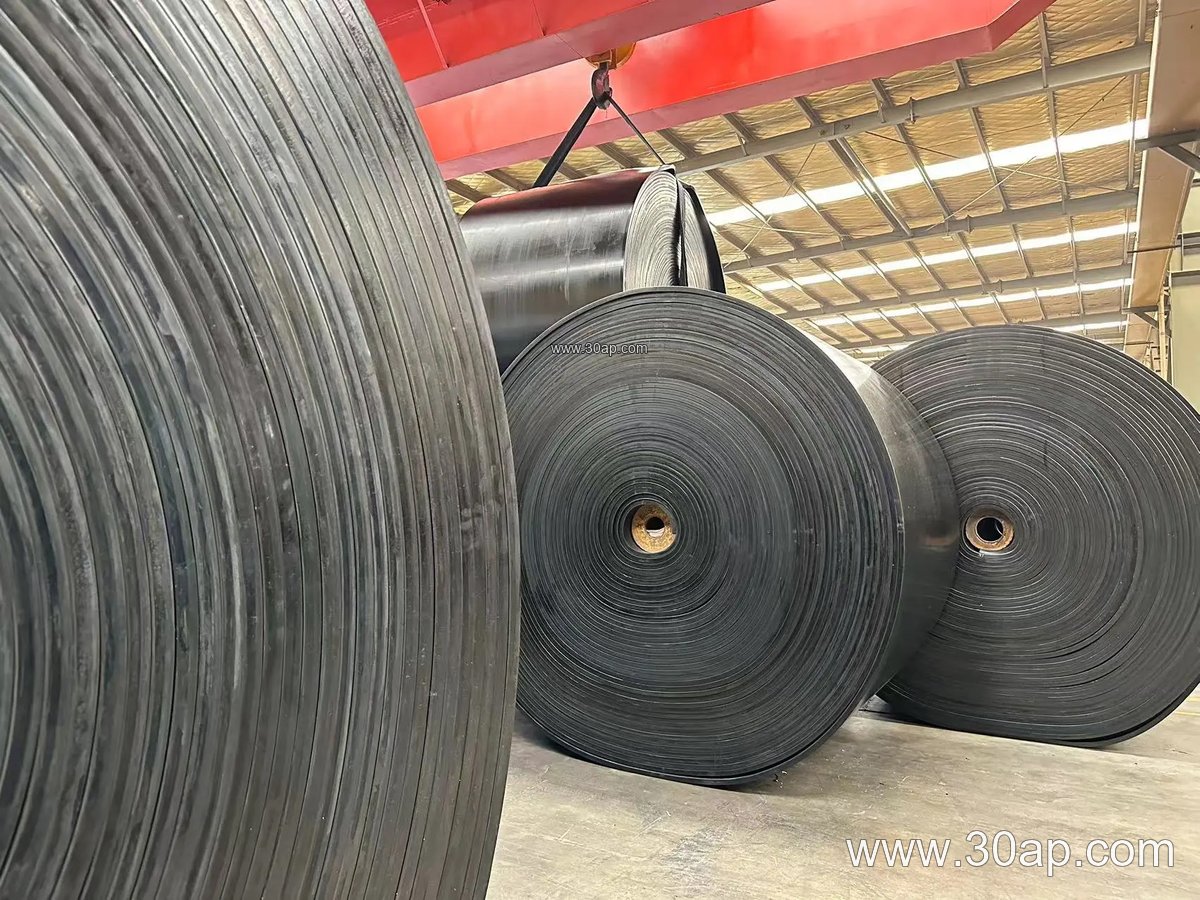
Common Reference Data
The table below shows typical reference values used when specifying this belt family. Treat them as guidance, not as fixed promises from any one factory.
| Parameter | Common reference values |
|---|---|
| Strength class | PVG800, PVG800S and similar grades |
| Belt width | B500, B650, B800, B1000, B1200, B1400, B1600 |
| Cover thickness | 3+1.5, 4+2, 5+2, 6+2 mm |
| Cover rubber | Flame retardant, anti-static, abrasion resistant, oil resistant variants |
| Splice | Vulcanised or mechanical, by design |
There is no rule that one belt width must match one pulley diameter. The drive pulley, tail pulley and bend pulleys are sized from the belt tension, the wrap angle and the shaft load, so the same width can appear with different pulley diameters on different conveyors.
What Buyers Should Check
Before ordering, confirm the strength class and whether the S suffix is needed for the duty. Check the cover thickness against the abrasiveness of the material, and confirm the flame retardant and anti-static requirements in writing. Ask for the recommended pulley diameters, the minimum bend radius for the proposed idler roller spacing, and the splice method. For coal mining conveyor belt use, the fire performance documents matter as much as the tensile grade.
On site, keep the belt trained, avoid material spillage at transfer points, and inspect the cover for cuts near the conveyor pulley and bracket areas. A small cover repair is far cheaper than a full belt change. For a broader view of matching belts, rollers and pulleys, see conveyor belt and conveyor pulley references before finalising the specification.