What a Multi-Ply Fabric Core Conveyor Belt Is
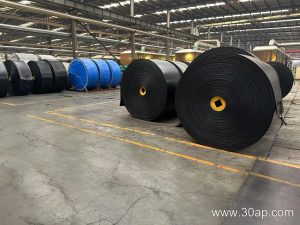
A multi-ply fabric core conveyor belt is a heavy duty rubber belt built around several layers of woven fabric that are bonded together with rubber. The fabric plies act as the tensile skeleton, while the rubber covers protect the carcass from impact, abrasion and moisture. This construction makes the belt a common choice for mining, coal preparation, cement plants, power stations and sand and gravel yards where the conveyor must handle sharp rock, clinker or wet aggregate over long distances.
The same product is also called a multi-ply fabric conveyor belt or a multi-ply textile carcass belt. These names describe the same article: a belt with two or more fabric plies in the core. A single-ply belt may be used on short, light conveyors, but it is not a replacement when the duty calls for the load carrying capacity of a multi-ply design.
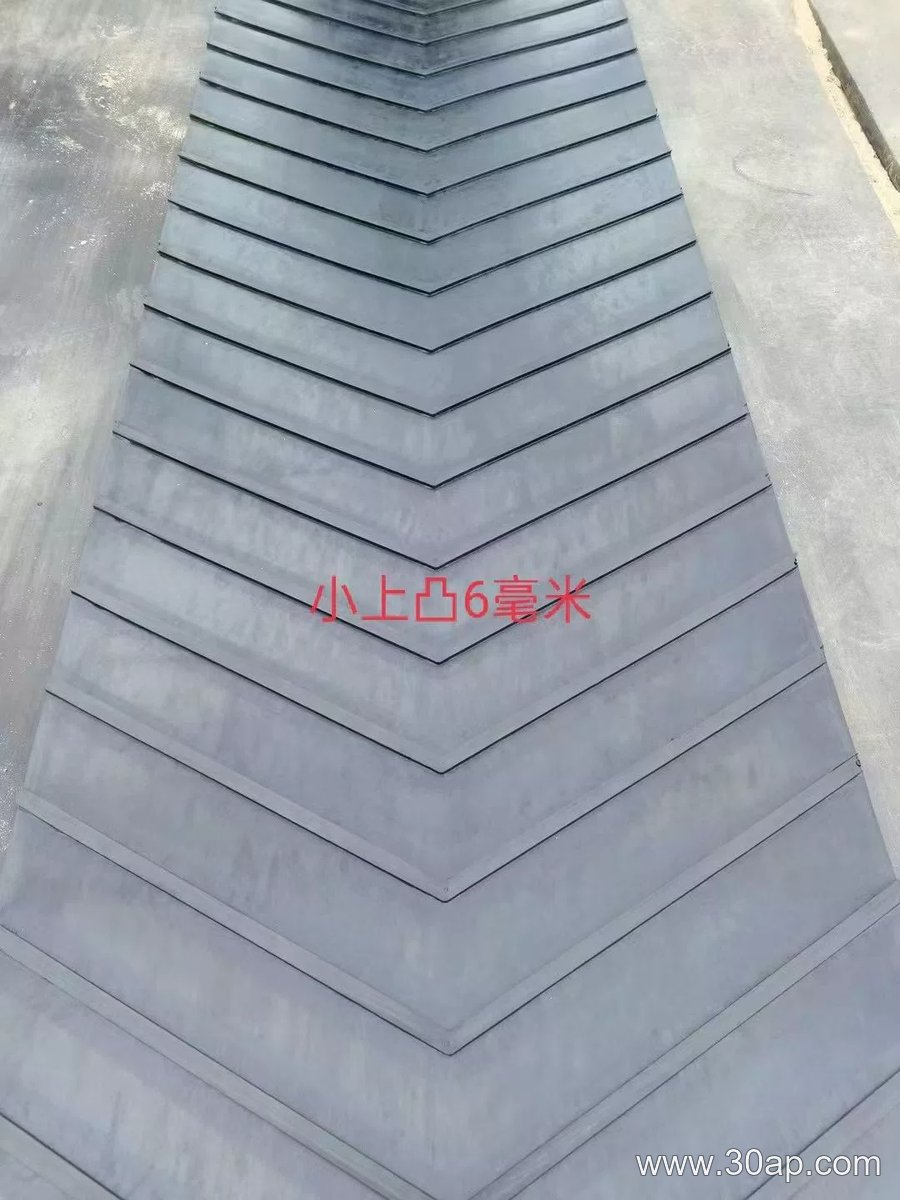
How the Belt Is Built
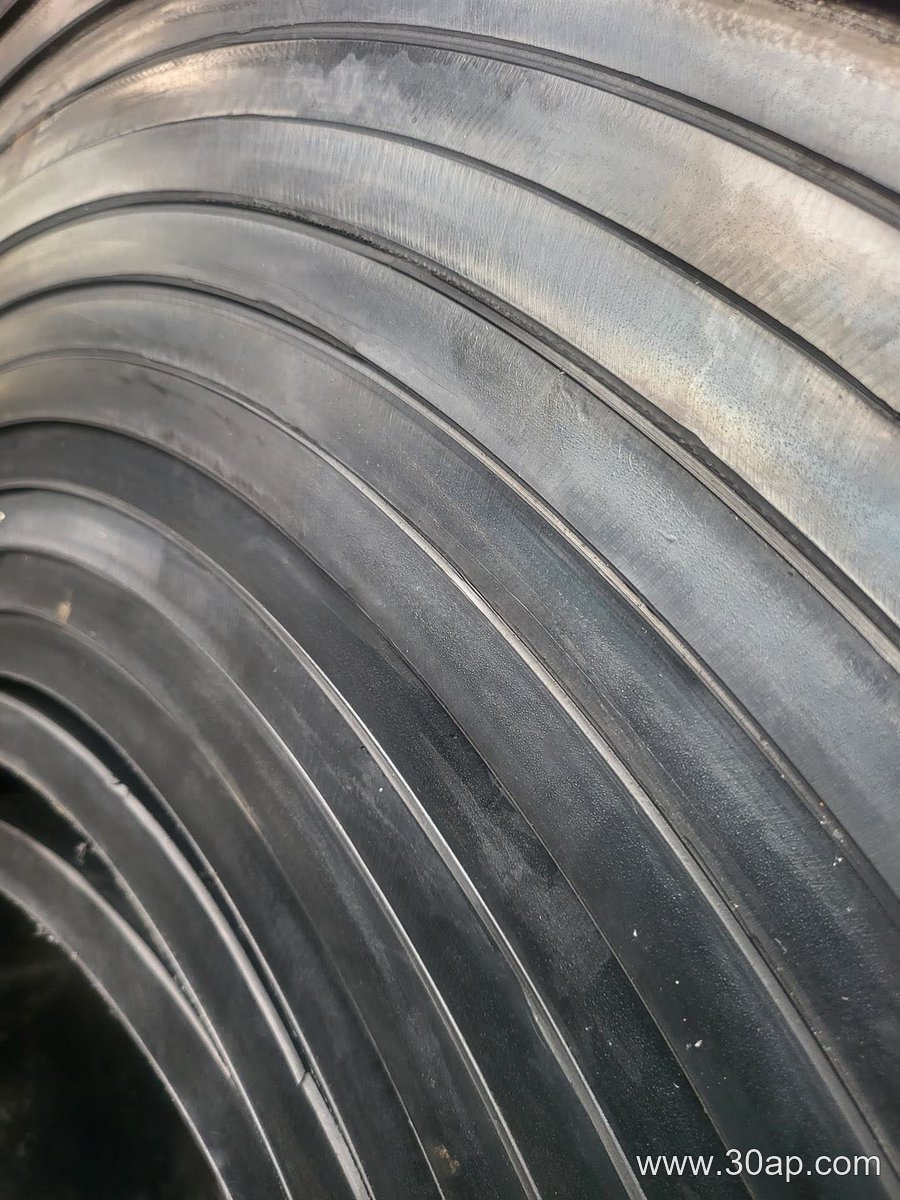
The carcass usually consists of 2 to 6 fabric plies, depending on the required strength and the pulley arrangement. Each ply is separated by a thin rubber layer called a skim coat, and the whole assembly is cured under heat and pressure. The top and bottom covers are then applied to suit the material being carried.
Common Carcass Types
- EP (polyester and nylon) fabric core, often selected for moderate stretch and good moisture resistance
- NN (nylon and nylon) fabric core, used where high impact and flex fatigue resistance are needed
- Other textile constructions may be offered for specific oil, heat or flame conditions
Cover Grades and Thickness
Cover rubber is chosen for the working environment. Wear resistant grades suit crushed stone and ore; heat resistant grades suit cement clinker and sinter; oil resistant grades suit certain industrial feeds; flame retardant and antistatic grades are common in coal mines. Typical cover thickness combinations include 3+1.5 mm, 4+2 mm, 5+2 mm, 6+2 mm and 8+3 mm. The first figure is the top cover, the second the bottom cover. Actual thickness should be confirmed against the conveyor design.
Typical Specifications
The table below shows reference values that appear in many project specifications. They are not universal, and a belt should always be selected from the manufacturer data sheet for the actual duty.
| Parameter | Common Range |
|---|---|
| Fabric type | EP, NN |
| Tensile strength | EP200, EP315, EP400, EP500, EP630, EP800, EP1000, EP1250, EP1600, EP2000 |
| Number of plies | 2 to 6 |
| Belt width | B500, B650, B800, B1000, B1200, B1400, B1600, B1800, B2000 |
| Cover thickness | 3+1.5 mm, 4+2 mm, 5+2 mm, 6+2 mm, 8+3 mm |
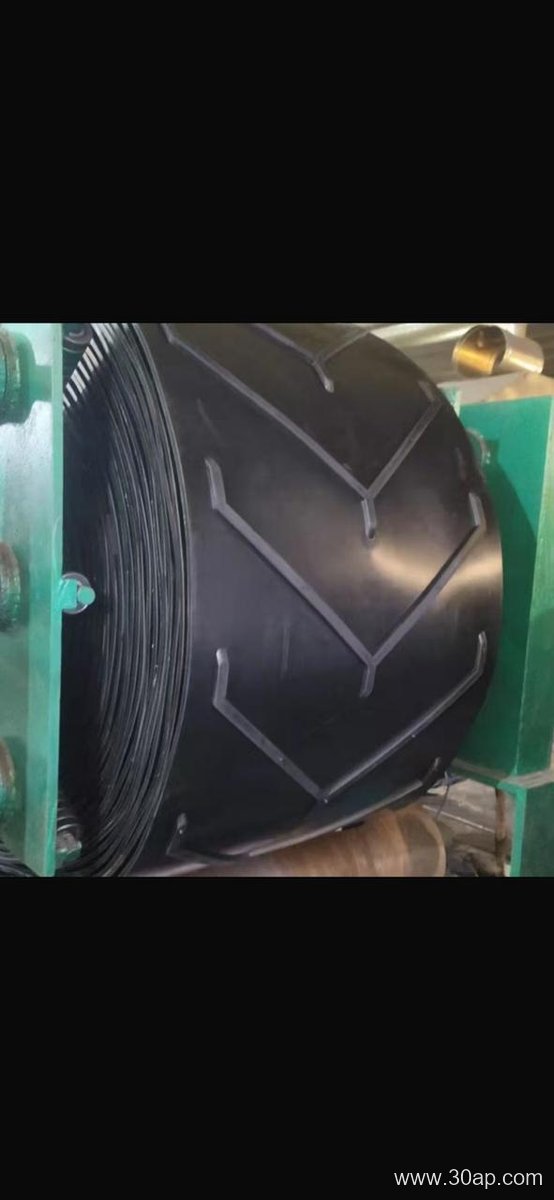
| Surface form | smooth, patterned, chevron, corrugated sidewall |
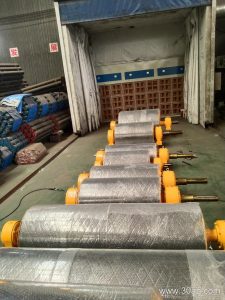
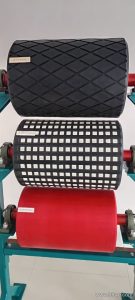
Strength class and ply count are linked but not identical. A higher strength class does not automatically mean more plies, and a wider belt does not force one specific pulley diameter. Drive pulley, tail pulley and bend pulley sizes are calculated from belt tension, wrap angle and shaft loads, not from belt width alone.
Where It Is Used
Multi-ply fabric core belts are found in primary and secondary crushing circuits, stockyard conveyors, coal handling systems, cement kilns and clinker coolers, and power plant fuel lines. In a sand and gravel plant, they often run on troughed idler rollers between the drive pulley and the tail pulley. In a mine, they may work alongside steel cord belts, but the two are different products. Steel cord belts use steel cables as the tension member, while a multi-ply fabric core belt uses woven textile plies. The choice depends on impact, splice preference, belt length and operating tension.
What a Buyer Should Check
- Material size, density, temperature and moisture content
- Required tensile strength and number of plies for the conveyor tension
- Cover grade and thickness for abrasion, heat, oil or flame resistance
- Belt width and edge condition, including whether a corrugated sidewall or chevron surface is needed
- Pulley diameters and the space available for a vulcanized or mechanical splice
- Compatibility with existing idler rollers, conveyor pulleys and conveyor brackets
Ask for the manufacturer data sheet, confirm the splice method, and keep spare belt and splice material on site. A multi-ply fabric core conveyor belt that matches the actual duty will give longer service than one selected only by width or price.