What a Conveyor Bracket Is and Why Procurement Deserves Attention
In a belt conveyor system, the conveyor bracket is the steel frame that holds the idler roller in position and keeps the conveyor belt in its intended profile. Buyers often focus on the belt or the pulley, yet the bracket determines whether the rollers sit at the correct trough angle, whether the belt tracks cleanly, and how quickly maintenance can be completed. Conveyor bracket procurement is therefore less about ordering steel and more about matching the support structure to the conveyor’s duty, belt width, and roller size.
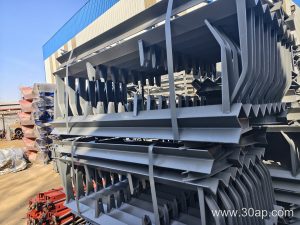
These frames are typically fabricated from angle steel, channel steel, or folded steel plate. A well-made bracket should have consistent hole spacing, square mounting faces, and a finish suited to the site environment. In a quarry, a coal preparation plant, or a cement plant, dust and moisture are constant, so buyers should confirm the surface treatment rather than assume it.
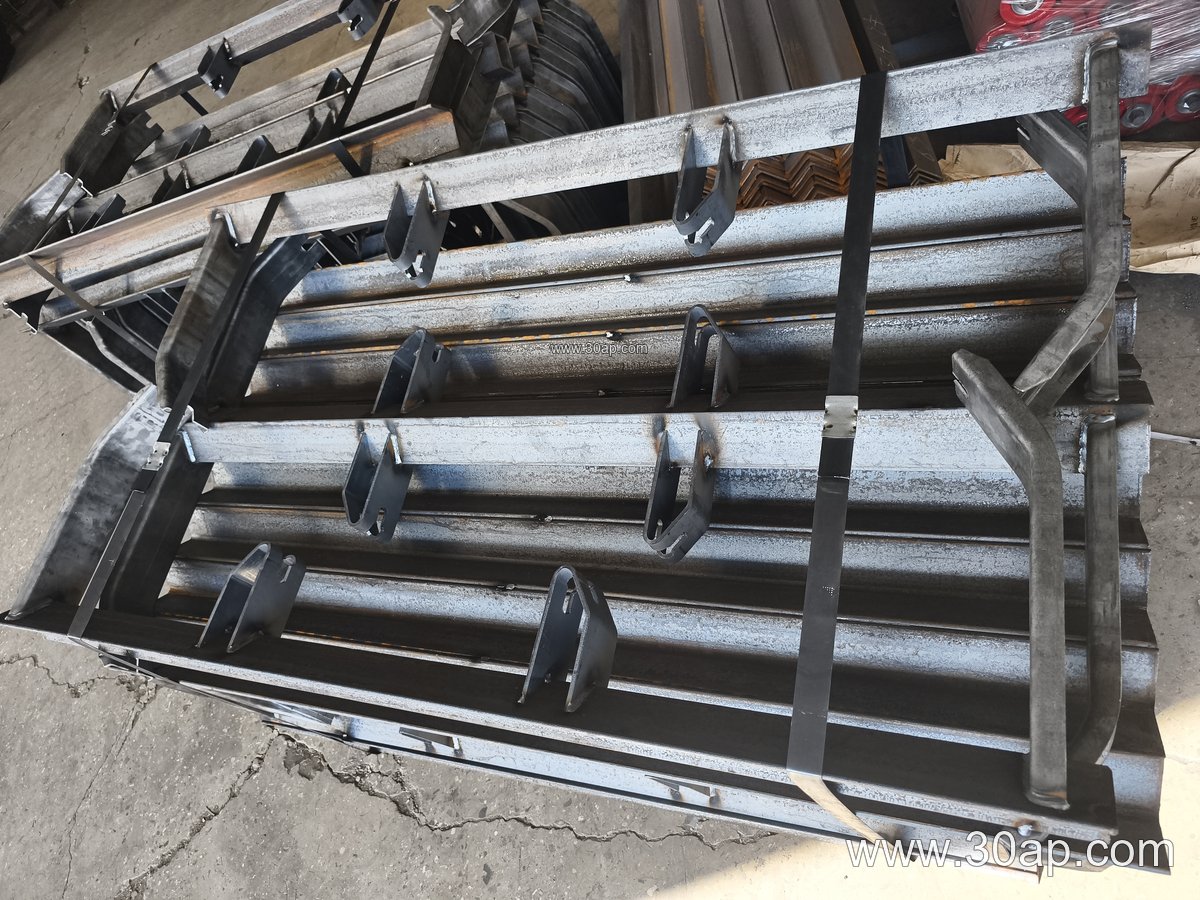
Common Bracket Types and Where They Sit
The carrying side and the return side use different frames, and mixing them up is one of the most common procurement errors.
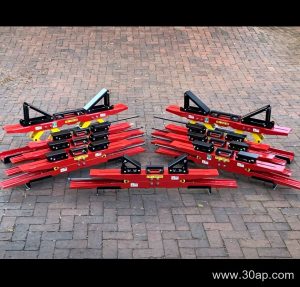
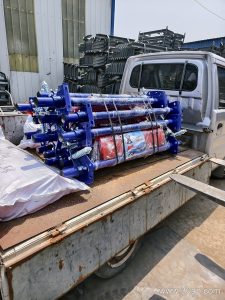
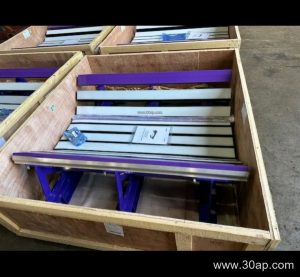
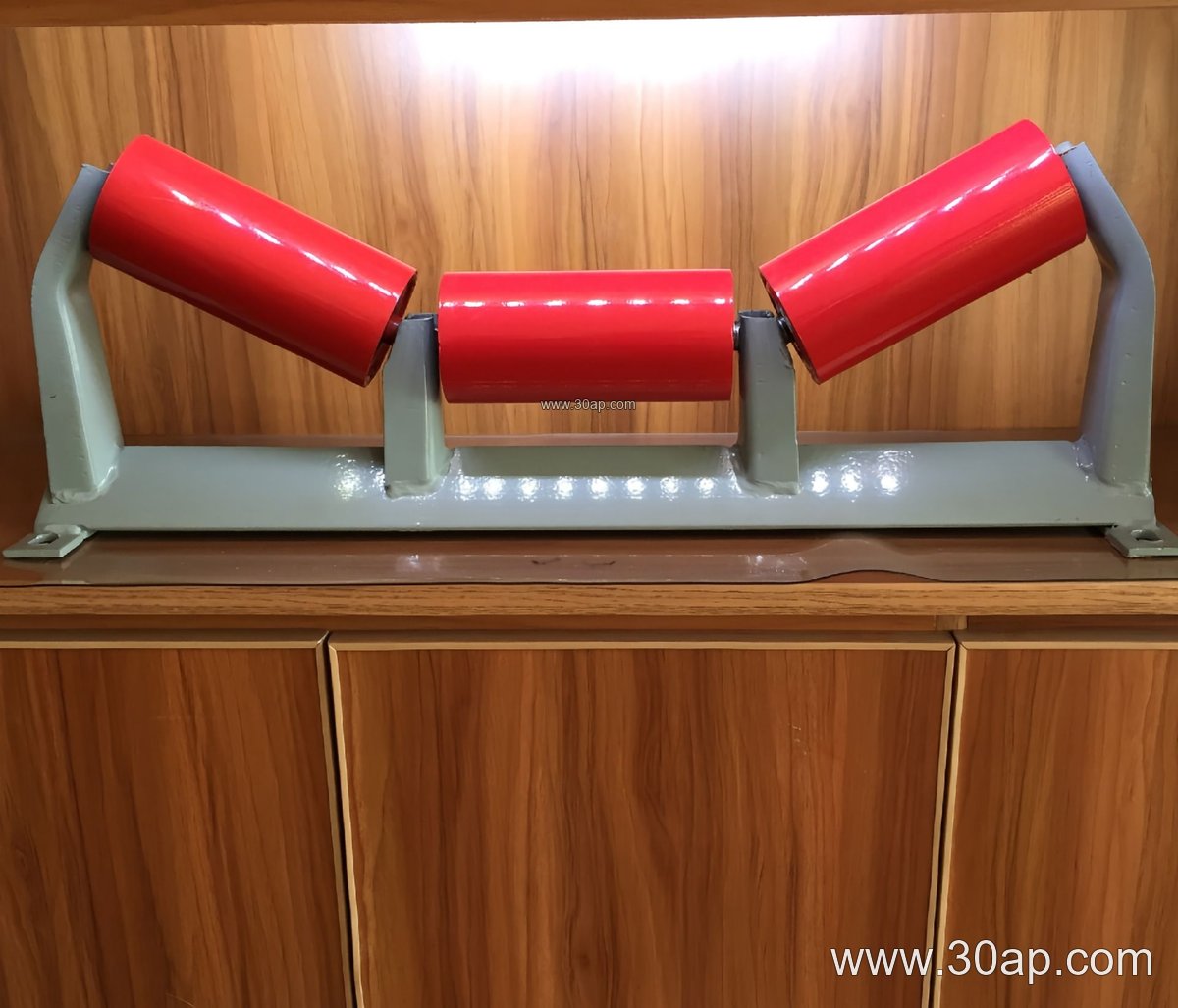
- Troughing bracket (upper trough frame): supports three or more idlers to form the belt trough on the carrying side.
- Transition bracket: used near the pulley to gradually change the belt from flat to troughed, reducing stress at the transition zone.
- Return bracket and V-return bracket: support the belt on the return run; the V form helps center the belt.
- Impact bracket: carries impact idlers under the loading point, common in crushing and screening circuits.
- Self-aligning bracket and forward-leaning bracket: assist belt tracking; forward lean is usually about 1.5 to 2 degrees.
- Adjustable bracket: allows the trough angle to be changed within a range, useful where operating conditions vary.
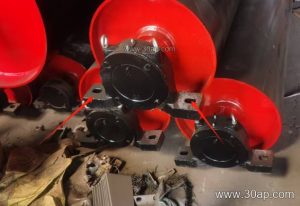
Note that a drive pulley, a tail pulley, and a bend pulley are distinct components with different roles; none of them substitutes for a bracket, and brackets are never interchangeable with pulleys.
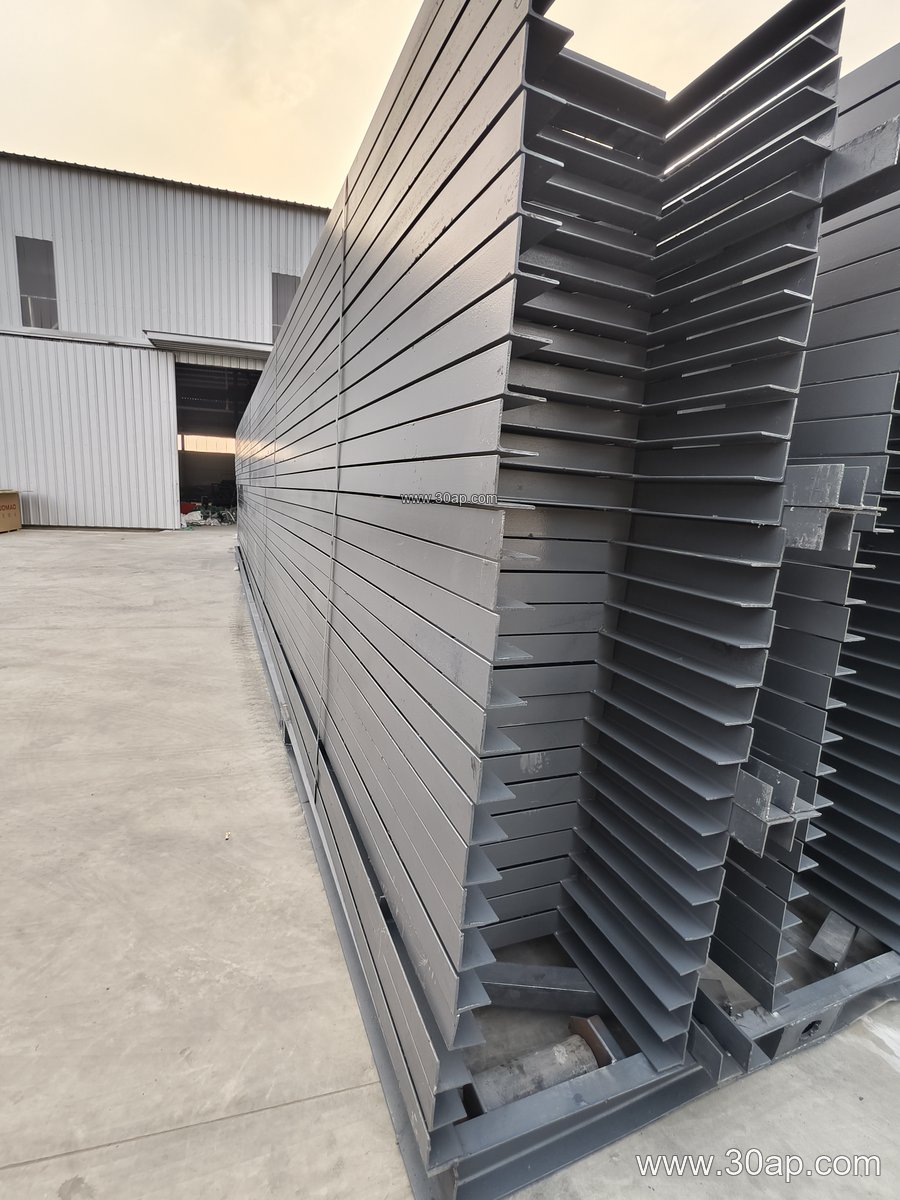
Matching Belt Width, Trough Angle, and Roller Diameter
Bracket selection starts with the belt width, then the required trough angle, then the roller diameter. These three values interact, but they are not locked into a single combination. A B800 belt may run at 30 or 35 degrees with Ø108 rollers depending on the design, while a B1200 conveyor in a power plant coal handling line might use 35 or 45 degrees with Ø133 rollers. The mounting hole spacing and crossbeam length change with belt width and trough angle, so they should be confirmed against the drawing rather than assumed.
| Parameter | Common Reference Values | Procurement Note |
|---|---|---|
| Belt width | B500, B650, B800, B1000, B1200, B1400, B1600, B1800, B2000, B2200 | Match to the existing conveyor, not to a catalogue default |
| Trough angle | 20°, 30°, 35°, 45° | Adjustable frames can move between these angles |
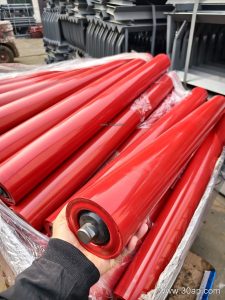
| Roller diameter | Ø89, Ø108, Ø133, Ø159, Ø194 | Confirm with the idler roller supplier |
| Material | Angle steel, channel steel, folded plate | Specify thickness and finish |
Do not assume that one belt width can only pair with one pulley diameter, or derive a shaft size from belt width alone. Those details come from the conveyor design.
What Buyers Should Confirm Before Ordering
Accurate conveyor bracket procurement depends on a clear data sheet. Before requesting quotations, gather the belt width, trough angle, roller diameter, mounting hole pattern, and the position of each frame along the conveyor. State whether the frame is fixed or adjustable, and whether it is for the carrying or return side.
Ask for dimensional drawings, material grade, and surface treatment. For a limestone mine or a tunnel spoil line, specify a coating or galvanizing appropriate to the dust and damp. For a steel plant sinter line, confirm heat tolerance with the roller supplier. Keep a small stock of the most frequently replaced brackets, since a failed frame can stop the belt even when the idler roller and conveyor belt are in good condition.
Finally, treat the bracket as part of a system: it works with the conveyor belt, the idler roller, and the conveyor pulley, and its quality shows up in belt life and downtime. A careful specification at the procurement stage is cheaper than repeated field adjustments later.