What a Conveyor Frame Does on a Belt System
A conveyor frame is the structural backbone that holds idler rollers, pulleys, and the conveyor belt in the correct alignment. It carries the load of the belt and material, transfers forces to the ground or supporting structure, and keeps every rotating component in position. In a coal mine, a cement plant, or a sand and gravel line, the frame is often the first thing to check when tracking problems appear.
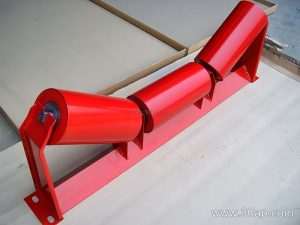
Unlike a single conveyor pulley or a driven roller, the frame is a complete assembly. It may include longitudinal beams, cross members, mounting plates, and adjustable brackets for troughing idlers or return rollers. The design must match the belt width, the trough angle, and the roller diameter so that the belt sits properly and the load is distributed evenly.
How a Conveyor Frame Is Built
Most frames are fabricated from angle steel, channel steel, or folded steel plate. The choice depends on the duty, span, and environment. For a quarry or a crushing and screening plant, heavier channel sections are common where impact and vibration are high. In a power plant coal handling system or a fertilizer warehouse, lighter folded plate frames may be sufficient.
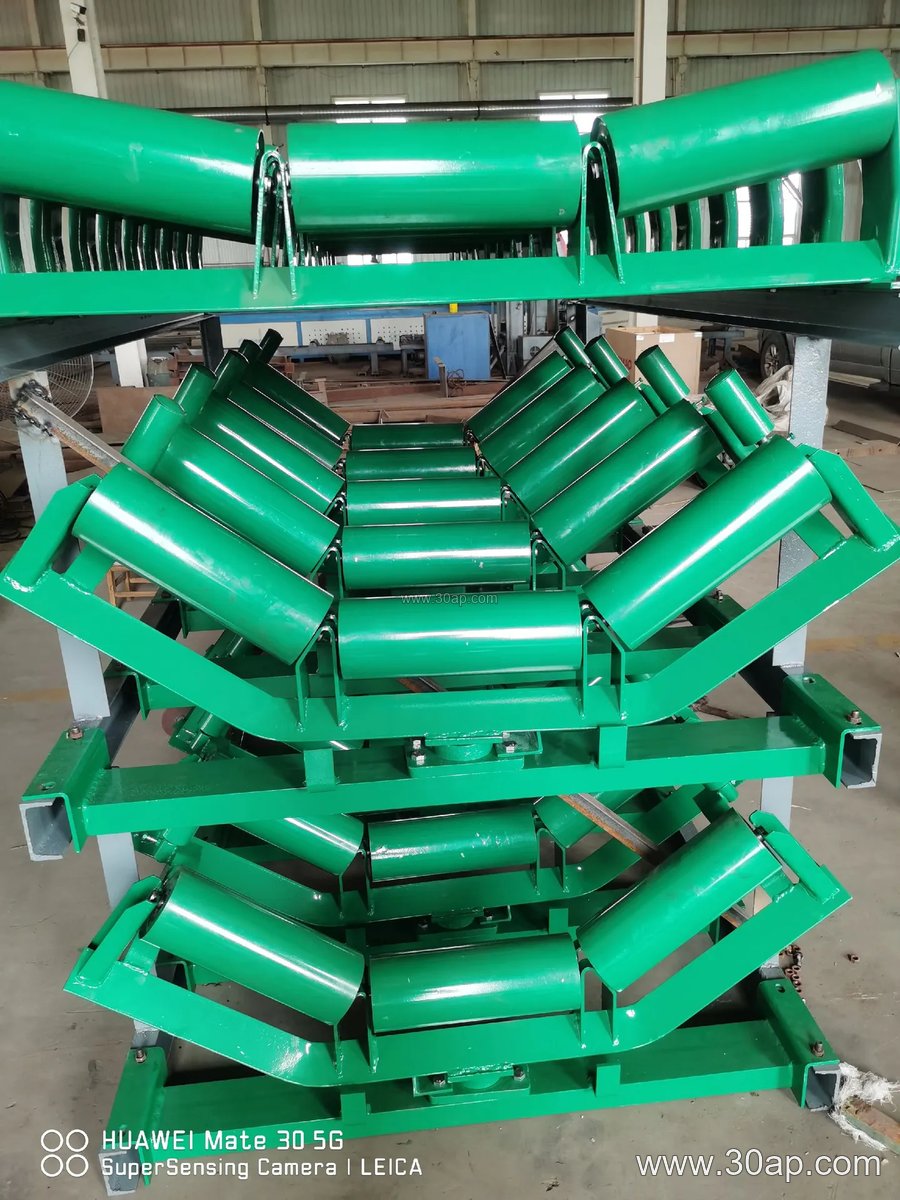
The frame is not a single interchangeable part with a drive pulley or a tail pulley. Those pulleys serve different functions: the drive pulley transmits power, the tail pulley changes the belt direction, and a bend pulley redirects the belt path. The frame supports them all, but it is not a replacement for any of them.
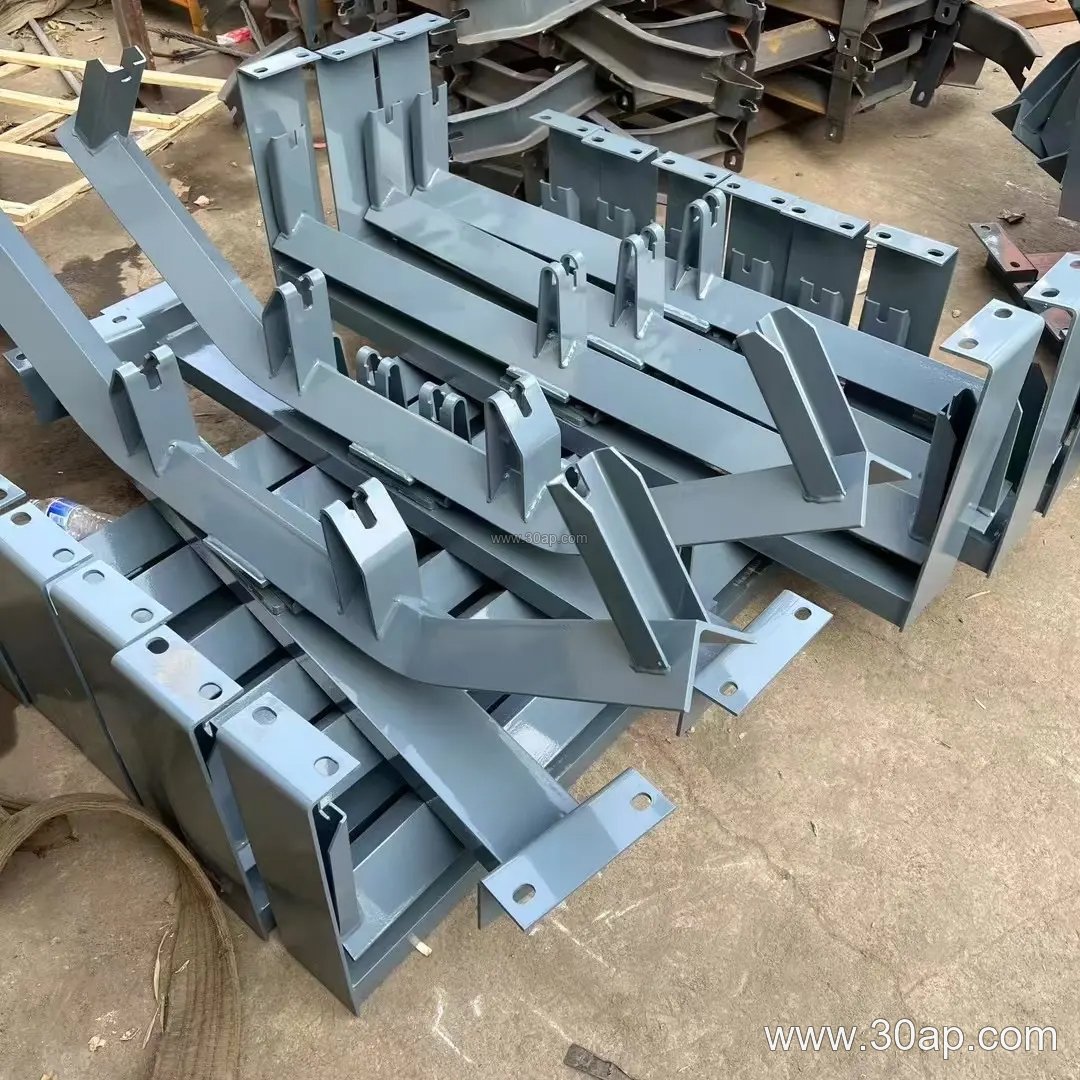
Common Frame Types
- Troughing idler frame – supports the carrying side of the belt with two or three rollers.
- Return frame – holds flat or V-shaped return idlers under the belt.
- Impact frame – reinforced for loading points in mining and aggregate operations.
- Self-aligning frame – allows small lateral movement to correct belt tracking.
- Adjustable frame – permits changes in trough angle or roller position.
- Hanging frame – suspended from a structure, often used in confined spaces.
Matching Frame to Belt Width and Roller Diameter
There is no single rule that one belt width must use one roller diameter. Common combinations include B800 with Ø108 rollers at 35 degrees, or B1200 with Ø133 rollers at 45 degrees. A smaller system such as B650 may use Ø89 rollers with a 30-degree trough. The frame mounting hole spacing and beam length change with belt width, trough angle, and roller diameter; these are not fixed numbers.
| Belt width | Typical trough angle | Common roller diameter |
|---|---|---|
| B500 | 20–30 degrees | Ø89 |
| B650 | 30 degrees | Ø89 |
| B800 | 35 degrees | Ø108 |
| B1000 | 35–45 degrees | Ø108–Ø133 |
| B1200 | 45 degrees | Ø133 |
| B1400 | 35–45 degrees | Ø133–Ø159 |
| B1600 | 35–45 degrees | Ø159 |
| B1800 | 35–45 degrees | Ø159–Ø194 |
| B2000 | 35–45 degrees | Ø194 |
| B2200 | 35–45 degrees | Ø194 |
These values are for reference only. Actual selection depends on belt tension, material density, loading conditions, and the design of the whole conveyor.
Where Conveyor Frames Are Used
In a limestone mine or an iron ore beneficiation plant, frames must resist dust, moisture, and heavy impact. In a coal preparation plant or a tunnel boring operation, space may be tight, so hanging or compact frames are preferred. A port bulk terminal or a steel sintering line often uses long overland conveyors where frame alignment is critical for belt life.
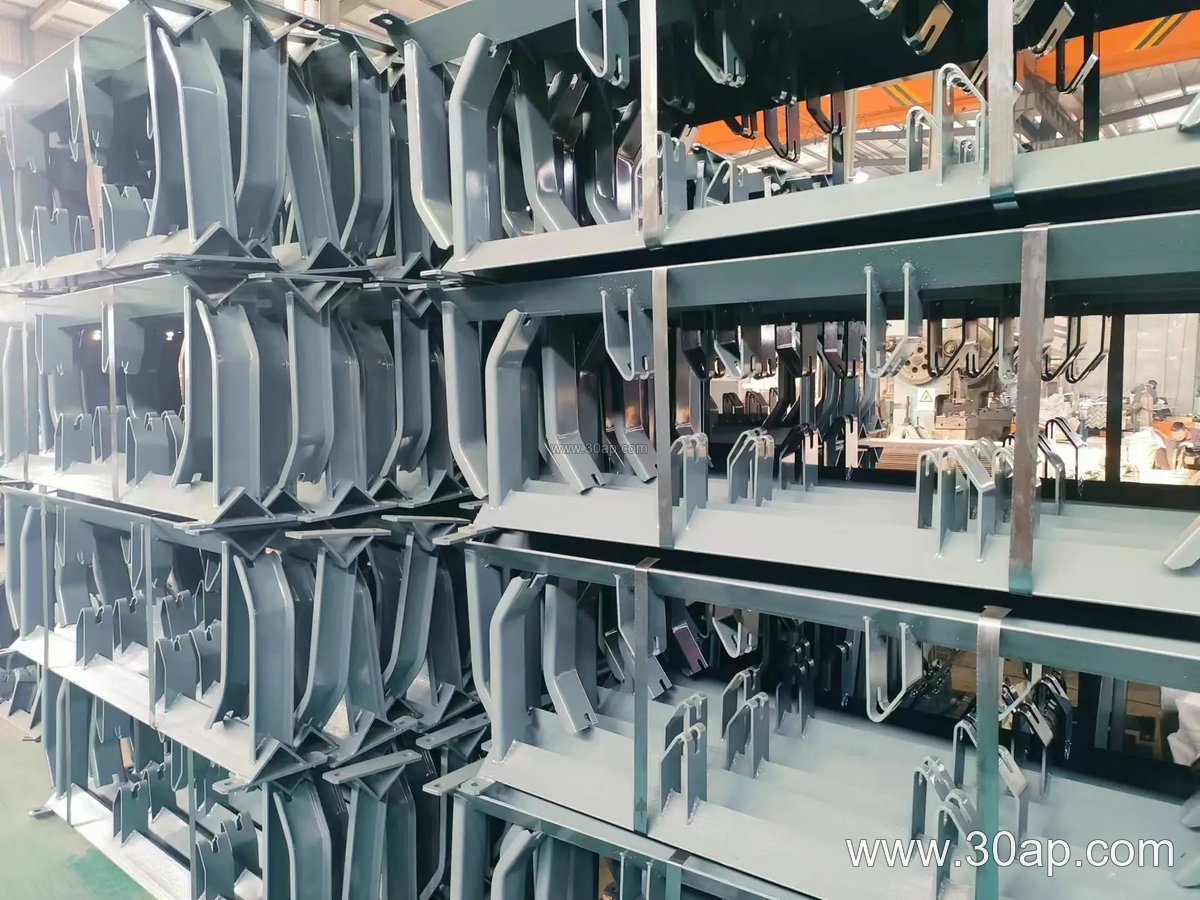
Other equipment works together with the frame: the conveyor belt sits on idler rollers, the conveyor pulley drives or redirects it, and conveyor brackets connect the frame to the support structure. Each part has its own role, and the frame ties them together.
What Buyers Should Check
Before ordering a conveyor frame, confirm the belt width, trough angle, roller diameter, and mounting dimensions. Ask whether the frame is fixed or adjustable, and whether it is designed for carrying, return, or impact service. Check the material thickness and surface treatment for the intended environment. A frame that is too light for a primary crusher discharge may fail early; one that is too heavy for a small package handling line adds unnecessary cost.
Also consider maintenance access. A frame that allows quick roller replacement reduces downtime in a busy sand and gravel plant or a cement kiln feed line. Alignment tolerances matter: a twisted frame causes belt mistracking, edge damage, and premature wear on the conveyor belt and idlers.