What a Spiral Idler Does on a Conveyor
A spiral idler is a return-side roller wrapped with a helical steel strip instead of a plain smooth tube. As the conveyor belt runs over it, the spiral geometry continuously scrapes and guides the belt, helping to shed sticky material that would otherwise build up on a standard flat return roller. In aggregates plants and cement works, where fines and moisture combine into a stubborn layer, this self-cleaning action is the main reason engineers specify a spiral idler rather than a plain parallel return roller.
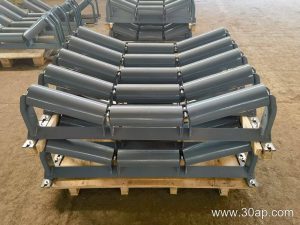
The spiral idler is one member of the wider idler roller family. It is not a substitute for a troughing idler on the carrying side, nor does it replace a bend pulley or tail pulley at the ends of the conveyor. Its job is specific: support the empty belt on the return strand while keeping the belt surface as clean as practical.
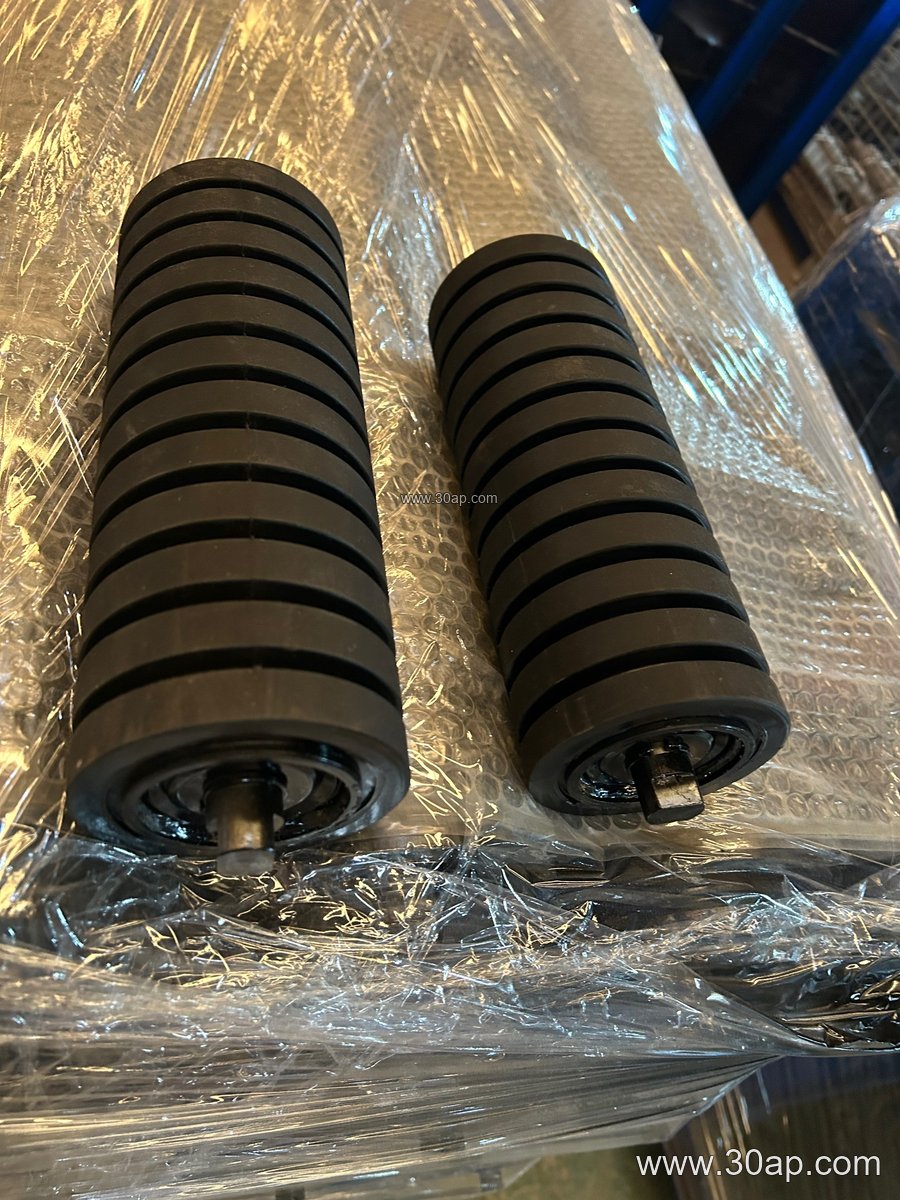
How the Spiral Idler Is Built
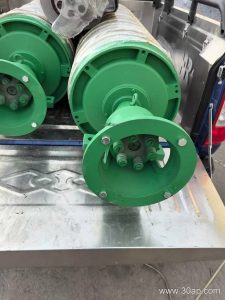
The core is a steel tube fitted with bearing housings at each end, sealed against dust and water. Around the tube, a continuous helical fin is welded in place. The fin height and pitch are chosen so the spiral contacts the belt evenly without cutting into the cover. Common roller diameters for this style follow the general idler range, such as Ø89, Ø108, Ø127, Ø133 and Ø159 mm, with bearing sizes like 6204, 6205, 6305, 6306 or 6308 matched to the load and shaft design rather than to belt width alone.
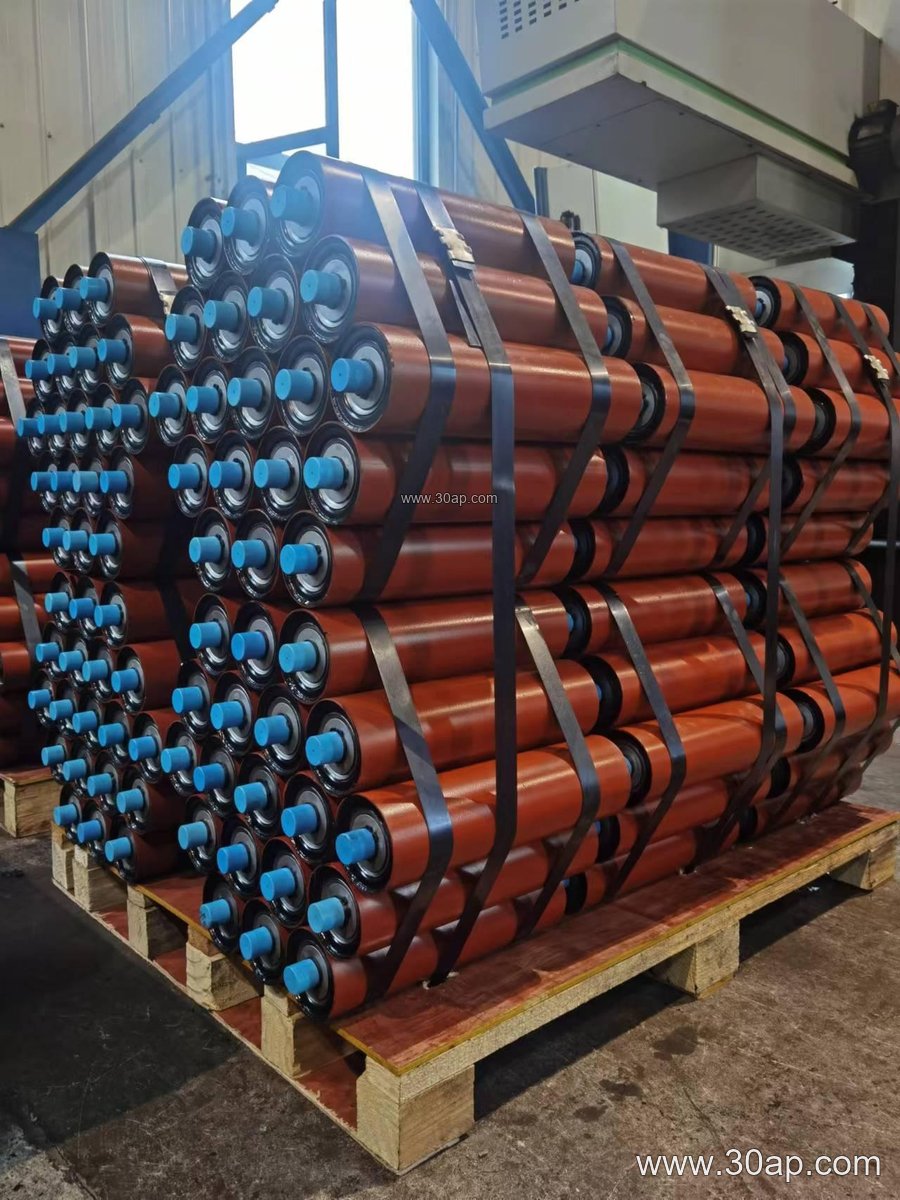
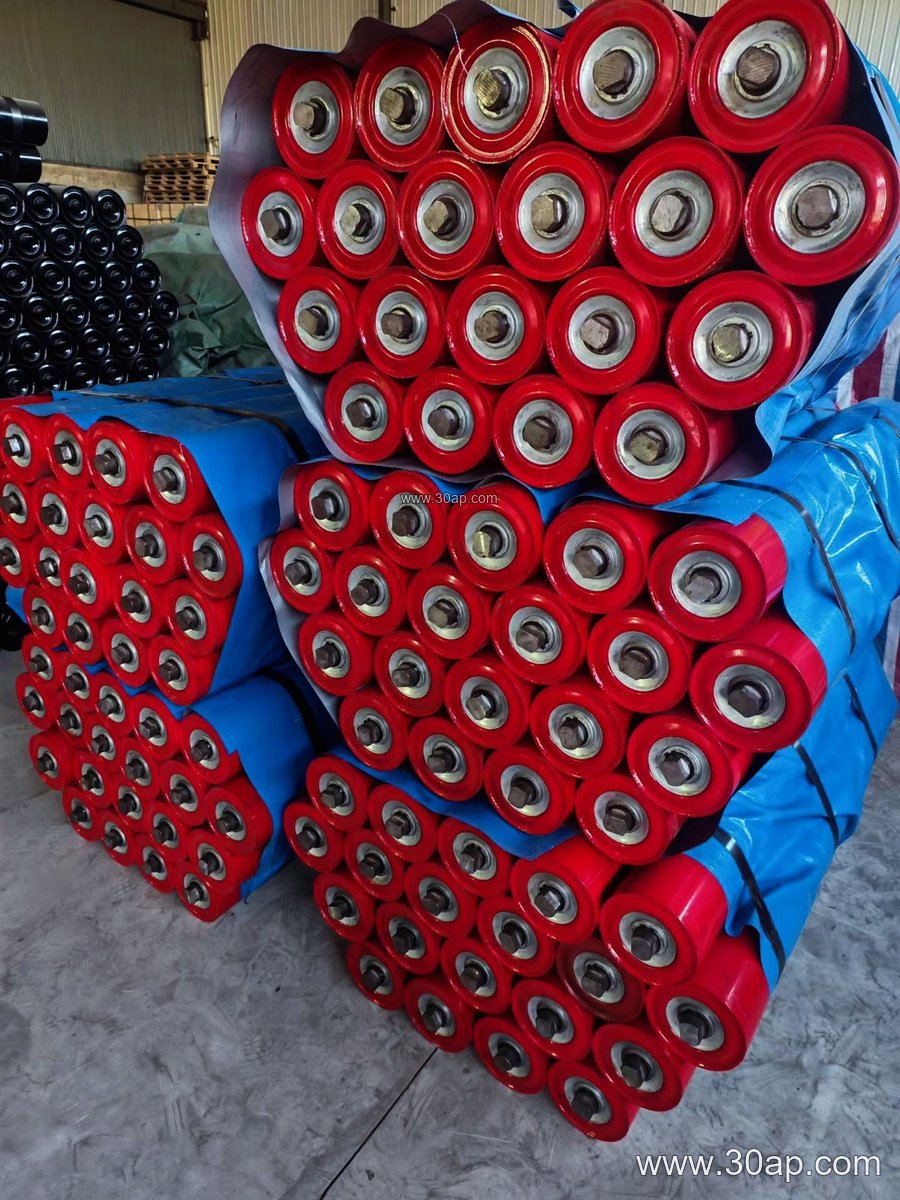
Surface options vary. A bare steel spiral suits dry, granular material. Rubber-covered or polyurethane variants reduce wear on the belt cover in abrasive service. Shaft ends are usually flattened or fitted with a standard bracket interface so the roller drops into an existing conveyor bracket without modification.
Typical Reference Dimensions
The table below shows common examples only. Actual roller length depends on belt width, trough angle and frame design, and side rollers in a troughing set will differ from the return roller length.
| Belt width | Common roller length (example) | Typical roller diameter range |
|---|---|---|
| B500 | 200 mm | Ø63 to Ø89 mm |
| B650 | 250 mm | Ø76 to Ø108 mm |
| B800 | 315 mm | Ø89 to Ø127 mm |
| B1000 | 380 mm | Ø108 to Ø133 mm |
| B1200 | 465 mm | Ø108 to Ø159 mm |
| B1400 | 530 mm | Ø127 to Ø159 mm |
| B1600 | 600 mm | Ø133 to Ø178 mm |
| B1800 | 670 mm | Ø133 to Ø194 mm |
| B2000 | 750 mm | Ø159 to Ø219 mm |
These figures are reference data, not fixed pairings. A B1000 belt, for instance, may run a Ø108 or Ø133 spiral idler depending on load and frame height.
Where the Spiral Idler Fits Best
The strongest case for a spiral idler appears in sand and gravel lines, limestone quarries and coal preparation plants, where the return belt carries a film of damp fines. A smooth return roller lets that film pack into a hard crust that misaligns the belt and wears the pulley lagging. The helical fin breaks the crust and throws material clear before it reaches the tail pulley.
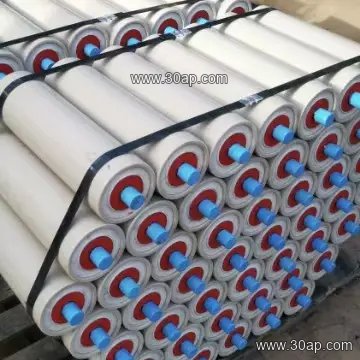
In coal-fired power station coal handling and in fertilizer or grain conveying, the spiral idler also limits wrap build-up on the return strand. It is less useful on the carrying side, where a troughing idler set with three rolls and a 20 to 45 degree trough angle is the correct choice. Likewise, a V-shaped return idler or a flat parallel return roller remains appropriate where the belt is clean and the priority is simply low rolling resistance.
Buyer Checklist for Spiral Idlers
- Match the diameter to the load. Roller diameter and bearing size should follow the belt tension and material weight, not just the belt width.
- Confirm the shaft and bracket interface. Check that the shaft ends fit the existing conveyor bracket; a mismatched flat or thread pattern means downtime.
- Check the spiral pitch. A finer pitch cleans better on sticky material but adds drag; a coarser pitch suits dry, free-flowing loads.
- Review sealing. Dust and water ingress is the main cause of idler failure in quarries and cement plants, so specify a sealed bearing housing.
- Consider belt cover wear. In abrasive service, a rubber or polymer spiral surface protects the conveyor belt better than bare steel.
- Do not force one size across the plant. A single roller size is not mandatory for every conveyor; match each return strand to its duty.
Used alongside correctly sized conveyor pulleys at the drive and tail positions, and with well-aligned troughing idlers on the carrying side, a spiral idler helps keep the whole conveyor line running cleaner and straighter in demanding bulk handling environments.