What a Cement Conveyor Belt Is
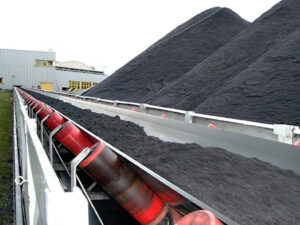
A cement conveyor belt is the load-carrying component of a belt conveyor system used to move clinker, limestone, gypsum, slag, coal, and finished cement through a plant. It is a rubber-covered, fabric- or steel-reinforced endless belt that runs over a head pulley, tail pulley, bend pulleys, and idler rollers. In cement plants, mines, coal preparation plants, power stations, and sand and gravel yards, this belt is often the most heavily loaded part of the material handling line, so its construction and grade matter more than its price per meter.
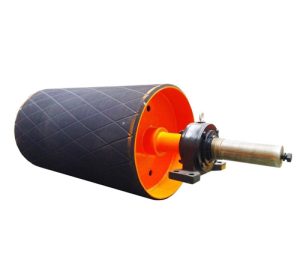
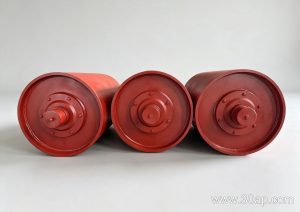
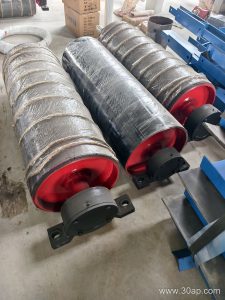
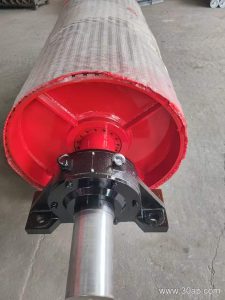
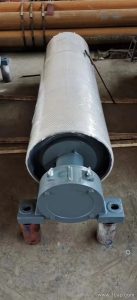
People sometimes call the same product a rubber conveyor belt for cement, or a clinker belt. These are accurate equivalent names for the same item, not different products. Names for pulleys are not interchangeable: a drive pulley, a tail pulley, and a bend pulley each do a different job, and none of them replaces the belt itself.
How It Is Built
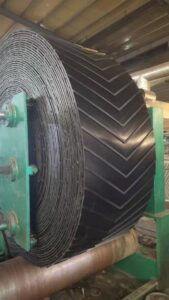
The belt is a composite. A carcass carries the tension, and rubber covers protect it from abrasion, heat, and chemicals. Common carcass options include EP (polyester-cotton) fabric, NN nylon fabric, and steel cord. Cover compound is chosen for the duty: abrasion-resistant, heat-resistant, oil-resistant, flame-retardant, antistatic, cold-resistant, acid and alkali resistant, or patterned with chevron and cleated profiles for inclined sections.
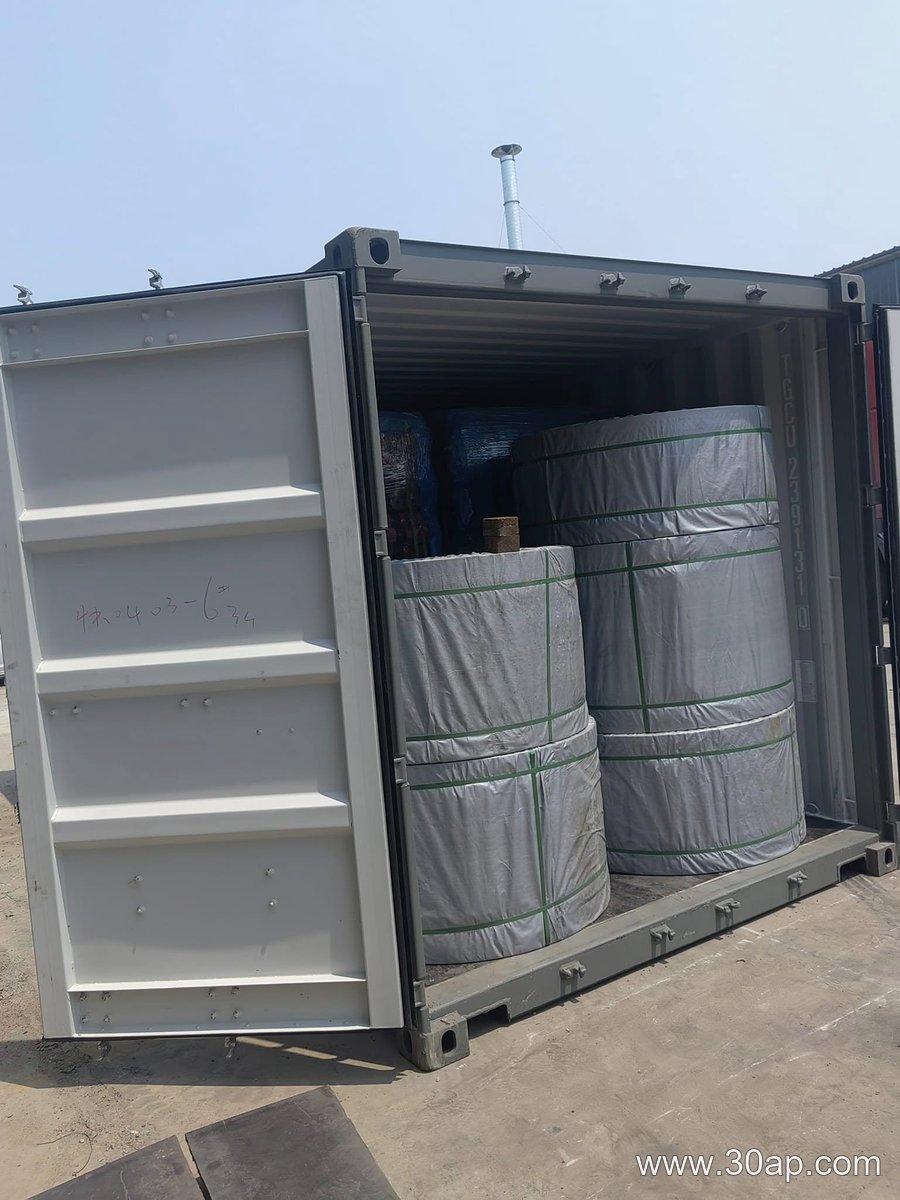
Typical reference data, to be confirmed against a specific design, include:
- Fabric types: EP conveyor belt, NN nylon conveyor belt, steel cord conveyor belt
- Surface grades: PVC, PVG, wear-resistant, heat-resistant, oil-resistant, flame-retardant, antistatic, cold-resistant, acid and alkali resistant, chevron, cleated, corrugated sidewall
- Full-tension grades: EP200, EP315, EP400, EP500, EP630, EP800, EP1000, EP1250, EP1600, EP2000
- Belt widths: B500, B650, B800, B1000, B1200, B1400, B1600, B1800, B2000
- Cover thickness: 3+1.5, 4+2, 5+2, 6+2, 8+3 mm
- Carcass plies: commonly 2 to 6 layers
The top cover faces the material; the bottom cover runs against the idler rollers. Edge construction and skim coats between plies help resist impact at the loading point and fatigue as the belt passes over pulleys.
Where It Works in a Cement Line
From the quarry crusher to the clinker cooler and the packing plant, the cement conveyor belt links each stage. It handles crushed limestone, shale, clay, iron ore, coal, clinker, gypsum, and additives. Conditions vary widely: hot clinker discharge, dusty loading points, wet and sticky material, steep inclines, and long overland runs. A clinker belt may need heat resistance, while a coal yard belt may need flame retardancy and antistatic properties. A sand and gravel yard often prioritizes abrasion resistance and impact strength.
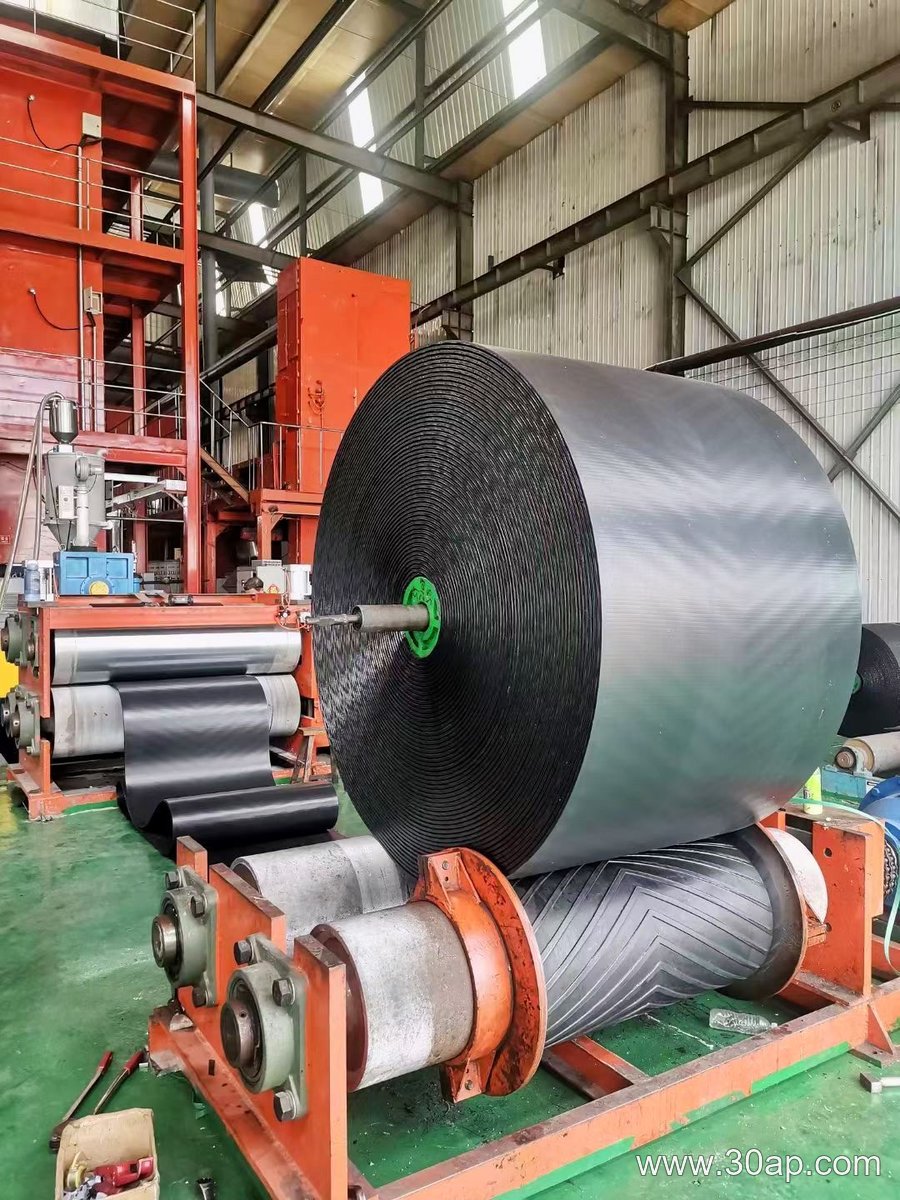
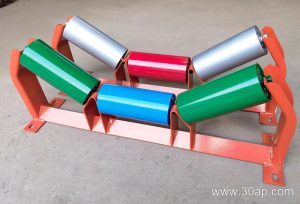
The belt does not work alone. It depends on the conveyor pulley at the head and tail, the idler roller spacing along the carrying and return sides, and the conveyor bracket that holds those rollers in alignment. Poor alignment of any of these shortens belt life faster than the belt grade itself.
Specification Guide
| Item | Common Options | Notes |
|---|---|---|
| Fabric type | EP, NN, steel cord | Steel cord for long, high-tension runs |
| Full-tension grade | EP200 to EP2000 | Higher grade for heavier duty |
| Belt width | B500 to B2000 | Selected by tonnage and lump size |
| Cover thickness | 3+1.5 to 8+3 mm | Thicker top cover for abrasive clinker |
| Ply count | 2 to 6 | Balanced with the tension rating |
These values are reference ranges, not fixed pairings. One belt width can be used with more than one pulley diameter, and shaft size is set by the pulley and drive design, not by the belt width alone.
What a Buyer Should Check
- Material to be carried, lump size, temperature, and moisture
- Belt speed, capacity in tons per hour, and incline angle
- Maximum tension and the required full-tension grade
- Cover grade for abrasion, heat, oil, or fire risk
- Pulley diameters, idler roller spacing, and trough angle
- Splice type: vulcanized or mechanical, matched to the application
- Storage and handling to avoid edge damage before installation
Training the belt, keeping the conveyor bracket and idler roller set square, and avoiding overload at the transfer point all extend service life. For steep sections, a chevron belt or a corrugated sidewall belt is used instead of a flat belt, since those patterns hold material on the incline.