Why Water Pools Around a Conveyor Bracket Outdoors
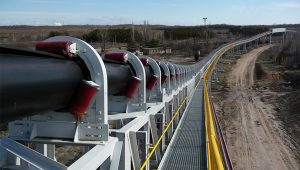
On a wet outdoor conveyor, a conveyor bracket often traps washdown water and rain in its mounting pockets. Standing moisture then corrodes bolt threads and the idler seat.
How a Drainage-Focused Conveyor Bracket Solves It
A conveyor bracket with sloped top faces, open gusset corners, and slotted base plates lets water escape instead of pooling. The bracket still carries the idler load, but its geometry stops the corrosion cycle.
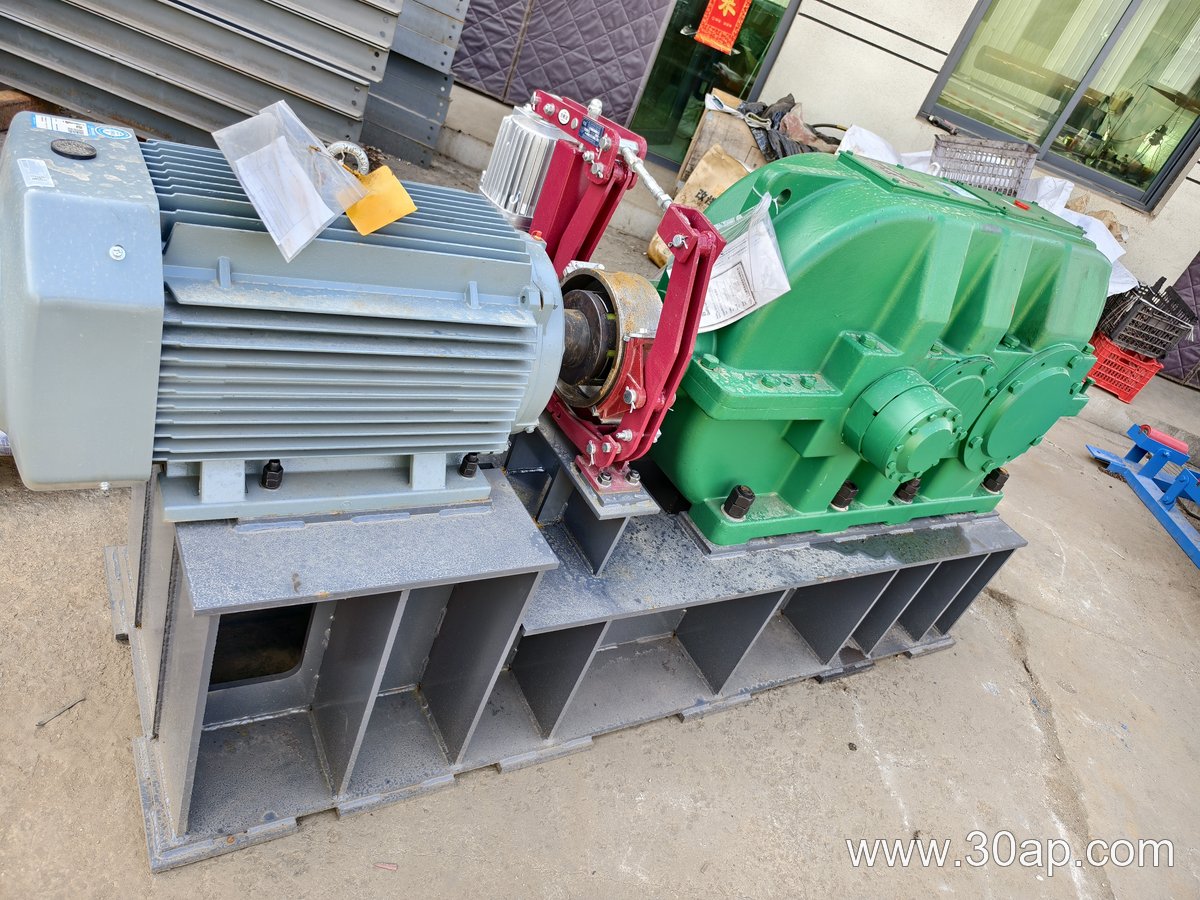
- Sloped surfaces shed water.
- Open corners prevent crevice traps.
- Slotted holes aid drainage and alignment.
In a hypothetical wet outdoor conveyor, specifying this conveyor bracket reduces long-term maintenance without changing belt capacity.
Match the conveyor belt to the hottest and heaviest condition it must survive
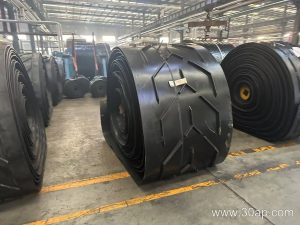
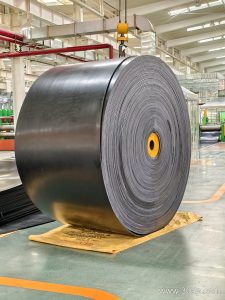
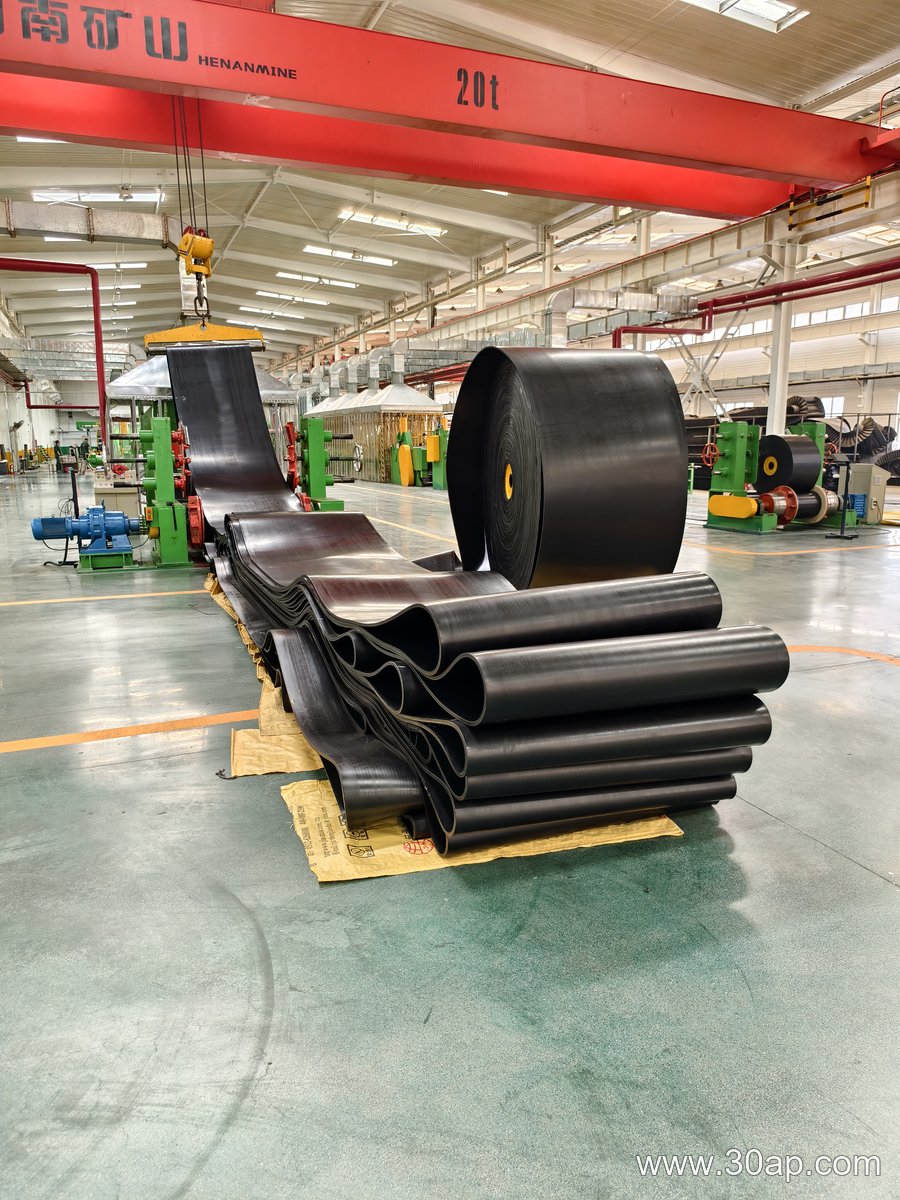
In a general manufacturing line, a conveyor belt rarely fails on average conditions. It fails on the worst ten minutes: a surge of hot material, a stalled drive, or a wet weekend start-up. So the practical decision path starts with the extreme, not the normal.
Four checks, in order
- Material: sharp, oily or sticky loads change the cover compound and surface pattern before anything else.
- Speed: higher belt speed shortens loading time and raises impact and wear rates.
- Temperature: hot clinker or castings can harden and crack a standard cover, so specify a heat-resistant grade rather than a thicker standard belt.
- Operating conditions: washdown, dust, incline and start-stop duty set the carcass and splice choice.
A thicker cover helps abrasion but adds little against heat. Conversely, a heat-resistant compound may wear faster under sharp aggregate. Treat these as trade-offs, then confirm the carcass can carry the tension the drive actually demands.
FAQ
Can one conveyor belt cover every line in a plant? No. A belt chosen for ambient packed goods will age quickly on a hot clinker discharge.
Is a higher cover grade always better? Not if it sacrifices flexibility or splice strength for a duty that never needs it.
Which idler roller design handles clinker heat and cement dust?
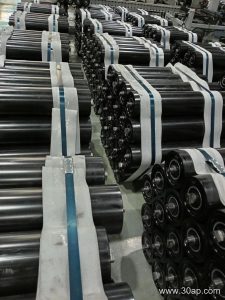
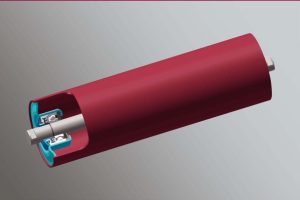
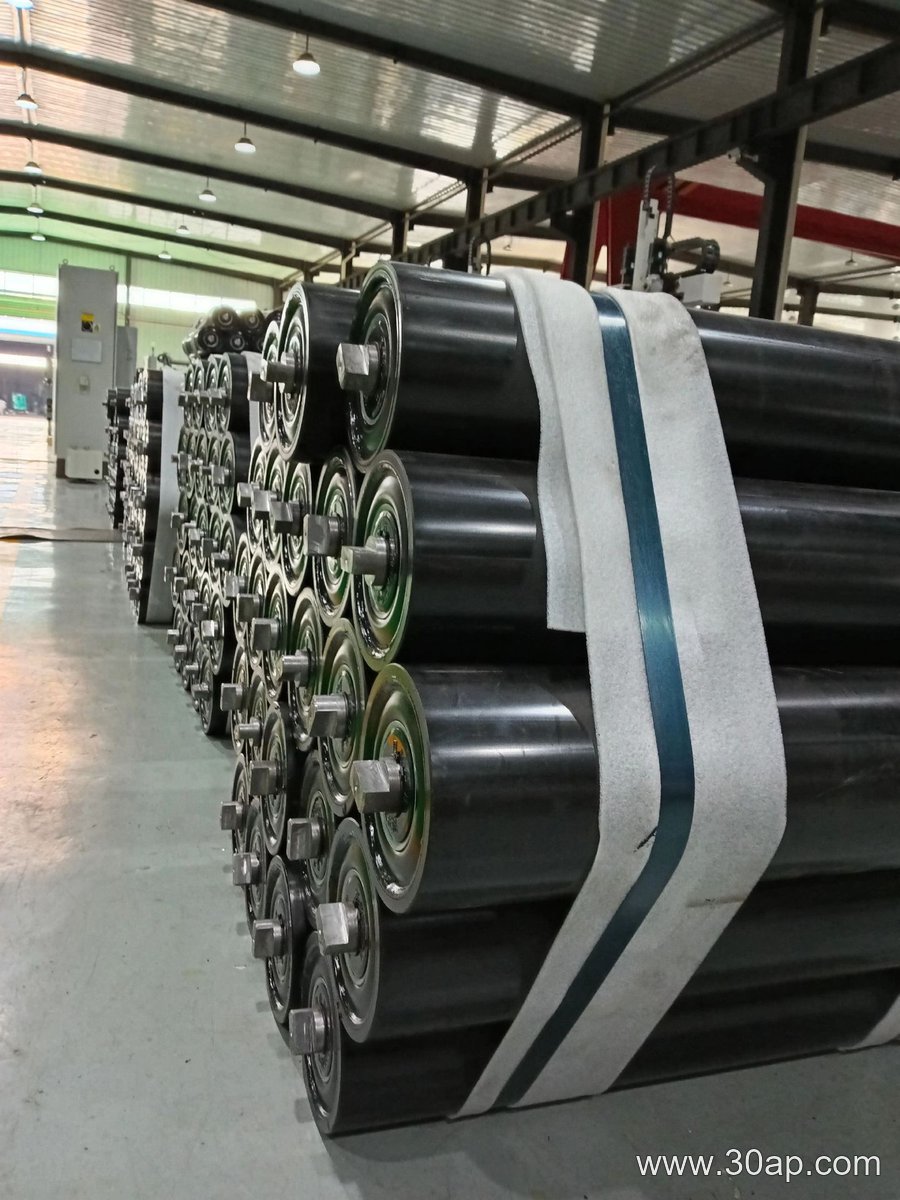
In a cement plant clinker gallery, an idler roller must resist both abrasive dust and radiant heat from hot clinker. The practical answer is a sealed, heat-resistant roller with a labyrinth seal and high-temperature grease.
Why standard rollers fail here
Standard idler rollers use contact seals that dry out and allow cement dust to enter bearings. Heat accelerates grease degradation, causing seizure.
What construction works
- Labyrinth or double-lip seals to block fine dust.
- High-temperature lithium complex grease rated for the actual clinker temperature.
- Thick-walled steel shell to resist abrasion and thermal distortion.
Always verify the roller’s temperature rating against measured gallery conditions, not assumed values.
Why a Quarry Conveyor Pulley Keeps Fouling Its Lagging and How to Stop It
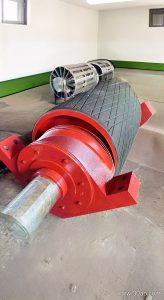
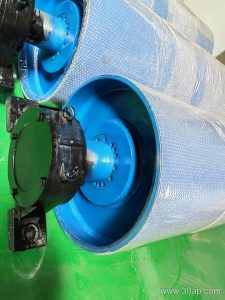
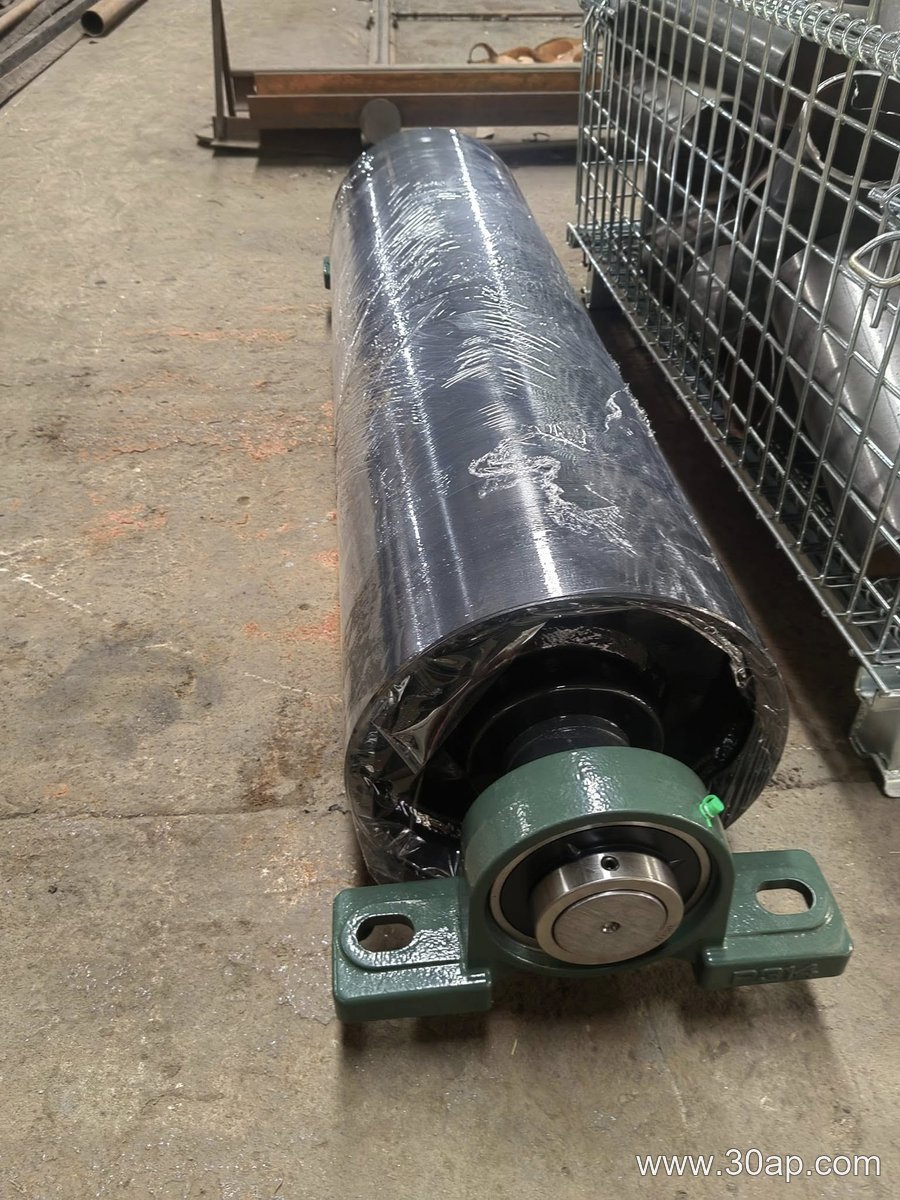
A dusty quarry conveyor pulley often fails not from wear but from lagging fouling. The trade-off is simple: smooth lagging sheds dust poorly, while aggressive grooves pack fines into valleys. This troubleshooting sequence targets that single problem.
Check scraper contact and belt cleaning first
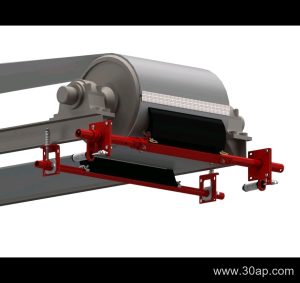
Fouling usually starts before the pulley. Verify primary and secondary scrapers touch evenly; a gap lets a dust film reach the pulley face, where it compacts under wrap pressure.
Inspect lagging groove geometry and hardness
- Diamond or herringbone grooves should stay open, not filled with hardened fines.
- Excessively soft rubber deforms and traps dust; excessively hard rubber cannot eject it.
- Worn groove depth reduces the pulley’s ability to shed material.
Verify belt tracking and tension
Misalignment concentrates dust on one side of the conveyor pulley, accelerating localized fouling. Correct tracking and adequate take-up tension keep the belt centered and reduce slip that grinds dust into lagging.
Confirm dust control at the loading point
If skirts and chutes leak, the pulley becomes a collection zone. Sealing the transfer point reduces the dust load reaching the pulley. In a hypothetical quarry, adding a dust sock and adjusting skirt rubber cut fouling noticeably within one shift.