What a Skirted Conveyor Belt Is
A skirted conveyor belt is a rubber conveyor belt fitted with raised flexible side walls, often called skirts, that run along one or both edges of the belt. These skirts form a moving trough that helps keep bulk material on the belt during loading, incline transport and transfer points. The product is closely related to the corrugated sidewall conveyor belt; in many plants the two names describe belt constructions where side containment is part of the design rather than an add-on.
The skirt is usually bonded to the belt edge and supported by a base belt beneath it. On inclined routes it may work together with cleats or crossbars, but the skirt itself is the edge containment element. The belt remains a flexible loop, so the skirt folds or compresses as the belt passes over the tail pulley and bend pulleys. This is why the skirt profile, the base belt and the pulley arrangement must be considered as one system.
How the Skirted Belt Is Built
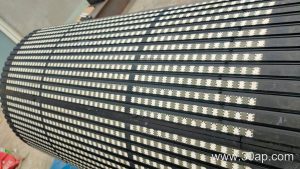
A typical construction starts with a fabric core or steel cord carcass, covered with rubber on the carrying and pulley sides. The skirt is a separate rubber profile, commonly reinforced, attached along the belt edge. The base belt under the skirt needs enough transverse rigidity to hold the profile upright while staying flexible enough to trough and track.
Buyers often see this product specified alongside standard belt grades. The carcass may be an EP conveyor belt, an NN conveyor belt or a steel cord conveyor belt, depending on tension and impact demands. Cover compounds can be selected for abrasion resistance, heat, oil, flame retardancy or cold conditions. In coal mining and underground coal mining, flame retardant and anti-static properties are frequently requested; in cement and power plant service, heat and abrasion resistance usually receive more attention.
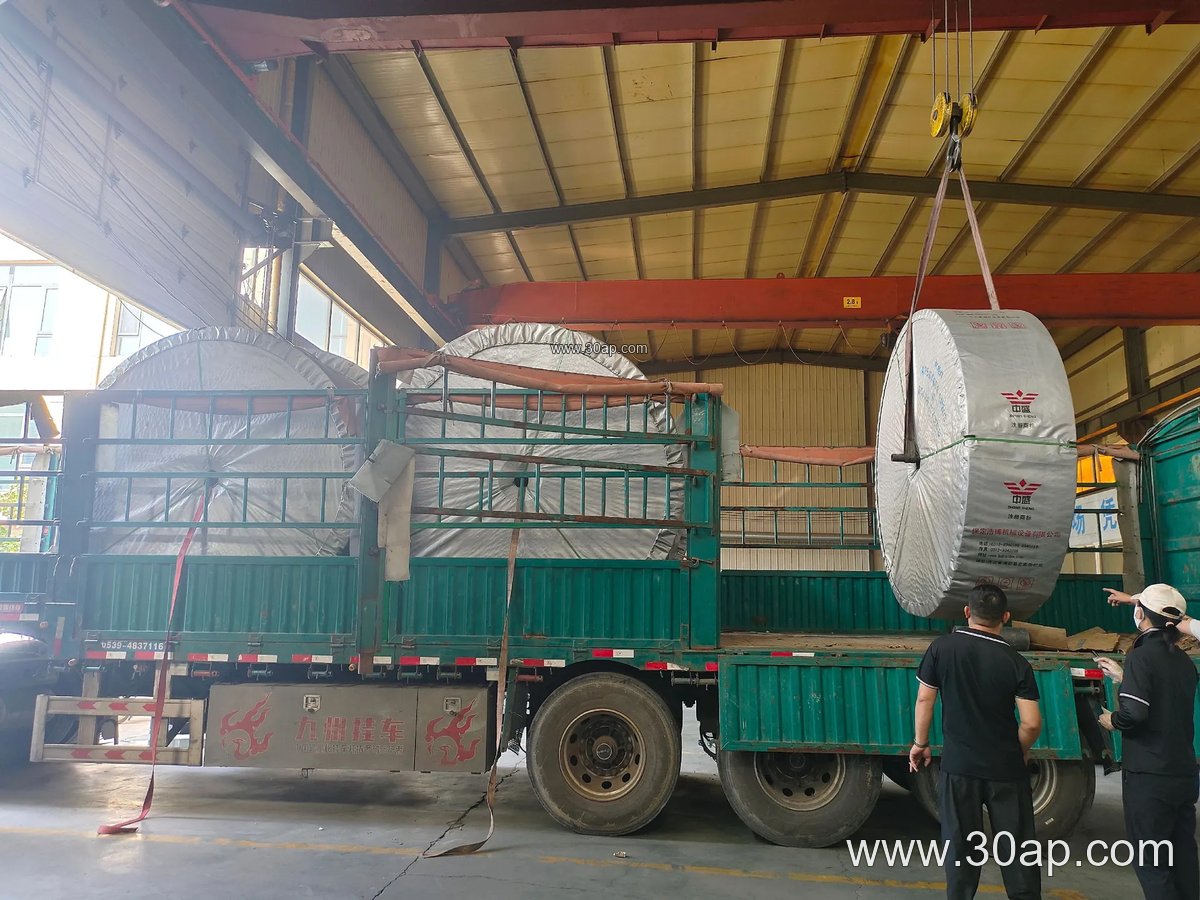
Common reference values for discussion
The figures below are reference ranges for conversation with a supplier, not fixed supply promises. Actual values depend on the conveyor design, material lump size, incline angle and site conditions.
- Belt width: B500, B650, B800, B1000, B1200, B1400, B1600, B1800
- Fabric core strength: EP200, EP315, EP400, EP500, EP630, EP800, EP1000
- Cover thickness examples: 3+1.5 mm, 4+2 mm, 5+2 mm, 6+2 mm, 8+3 mm
- Carcass plies: commonly 2 to 6 layers in fabric constructions
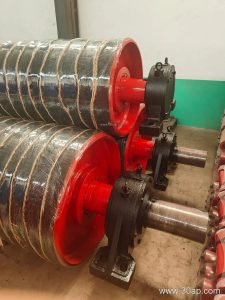
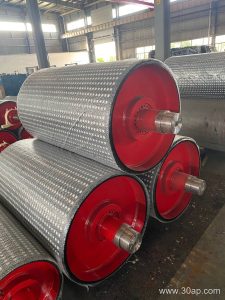
These values are not a matching rule. A given belt width does not dictate one pulley diameter, and shaft size should be calculated from the actual conveyor layout. Drive pulleys, tail pulleys and bend pulleys each perform different duties and should not be treated as interchangeable.
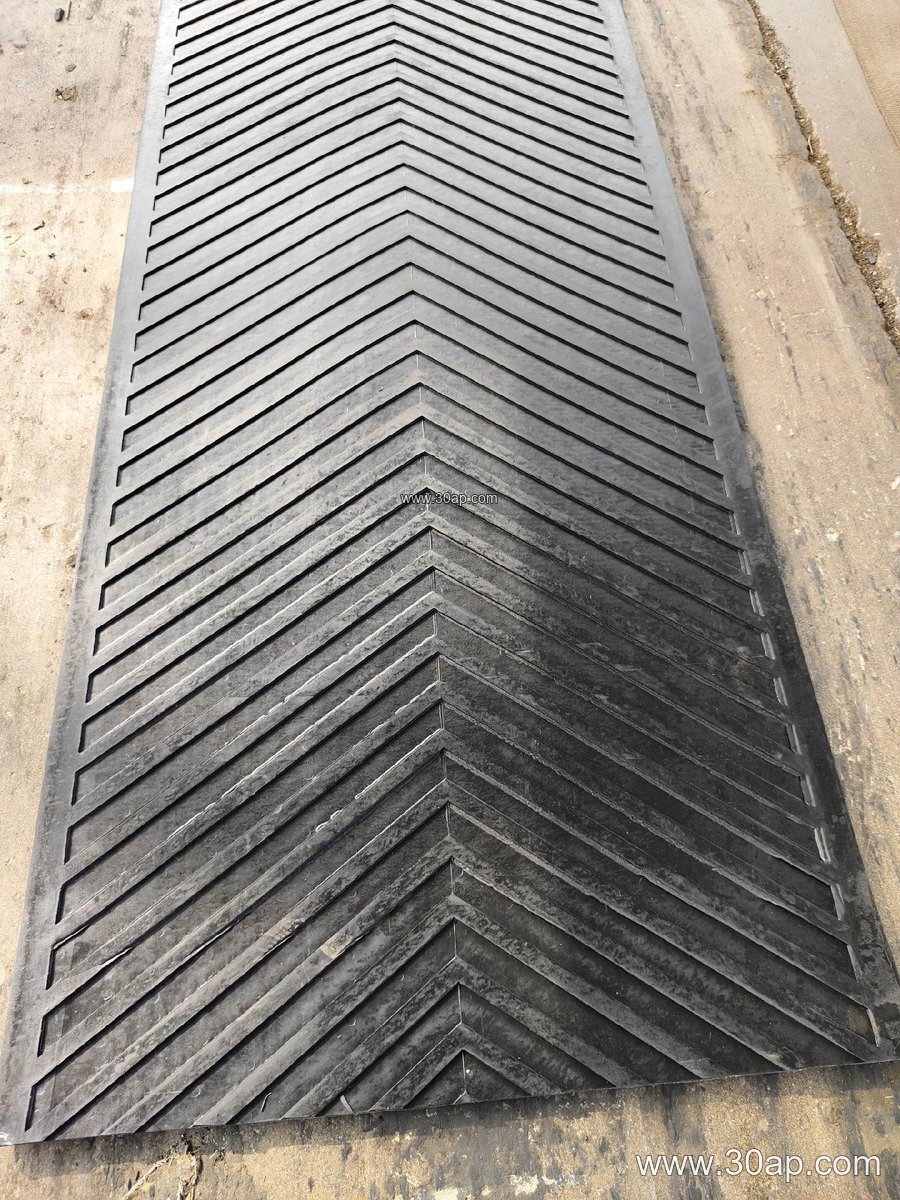
Where Skirted Belts Are Used
Skirted belts are common where material must be kept from spilling at the edges. In a quarry conveyor belt or aggregate conveyor belt line, they can help contain crushed stone at a transfer chute. In a cement plant conveyor belt or power plant conveyor belt, they reduce dust and spillage around loading zones. They also appear in port conveyor belts, ship loading systems and bulk material conveyor belt routes with moderate inclines.
Other industries include sand making plants, stone crushing lines and recycling facilities. In mining conveyor belt service, a heavy-duty mining conveyor belt with reinforced skirts may be considered where sharp rock and high impact are present. A skirted design does not replace a pipe conveyor belt or a fully enclosed system, but it can be a practical option when edge containment is the main concern.
Selection and Maintenance Points
Start with the material: lump size, moisture, temperature, oil content and dust behavior. Then review the conveyor profile, incline angle, loading method and available space around the tail pulley. The skirt height and profile should suit the material depth, while the base belt needs adequate strength for starting and running tension. If the route is long or heavily loaded, a higher-strength carcass such as an EP1000 conveyor belt or a steel cord construction may be discussed with the supplier.
During operation, check skirt wear, edge cracking and material buildup under the skirt. Misaligned idler rollers and worn conveyor pulleys can accelerate edge damage. Keep the conveyor bracket and frame square, and confirm that the belt runs centered through the loading zone. A skirted belt that is correctly specified and maintained can provide cleaner transfer points and less manual cleanup in demanding bulk handling environments.