What an EP Conveyor Belt, 10mm Thick Actually Is
An EP conveyor belt, 10mm thick, is a fabric-reinforced rubber belt built on polyester-polyamide (EP) carcass plies and finished with rubber covers on both faces. The 10mm figure usually refers to the total belt thickness, which is the sum of the top cover, the EP carcass and the bottom cover. Because the carcass is synthetic, this belt type offers low elongation under load and good resistance to moisture and mildew compared with cotton-based constructions, which is why it appears in mines, coal handling, cement plants, power stations and sand and gravel yards.
In everyday site language the same product is often called a 10mm EP rubber conveyor belt or a 10 mm thick polyester-polyamide conveyor belt. All of these names point to the same article; they are not different belt types.
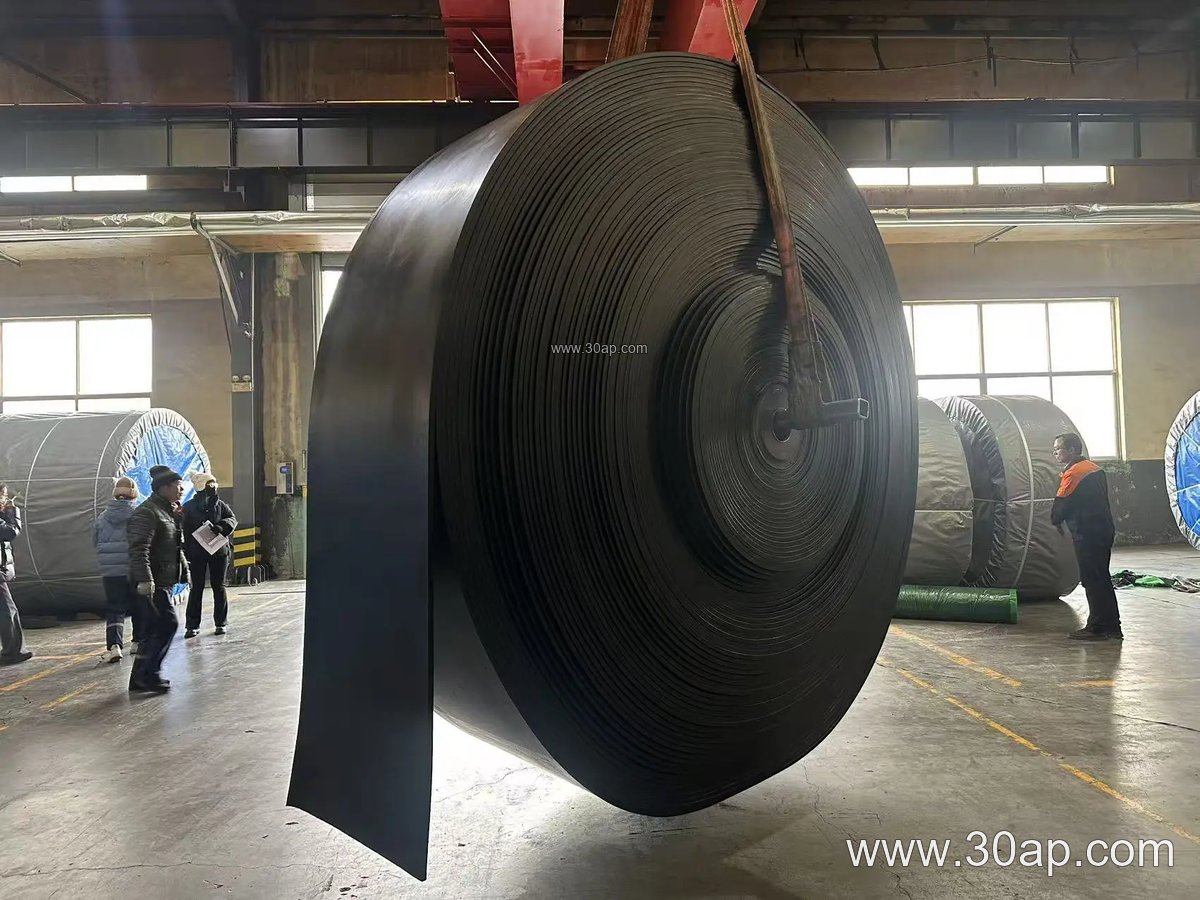
How the 10mm Build Is Put Together
The thickness is not a single rubber slab. A typical 10mm EP belt combines several layers, and the split between cover and carcass matters when you specify a replacement.
- Top cover: the wear surface that contacts the material, usually the thickest rubber layer.
- EP carcass: two to six plies of polyester-polyamide fabric, bonded and skimmed with rubber, carrying the tension.
- Bottom cover: the pulley-side rubber, which also protects the carcass from abrasion on idler rollers.
For a 10mm total thickness, common cover splits include 4+2 mm, 5+2 mm and 6+2 mm, with the remainder taken by the carcass. A 3+1.5 mm split is also seen on lighter duties. These are reference combinations, not fixed rules; the final build is set by the belt designer according to load, pulley diameters and material abrasiveness.
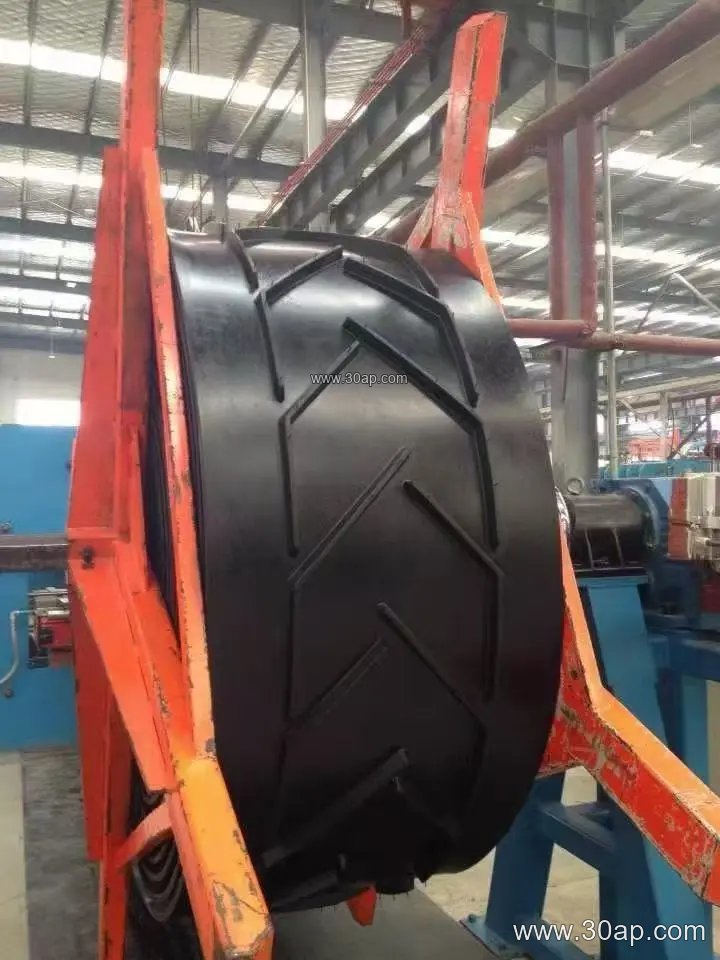
Strength Grades and Widths That Fit a 10mm Belt
Tensile grade is chosen separately from thickness. A 10mm EP belt may be supplied in grades such as EP200, EP315, EP400, EP500, EP630, EP800 or higher, depending on the conveyor duty. Wider belts are common in high-tonnage plants, while narrower belts suit secondary and transfer lines.
| Parameter | Typical reference values |
|---|---|
| Belt type | EP conveyor belt, 10mm thick |
| Tensile grades | EP200, EP315, EP400, EP500, EP630, EP800, EP1000 |
| Belt widths | B500, B650, B800, B1000, B1200, B1400, B1600 |
| Cover splits | 3+1.5, 4+2, 5+2, 6+2 mm |
| Carcass plies | 2 to 6, by design |
| Surface forms | smooth, abrasion-resistant, flame-retardant, antistatic, oil-resistant, heat-resistant, chevron or patterned |
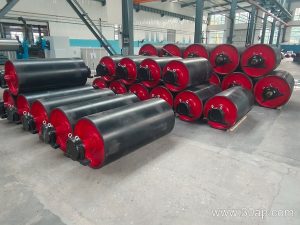
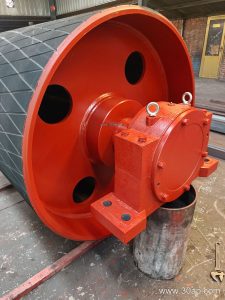
Belt width and pulley diameter are matched through conveyor design, not through a fixed pairing. A B800 belt, for example, may run on a range of drive pulley, tail pulley and bend pulley sizes depending on tension and wrap angle. Do not assume a shaft diameter from belt width alone.
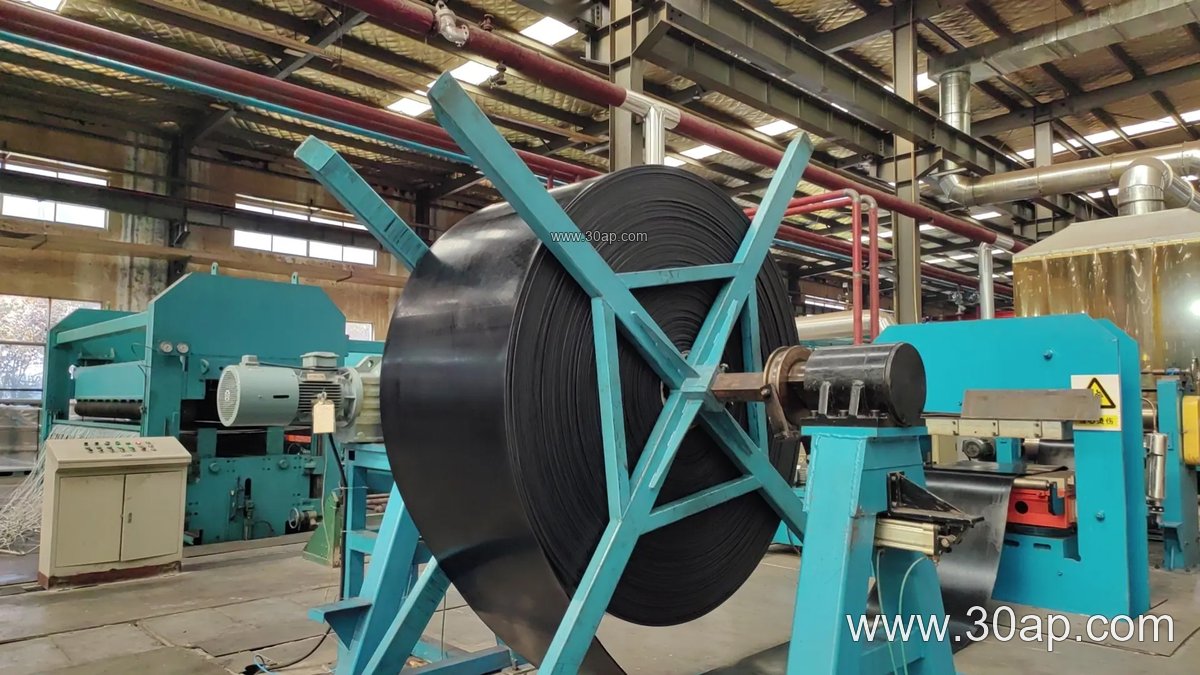
Where It Runs in the Plant
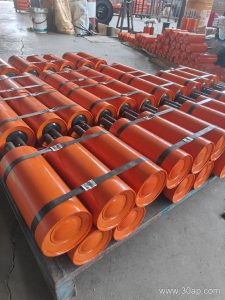
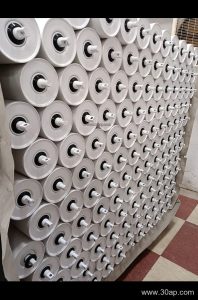
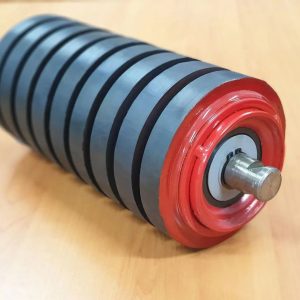
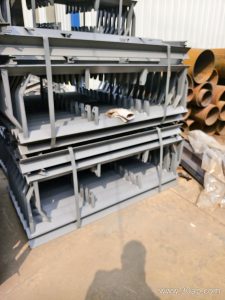
The 10mm EP belt is a general-purpose workhorse. In a coal preparation plant it may carry sized coal on a main haulage conveyor; in a cement works it can move clinker, limestone or additives; in a power station it handles fuel and ash; in a sand and gravel pit it transfers screened aggregate. The belt runs over idler rollers on the carrying side, returns on lower idlers, and wraps the drive pulley and tail pulley at each end. Conveyor brackets and frames hold the idlers and pulleys in alignment, and good alignment is what keeps a 10mm belt tracking straight.
For comparison, an NN nylon conveyor belt is another fabric-reinforced option, and a steel cord belt is chosen for very long, high-tension lines. Neither replaces the EP belt in this article; they simply sit at different points on the selection map.
Buyer Checklist Before Ordering
- Confirm the required tensile grade and the number of plies, not just the 10mm thickness.
- State the top and bottom cover thickness separately, for example 5+2 mm.
- Describe the material: lump size, temperature, oil content, abrasion and whether flame resistance or antistatic properties are needed.
- Give the belt width and the existing pulley diameters so the belt can be checked against bend radius.
- Ask about edge construction and splice method, since a 10mm belt is often joined on site.
- Check that idler roller spacing and conveyor pulley condition are suitable before fitting a new belt.
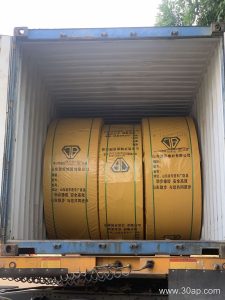
Store the belt in a dry, shaded place, support coils on a pallet, and avoid sharp bends. During installation, keep the drive pulley, tail pulley and bend pulley clean and correctly lagged, and inspect idler rollers for seizure, because a stuck idler can damage a new belt quickly.