What the EP500 Conveyor Belt Is
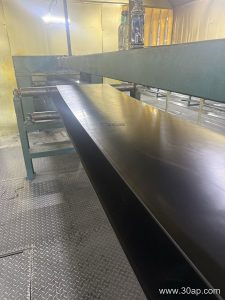
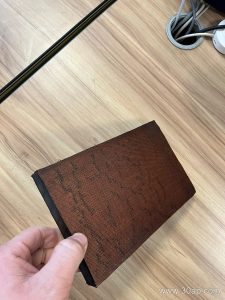
An EP500 Conveyor Belt is a fabric-core rubber belt built around polyester-polyamide (EP) canvas. The number 500 refers to the nominal tensile strength of the carcass, commonly expressed in N/mm, so the belt sits in the upper-middle range of the EP family, above EP400 and below EP630. It is an EP Conveyor Belt in the truest sense: the load is carried by multiple plies of EP fabric rather than steel cords, which gives the belt good flexibility, resistance to fatigue, and easier splicing compared with a steel cord construction.
Because the carcass is a fabric core, this product is also correctly described as an EP Fabric Core Conveyor Belt or a Multi-Ply Fabric Core Conveyor Belt. It is not a steel cord belt, and it should not be confused with NN types, which use nylon fabric in both warp and weft.
How the Belt Is Built
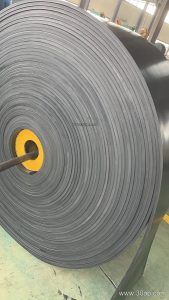
The construction is straightforward but needs to be done well. Several plies of EP canvas are bonded together with rubber skim compound, then covered on both faces with abrasion-resistant rubber. The top cover protects against material impact and sliding abrasion, while the bottom cover runs against the troughing idler rollers and return rollers.
- Carcass: 2 to 6 plies of EP fabric, depending on the required strength and belt width.
- Cover rubber: commonly 3+1.5 mm, 4+2 mm, 5+2 mm, 6+2 mm or 8+3 mm, selected by duty.
- Edges: cut edges or moulded edges, depending on the manufacturer and application.
- Special grades: flame retardant, anti-static, heat resistant, oil resistant, cold resistant and abrasion resistant versions are available.
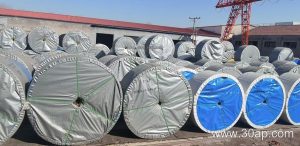
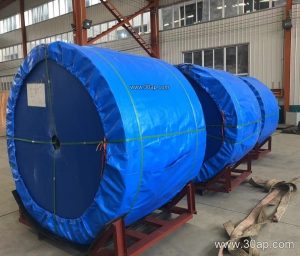
The belt is usually supplied in rolls and spliced on site into an endless conveyor belt, either with vulcanized joints or mechanical fasteners depending on the conveyor design.
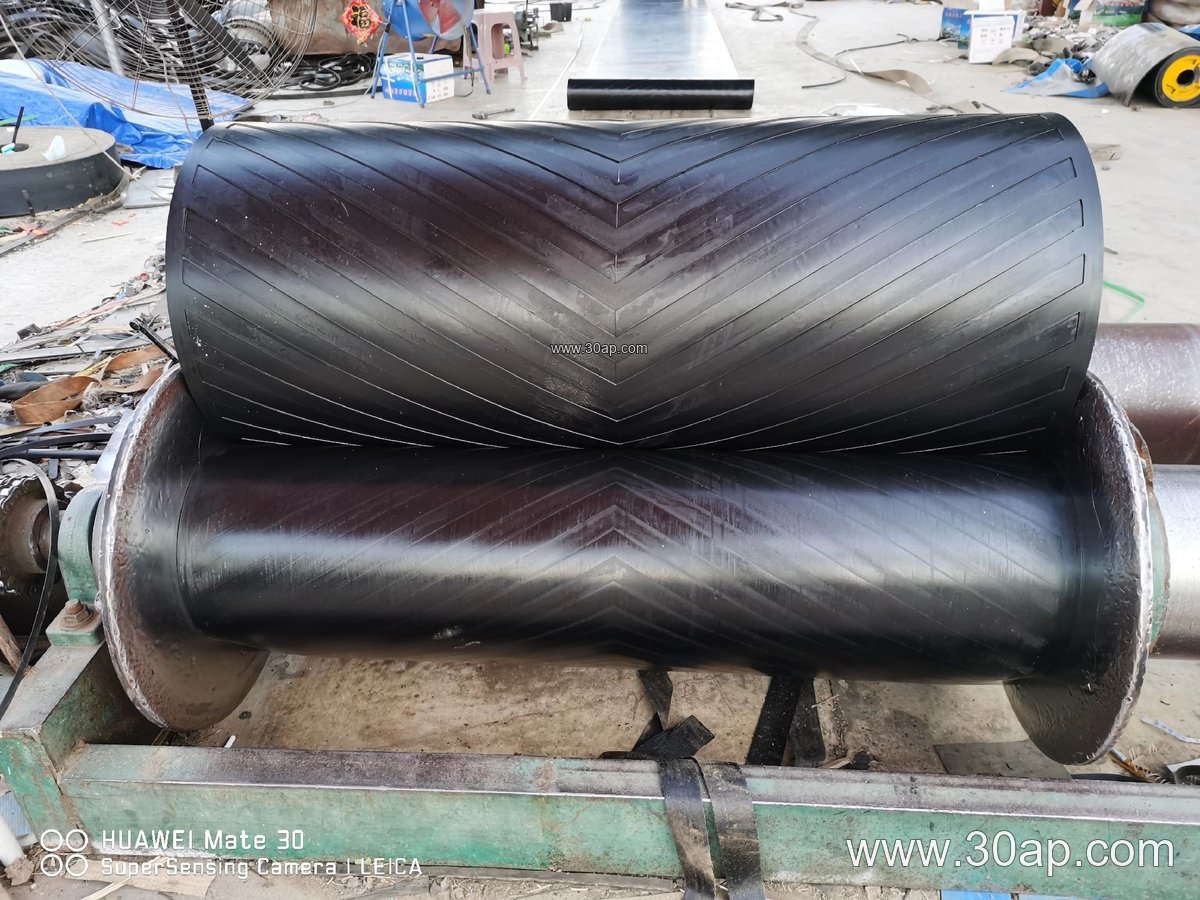
Where It Is Used
The EP500 grade is a practical choice for medium to heavy duty conveying where a steel cord belt would be overkill and a lighter EP200 or EP315 belt would be marginal. Typical industries include mining, coal preparation, cement plants, power stations, quarries and sand and gravel yards.
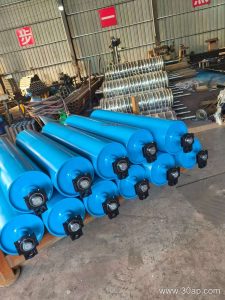
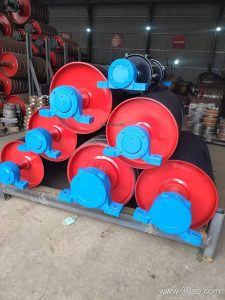
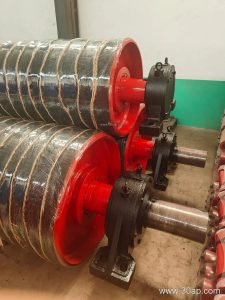
On a typical conveyor, the belt runs over a drive pulley, tail pulley and bend pulleys, supported by troughing idlers on the carrying side and return idlers underneath. The belt tension and the pulley diameters should be matched to the carcass by the conveyor designer, not chosen from the belt width alone. A wider belt does not automatically require a larger shaft, and one belt width can work with several pulley diameters.
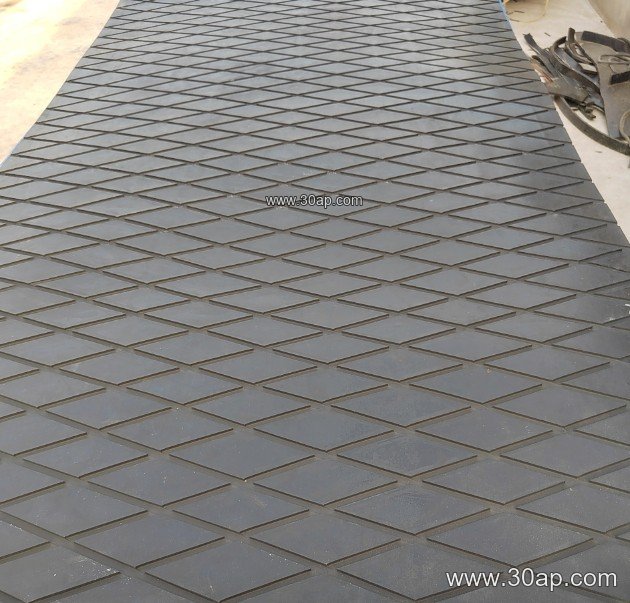
Common Reference Dimensions
The table below shows typical reference values; actual supply should follow the conveyor design and the manufacturer’s data sheet.
| Parameter | Typical range |
|---|---|
| Strength grade | EP500 (N/mm) |
| Belt width | B500, B650, B800, B1000, B1200, B1400, B1600, B1800, B2000 |
| Number of plies | 3 to 5 |
| Cover thickness | 4+2 mm, 5+2 mm, 6+2 mm, 8+3 mm |
| Grade options | abrasion resistant, flame retardant, anti-static, heat resistant, oil resistant |
For comparison, an NN Conveyor Belt uses nylon canvas and can offer higher elongation under load, while a Steel Cord Conveyor Belt is chosen for very long runs and high tension. Those are different products, not substitutes for the EP500 belt.
Selection and Maintenance Notes
Before ordering, confirm the material being conveyed, lump size, belt speed, incline angle and the ambient conditions. In a coal mine, a flame retardant and anti-static grade is often specified. In a cement plant, heat resistant covers may be needed near the kiln. In a quarry or crusher discharge, a high abrasion resistant cover with a thicker top layer helps extend service life.
During operation, check belt tracking, idler roller rotation and pulley lagging condition. A misaligned belt or a seized idler can damage the edges quickly. Keep the conveyor bracket and frame clean so material build-up does not push the belt off line. Store spare rolls indoors, away from sunlight and oil, and splice with the correct step length for the ply number.