What a Conveyor Carrying Bracket Does
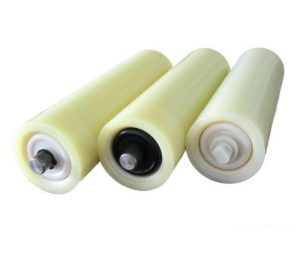
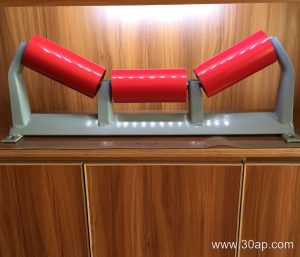
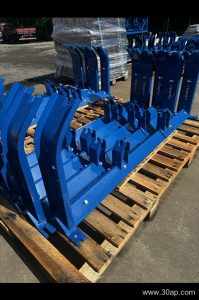
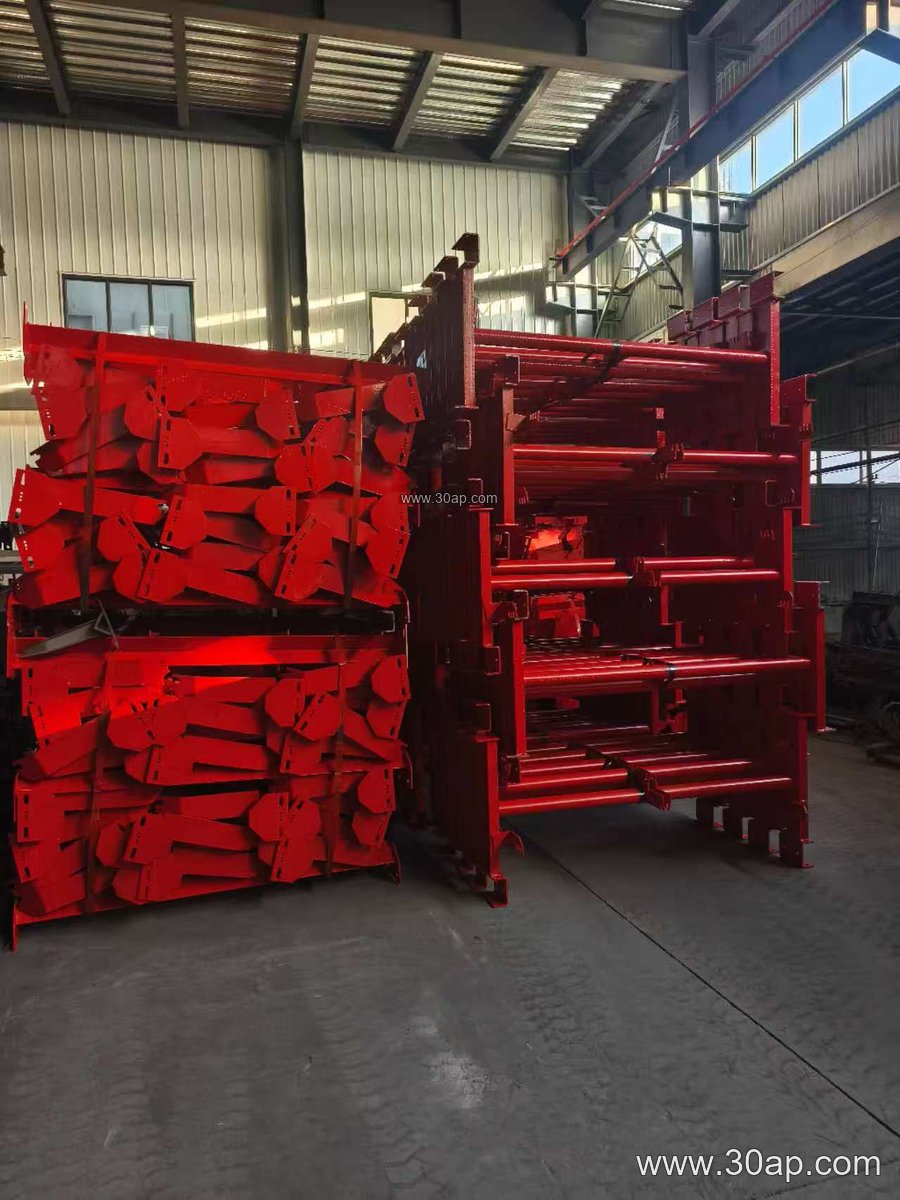
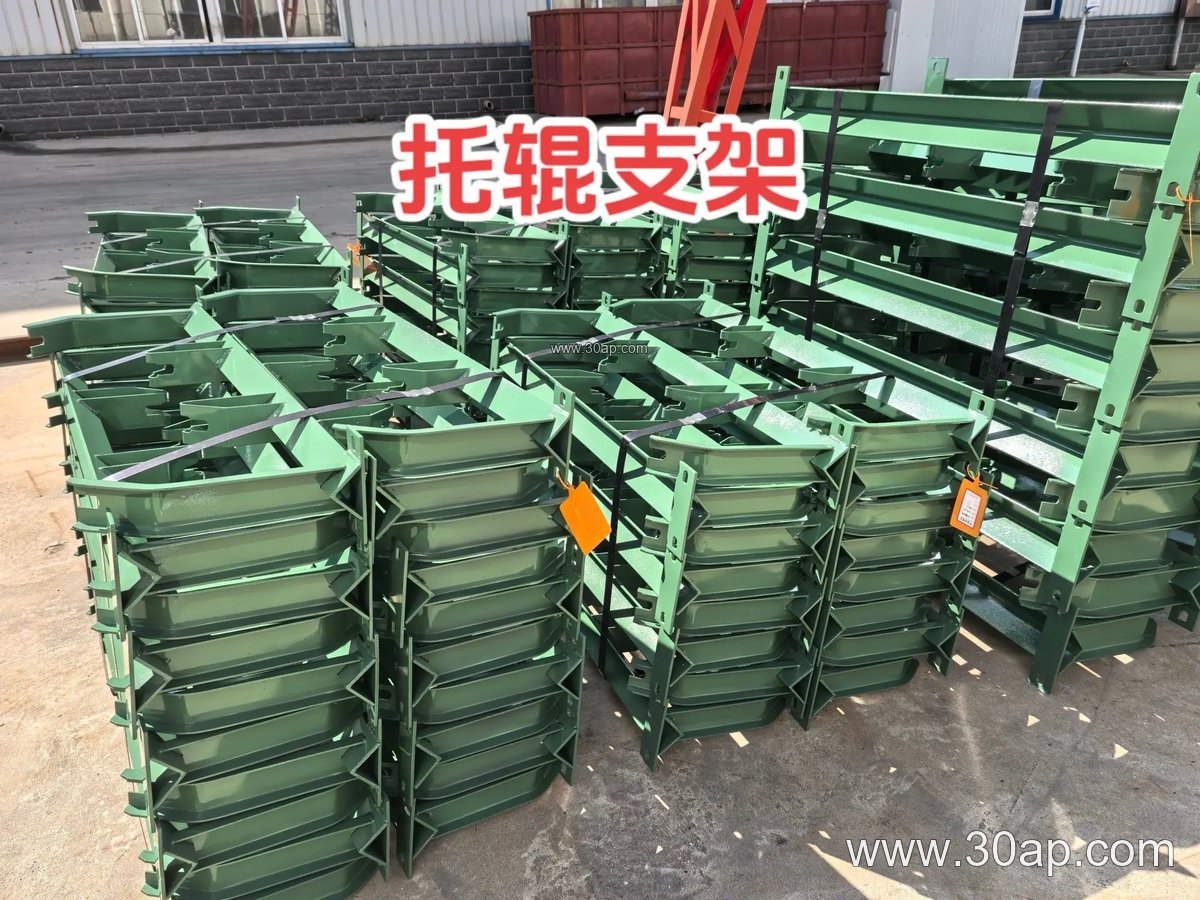
A conveyor carrying bracket is the structural support that holds the carrying idlers in place along the load-bearing side of a belt conveyor. Often called a carrying idler bracket or troughing bracket, it keeps the idler rollers at the correct angle so the conveyor belt forms a stable trough. This bracket is a key part of the conveyor frame, working together with the belt, idlers, and pulleys to keep material moving smoothly in industries such as coal preparation, cement plants, and aggregate crushing lines.
Unlike a return bracket that supports the empty side of the belt, the carrying bracket sits on the top run and directly influences how well the belt contains the load. A well-matched bracket and idler set reduces spillage and belt wear, while a poorly aligned or undersized bracket can cause tracking problems and premature idler failure.
Construction and Common Forms
Most carrying brackets are fabricated from angle steel, channel steel, or folded steel plate. The design must resist the weight of the belt, the material load, and the dynamic forces of starting and stopping. Common configurations include fixed troughing brackets, transition brackets near pulleys, and adjustable brackets that allow the trough angle to be changed on site.
Adjustable carrying brackets are useful where material characteristics vary or where fine-tuning is needed to reduce spillage. They can typically be set between common trough angles such as 20, 30, 35, and 45 degrees. Fixed brackets are simpler and often chosen for stable operating conditions. Some designs include a slight forward tilt of about 1.5 to 2 degrees to help center the belt.
Matching Bracket to Belt Width and Idler Diameter
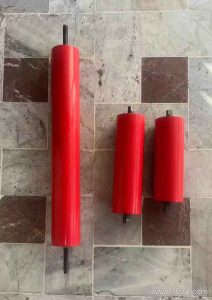
The bracket must suit the belt width and the idler diameter used on the conveyor. Common belt widths range from B500 up to B2200, and idler diameters often include Ø89, Ø108, Ø133, Ø159, and Ø194. There is no single rule that one belt width must use only one trough angle or one idler size; the correct combination depends on the conveyor design, material density, and desired capacity.
Typical reference combinations might include B800 with a 35-degree trough and Ø108 idlers, or B1200 with a 45-degree trough and Ø133 idlers. These are examples only. Installation hole spacing and crossbeam length change with belt width and trough angle, so buyers should confirm dimensions against the actual conveyor frame rather than assuming a fixed value.
Reference Data for Common Configurations
| Belt Width | Common Trough Angle | Typical Idler Diameter |
|---|---|---|
| B500 | 20–30 degrees | Ø89 |
| B650 | 30 degrees | Ø89–Ø108 |
| B800 | 35 degrees | Ø108 |
| B1000 | 35–45 degrees | Ø108–Ø133 |
| B1200 | 45 degrees | Ø133 |
| B1400 | 45 degrees | Ø133–Ø159 |
| B1600 | 45 degrees | Ø159 |
Values are for reference only and should be verified with the conveyor design. The bracket should also be checked for compatibility with the conveyor pulley arrangement and the return side support.
Where Carrying Brackets Are Used
These brackets appear wherever a belt conveyor carries bulk material. In a limestone quarry or sand and gravel line, they support the belt through the crushing and screening circuit. In a coal handling plant at a power station, carrying brackets hold the troughing idlers that keep coal centered on the belt. Cement plants use them on clinker and raw material conveyors, while fertilizer and grain silo operations rely on them for gentle, controlled transport.
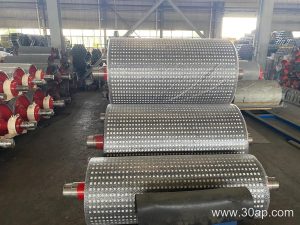
In each case, the bracket works as part of a system. The conveyor belt sits on the idler rollers, the idlers are held by the carrying brackets, and the conveyor pulleys drive and redirect the belt. A bracket that is not aligned with the others can cause the belt to drift, so installation accuracy matters as much as material quality.
Buyer Checklist
- Confirm belt width, trough angle, and idler diameter before ordering.
- Check whether a fixed or adjustable bracket suits the application.
- Verify hole spacing and crossbeam length against the existing frame.
- Consider the material and coating if the conveyor operates in dusty or corrosive conditions.
- Plan for regular inspection of bracket alignment and idler rotation to prevent belt damage.
A carrying bracket is a small but critical component. Selecting the right type and keeping it properly aligned helps the entire conveyor system run efficiently in demanding industrial environments.