What a 1500mm Conveyor Belt Is
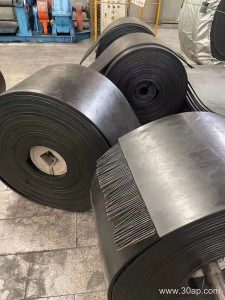
A 1500mm conveyor belt is a wide-format rubber belt designed for high-capacity bulk material transport. In industry language it is often called a 1500mm wide belt or a 1.5-meter conveyor belt. It sits between narrower B1200 and larger B1800/B2000 units in the common width series, and it is chosen when a single stream has to move a large volume of ore, coal, clinker, limestone, sand or aggregate without excessive belt speed.
Width alone does not define performance. A 1500mm belt is a platform: the carcass, cover compound and surface form decide whether it suits a mine, a coal preparation plant, a cement kiln line, a power station coal yard or a sand and gravel yard.
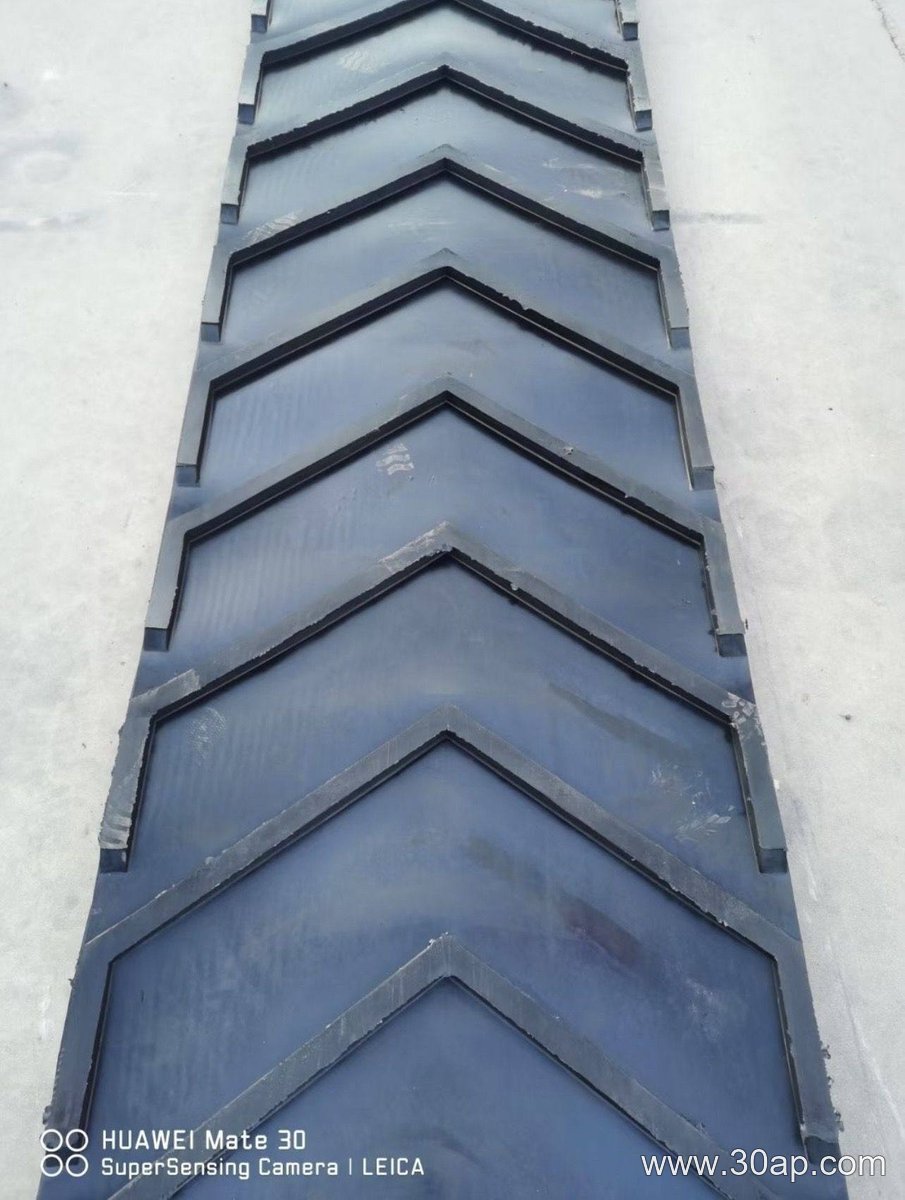
Construction of a 1500mm Wide Belt
The belt is built from a tension-bearing carcass and protective rubber covers. Common carcass options include EP fabric, NN nylon fabric, steel cord and solid-woven PVC or PVG. Cover grade follows the duty: abrasion-resistant for crushing and screening circuits, heat-resistant for clinker and sinter, oil-resistant for certain industrial feeds, flame-retardant and anti-static for underground coal work, and cold-resistant or acid-alkali resistant for special environments.
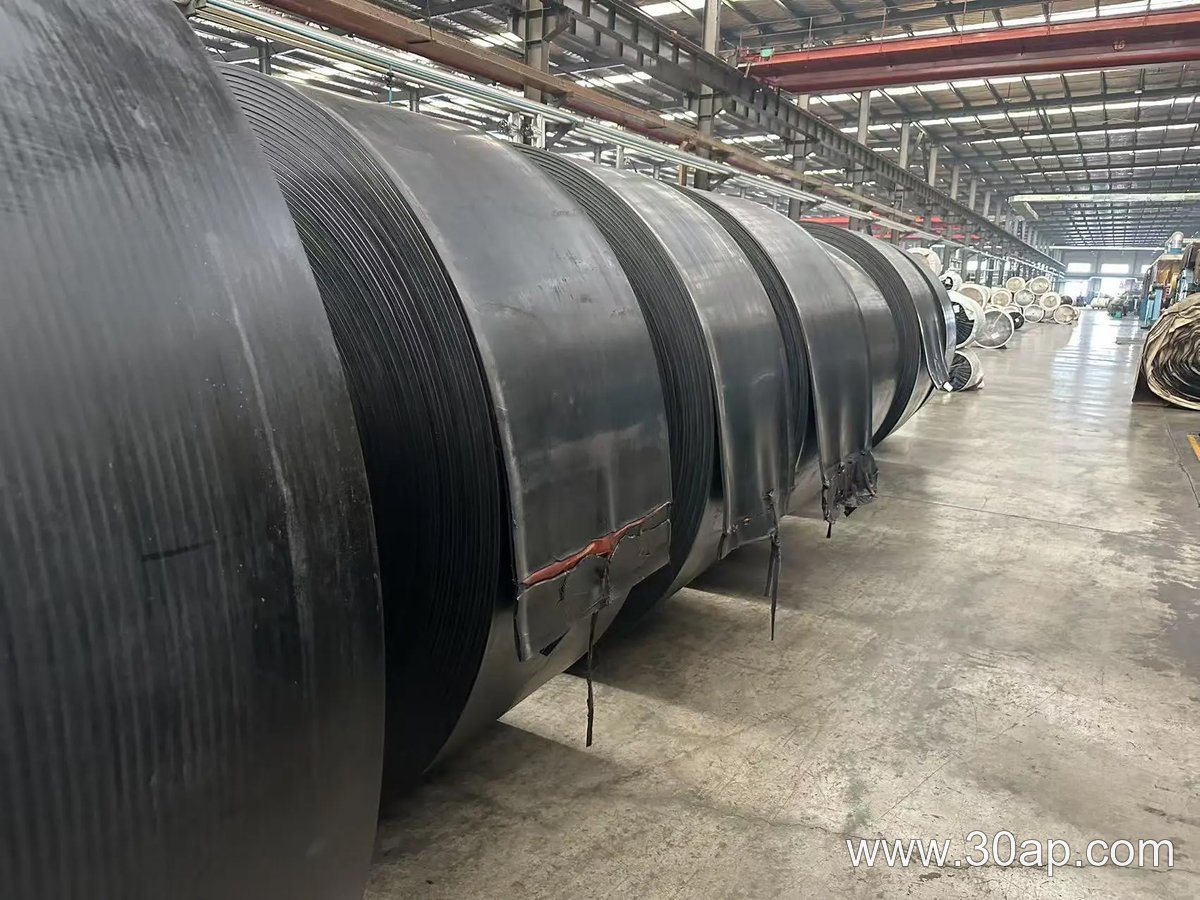
Cover thickness is usually written as top plus bottom, for example 4+2 mm, 5+2 mm, 6+2 mm or 8+3 mm. Fabric plies commonly run from 2 to 6 layers. Strength grades such as EP200, EP400, EP630, EP1000 and EP1600 are selected by the calculated belt tension, not by width alone.
| Item | Common range |
|---|---|
| Belt width | 1500 mm |
| Fabric types | EP, NN |
| Strength grades | EP200 to EP2000 |
| Cover thickness | 3+1.5, 4+2, 5+2, 6+2, 8+3 mm |
| Ply count | 2 to 6 layers |
Where It Fits in a Conveyor System
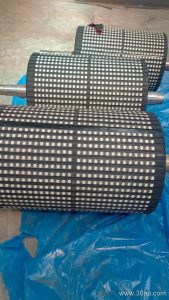
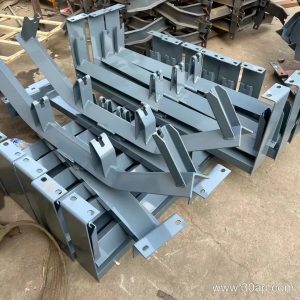
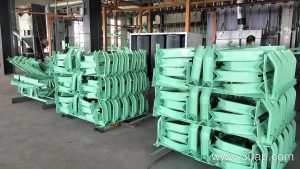
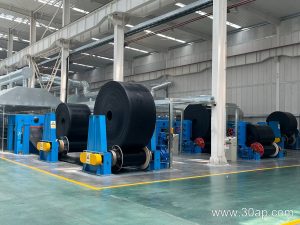
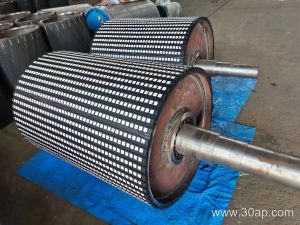
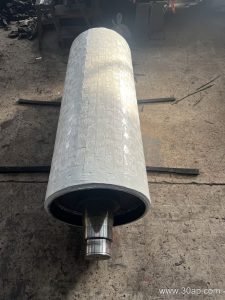
A 1500mm belt is normally supported by a troughed idler roller set and trained by a conveyor pulley at the head and tail. The drive pulley, tail pulley and bend pulley each have a different job and are not interchangeable names. Brackets and frames must match the belt width and the trough angle. A wider belt needs a properly sized pulley face, but there is no single fixed pulley diameter that belongs to 1500mm width; the diameter is set by belt tension, wrap angle and carcass stiffness.
Typical applications include:
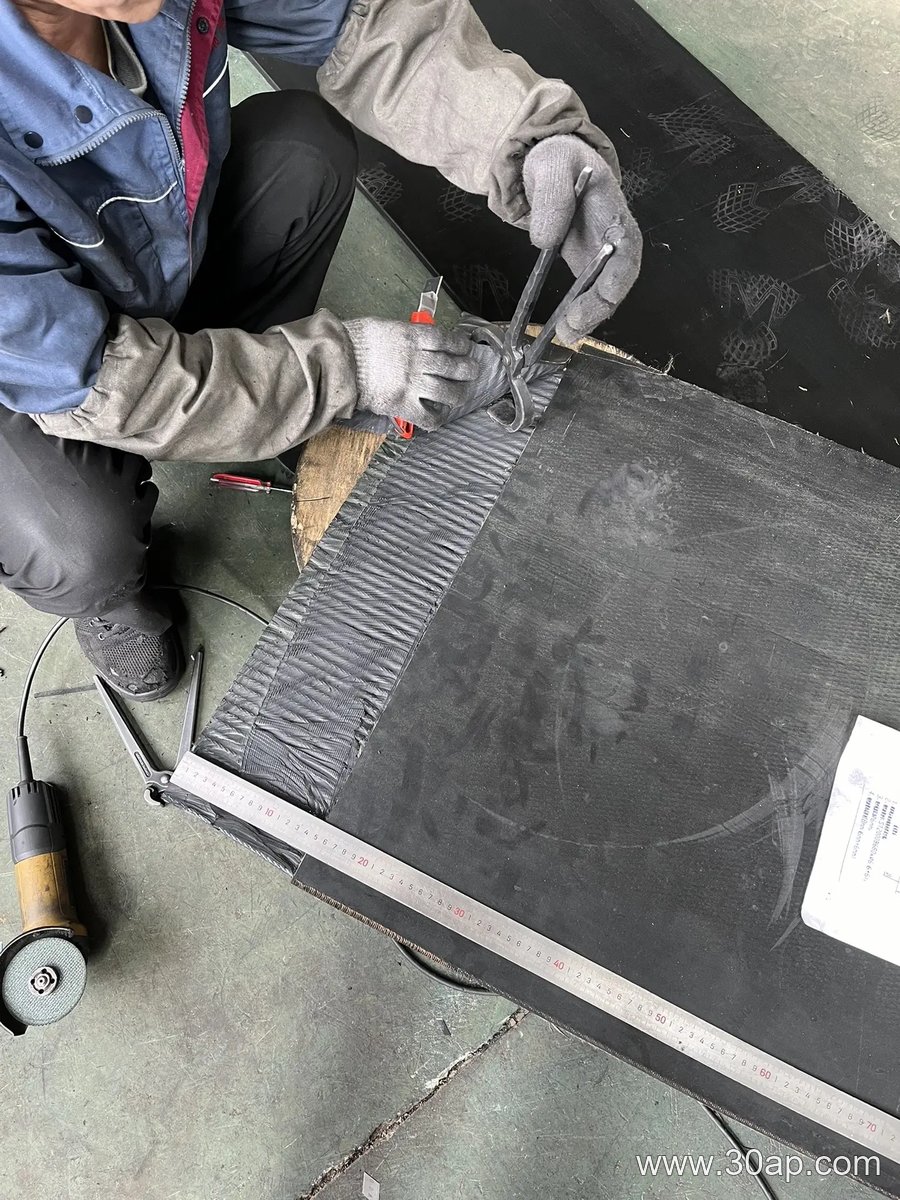
- Mines and metal ore transport, where impact and abrasion are heavy.
- Coal mines and coal preparation plants, often with flame-retardant and anti-static belts.
- Cement plants handling limestone, clay, clinker and gypsum.
- Power plants moving coal and ash.
- Sand and gravel yards, quarries and aggregate stockyards.
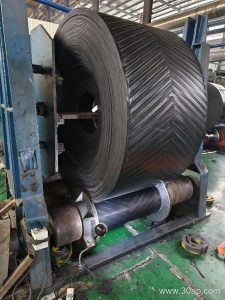
Surface forms such as smooth, patterned or chevron belts help on inclines; corrugated sidewall belts are a separate design used where space is tight. A 1500mm belt is not automatically better than a narrower belt; it is simply a different capacity and layout choice.
What a Buyer Should Check
Before ordering, confirm the material, lump size, capacity, incline, ambient temperature and whether the site needs flame resistance or anti-static properties. Ask for the carcass type, strength grade, cover thickness, ply count and edge condition. Match the belt to the pulley and idler roller layout rather than assuming a standard shaft or pulley size from width. For a 1500mm conveyor belt, the real specification is the combination of width, carcass, cover and surface form for the actual duty.