Navigating International Standards for Conveyor Belt Safety and Mechanical Performance
Selecting an industrial conveyor belt requires a clear understanding of the regulatory frameworks and technical benchmarks established by global bodies such as ISO, DIN, and RMA. When a conveyor belt operates in a wet outdoor environment, exposure to moisture, temperature fluctuations, and direct sunlight places severe demands on its structural integrity. Technical standards help engineers evaluate material properties, tensile strength, and environmental resistance without relying on guesswork.
The Purpose and Scope of Industrial Standards
Standards provide a common language and testing methodology for manufacturers and end users alike. Rather than guaranteeing absolute performance under every unpredictable condition, standard specifications outline controlled laboratory methods to measure characteristics such as tensile strength, elongation at break, and abrasion loss. For instance, testing procedures define how a conveyor belt sample must react to flame propagation, tear resistance, or oil immersion. These benchmarks allow technical teams to compare different options objectively based on standardized metrics rather than marketing claims.
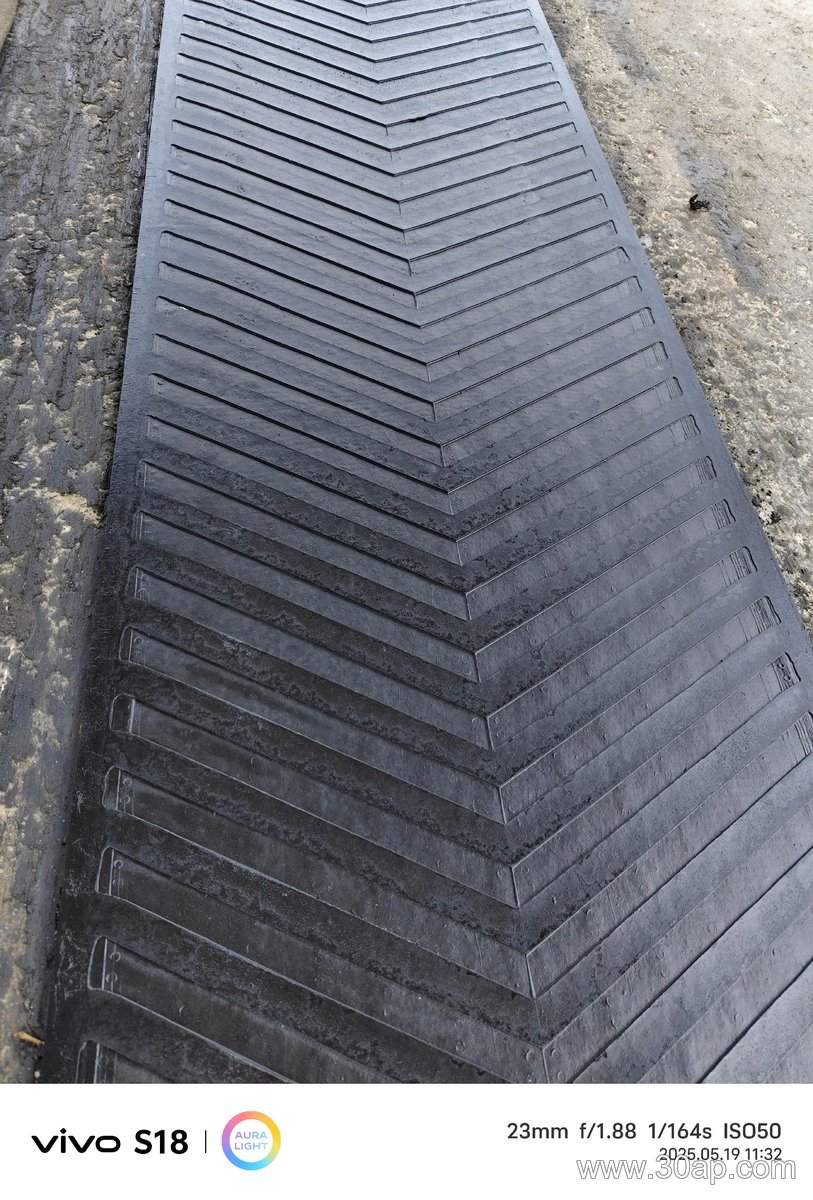
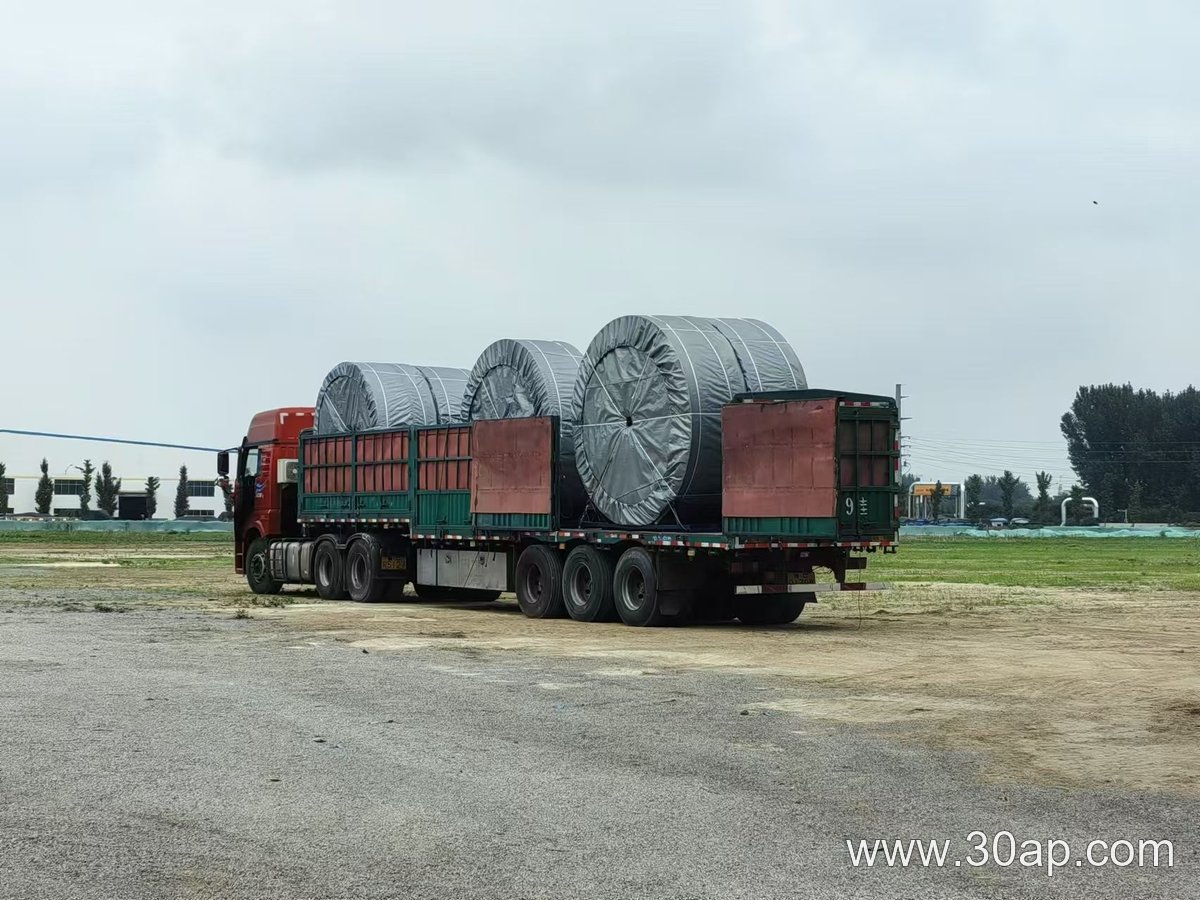
Evaluating Mechanical and Environmental Clauses
When reviewing technical specifications for a conveyor belt, procurement and engineering teams typically look at several key parameters:
- Tensile strength and carcass elongation limits, which dictate how much longitudinal force the belt can handle under load.
- Cover rubber hardness and abrasion resistance, measured in cubic millimeters of volume loss.
- Adhesion strength between plies or between the rubber cover and the steel cords or fabric carcass.
- Environmental resistance ratings, including ozone degradation tests and flame retardancy classifications.
Understanding these clauses ensures that the chosen conveyor belt aligns with the mechanical realities of the drive system and the chemical challenges of the conveyed material. It bridges the gap between raw manufacturing capabilities and reliable long-term facility operation.