What This Belt Is For
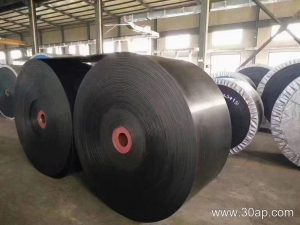
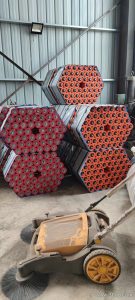
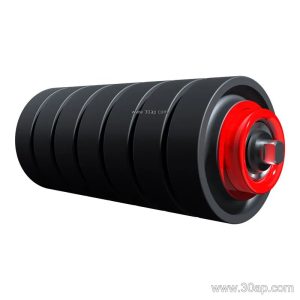
An abrasion resistant conveyor belt is a rubber belt built to survive the daily grind of sharp, heavy and fast-moving bulk materials. In mines, quarries, cement plants and sand and gravel yards, the belt surface is constantly rubbed by rock, clinker and ore. This belt is not just a thicker cover; it is a system of rubber compounds, fabric or steel reinforcement and careful edge construction designed to keep the belt running longer under abrasive wear. It is often used alongside conveyor idler rollers and conveyor pulleys that must also handle the same harsh conditions.
How It Is Built
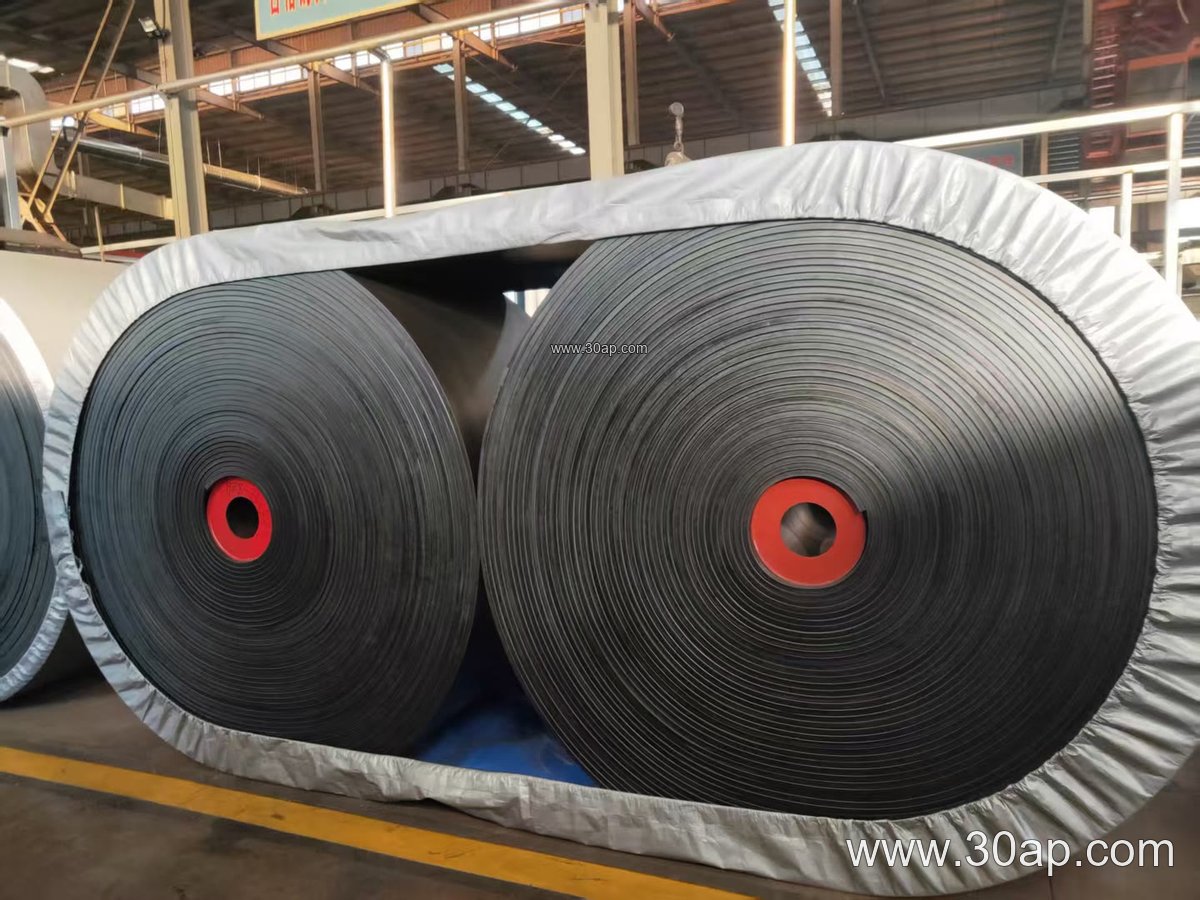
The belt usually has a top cover and a bottom cover made from abrasion resistant rubber, with a fabric core or steel cord carcass in between. For many quarry and aggregate duties, an EP conveyor belt or NN conveyor belt carcass is common. In longer overland lines and high-tension applications, a steel cord conveyor belt may be chosen. The cover rubber is the first line of defense against wear, and its thickness and quality matter as much as the carcass strength.
Common cover thickness combinations include 3+1.5 mm, 4+2 mm, 5+2 mm, 6+2 mm and 8+3 mm. The number of fabric plies often ranges from 2 to 6, depending on the load and the belt width. Wider belts such as 1200 mm, 1400 mm and 1600 mm are often used in high-capacity crushing and screening plants, while 800 mm and 1000 mm belts are common in smaller operations.
Key Construction Details
- Cover rubber: Abrasion resistant compound with good cut and gouge resistance.
- Carcass: EP or NN fabric, or steel cord, selected for tensile strength and troughability.
- Edges: Reinforced edges help resist fraying at transfer points and on conveyor pulleys.
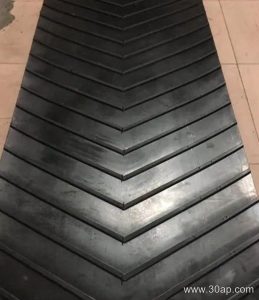
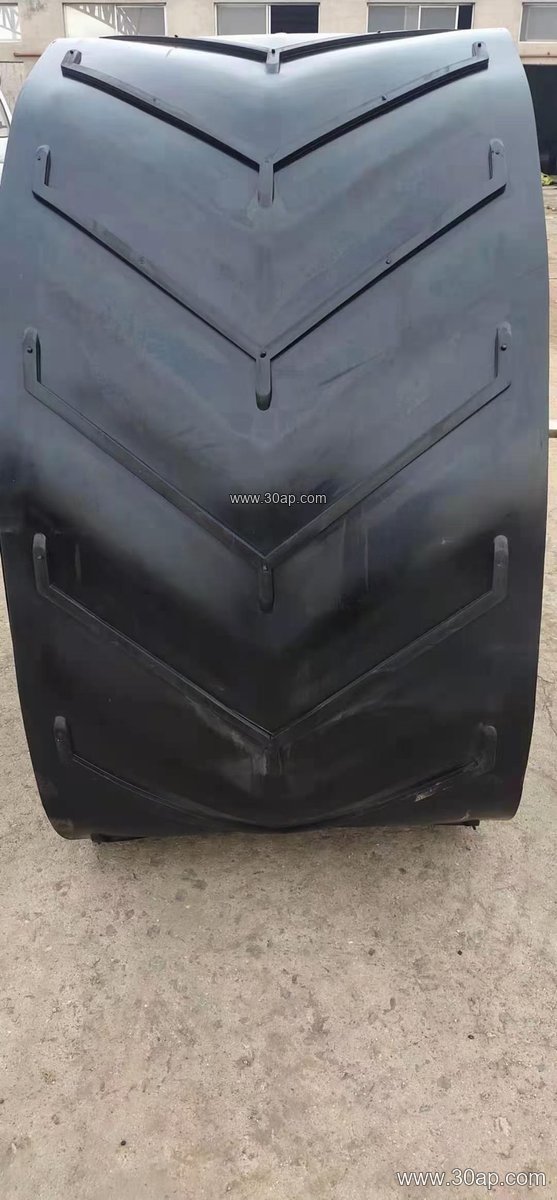
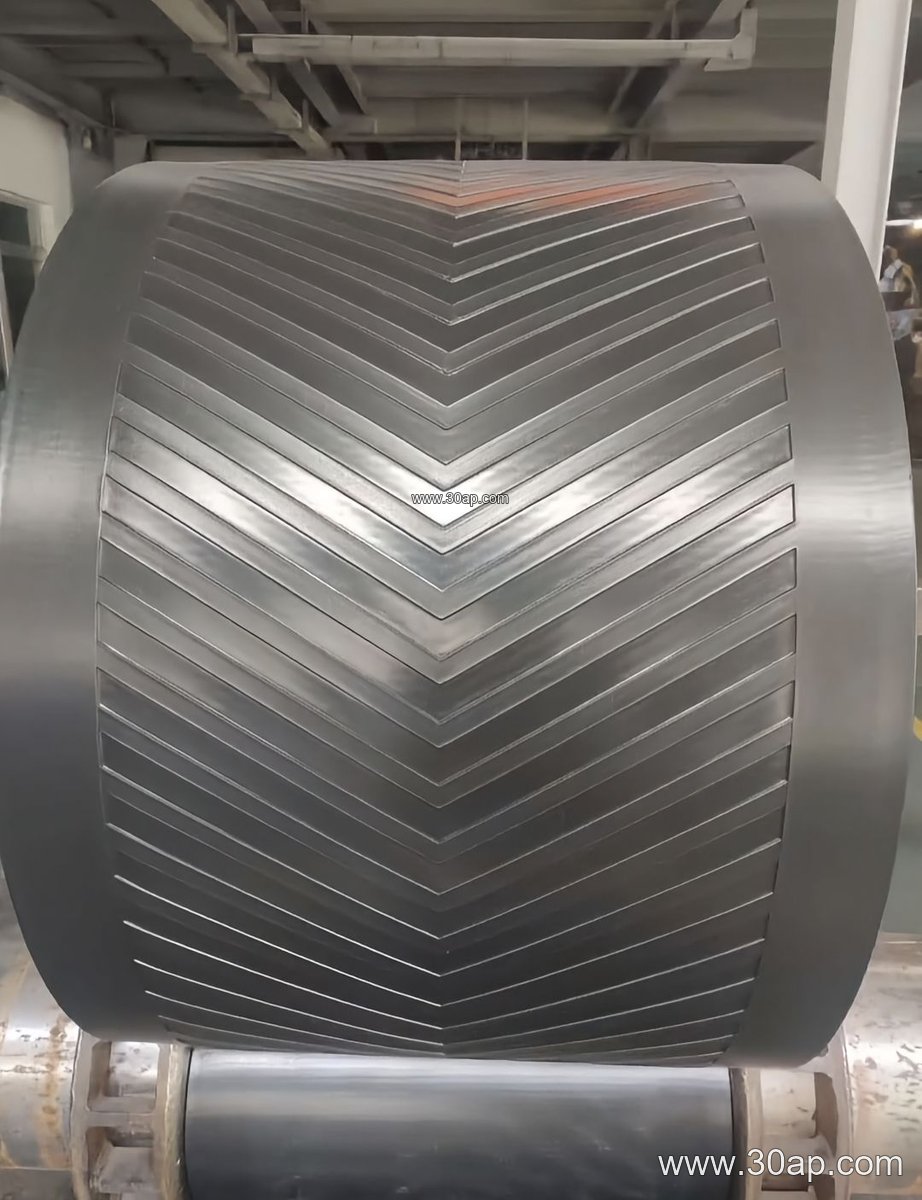
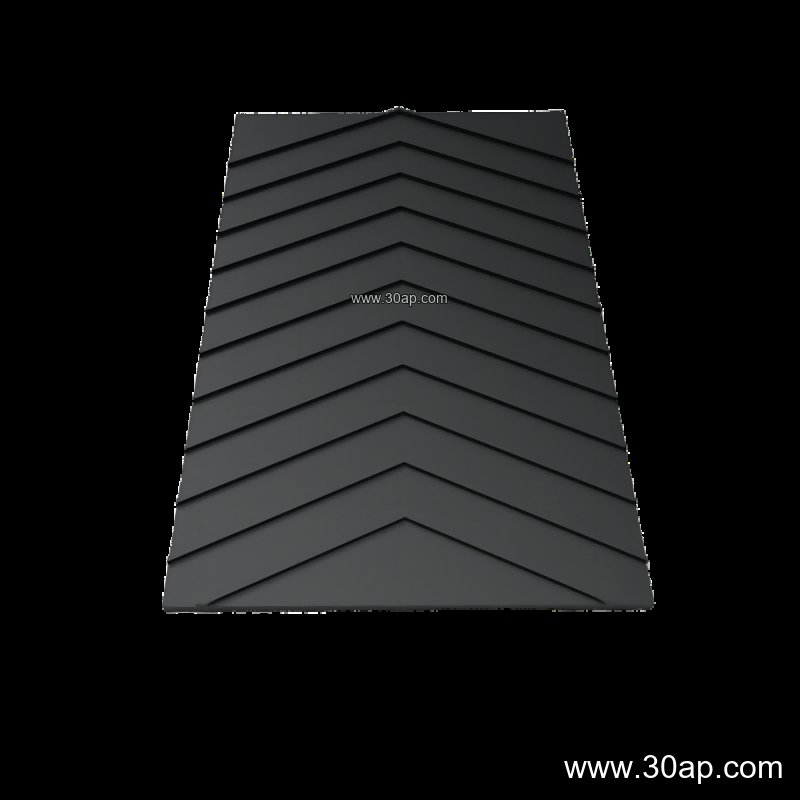
- Surface: Smooth surface is typical; chevron or corrugated sidewall forms are used only when the material needs extra grip or containment.
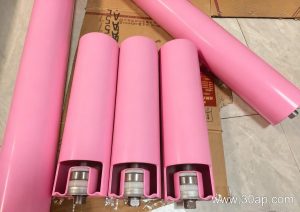
For example, in a cement plant, a smooth abrasion resistant belt may run on troughing idler rollers to carry clinker, while a chevron conveyor belt might be used on a steep incline. The chevron pattern is a different surface form, not a replacement for the abrasion resistant cover itself. Similarly, a corrugated sidewall conveyor belt is chosen for space-saving vertical lifts, but the base belt still needs good wear resistance.
Where It Is Used
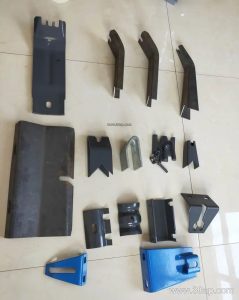
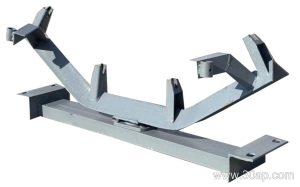
You will find this belt in mining conveyor systems, coal mining operations, quarry conveyor lines, aggregate plants and power plant coal handling. It also appears in steel plant conveyor lines and port conveyor systems where abrasive bulk materials are loaded and unloaded. In a typical stone crushing plant, the belt receives crushed rock directly from the crusher and carries it to screens. The conveyor bracket and conveyor pulley alignment must be checked regularly, because a misaligned belt wears faster no matter how good the rubber is.
Other industries include recycling plants and construction sites. In these places, the belt may be exposed to mixed debris, which can be more aggressive than uniform ore. A high abrasion resistant conveyor belt grade is often considered when the material contains sharp edges or when the drop height at transfer points is significant.
Selection and Specification Notes
Buyers should look at the material type, lump size, drop height, belt speed and ambient conditions. A belt that works well for coal may not be the best choice for iron ore or copper ore. The table below gives common reference values; actual specifications should be confirmed with the belt designer or supplier.
Common Reference Data
| Property | Typical Range or Example |
|---|---|
| Belt width | B500, B650, B800, B1000, B1200, B1400, B1600, B1800, B2000 |
| Fabric strength grades | EP200, EP315, EP400, EP500, EP630, EP800, EP1000, EP1250, EP1600, EP2000 |
| Cover thickness | 3+1.5 mm, 4+2 mm, 5+2 mm, 6+2 mm, 8+3 mm |
| Number of plies | 2 to 6 (common) |
| Steel cord grades | ST1000, ST1250, ST1600, ST2000, ST2500, ST3150 |
Note that belt width and pulley diameter are matched by conveyor design, not by a fixed rule. A 1200 mm wide belt may run on different pulley sizes depending on the tension and the conveyor profile. Do not assume a shaft diameter from belt width alone.
Buyer Checklist
- Confirm the actual material and lump size, not just the industry name.
- Check whether flame retardant or anti-static properties are required, especially in underground coal mining.
- Ask for cover rubber abrasion data and carcass strength values.
- Review the conveyor pulley and idler roller condition before installing a new belt.
- Consider whether a heat resistant or oil resistant cover is needed if the material is hot or oily.
An abrasion resistant conveyor belt is a practical choice for abrasive bulk handling, but it works best when the whole conveyor system is maintained. Regular inspection of the belt surface, edges and splices helps avoid unexpected downtime. For more product information, visit Rubber Conveyor Belt and EP Conveyor Belt pages, or check the Abrasion Resistant Conveyor Belt section for related options.