What an Adjustable Conveyor Bracket Does
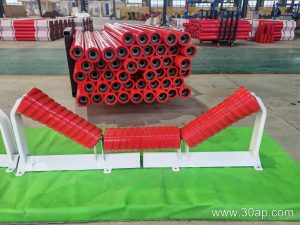
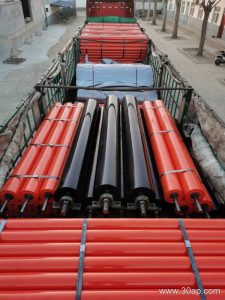
An adjustable conveyor bracket is a support component that holds idler rollers at a controlled angle under a conveyor belt. Instead of welding a fixed cradle to the frame, this bracket lets maintenance teams change the trough angle, the roller spacing, or both. In a quarry, a coal washing plant, or a cement kiln feed line, that flexibility matters because the belt does not always run under ideal conditions.
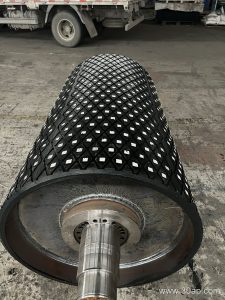
The same product is often called an adjustable idler bracket or a adjustable roller support bracket. It is still a bracket, not a pulley. Drive pulleys, tail pulleys, and bend pulleys serve different functions and are not interchangeable with this support item.
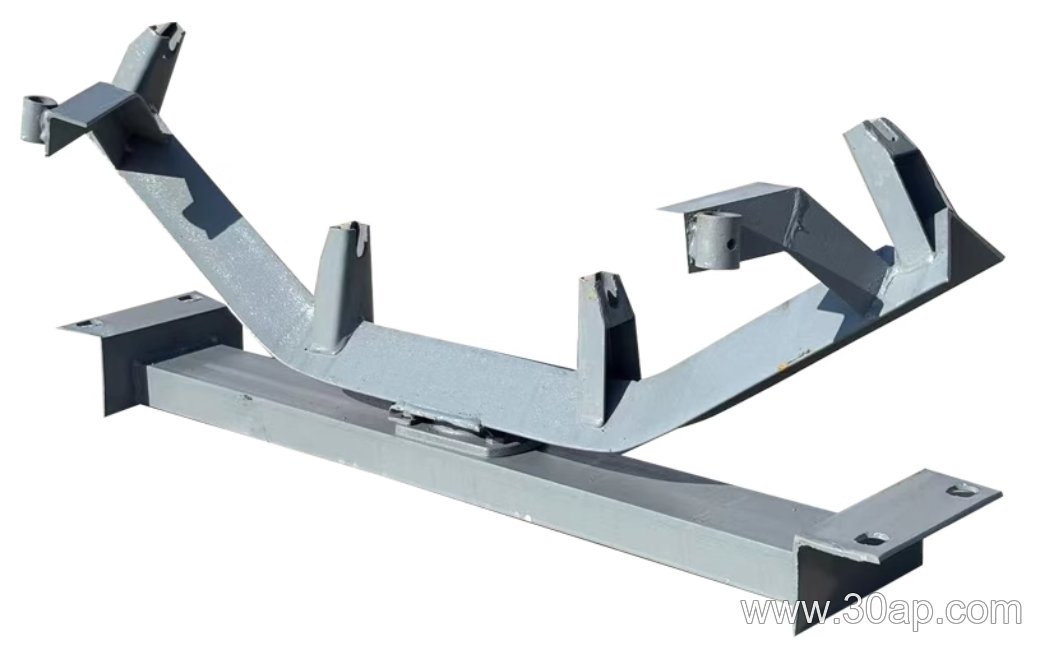
How the Bracket Is Built
Most adjustable brackets combine a base plate, a hinge or slotted arm, and a roller mounting seat. Common materials include angle steel, channel steel, and folded steel plate. The adjustment may be a set of slotted holes, a pivoting joint, or a threaded rod. A locking bolt or clamp keeps the setting after adjustment.
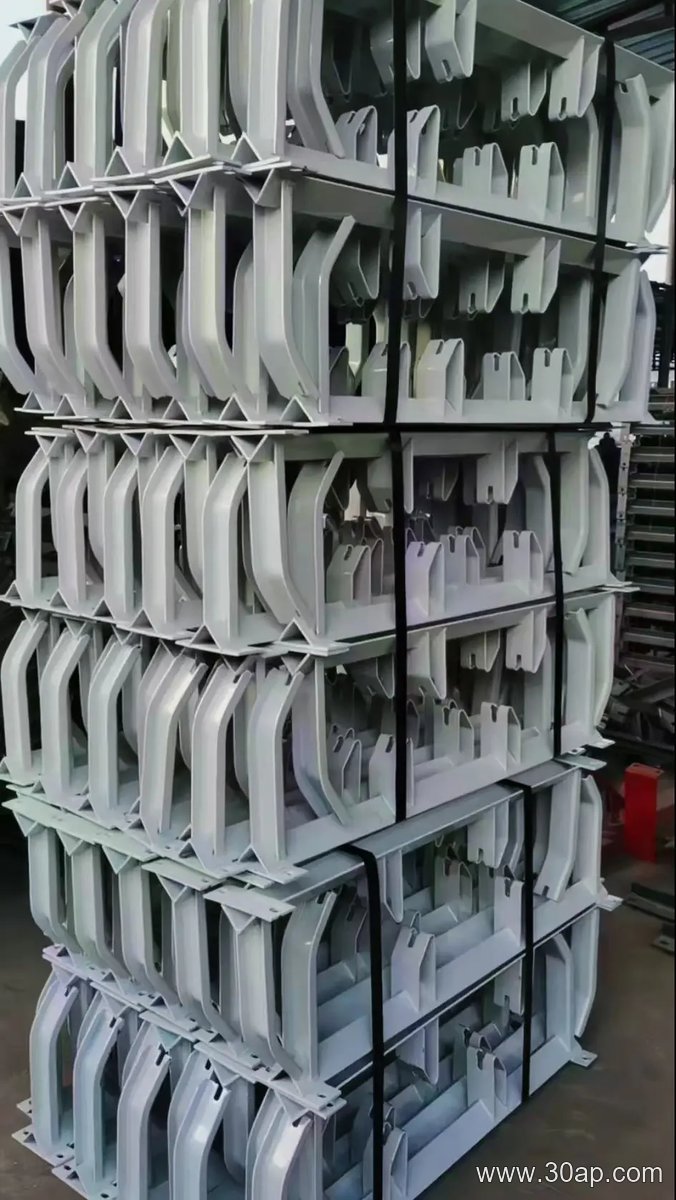
Typical roller diameters used with these brackets include Ø89, Ø108, Ø133, Ø159, and Ø194. Belt widths commonly range from B500 up to B2200. Trough angles are often 20 degrees, 30 degrees, 35 degrees, or 45 degrees. In some designs, a slight forward tilt of about 1.5 to 2 degrees helps belt tracking. These values are reference points, not fixed rules. The correct combination depends on the conveyor design, the material being carried, and the belt speed.
Common Adjustment Features
- Slotted mounting holes for changing the trough angle
- Pivoting arms for matching different roller diameters
- Locking bolts to hold the position after setup
- Reinforced base for impact zones near the loading point
Where Adjustable Brackets Are Used
These brackets appear in bulk material handling systems across many industries. In a limestone mine or an iron ore crushing circuit, the belt may need a steeper trough angle to keep lump ore centered. In a power plant coal yard, a 35 degree setting with Ø133 rollers is a common arrangement. Sand and gravel plants often use a 20 degree or 30 degree trough for smoother belt training.
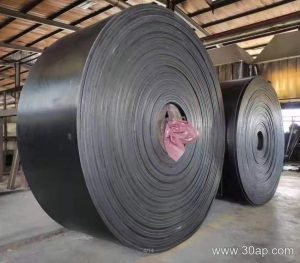
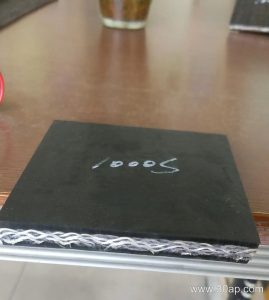
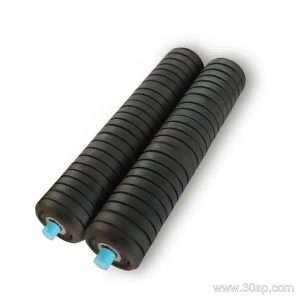
They are also found in fertilizer blending lines, grain silos, and tunnel muck removal conveyors. The bracket works together with the conveyor belt, the idler roller, and the conveyor pulley to keep the belt supported and aligned.
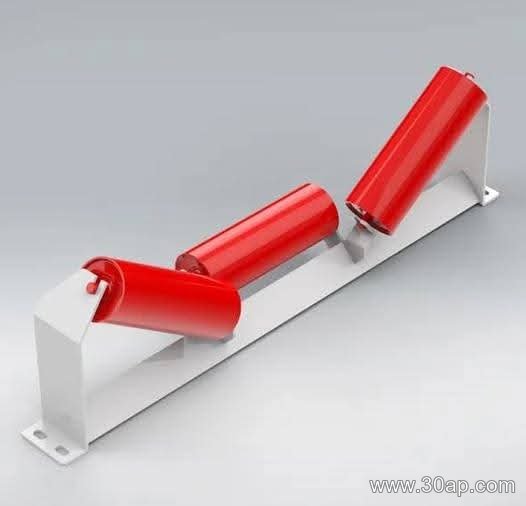
Adjustable vs Fixed Brackets
A fixed bracket is welded or bolted at one angle. It is simple and low cost, but it cannot be changed without cutting or replacing parts. An adjustable bracket costs more up front, yet it allows a plant to fine tune the trough shape as the belt ages or as material changes. For a cement plant that switches between clinker and additives, or a coal preparation plant with variable moisture, that adjustment range can reduce spillage and belt edge wear.
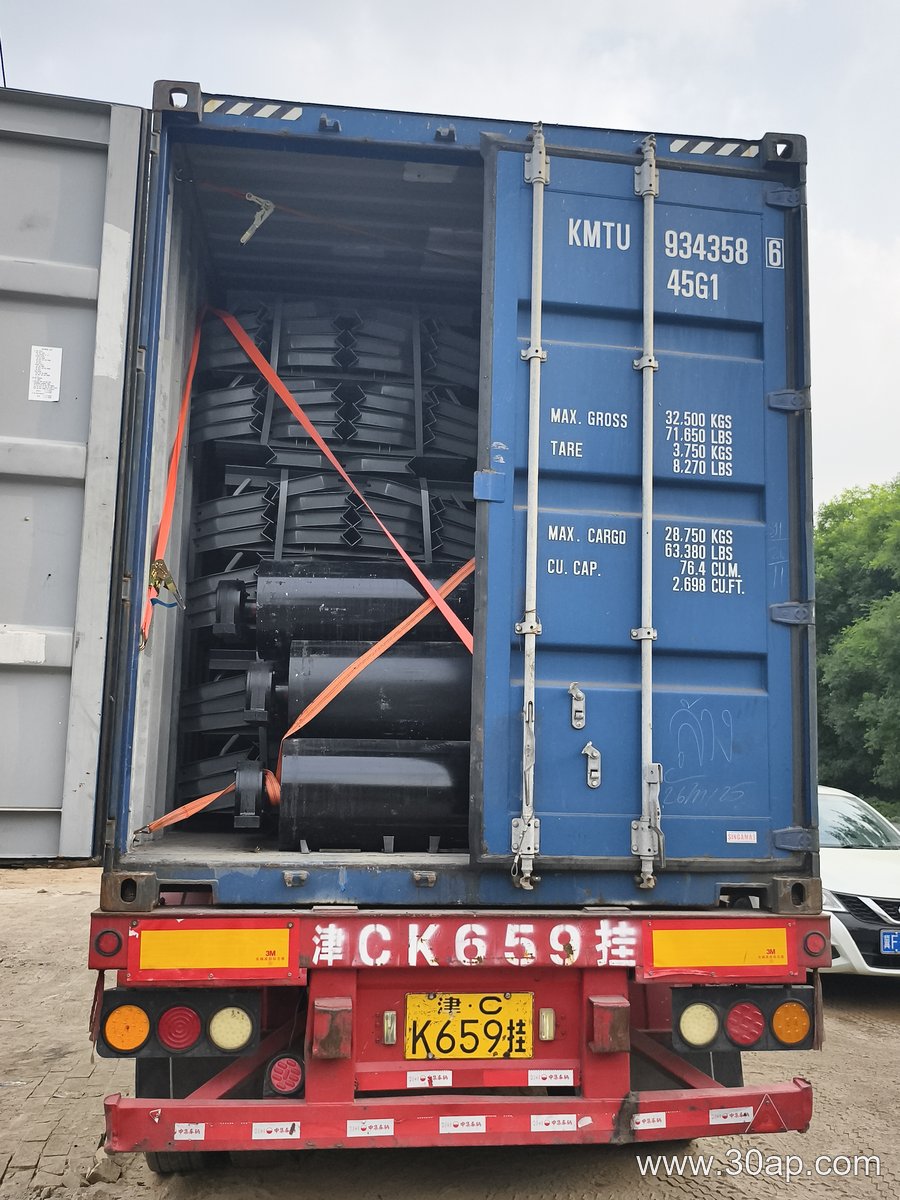
Selection Points for Buyers
Before ordering, confirm the belt width, the roller diameter, and the required trough angle. A B800 belt with Ø108 rollers at 35 degrees is one possible setup. A B1200 belt with Ø133 rollers at 45 degrees is another. Do not assume that one belt width matches only one roller size or one angle. Installation hole spacing and crossbeam length usually change with belt width and trough angle, so they should be confirmed against the conveyor drawing.
Reference Parameters
| Item | Common Range |
|---|---|
| Belt width | B500 to B2200 |
| Roller diameter | Ø89, Ø108, Ø133, Ø159, Ø194 |
| Trough angle | 20, 30, 35, 45 degrees |
| Material | Angle steel, channel steel, folded plate |
A buyer should also check the mounting pattern, the load rating, and whether the bracket is for a carrying side or a return side position. Return brackets and V-return brackets are different subtypes and should not be ordered as a replacement for a carrying side adjustable bracket.
Maintenance and Field Notes
Check the locking bolts after the first week of operation, then at regular intervals. Loose adjustment points can let the trough angle drift, which may cause the belt to run off center. If the bracket is installed near a crusher discharge or a transfer chute, inspect for impact damage and material buildup. Keeping the bracket aligned with the idler roller and the conveyor belt helps extend the life of all three components.