What an Underground Coal Mining Conveyor Belt Does
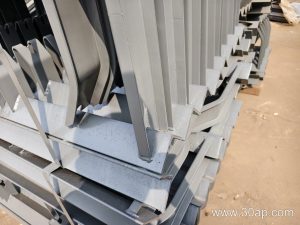
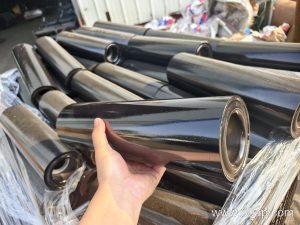
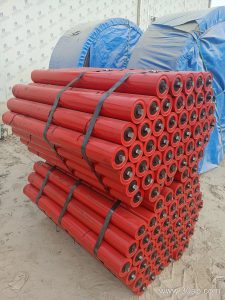
An underground coal mining conveyor belt is the continuous loop of rubber or polymer that carries coal from the working face to the surface or to a transfer point. In a confined tunnel, it must move material reliably, resist abrasion, and handle moisture, fines, and occasional impact. The belt itself is only one part of the system. It runs over idler rollers, wraps around a conveyor pulley at the head and tail, and is held in line by a conveyor bracket and frame. Together these parts form a transport line that often operates for long shifts with minimal attention.
Because underground coal is heavy and abrasive, the belt construction matters. A typical belt has a carcass that provides strength and a rubber cover that protects the carcass from wear and moisture. The carcass may be fabric, steel cord, or a combination. The cover is usually made from abrasion-resistant rubber, and in some cases it is flame-retardant to meet underground safety requirements. Buyers often select a Fabric Core Conveyor Belt for moderate tension and good flexibility, especially where the route has several curves and transfer points.
How the Belt Is Built
The strength of an underground coal mining conveyor belt comes from its carcass. Fabric plies are layered and bonded with rubber. The number of plies and the fabric type determine the belt’s tensile strength. For example, an EP1250 belt uses polyester and nylon fabric to achieve a nominal breaking strength of 1250 N/mm. This is a common grade for main haulage and long panel belts. Steel cord belts are used where higher tension and longer distances are required, but fabric belts remain popular because they are easier to splice and repair underground.
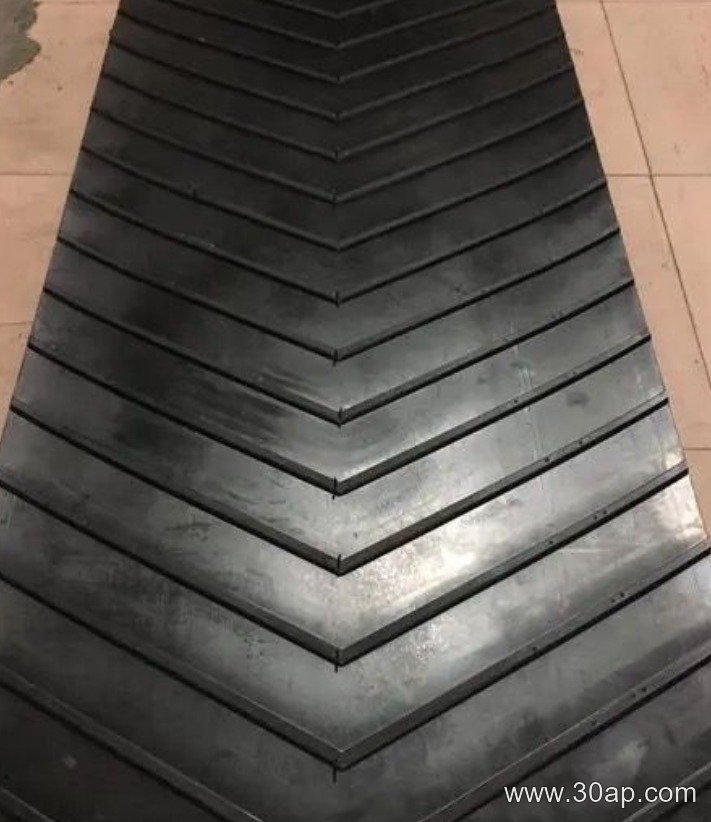
The cover protects the carcass. Cover thickness is usually given as top cover plus bottom cover. A 5+2 mm cover means 5 mm on the carrying side and 2 mm on the pulley side. This is a common choice for coal that is not extremely lumpy. For more abrasive conditions, a 6+2 mm or 8+3 mm cover may be selected. The cover compound can be designed for abrasion resistance, oil resistance, or flame resistance. Underground coal belts often need antistatic and flame-retardant properties, so the rubber compound is formulated accordingly.
Where It Is Used Underground
Underground coal mining conveyor belts are used in room-and-pillar and longwall operations. They transport coal from the continuous miner or shearer to a section belt, then to a panel belt, and finally to the main trunk belt that carries coal to the surface. The belt may also carry rock and dirt during development work. In steep seams, the belt may be inclined, which requires higher tension and better braking control.
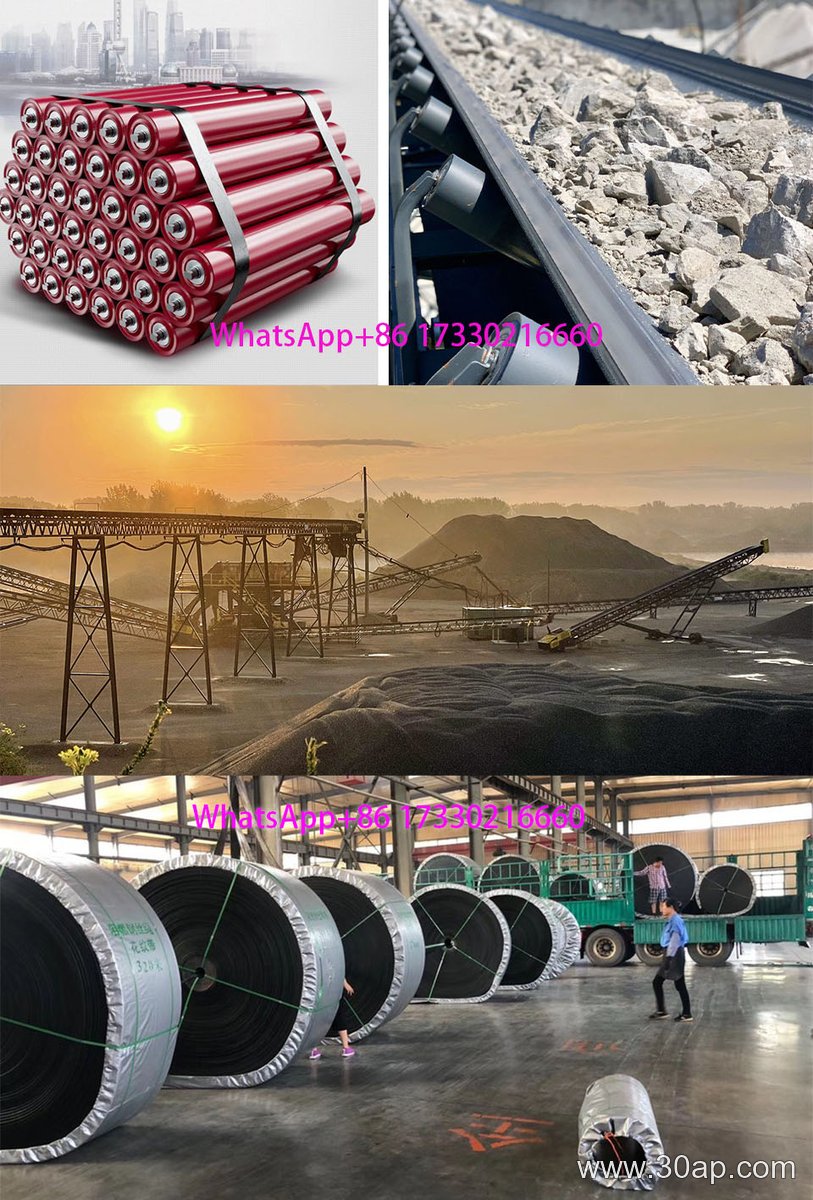
Beyond coal, similar belts appear in other heavy-duty industries. A Stone Crushing Conveyor Belt is used in quarries and aggregate plants to move crushed rock, gravel, and sand. A Power Plant Conveyor Belt handles coal, limestone, and biomass in power stations, often with a different cover compound to resist heat and oil. A PVC Mining Conveyor Belt is used in mines where a lighter, fire-resistant belt is preferred for shorter runs or where oil resistance is needed. These are all part of the same family of fabric-reinforced belts, but the cover and carcass are tuned to the application.
Key Sizes and Specifications
When specifying an underground coal mining conveyor belt, width and strength are the first decisions. Common belt widths include 1200 mm belt width and 1000 mm belt width. Narrower belts such as 800 mm or 900 mm are also used in development headings. Wider belts, such as 1400 mm, are sometimes chosen for high-capacity main lines. The belt width must match the idler roller and pulley face, and the structure must support the load without excessive sag.
Tension rating is another key factor. EP1250 is a common fabric belt grade. Higher grades such as EP1600 or EP2000 are available for longer or more heavily loaded conveyors. The cover thickness is selected based on the material. A 5+2 mm cover is a standard choice for coal with moderate abrasion. For sharp, heavy rock, a thicker cover such as 6+3 mm or 8+3 mm is better. The pulley diameter must also match the belt tension and carcass. Common pulley diameters include 500 mm, 630 mm, and 800 mm. Idler roller diameters typically range from 89 mm to 159 mm, depending on belt width and load.
What a Buyer Should Know
First, confirm the belt’s flame resistance and antistatic properties if it will be used underground. These are often required by mining regulations, and they must be documented. Second, check the carcass type and ply count. A Fabric Core Conveyor Belt with more plies is not always better; the right strength for the actual tension is what matters. Third, consider the splice. Mechanical fasteners are quick but can be weaker than vulcanized splices. A vulcanized splice gives a smoother surface and longer life, but it requires time and equipment underground.
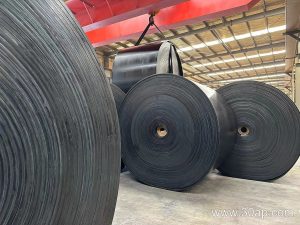
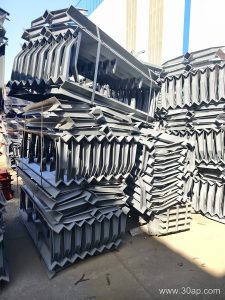
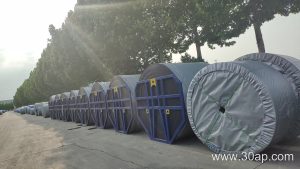
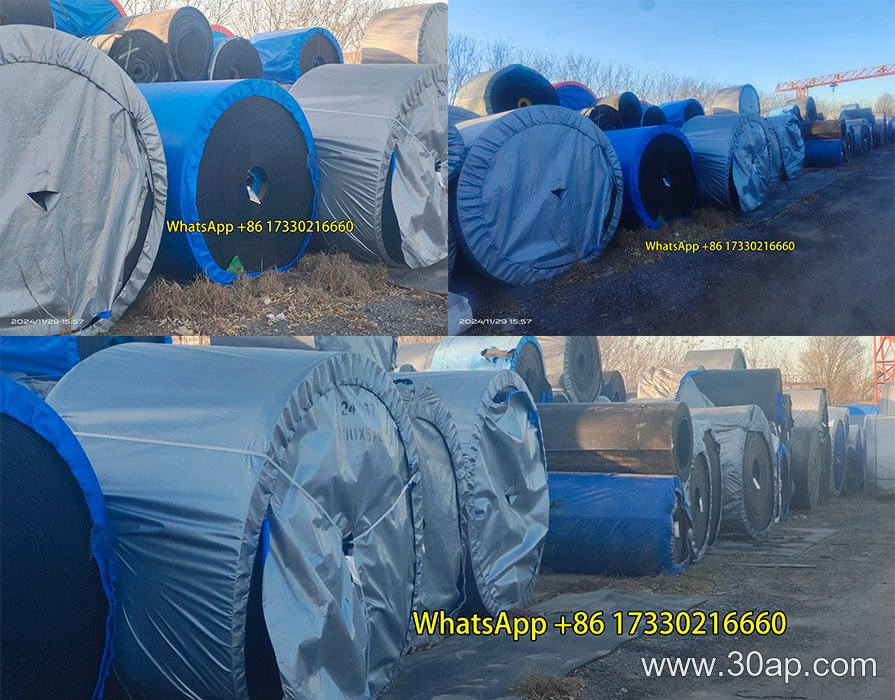
Fourth, match the belt to the conveyor components. The idler roller spacing, pulley diameter, and conveyor bracket must be compatible with the belt’s thickness and flexibility. A belt that is too stiff may not train well on the pulleys. A belt that is too soft may stretch and require frequent take-up adjustment. Fifth, ask for the cover compound details. Abrasion resistance is usually measured by DIN or ISO standards, and a higher abrasion-resistant cover lasts longer in coal haulage. Finally, plan for storage and handling. Underground coal mining conveyor belt is heavy and must be stored away from direct sunlight, heat, and oil. Rolls should be lifted with proper equipment, not dropped, to avoid carcass damage.
Maintenance and Long Life
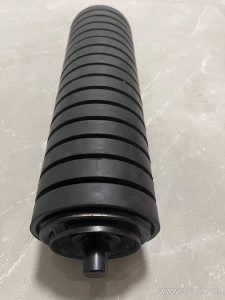
Even the best belt will fail early if the system is misaligned. Inspect the idler rollers regularly. A seized roller can wear a groove in the belt cover and eventually expose the carcass. Check the conveyor pulley for buildup and lagging wear. A worn pulley can slip and damage the belt. Keep the conveyor bracket and frame aligned so the belt runs centered. Clean spillage from the return side, because coal fines can pack around rollers and cause tracking problems. With proper care, an underground coal mining conveyor belt can deliver years of service, but it must be matched to the load, the route, and the environment.