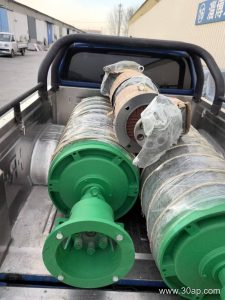
Conveyor Pulley: Selection and Purchasing Guide
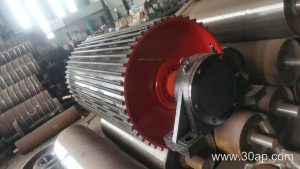
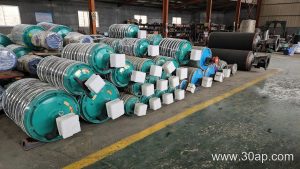
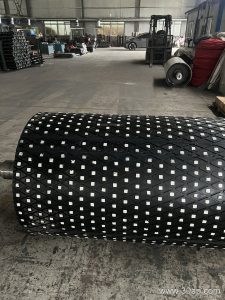
A conveyor pulley drives or redirects the belt. Choose the right one for reliability and uptime.
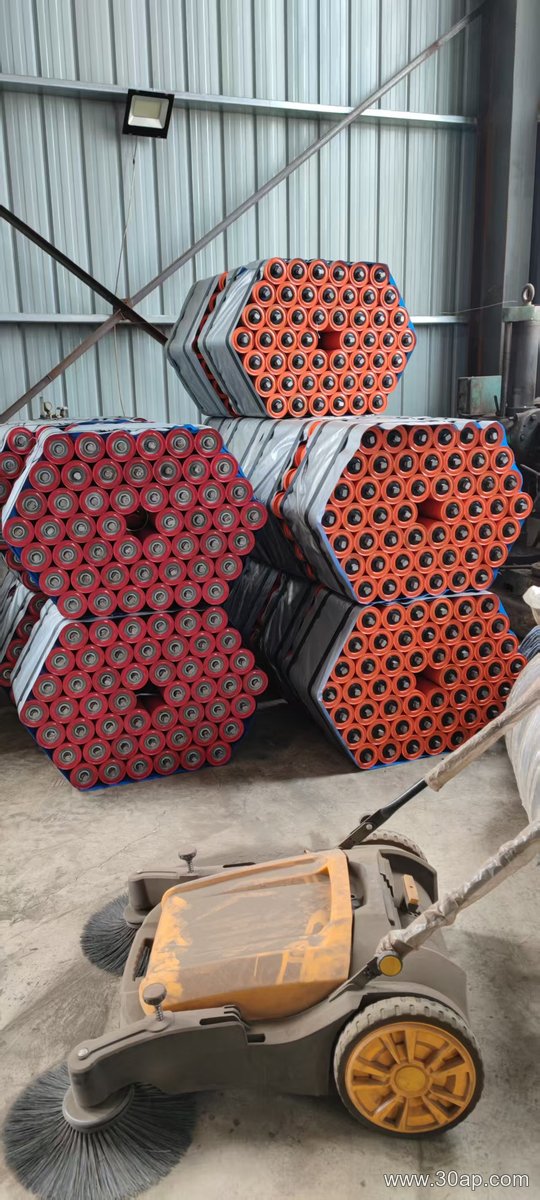
Key Buying Factors
- Drum diameter and face width
- Lagging type for grip
- Shaft and bearing load rating
- Material: steel or stainless
Match pulley to belt tension and environment. Verify balance and runout before purchase.
Conveyor Bracket Essentials
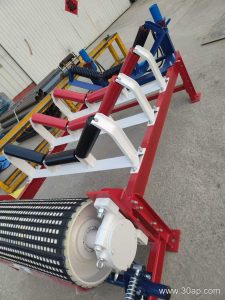
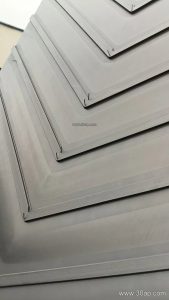
A conveyor bracket supports idlers, pulleys, and frames. Choose mild steel, stainless, or polymer based on load, corrosion, and belt speed.
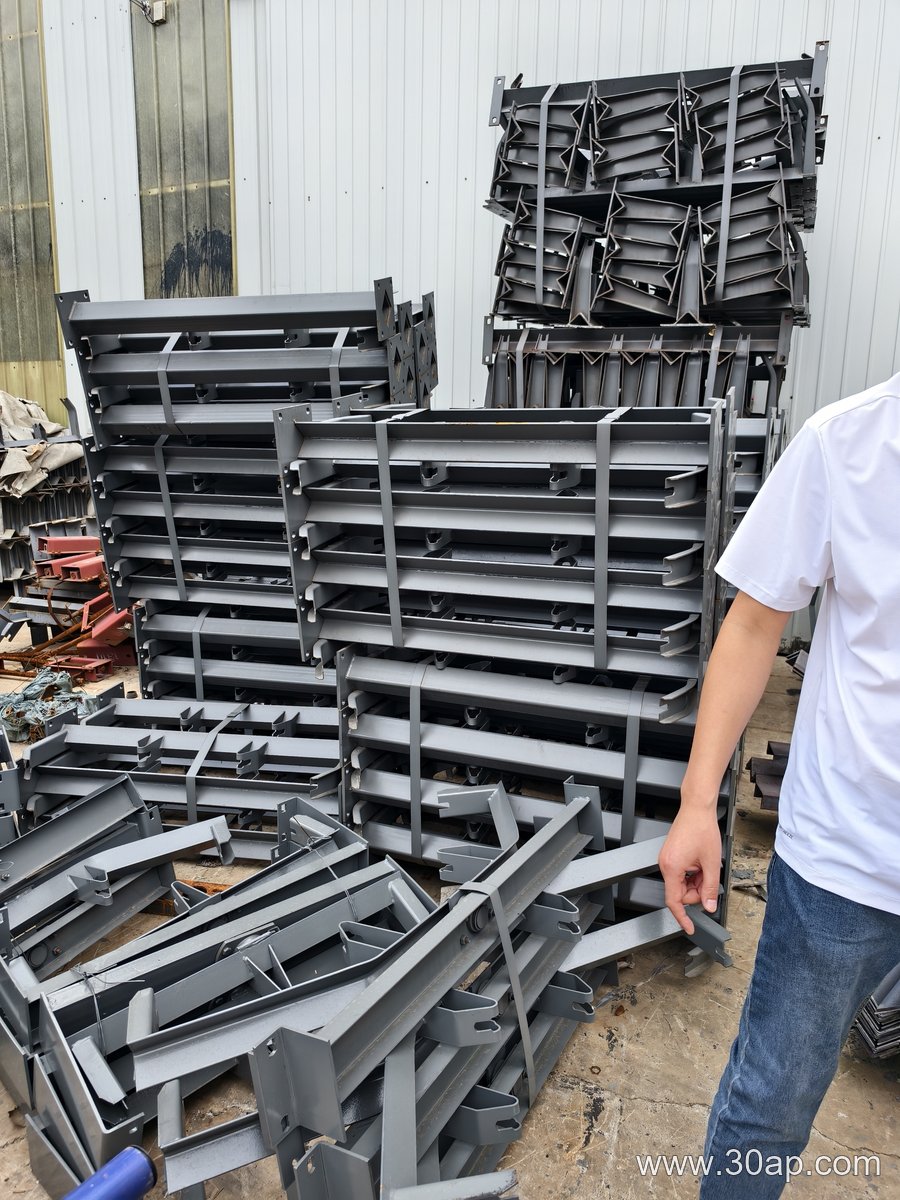
Selection Tips
- Match bolt holes and load ratings.
- Verify alignment tolerances.
- Prefer adjustable or slotted designs.
Purchasing Advice
Request material certs, check coating, and compare lead times. Buy from suppliers offering samples and consistent batch quality.
Conveyor Belt Selection and Purchasing Guide
A conveyor belt is a core component in bulk material handling. Choose the right belt by assessing load, speed, and environment.

Key Selection Factors
- Material: rubber, PVC, or steel cord
- Load and tension requirements
- Temperature and chemical exposure
- Belt width, ply, and cover grade
Purchasing Advice
Verify international standards, request test reports, and compare total cost of ownership. Confirm export packaging and lead times before ordering.
Idler Roller: Selection and Purchasing Advice
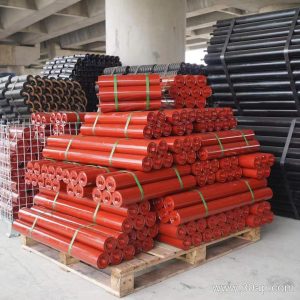
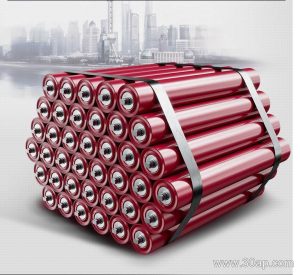
An idler roller supports and guides conveyor belts without driving them. Choose the right one to reduce wear, noise, and downtime.

Key Selection Factors
- Load capacity and belt width
- Bearing type: sealed or open
- Material: steel, stainless, or polymer
- Environmental conditions: dust, moisture, temperature
Purchasing Tips
Verify shaft diameter, mounting style, and tolerance. Prefer balanced, dynamically tested rollers. Compare lifecycle cost, not just unit price.