What a Return Idler Bracket Does
A return idler bracket is the mounting hardware that holds the lower idler rollers in place on a conveyor system. While the carrying side of the belt rides on troughing idlers, the returning side needs its own support, and that support comes from return idlers seated in these brackets. The bracket itself does not turn or carry the load directly; it positions the idler roller so the belt runs smoothly on its way back to the tail pulley. Without a stable mounting point, the return roller would shift, vibrate, or drop out of alignment, causing belt tracking problems and unnecessary wear.
In everyday workshop language, this part is also called a return roller bracket or lower idler support bracket. The name changes with the region and the drawing, but the function stays the same: fix the return idler at the correct height and angle relative to the conveyor frame.
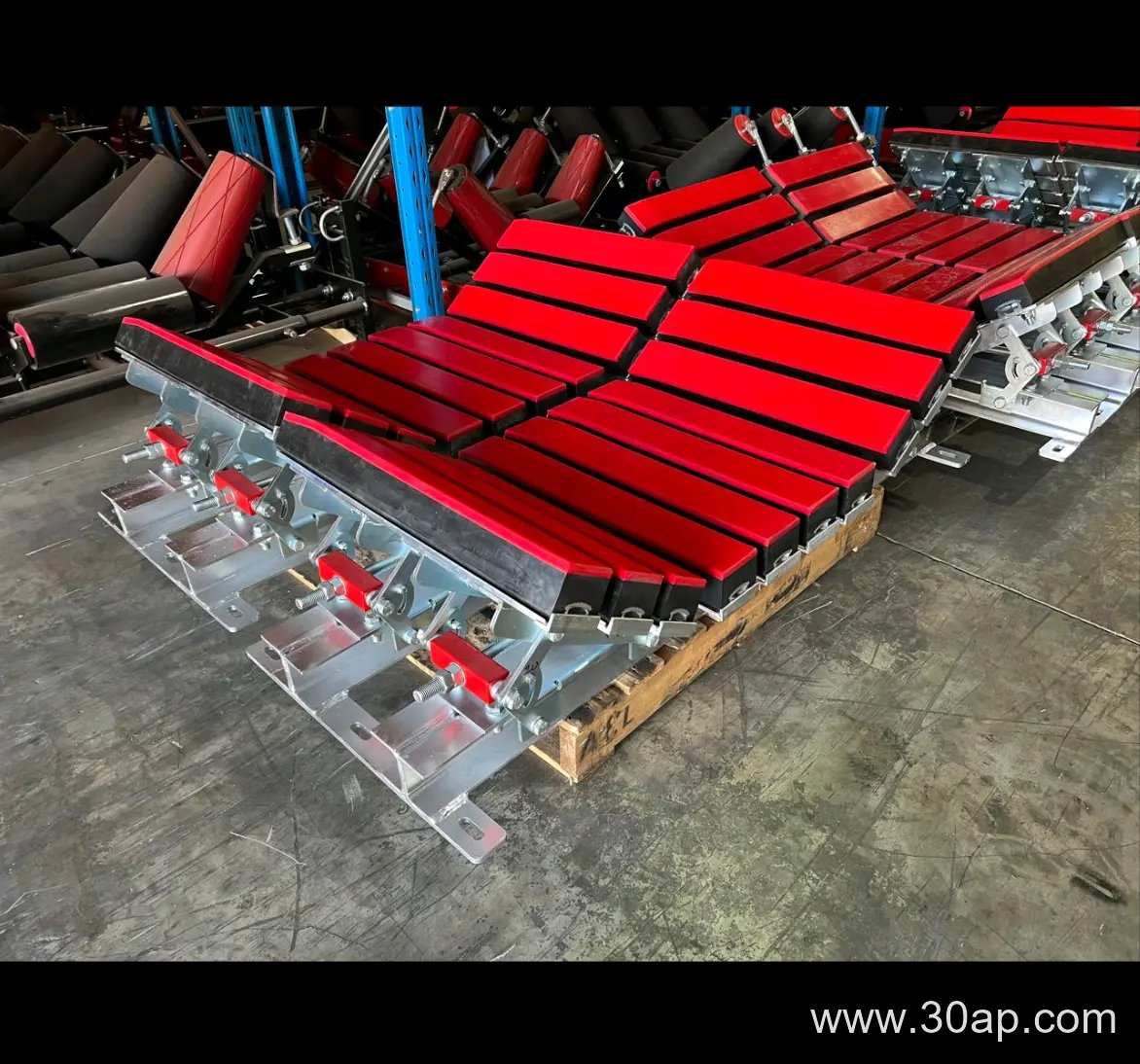
How the Bracket Is Built
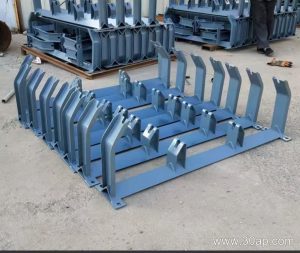
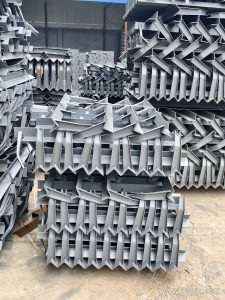
Most return idler brackets are fabricated from steel. Common materials include angle steel, channel steel, and folded steel plate. The choice depends on the load the return roller must carry and the environment where the conveyor operates. A typical bracket has a base plate or beam connection point, a cradle or flat seat for the idler shaft, and slots or holes that allow some adjustment during installation.
Flat return brackets hold a single horizontal idler roller under the belt. V-return brackets hold two rollers set at a shallow angle, which helps center the belt on the return run. Both designs are considered return idler brackets, and both serve the lower strand of the conveyor. The bracket may be fixed or adjustable, depending on whether the conveyor design requires fine tuning of the roller position after installation.
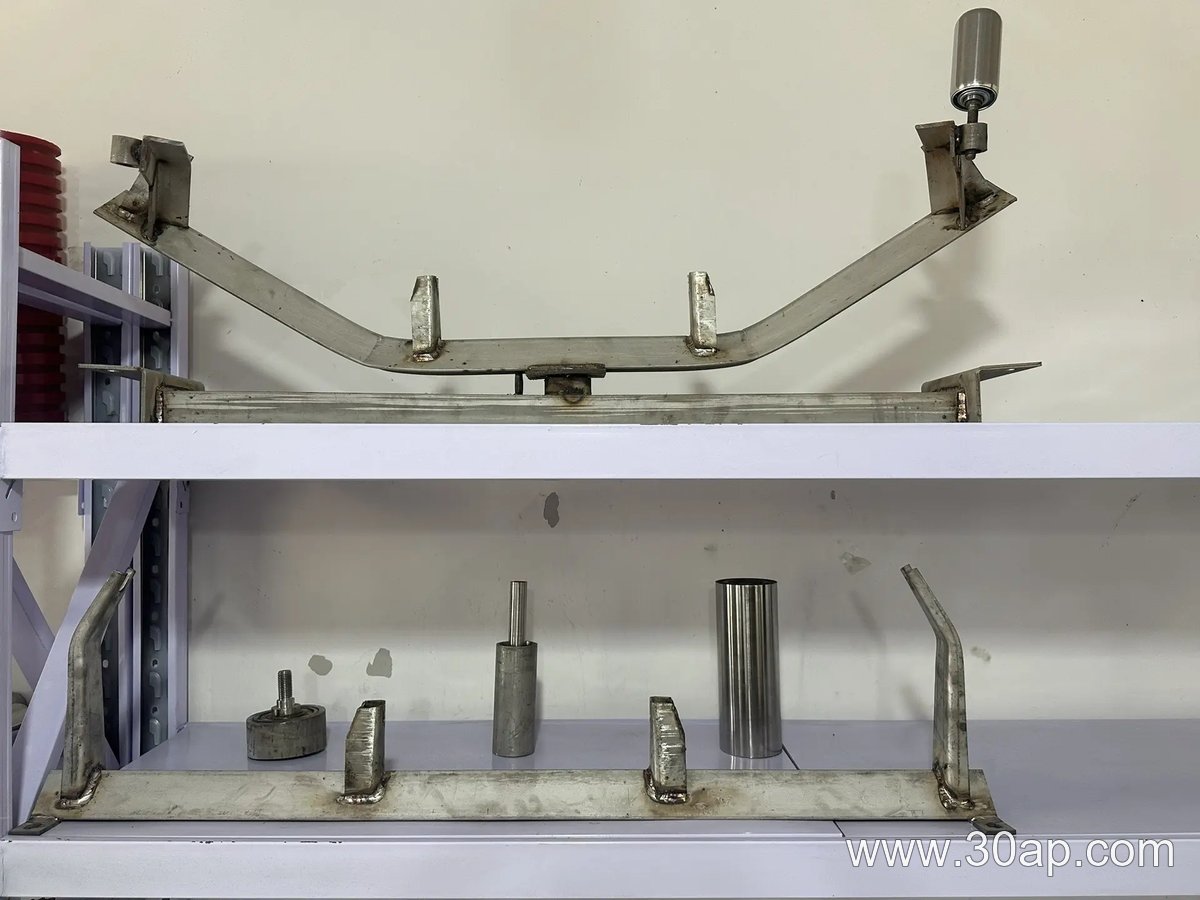
Where It Fits on the Conveyor
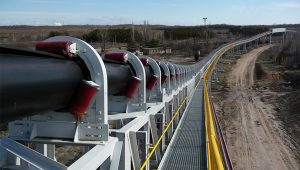
The return idler bracket mounts to the conveyor frame between the tail pulley and the drive pulley, spaced along the return strand according to the belt width and load. It works together with the conveyor belt, the idler roller, and the conveyor bracket system as a whole. In a typical arrangement, the bracket is bolted or welded to the longitudinal beams, and the return idler drops into the seat. The belt then slides over the roller, which rotates freely and reduces friction.
These brackets are found in many bulk material handling settings. In a quarry or a limestone mine, for example, the return run often carries dust and small spillage, so the bracket must resist buildup and keep the roller turning. In a coal preparation plant or a power station coal yard, the return idler bracket may need extra protection against fine particles and moisture. The same part appears in sand and gravel lines, crushing and screening circuits, and cement plants, wherever a conveyor belt returns empty.
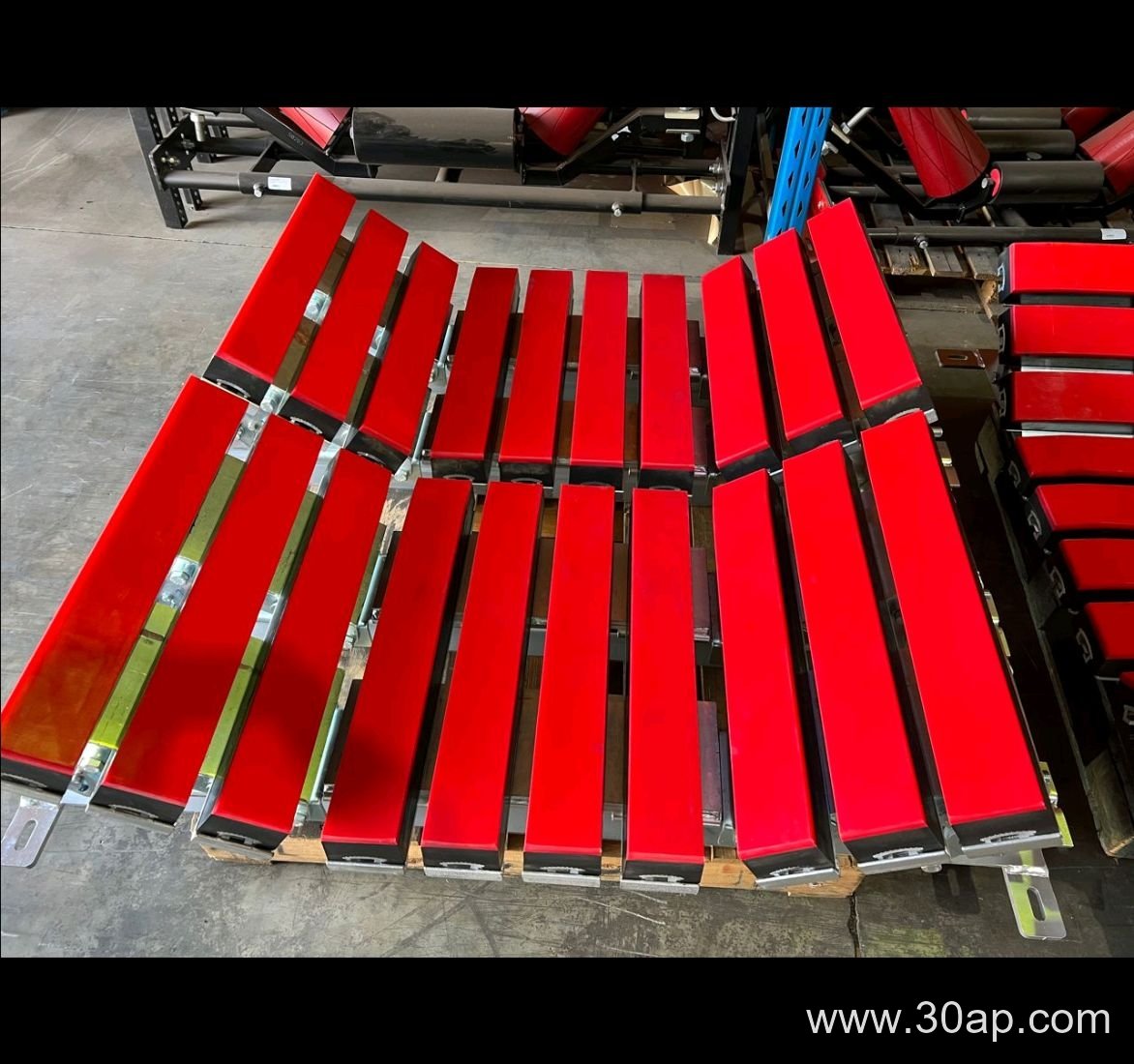
Adjustable and Fixed Return Idler Brackets
An adjustable return idler bracket allows the roller to be moved slightly up, down, or sideways to correct belt tracking or to accommodate minor frame variations. A fixed bracket is simpler and cheaper, but it offers no room for adjustment after installation. The choice depends on the conveyor length, the belt width, and how critical tracking is for the application.
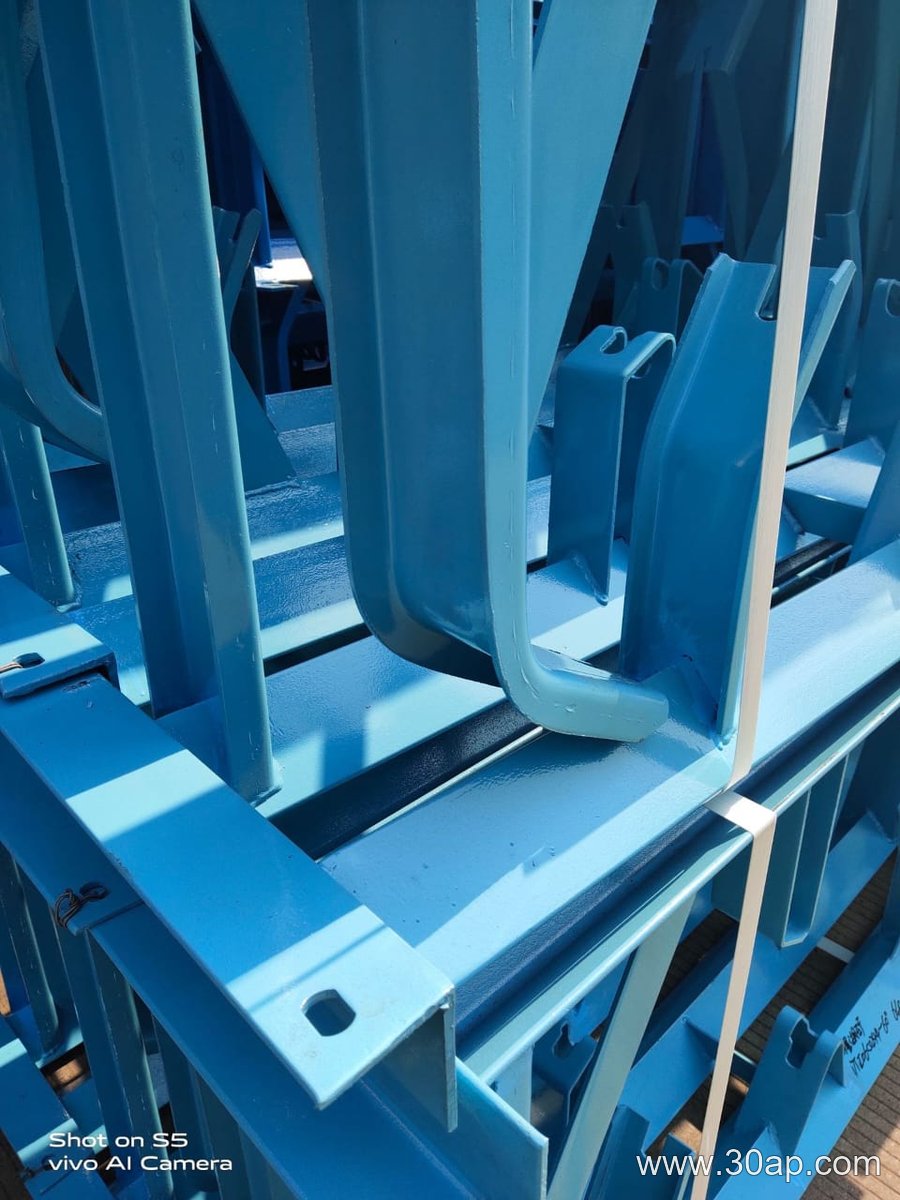
For comparison, a troughing idler bracket on the carrying side is designed to support three rollers at a trough angle, usually 20, 30, 35, or 45 degrees. A return idler bracket does not create a trough; it supports the belt in a flat or V shape on the return run. This difference in function means the two bracket types are not interchangeable, even though both belong to the same conveyor frame.
What Buyers Should Consider
When selecting a return idler bracket, the first step is to confirm the belt width, such as B650, B800, B1000, or B1200, because the bracket width and mounting hole spacing usually change with the belt size. The roller diameter also matters: common return idler diameters include 89 mm, 108 mm, 133 mm, 159 mm, and 194 mm. A bracket designed for a 108 mm roller will not properly seat a 159 mm roller without an adapter or a different cradle.
Buyers should also check the mounting method, the frame beam spacing, and whether the bracket needs to be fixed or adjustable. The material thickness and surface treatment should match the environment. In dusty or wet conditions, a folded steel plate bracket with a simple, open shape is often easier to clean than a complex welded assembly. Installation hole spacing and beam length are determined by the conveyor design, not by a single universal number.
Finally, remember that the return idler bracket is a support component, not a pulley. It does not drive the belt, and it does not change direction like a bend pulley. Its job is to keep the return idler roller in the right place so the belt can travel back to the tail pulley with minimal friction and stable tracking. A well-chosen bracket is a small but important part of keeping a conveyor system running smoothly.