What Is a Carbon Steel Conveyor Bracket
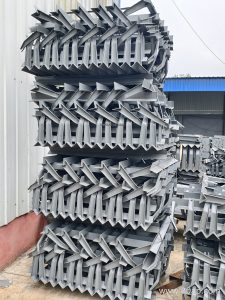
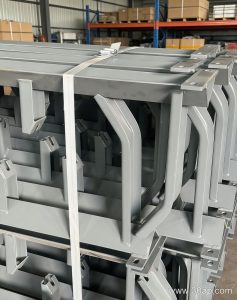
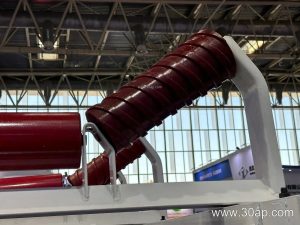
A carbon steel conveyor bracket is the structural support that holds idler rollers in place along a conveyor system. Often called a conveyor idler bracket or roller support bracket, it is typically fabricated from angle steel, channel steel, or bent steel plate. The bracket keeps the idler roller at the correct height and angle so the conveyor belt runs smoothly, especially in demanding settings like a quarry, coal preparation plant, or cement plant. You will find these brackets working alongside the conveyor belt, conveyor pulley, and idler roller to keep bulk material moving efficiently. For related conveyor components, visit conveyor belt.
How a Carbon Steel Conveyor Bracket Is Built
Most brackets start as cut lengths of carbon steel. Angle steel and channel steel are common because they offer good stiffness at a reasonable weight. Bent steel plate is another option when a more compact or custom shape is needed. The fabrication process usually involves cutting, drilling mounting holes, and welding or bolting tabs that hold the idler shaft. The bracket must be strong enough to resist vibration and material load without bending. In a sand and gravel line or a power plant coal handling system, the bracket also needs to tolerate dust and occasional impact. A well-built carbon steel bracket keeps the idler roller aligned, which in turn protects the conveyor belt from edge damage and mistracking.
Common Bracket Types and Where They Fit
Conveyor brackets come in several forms, and the choice depends on the idler position and the job the belt must do. Here are the main types you will see:
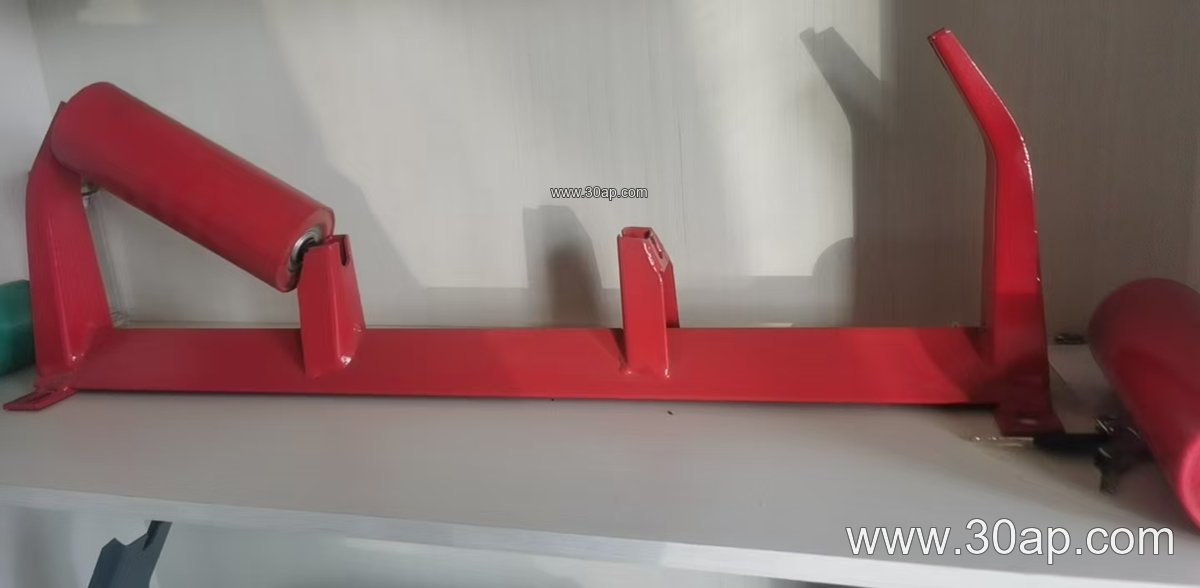
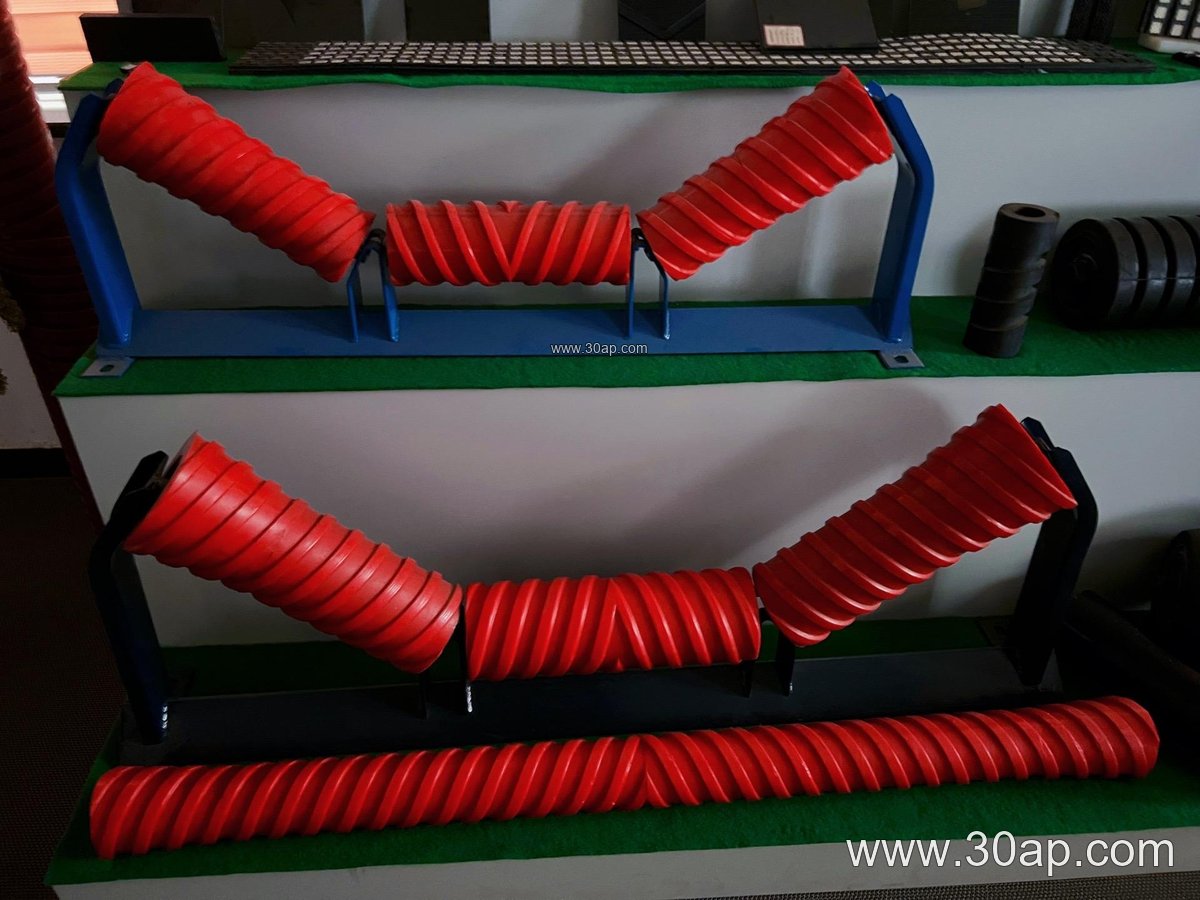
- Troughing bracket (carrying side): supports three idlers in a trough shape to cup the belt and hold bulk material. Common trough angles are 20, 30, 35, and 45 degrees.
- Transition bracket: used near the pulley to help the belt change from flat to troughed without stress.
- Return bracket (flat or V-type): supports the belt on its return run. A V-return bracket helps center the belt.
- Impact bracket: placed at loading points to absorb the shock of falling material, often with rubber cushioning.
- Self-aligning bracket: allows slight movement to correct belt mistracking.
- Adjustable bracket: lets maintenance staff change the trough angle or height to fine-tune belt contact.
For a comparison, a bend pulley changes belt direction, while a bracket simply holds the idlers that support the belt. The two are not interchangeable. If you need conveyor pulleys, see conveyor pulley.
Typical Sizes and Configurations
Bracket dimensions follow the belt width and the idler diameter. The table below shows common reference combinations. These are examples, not fixed rules, and final selection depends on the conveyor design.
| Belt Width | Trough Angle | Idler Diameter | Typical Bracket Material |
|---|---|---|---|
| B500 | 20° – 30° | Ø89 | Angle steel |
| B650 | 30° – 35° | Ø89 / Ø108 | Angle steel or bent plate |
| B800 | 30° – 35° – 45° | Ø108 / Ø133 | Channel steel |
| B1000 | 35° – 45° | Ø108 / Ø133 / Ø159 | Channel steel |
| B1200 | 35° – 45° | Ø133 / Ø159 | Channel steel or bent plate |
| B1400 | 35° – 45° | Ø133 / Ø159 / Ø194 | Channel steel |
| B1600 | 35° – 45° | Ø159 / Ø194 | Heavy channel steel |
| B1800 – B2000 | 35° – 45° | Ø159 / Ø194 | Heavy channel steel |
Installation hole spacing and crossbeam length change with belt width and trough angle. Do not assume one belt width matches only one idler diameter; the design engineer pairs them based on load and belt stiffness.
Where Carbon Steel Conveyor Brackets Are Used
These brackets appear in almost every bulk handling industry. In a limestone mine or iron ore operation, heavy-duty brackets support idlers under sharp, abrasive rock. In a coal preparation plant or underground coal mining conveyor, flame retardant and anti-static properties matter for the belt, while the bracket must resist corrosion and impact. Cement plants use them on clinker and raw meal lines. Power plant coal yards rely on them for continuous fuel feed. Port ship loaders and aggregate yards also use carbon steel brackets because they are cost-effective and easy to maintain. When paired with a corrugated sidewall conveyor belt or a chevron conveyor belt, the bracket layout must match the belt profile and cleat height.
Buyer Checklist for Carbon Steel Conveyor Brackets
Before ordering, confirm the belt width (for example B800 or B1200), the required trough angle, and the idler diameter. Check the mounting hole pattern on your conveyor frame. Ask whether the bracket is fixed or adjustable. For dusty or wet areas, consider a surface finish such as painting or galvanizing. Review the steel thickness and weld quality, because a weak bracket can vibrate loose and damage the idler roller or the conveyor belt. If your system uses a steel cord conveyor belt or a heavy-duty mining conveyor belt, specify a heavier bracket section. Always request a dimensional drawing so the bracket fits your existing structure. For more on belts and rollers, see idler roller.