Conveyor Belt Selection Guide
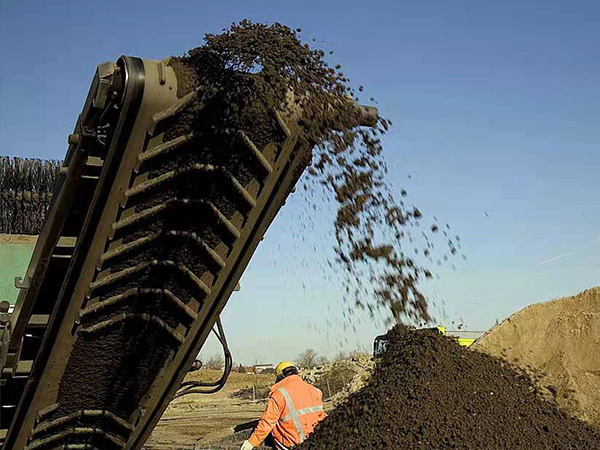
A conveyor belt is the core of any bulk handling system. Match belt type to material, load, and environment before you buy.
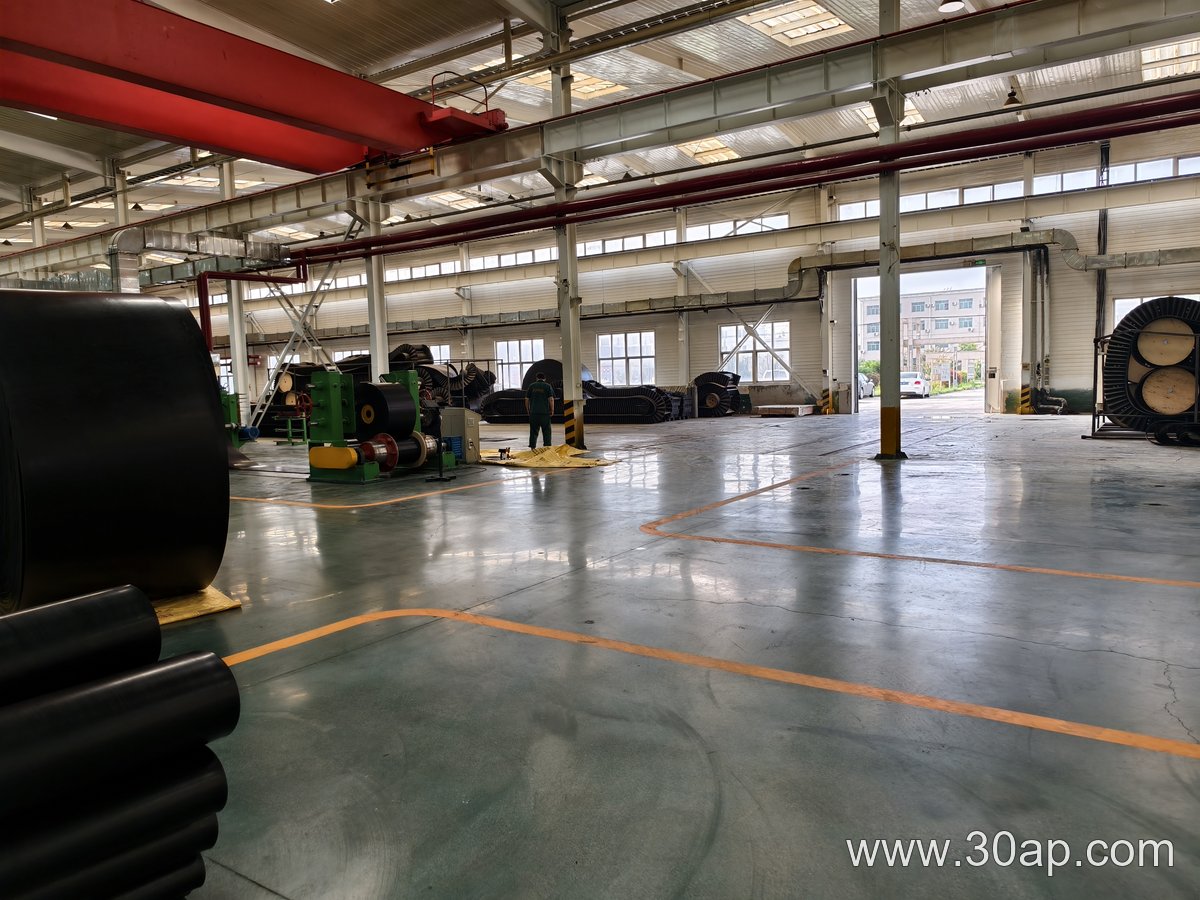
Key Selection Factors
- Material: rubber, PVC, or steel cord
- Load weight and belt width
- Temperature, oil, and abrasion resistance
- Cleats, sidewalls, or food-grade options
Purchasing Advice
Request tensile strength data, splice type, and lead time. Confirm export packing and spare parts availability. Compare total cost, not price alone.
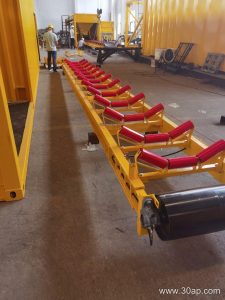
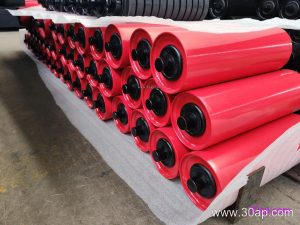
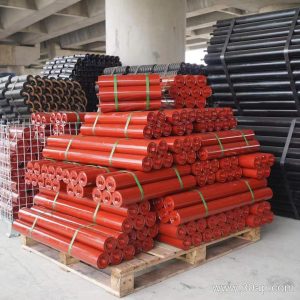
Idler Roller: The Core of Reliable Conveyor Systems
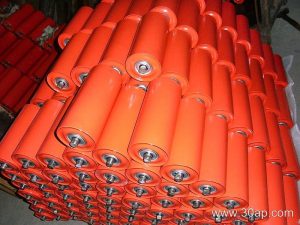
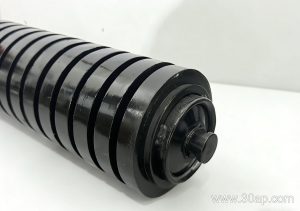
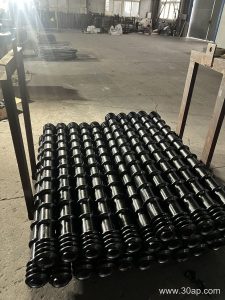
An idler roller supports the belt and reduces friction in bulk material handling. Choosing the right one improves uptime, energy use, and safety.
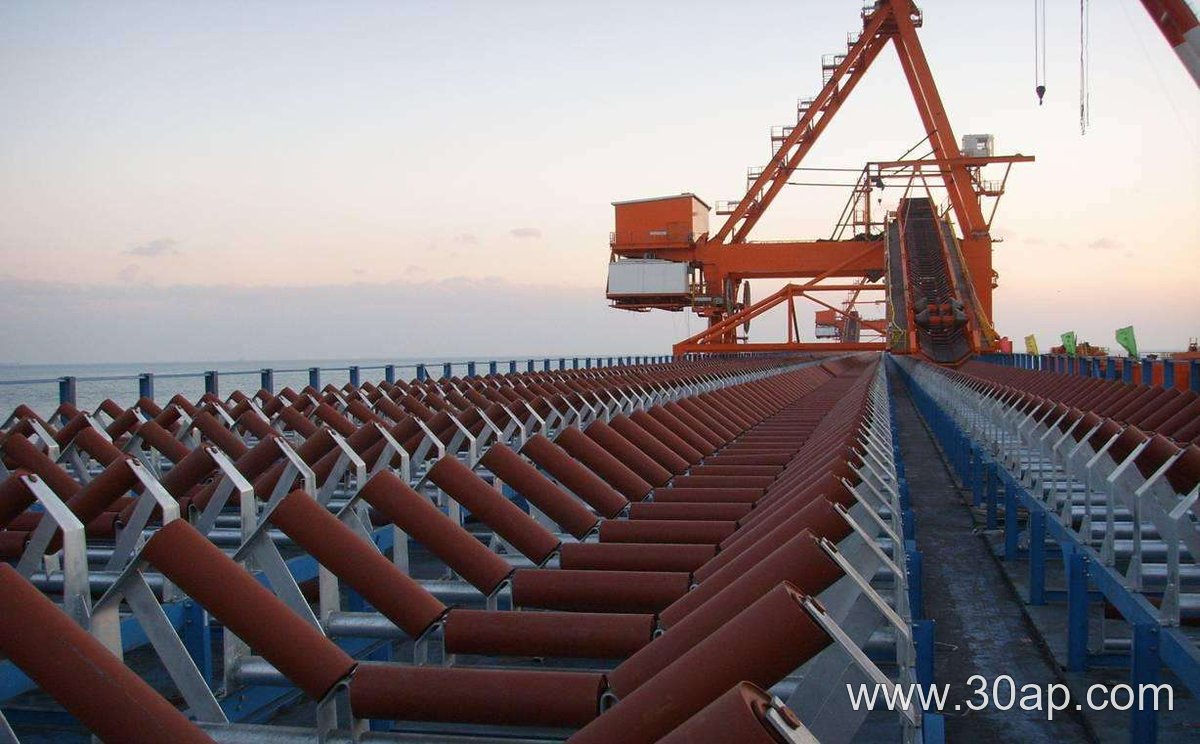
Key Selection Factors
- Load capacity and belt width
- Bearing type and sealing for dust or moisture
- Roller diameter, wall thickness, and material
- Environmental conditions and duty cycle
Purchasing Advice
Verify tolerances, balance, and concentricity. Request test reports and compare total cost of ownership, not just unit price.
Understanding Conveyor Pulley Selection
A conveyor pulley drives or redirects your belt. Choose the wrong one and the whole line fails. Start with the belt width, load, and speed.
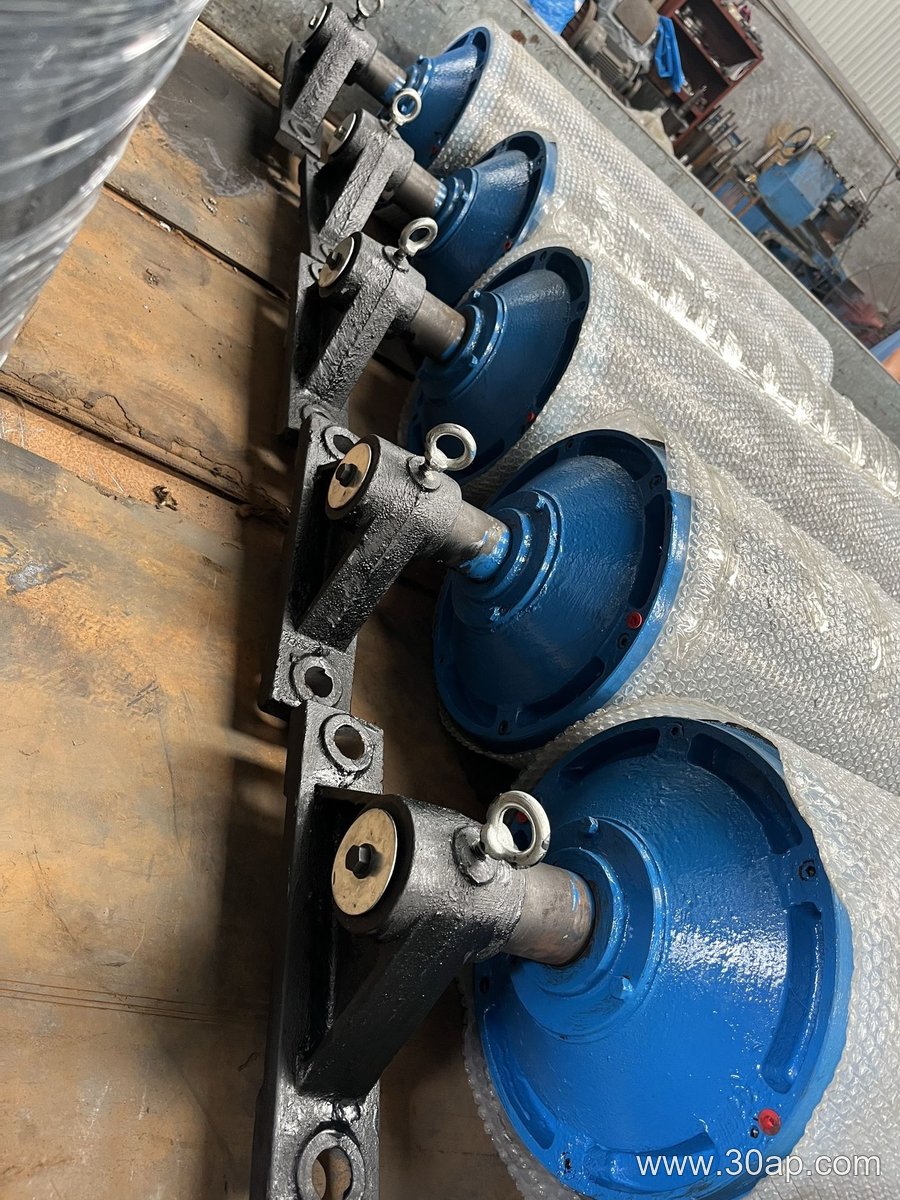
Key Purchasing Criteria
- Drum diameter and face length must match your belt.
- Check shaft, bearing, and lagging type for grip and wear.
- Confirm material: mild steel, stainless, or rubber-lagged.
For export, request mill test certificates, balance reports, and a warranty. Compare crowned versus flat face, and always verify the pulley’s dynamic balance before shipping.
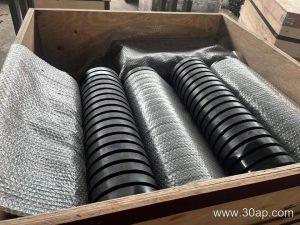
Conveyor Bracket: The Backbone of Your Conveyor System
A conveyor bracket supports rollers, idlers, and frames. Choose the right one for uptime.
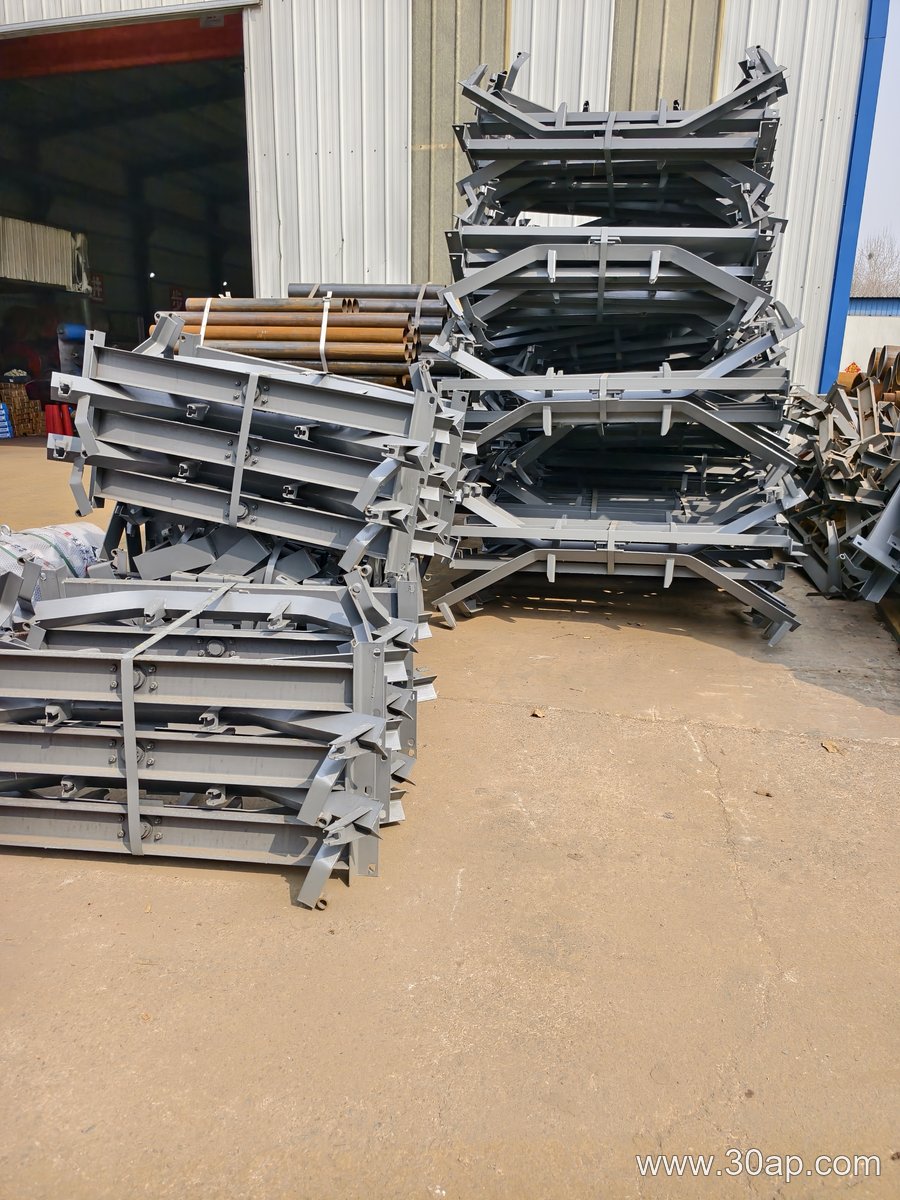
Selection and Purchasing Advice
- Match material to load and environment.
- Check hole patterns and load ratings.
- Prefer adjustable, corrosion-resistant designs.
- Buy from suppliers offering tolerances and testing data.