What a Fixed Conveyor Bracket Does on the Line
In a stone crushing plant or a cement plant, the conveyor structure carries more than the belt and the material. It also holds every idler roller in the right position so the belt keeps its trough shape and tracks straight. A fixed conveyor bracket is the non-adjustable support that locks the idler frame to the stringer at a set angle and height. Unlike an adjustable bracket, it does not allow the operator to change the trough angle later; the angle is built in at the fabricator. That makes it a good fit for lines where the belt width, trough angle and roller diameter are already settled and repeatability across many frames matters more than field flexibility.
How the Bracket Is Built
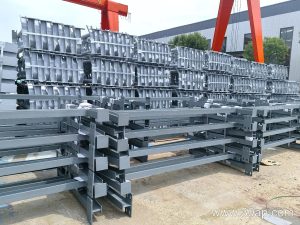
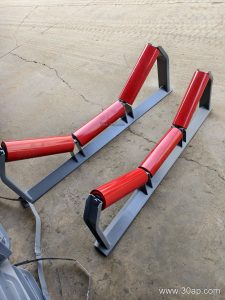
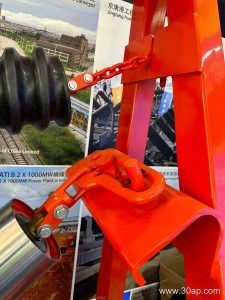
Most fixed brackets are formed from angle steel, channel steel or folded steel plate. The design has two jobs: hold the idler roller firmly and keep the mounting holes aligned with the stringer. For a troughing position, the bracket usually carries the side rollers at a fixed trough angle and may include a slight forward tilt of about 1.5 to 2 degrees to help the belt centre itself. For a return position, a flat or V-return bracket supports the belt on its clean side. The bracket is welded or bolted to the conveyor frame, and the idler shaft sits in a slot or hole sized to the roller diameter.
Because the bracket is fixed, the hole spacing and crossbeam length are determined by the belt width and the trough angle. A B650 frame with 30 degrees and Ø89 rollers will not share the same bracket as a B1200 frame with 45 degrees and Ø133 rollers. Buyers should confirm the interface dimensions rather than assume a standard hole pattern.
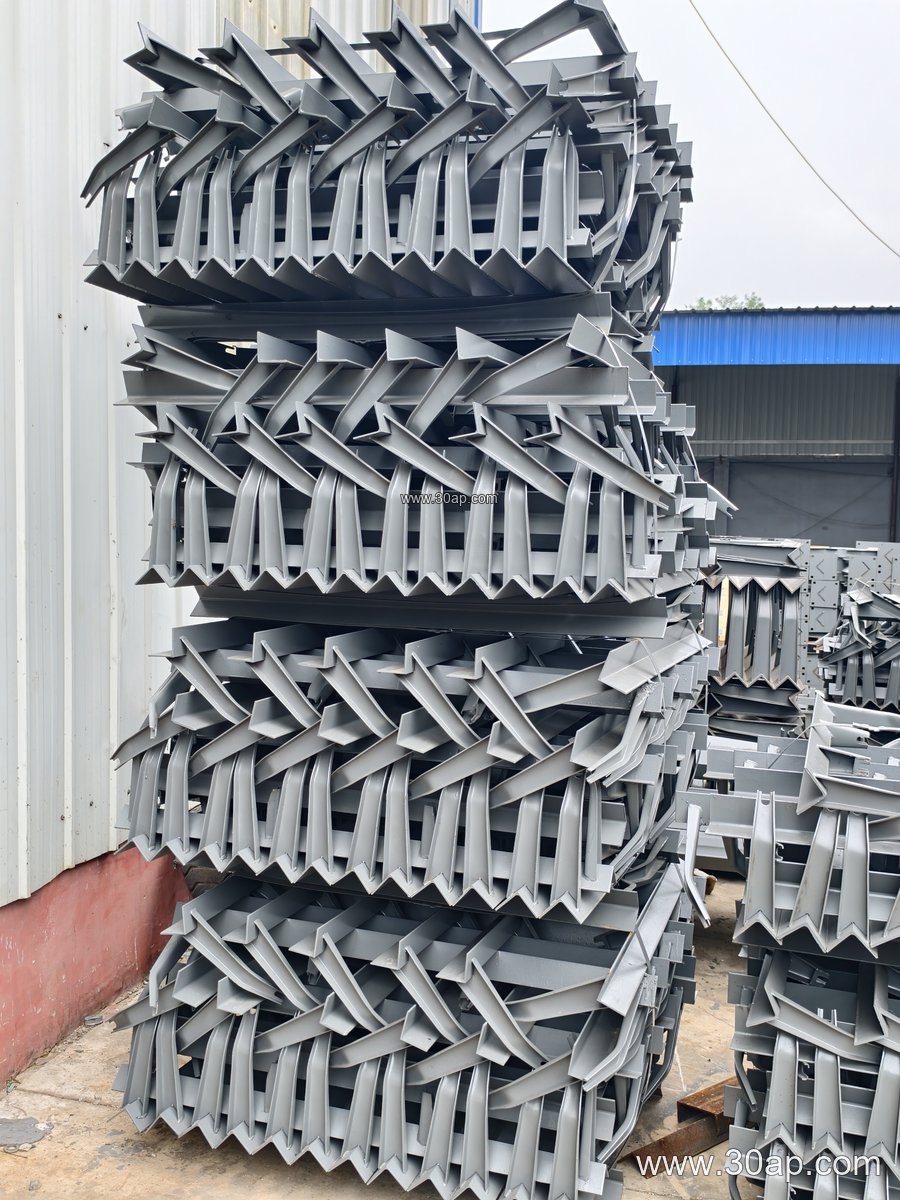
Where Fixed Brackets Are Used
You will see them in primary crushing circuits, aggregate conveyors and power plant coal handling, where the same frame design is repeated dozens of times. In a quarry conveyor or a cement plant, a fixed bracket keeps the trough geometry constant along the run, which helps a heavy-duty mining conveyor belt stay seated. They are also common on transfer points and in tunnels where access for adjustment is limited and a stable, welded structure is preferred.
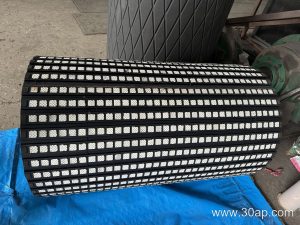
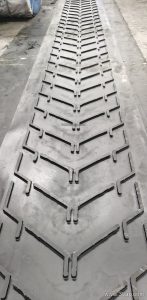
Fixed brackets are often used together with a conveyor pulley at the head and tail, and with a conveyor belt that has been selected for the material. When the belt is a chevron conveyor belt or a corrugated sidewall conveyor belt, the bracket height still needs to clear the cleats or sidewalls, so the idler position must be checked against the belt profile.
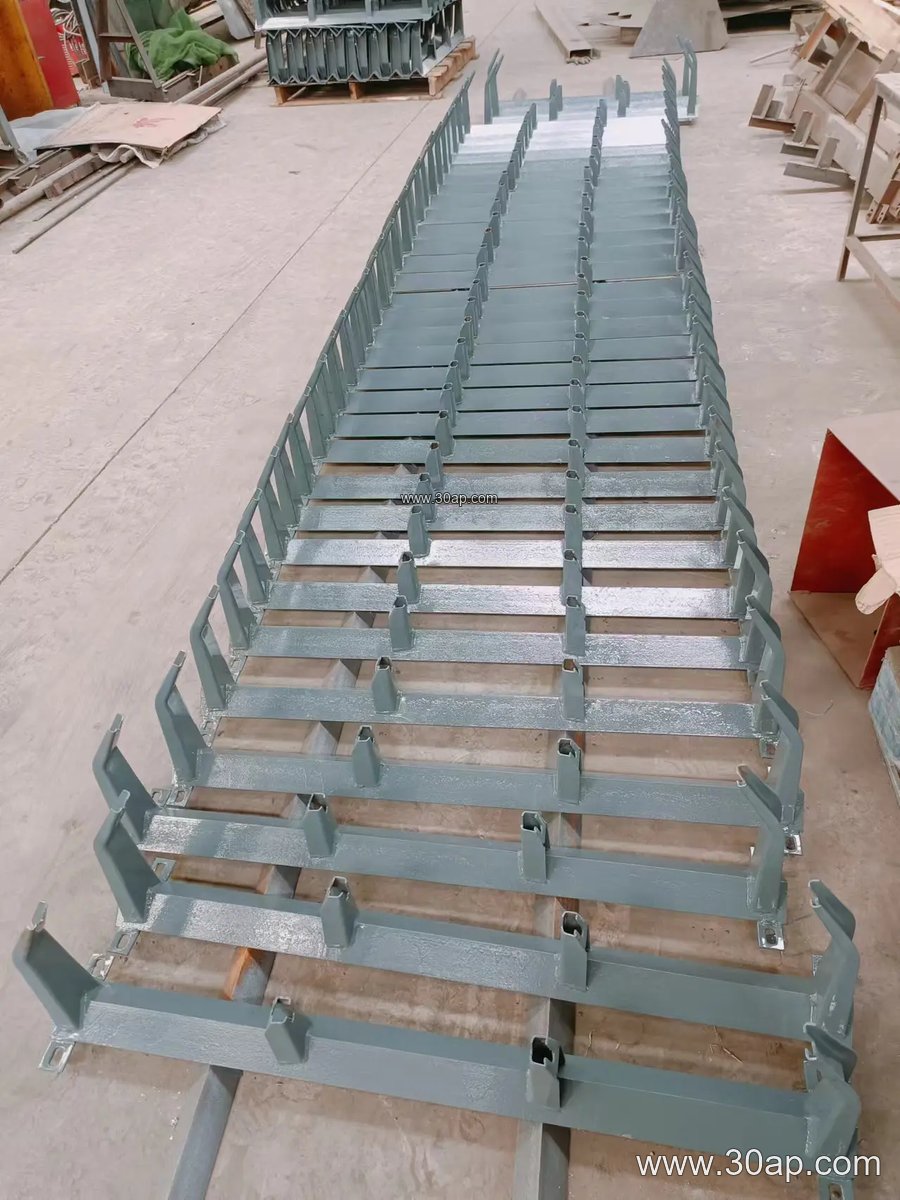
Common Reference Sizes
The table below gives typical reference combinations. These are common examples, not universal rules; actual dimensions are set by the conveyor design.
| Belt width | Trough angle | Roller diameter | Typical bracket form |
|---|---|---|---|
| B500 | 20° / 30° | Ø89 | Fixed troughing bracket |
| B650 | 30° / 35° | Ø89 / Ø108 | Fixed troughing bracket |
| B800 | 35° | Ø108 | Fixed troughing bracket |
| B1000 | 35° / 45° | Ø108 / Ø133 | Fixed troughing bracket |
| B1200 | 35° / 45° | Ø133 | Fixed troughing bracket |
| B1400 | 45° | Ø133 / Ø159 | Fixed troughing bracket |
| B1600 | 45° | Ø159 | Fixed troughing bracket |
| B1800 | 45° | Ø159 / Ø194 | Fixed troughing bracket |
| B2000 | 45° | Ø194 | Fixed troughing bracket |
Return brackets follow the same belt width range but use a flat or V-return form. Impact brackets at loading points may use a heavier plate to absorb shock from large lump sizes.
Buyer Checklist
- Confirm the belt width, trough angle and roller diameter, for example B800, 35 degrees, Ø108.
- Check the mounting hole spacing and crossbeam length against the stringer drawing.
- Match the bracket material to the environment; galvanised or painted steel is common in wet or dusty plants.
- Decide whether a fixed bracket or an adjustable bracket suits the project; fixed is simpler, adjustable allows later changes to the trough angle.
- For lines using a fabric core conveyor belt or a steel cord conveyor belt, confirm that the idler spacing and bracket height suit the belt stiffness and load.
Fixed brackets are a small part of the conveyor, but they set the geometry that the belt and idlers rely on. Getting the interface dimensions right at the order stage avoids rework on site.