What a 6204 Bearing Idler Is
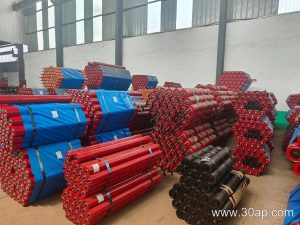
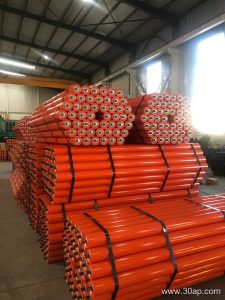
A 6204 bearing idler is a conveyor idler roller built around a 6204-size ball bearing. In practice, this means a relatively small-diameter roller, commonly seen in light to medium-duty positions on a conveyor belt. The bearing sits inside the roller end, shielded from dust and moisture by a seal, and lets the roller shell spin freely under the moving belt. This kind of idler is often found where belt widths are modest and loads are moderate, such as on a short transfer conveyor in a quarry, a screening line at an aggregate plant, or a return run in a cement plant.
The same product is also described as a 6204 bearing conveyor idler or simply a 6204 idler roller. The 6204 refers to the bearing, not to the roller diameter, so buyers should not assume that every idler with this bearing shares one shell size.
How the Bearing Fits Into the Roller
An idler roller usually consists of a steel tube shell, two bearing housings, a shaft, seals, and a bearing at each end. The 6204 bearing is a deep-groove ball bearing with a bore that suits the shaft used in smaller roller designs. Its job is to keep rotation smooth while carrying radial load from the belt and material.
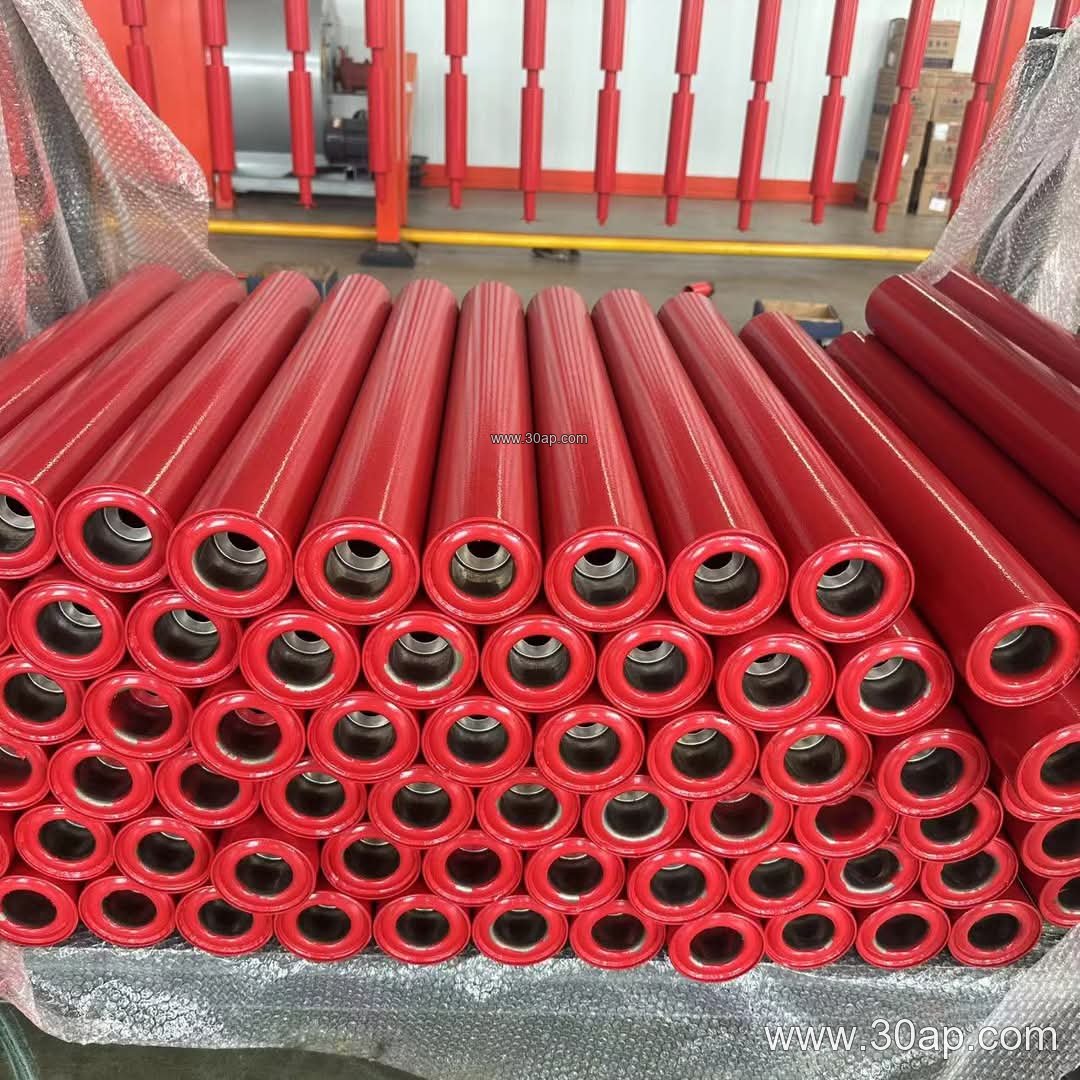
Sealing matters as much as the bearing itself. In dusty operations, such as a limestone mine or a sand and gravel line, a labyrinth seal or a well-fitted lip seal helps keep grit out of the bearing cavity. A worn seal can shorten bearing life even when the bearing size is correct. Buyers should ask how the end cap and seal are arranged, because that detail often separates a long-running idler from one that fails early.
Where It Appears on the Conveyor
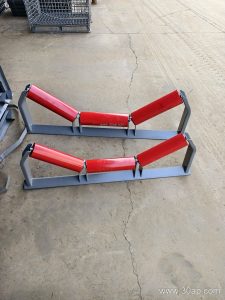
The 6204 bearing idler is not tied to one position. It may be used as a carrying idler on a narrow belt, a return idler under the belt, or part of a small three-roll trough set where the belt width and load allow. In a coal preparation plant or a power plant coal handling line, it might sit on a short feeder or a transfer point rather than on the main heavy-duty run.
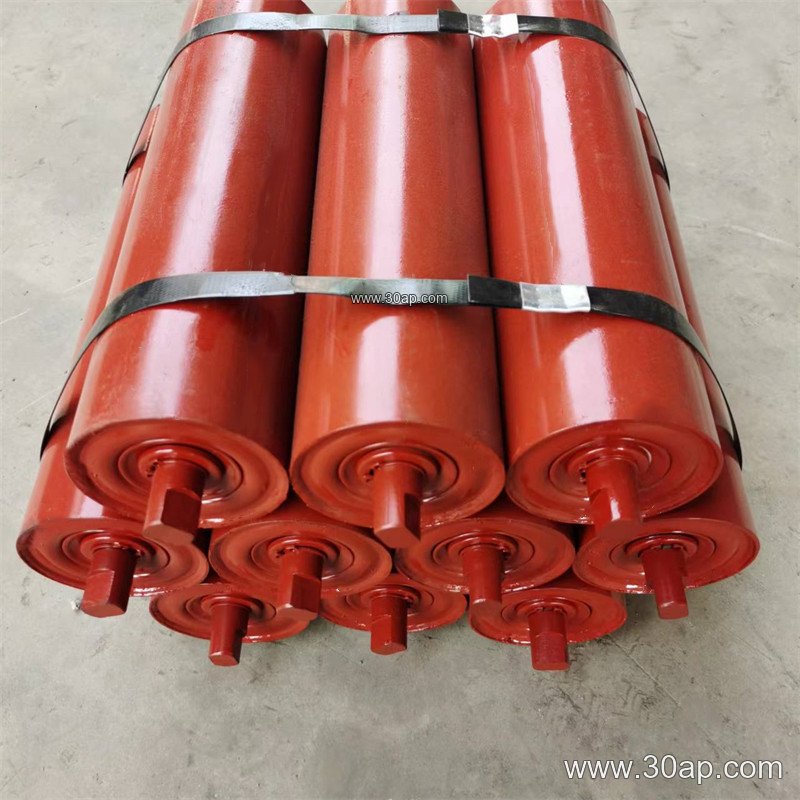
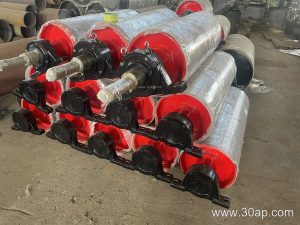
Position matters when selecting the roll diameter and the roller length. A troughing set on a wider belt generally needs larger rollers and longer shafts, while a return position may use a plain roller or a V-shaped return set. A drive pulley, tail pulley, and bend pulley are different components and should not be confused with idlers; they transmit or redirect belt tension, while idlers support the belt and material load.
Common Reference Dimensions
The following values are common examples, not fixed combinations. Roller length changes with belt width, trough angle, and the number of rolls in the set. The bearing size alone does not determine the shell diameter or shaft size.
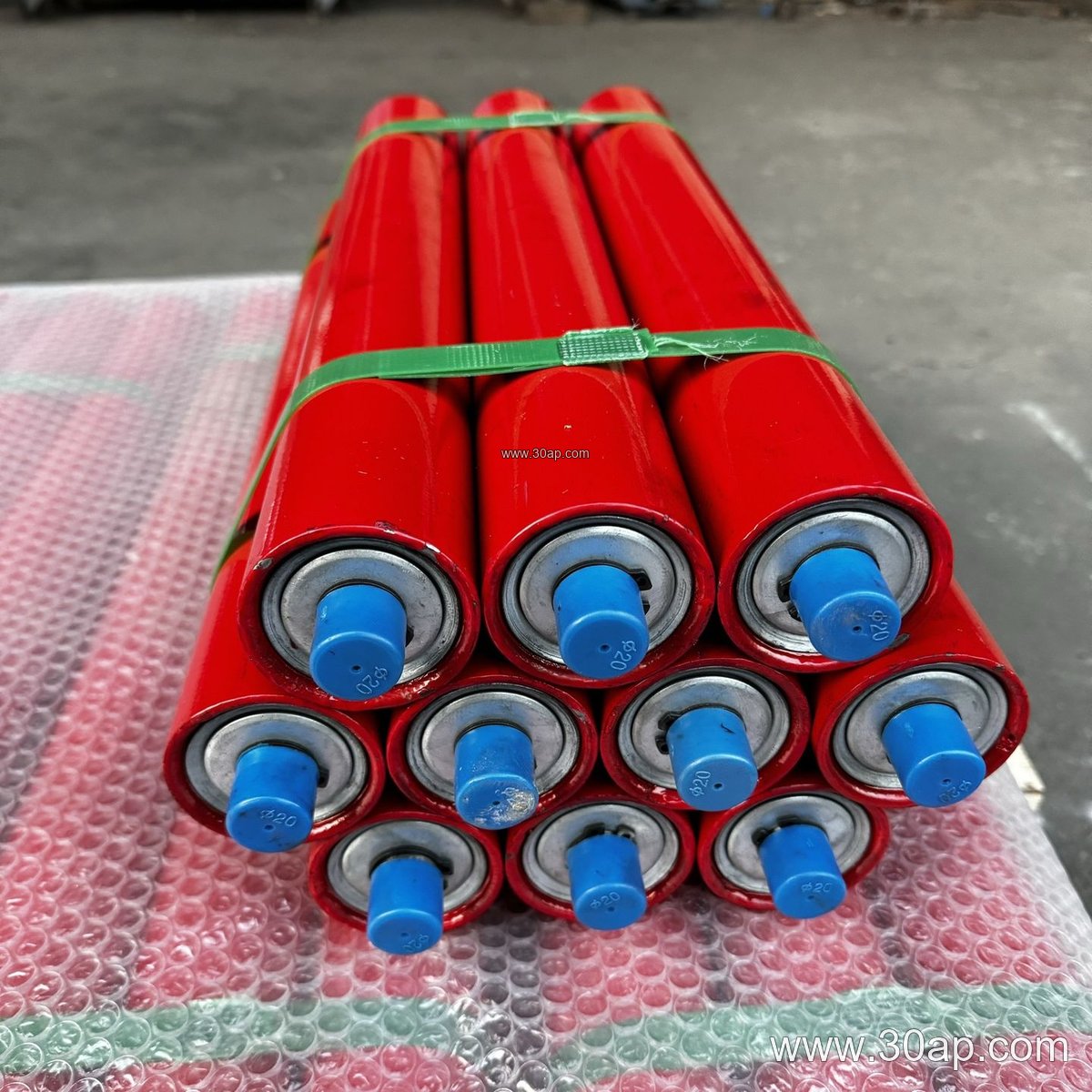
Bearing and Roller Reference
| Item | Common Reference |
|---|---|
| Bearing | 6204 deep-groove ball bearing |
| Roller diameter | Ø63, Ø76, Ø89, Ø102, Ø108, Ø127 mm |
| Belt width | B400, B500, B650, B800, B1000, B1200 |
| Trough angle | 20°, 30°, 35°, 45° |
| Roll surface | Steel tube, nylon, ceramic, rubber ring |
Example Roller Lengths for Three-Roll Trough Sets
| Belt Width | Typical Roller Length |
|---|---|
| B500 | about 200 mm |
| B650 | about 250 mm |
| B800 | about 315 mm |
| B1000 | about 380 mm |
| B1200 | about 465 mm |
Side rollers and the centre roller in a trough set can have different lengths, so these figures are starting points for discussion rather than a universal rule.
Points a Buyer Should Check
- Belt width and load: Confirm the belt width and the material weight per metre before choosing a roller diameter. A 6204 bearing idler suits lighter duties; heavier ore or high-tonnage runs usually call for larger bearings such as 6305 or 6308.
- Environment: For dusty quarry or cement service, ask about seal type and end-cap protection. For wash-down or humid areas, check the bearing housing finish.
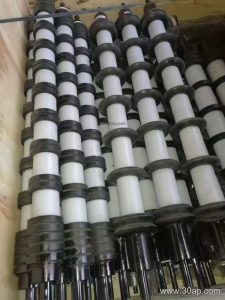
- Roll surface: Steel tube is the common choice. Rubber rings help with impact at transfer points, while ceramic or nylon covers may be used where wear or material build-up is a concern.
- Alignment: A misaligned conveyor bracket or a bent frame can load the bearing unevenly and cause early failure. Check mounting before blaming the idler.
- Spare parts: Keep the bearing number and roller dimensions on record so replacement idlers match the existing frame.
On longer runs, the belt itself also affects idler life. A heavy-duty mining conveyor belt or a high abrasion resistant conveyor belt may demand sturdier rollers, while a flame retardant conveyor belt in an underground coal mine brings its own safety requirements. Matching the idler to the belt and the duty is more useful than choosing by bearing number alone.
Maintenance Notes
Listen for squealing or rumbling, watch for a roller that stops turning, and check for belt tracking drift. A seized 6204 idler can wear the belt cover quickly, so replacing it early is usually cheaper than repairing the belt. Keep the area around the conveyor bracket clear so material does not pack against the roller ends.
For conveyors handling abrasive bulk material, review idler condition together with the belt specification. Whether the line uses a fabric core conveyor belt or a steel cord conveyor belt, the idler set should match the belt width, speed, and load. A 6204 bearing idler is a practical, widely used component when the duty fits its size, and a poor choice when the load or environment calls for a larger bearing.