What a Conveyor Bracket Quotation Covers
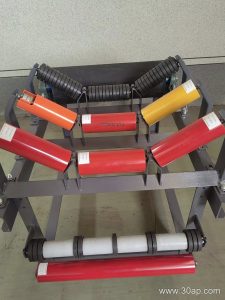
A conveyor bracket quotation is a priced breakdown of the support frames that hold idler rollers and carry the conveyor belt along a conveyor line. In practice, buyers often ask for a quotation for the conveyor bracket assembly itself: the formed steel frame that positions each idler roller at the correct angle and spacing. A clear quotation should identify the bracket type, the belt width it suits, the trough angle, the roller diameter it accepts, the material and surface treatment, and the quantity per conveyor section.
Because brackets are made to match a specific conveyor design, a quotation is rarely a simple catalogue price. It is a short technical and commercial document that confirms what will be manufactured and how it will be packed and shipped.
How the Bracket Is Built
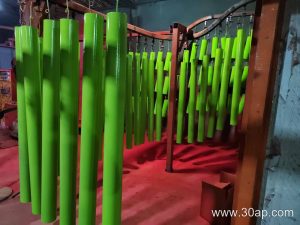
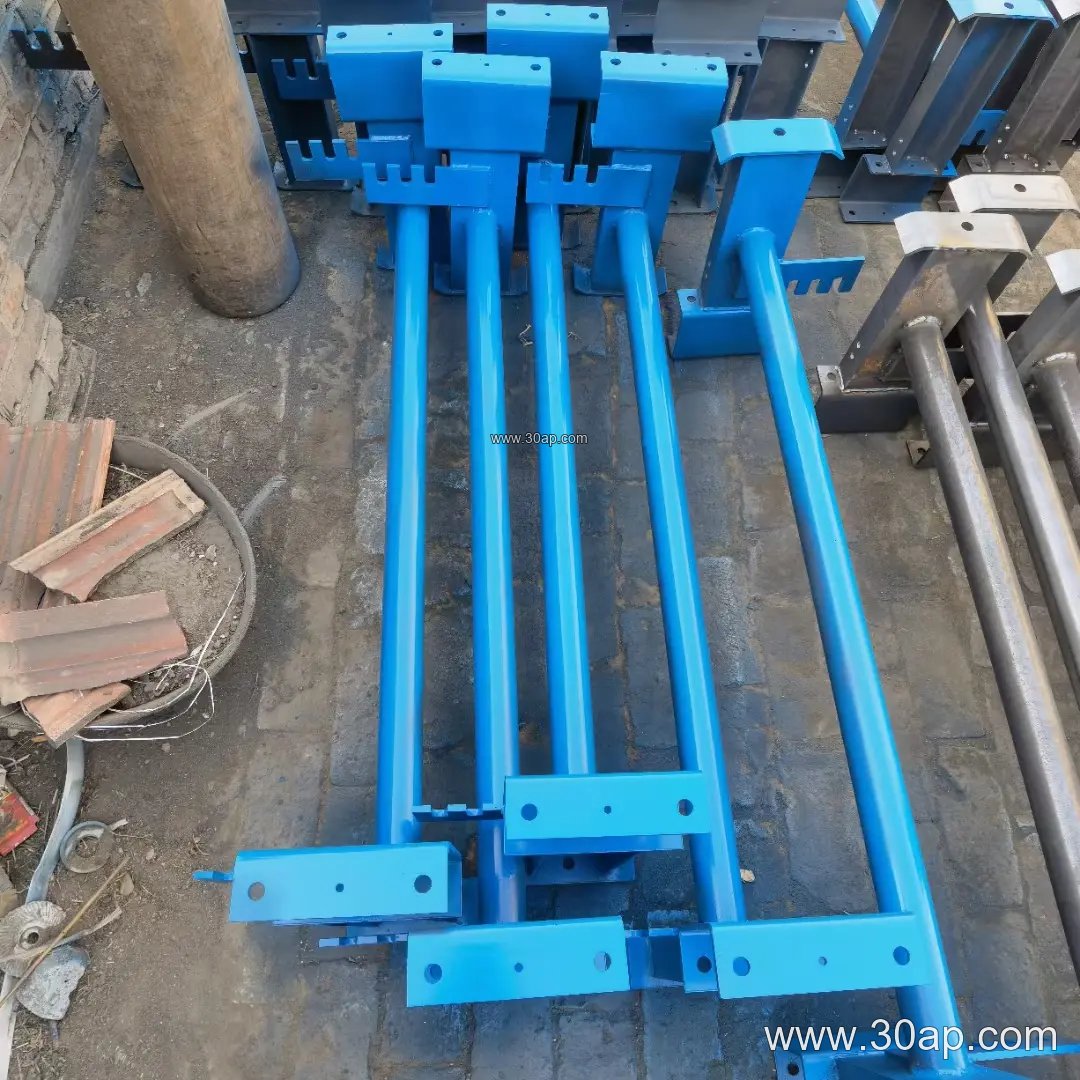
Most conveyor brackets are fabricated from angle steel, channel steel, or folded steel plate. The frame is cut, punched, and welded or bolted, then finished with painting or galvanizing depending on the environment. In a coal washing plant or a limestone quarry, damp and abrasive conditions usually call for a more durable finish than a dry grain silo.
Key details that belong in the quotation include:
- Bracket type and mounting position (carrying side, return side, transition, or self-aligning)
- Belt width range, such as B650, B800, B1000, or B1200
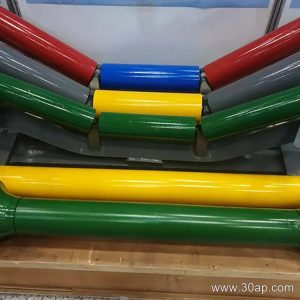
- Trough angle, commonly 20, 30, 35, or 45 degrees
- Roller diameter accepted, for example Ø89, Ø108, Ø133, or Ø159
- Mounting hole spacing and crossbeam length, which change with belt width and trough angle
- Material, welding standard, and surface treatment
Adjustable brackets allow the trough angle to be set between common values, which helps when a conveyor is commissioned or when belt loading changes. Fixed brackets keep a single angle and are simpler to install.
Where These Brackets Are Used
Conveyor brackets appear wherever a belt conveyor moves bulk material. In a sand and gravel line, carrying-side brackets support troughing idlers under the loaded belt, while return brackets hold the idler roller that supports the empty belt. In a cement plant or a power station coal yard, transition and self-aligning brackets help keep the belt centred and reduce spillage.
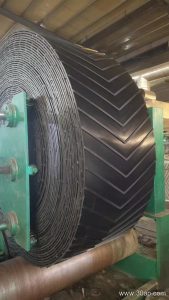
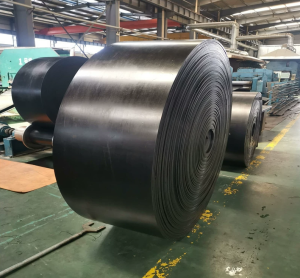
They are equally common in iron ore handling, sinter plants, crushing and screening circuits, batching plants, tunnel spoil removal, and fertilizer or grain transport. The bracket itself is a small item, but it determines roller alignment, belt tracking, and the service life of the conveyor belt.
Reading a Quotation Correctly
When comparing offers, check that each line states the bracket type, belt width, trough angle, and roller diameter together. A frame listed as B800, 35 degrees, Ø108 is not the same as one listed as B800, 45 degrees, Ø133. Neither combination is mandatory for a given belt width; the correct match comes from the conveyor design, belt load, and idler selection.
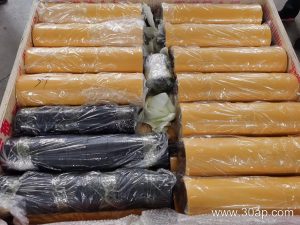
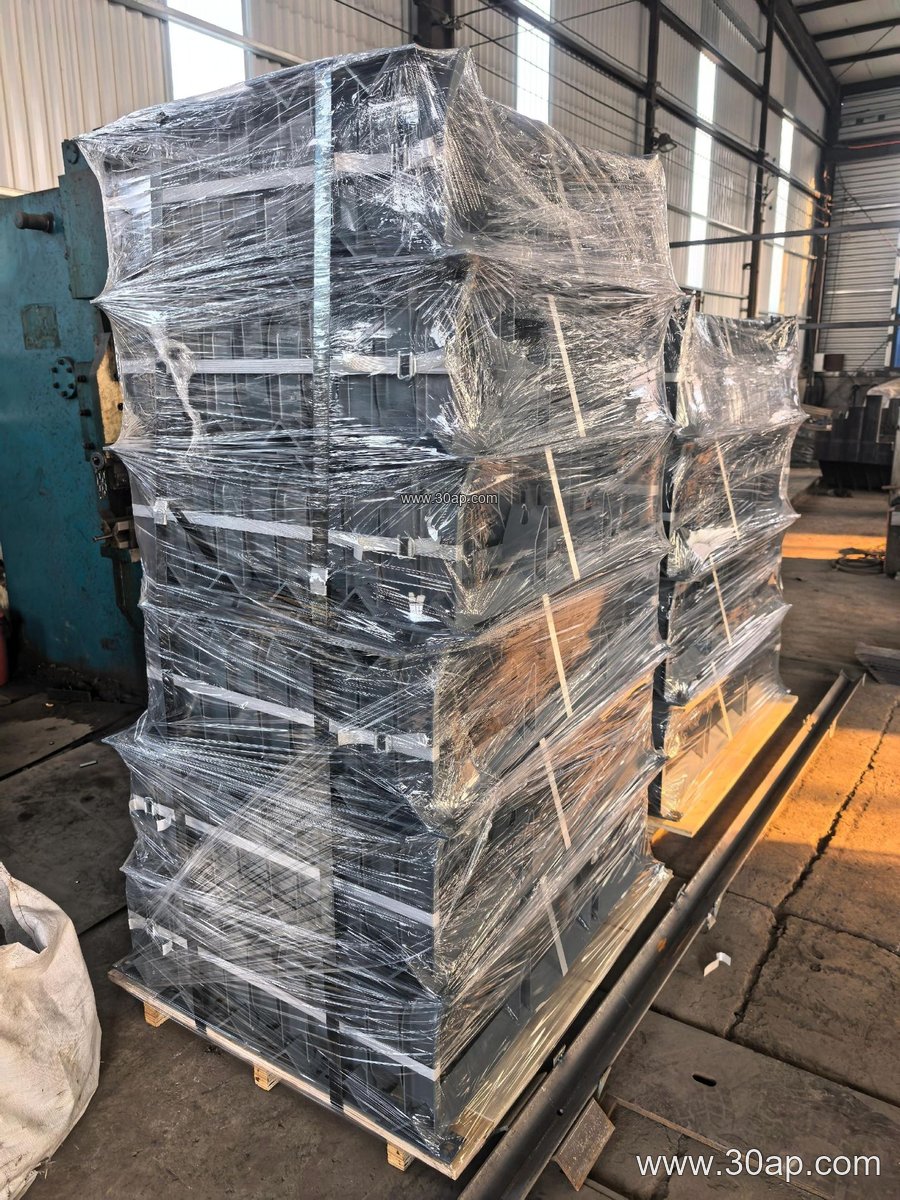
Ask whether the price is per piece or per set, whether mounting bolts and pins are included, and how the brackets will be packed for transport. For a long overland conveyor or a port terminal project, packing and marking matter as much as the unit price.
Information to Send with an Enquiry
To receive an accurate conveyor bracket quotation, provide the conveyor layout, belt width, required trough angle, roller diameter, bracket type and quantity, material preference, surface treatment, and delivery destination. If the design is not final, state the operating conditions such as material, capacity, and environment, and let the supplier propose suitable frames.
A well-prepared quotation should make the bracket specification easy to verify against the drawing and easy to compare between suppliers.