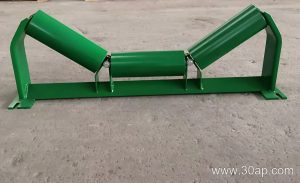
Inspection and preventive maintenance for a wet outdoor conveyor bracket
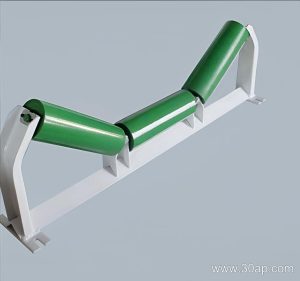
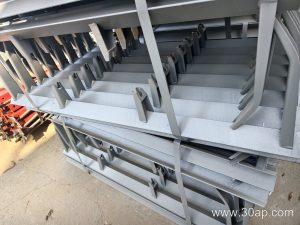
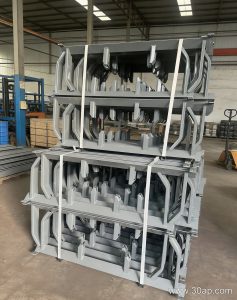
Rain, washdown, and temperature swings attack a conveyor bracket long before the belt shows wear. Inspect quarterly: check for rust bleeding at welds, loose mounting bolts, and elongation of slotted holes. Clean debris from the bracket seat so the idler frame sits flat. Re-torque fasteners to the manufacturer’s value and touch up damaged coatings.
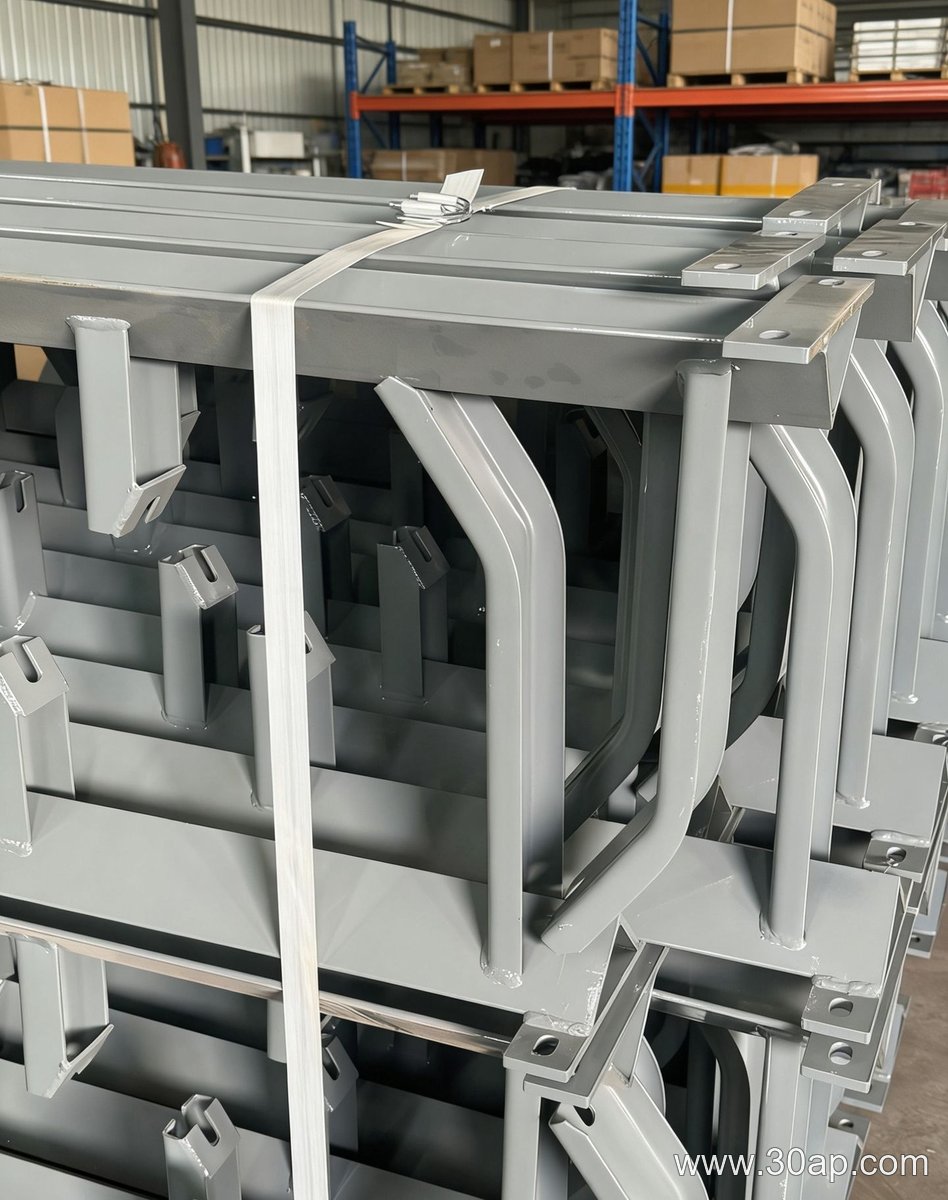
Signs replacement is needed
- Cracks at weld toes or bends
- Wall thickness loss from corrosion
- Ovalized or worn mounting holes
- Persistent belt drift after alignment
Any of these means the bracket has lost its locating function. Replace it rather than shim it; a weakened conveyor bracket will transfer load to nearby supports and accelerate belt edge damage. In a hypothetical wet outdoor installation, specifying a drainage-friendly profile and galvanized or stainless construction extends service intervals.
How Does Conveyor Belt Manufacturing Control Ply Adhesion and Cover Quality in a Dusty Quarry
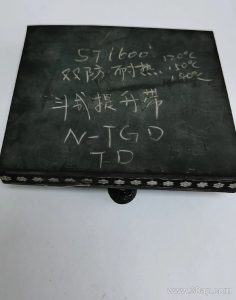
Dust in a quarry does not change how a conveyor belt is built, but it explains why build quality matters. Three stages shape the finished belt: mixing, calendering, and vulcanization.
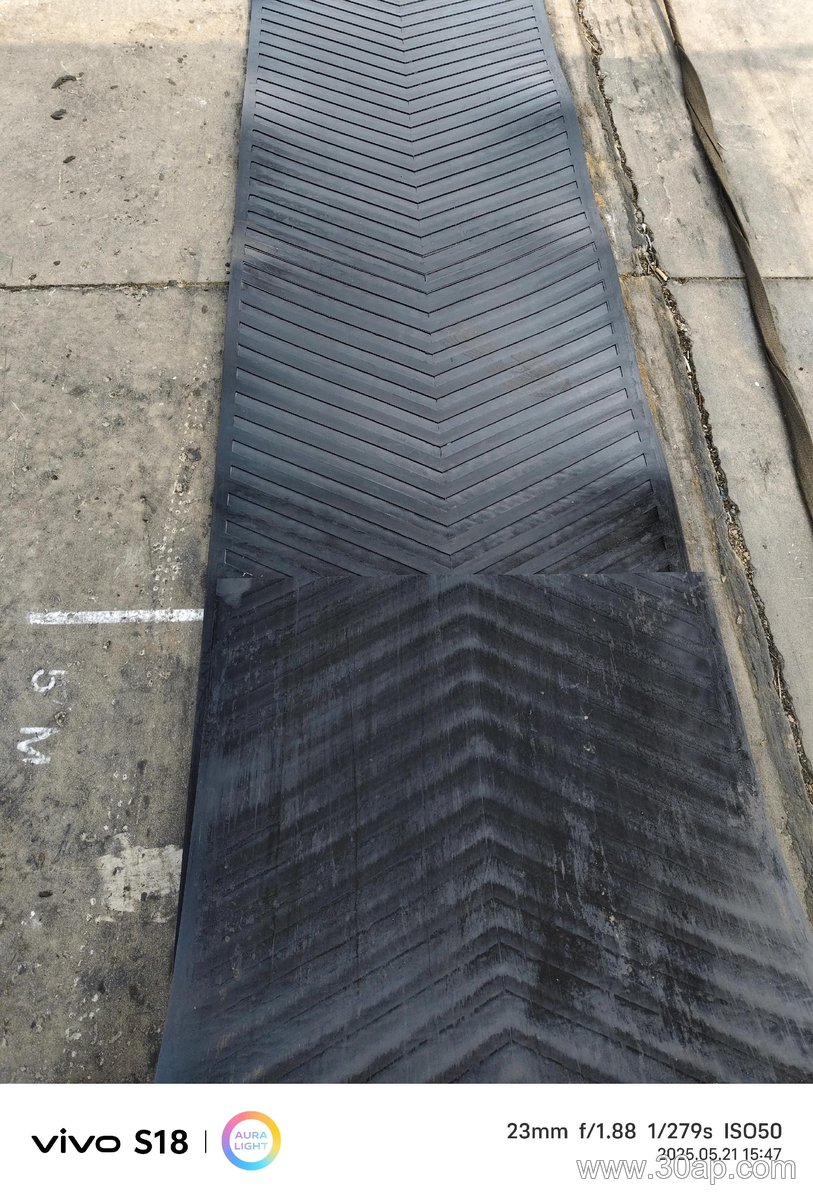
Stages That Determine Finished Quality
- Rubber mixing sets abrasion resistance of the cover.
- Calendering controls fabric skim and ply adhesion.
- Vulcanization bonds the plies under heat and pressure, so poor cure reduces ply separation resistance.
A conveyor belt with weak ply adhesion can delaminate under impact, while an under-cured cover wears faster in abrasive service.
Why clinker dust challenges an idler roller
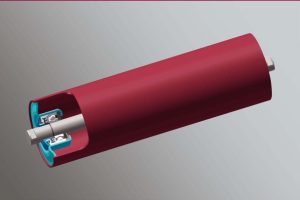
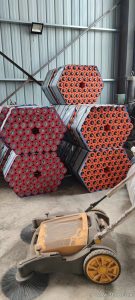
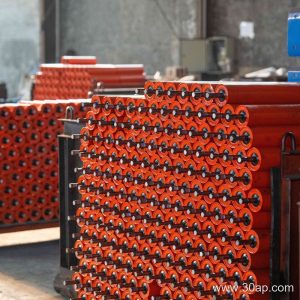
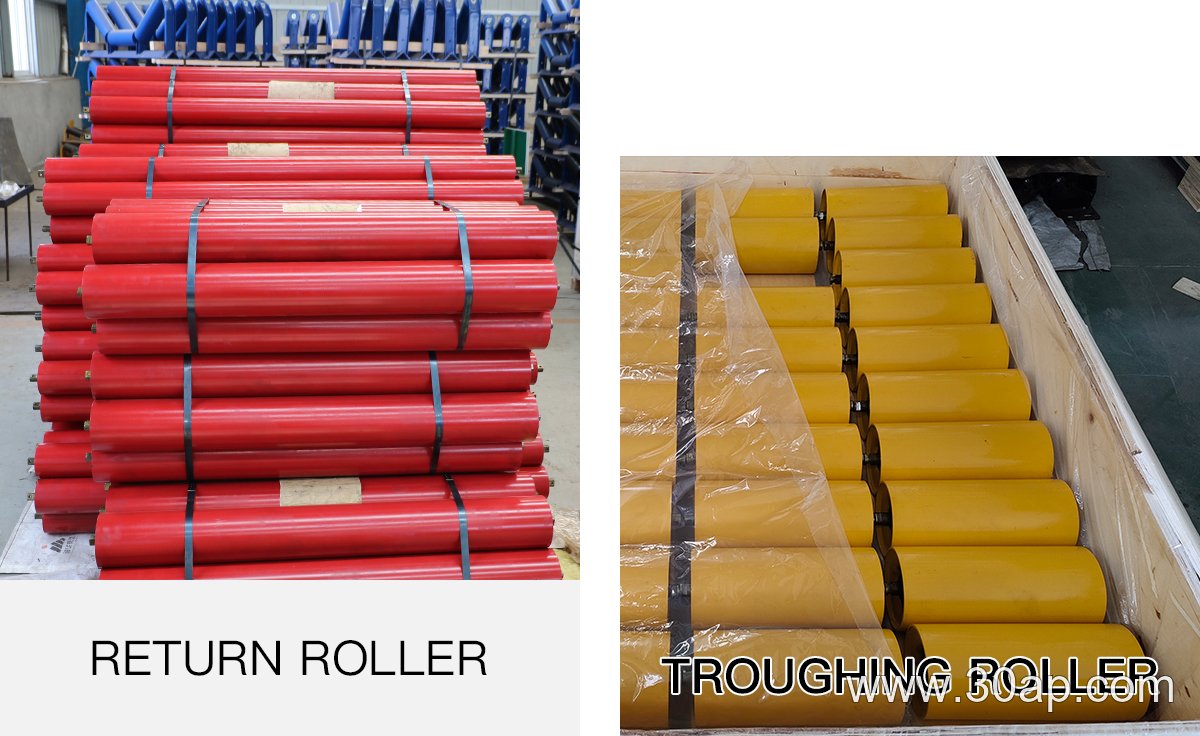
On a cement plant clinker conveyor, an idler roller faces hot, abrasive dust and continuous load. The main risks are grease loss, seal wear, and shell distortion. Choose a roller with heat-tolerant grease, labyrinth seals, and a sturdy shell. Inspect regularly for hot bearings or belt drift. In a hypothetical 1200 mm conveyor moving 200 t/h clinker at 1.5 m/s, these checks keep the idler roller turning.
Which Standards Actually Govern a Conveyor Pulley in a Mineral Processing Plant
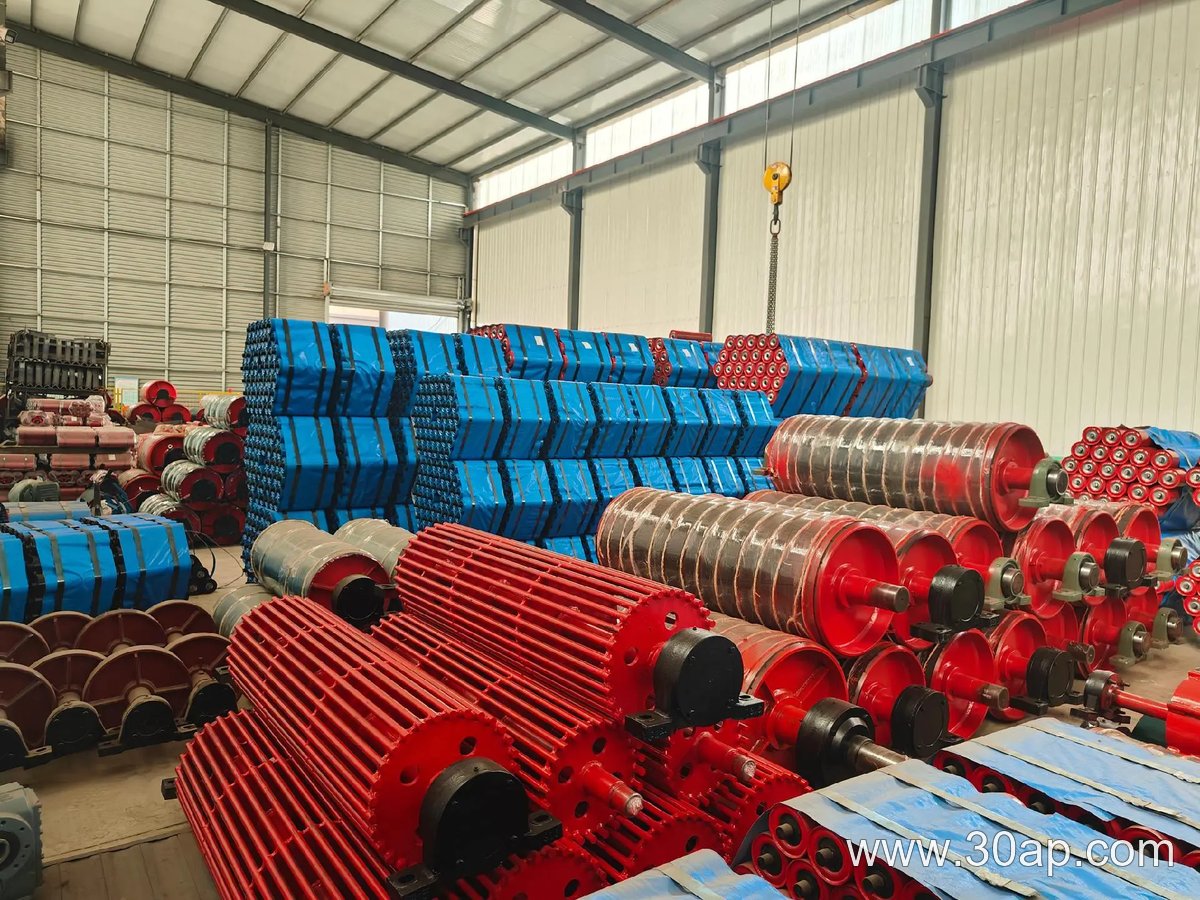
A common misconception is that a conveyor pulley is a catalog part with one universal grade. In practice, standards define scope, not a badge: they describe dimensions, calculation methods, or welding quality, and a pulley may follow several at once.
What Standards Cover and What They Do Not
In mineral processing, relevant standards typically address shaft and hub fits, lagging thickness, balancing, and non-destructive testing of welds. They set minimum expectations; they do not certify a specific unit.
How Grades Enter the Specification
- Steel grade for shell and shaft
- Lagging compound class
- Weld quality level
State the operating duty in the inquiry so the supplier can map grades to it.