What Pulley Lagging Does on a Conveyor
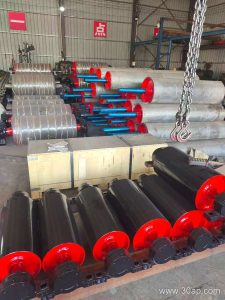
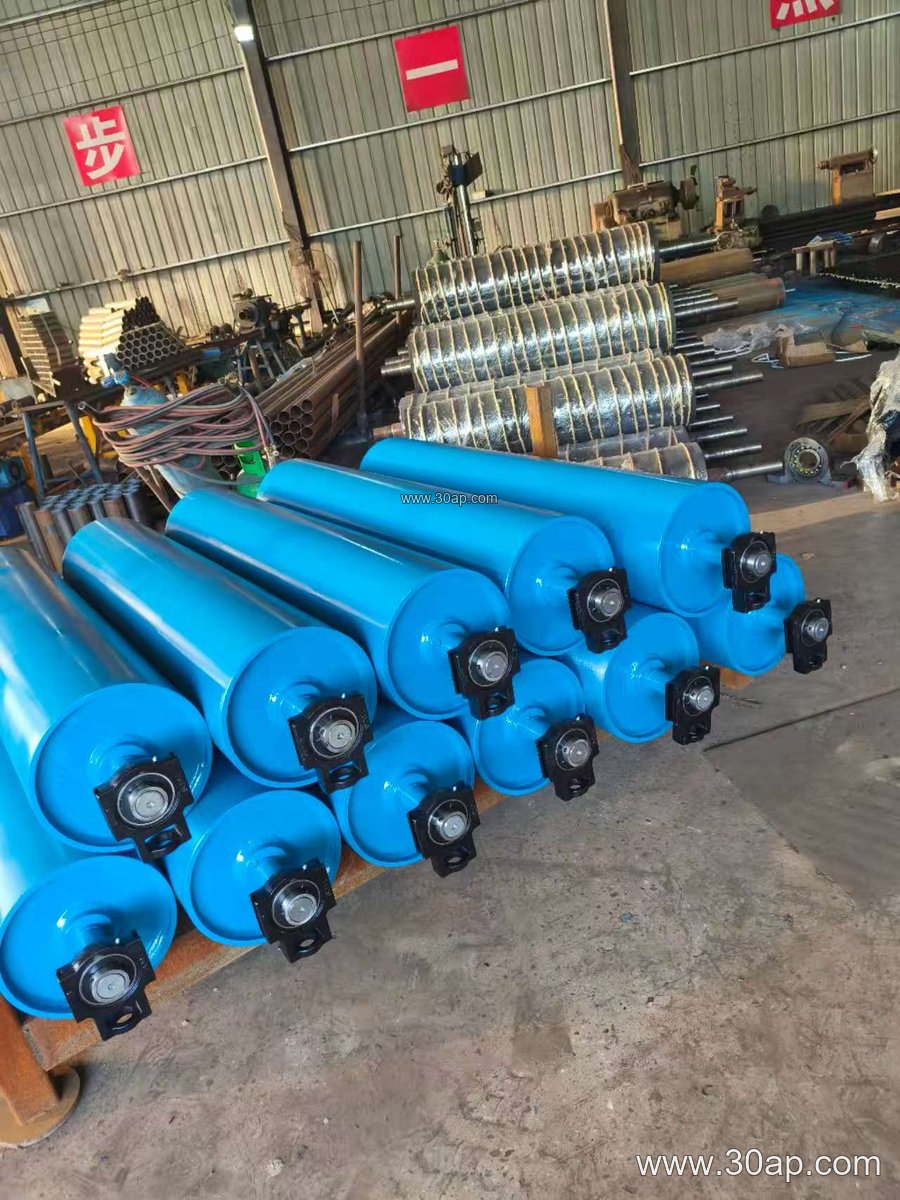
Pulley lagging is the rubber or ceramic layer bonded to the shell of a conveyor pulley to improve grip on the conveyor belt. Without it, a bare steel drum can slip when the belt is wet, dusty, or heavily loaded. The lagging raises friction between the pulley face and the belt, protects the shell from wear, and helps keep the belt tracking steadily at head, tail, and bend positions. In a quarry, a coal washery, or a cement plant clinker line, this small detail often decides whether the drive pulls smoothly or the belt stalls under load.
The same component is also called pulley rubber lagging or drum lagging. It is not a substitute for a drive pulley, tail pulley, or bend pulley; it is a surface treatment applied to those pulleys, and the function of each position stays distinct.
How the Lagging Is Built
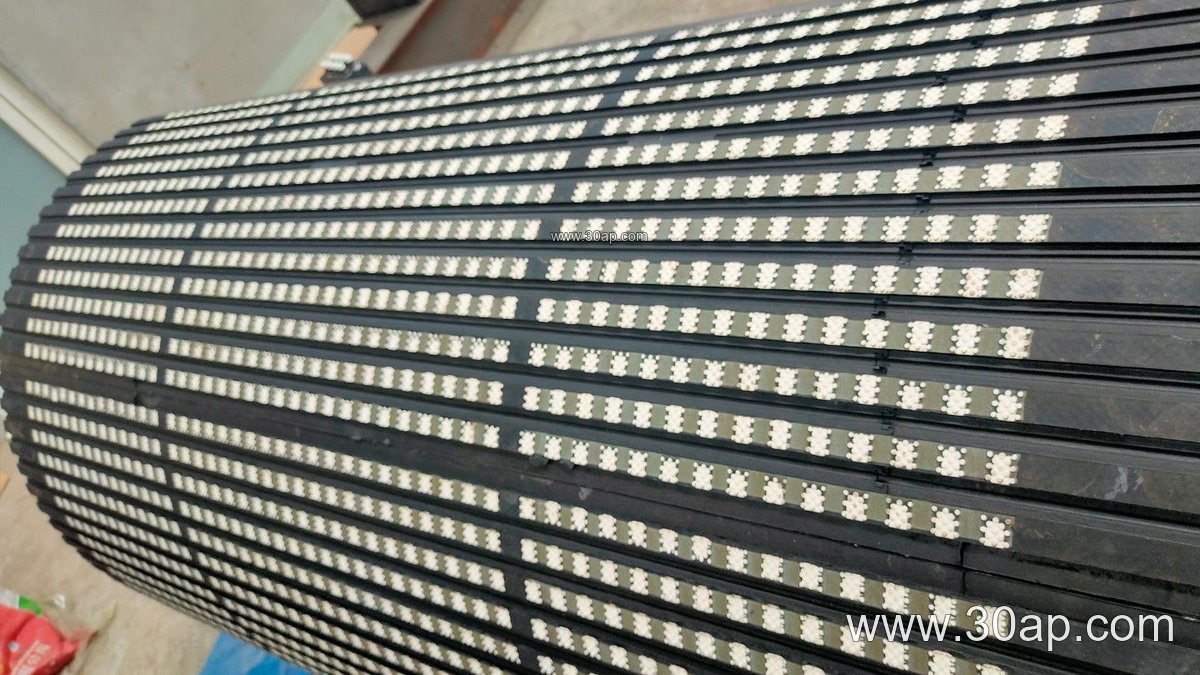
Most lagging starts as a rubber sheet with a fabric or cord backing, cut to the shell width and wrapped around the drum. The surface may be smooth, grooved in a diamond pattern, chevron shaped, or fitted with ceramic tiles for very abrasive duty. Bonding methods differ: hot vulcanized rubber is cured onto the shell for maximum adhesion, cold bonded rubber is glued in place for easier field repair, and cast or sprayed lagging is applied in a workshop. Thickness commonly ranges from 8 mm to 20 mm, with 10 mm and 12 mm frequent choices for general bulk handling.
Grooved and diamond surfaces let water and fines escape from under the belt, which matters on wet coal or washed aggregate. Ceramic lagging suits high tension drives on long overland conveyors where abrasion is severe. Plain rubber remains a practical, lower cost option for lighter duty.
Where It Is Used
Lagging appears on drive pulleys, head pulleys, tail pulleys, tension pulleys, and snub or bend pulleys. Each position has its own demands. A drive pulley needs high friction to transmit torque; a tail pulley benefits from a wear resistant face that sheds grit; a bend pulley may only need modest grip to keep the conveyor belt seated. On a gravel line feeding a screen deck, a lagged head pulley reduces slip during start up with a loaded belt. In a power plant coal handling system, diamond lagging helps the belt run true through dusty transfer points.
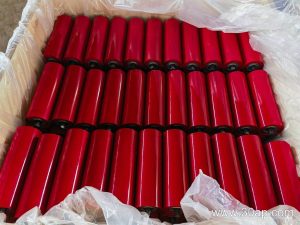
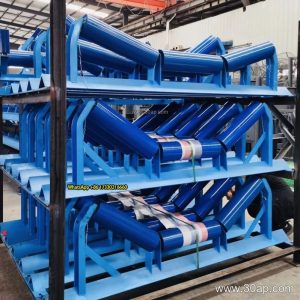
Lagging also works alongside the idler roller, conveyor bracket, and frame components, but it belongs to the pulley itself, not to the carrying or return idlers.
Common Dimensions and Surface Options
Pulley shells are usually wider than the belt so the lagging edge clears the belt edge. Reference figures below show typical relationships, not fixed rules.
- Belt width B400 to pulley face about 500 mm
- Belt width B650 to pulley face about 750 mm
- Belt width B1000 to pulley face about 1150 mm
- Belt width B1400 to pulley face about 1600 mm
- Belt width B1800 to pulley face about 2000 mm
Diameter and shaft size are set by torque and load, not by belt width alone. A B1200 conveyor might use a Ø800 or Ø1000 drive pulley, while a short B800 unit could run a Ø500 tail pulley. Typical shaft diameters run from Ø50 to Ø200 depending on the design calculation.
| Surface Form | Typical Use |
|---|---|
| Plain rubber | General duty, clean material |
| Diamond grooved | Wet or dusty conditions |
| Chevron | Inclined conveyors, higher grip |
| Ceramic tile | High abrasion, heavy tension |
What Buyers Should Check
Ask for the rubber grade, hardness, and adhesion method, because a soft compound may wear quickly in a limestone mine while an overly hard one can reduce grip. Confirm the pulley diameter and face width before ordering, and specify whether the lagging is hot vulcanized, cold bonded, or supplied as a replaceable strip. For field service, cold bonded sheets let maintenance crews re-line a pulley without removing the shaft. Check that grooves or ceramic patterns match the belt speed and material moisture, and keep spare sheets sized to the actual drum, not assumed from belt width.
Finally, inspect lagging during routine shutdowns. Worn edges, lifted seams, and polished surfaces signal that grip is fading. Replacing lagging on time protects the conveyor belt and keeps the drive pulley doing its job across mining, aggregate, and bulk port operations.