What a 1000mm Drive Pulley Does
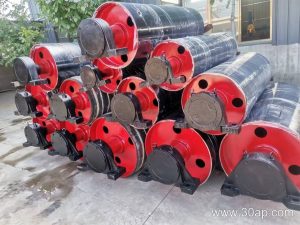
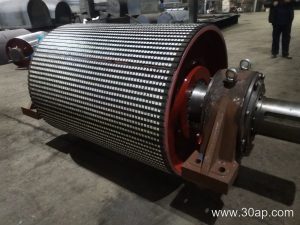
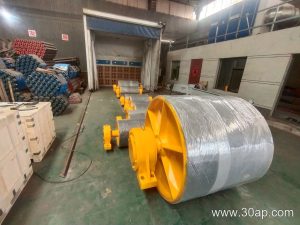
A 1000mm drive pulley is the head-end drum that transfers motor torque into the conveyor belt. In a typical arrangement, the gearbox or shaft-mounted drive turns the pulley shell, and friction between the lagged surface and the belt moves the load. This component is also called a head pulley or drive drum, and it sits at the discharge end of many bulk handling conveyors. It is not the same as a tail pulley, which returns the belt and sets tension, or a bend pulley, which only changes belt direction. Those subtypes serve different duties and should not be substituted for the drive drum.
The 1000mm figure refers to the shell diameter, not the belt width. A drive pulley of this diameter is often paired with wider belts in quarry, cement, and power plant circuits, but the match depends on wrap angle, belt tension, and drive power rather than diameter alone.
Construction and Surface Options
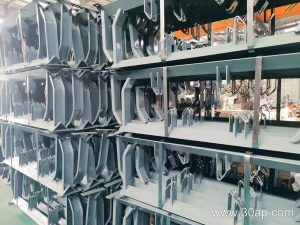
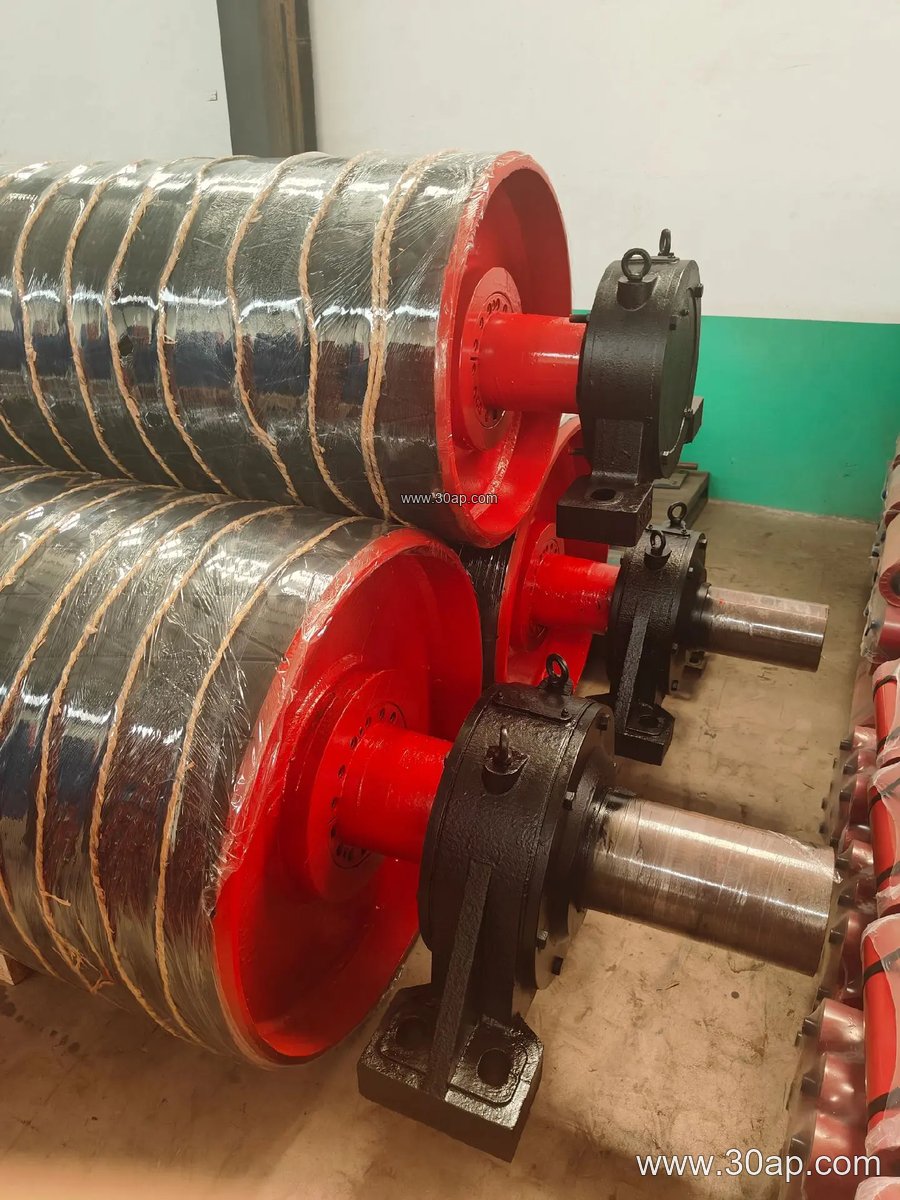
The shell is usually rolled steel plate, machined and welded to end discs, with a shaft sized by torque and radial load. Common shaft diameters include Ø120, Ø140, Ø160, Ø180, and Ø200, though the final value is set by the drive design. Bearings, locking assemblies, and a conveyor bracket at each end complete the assembly.
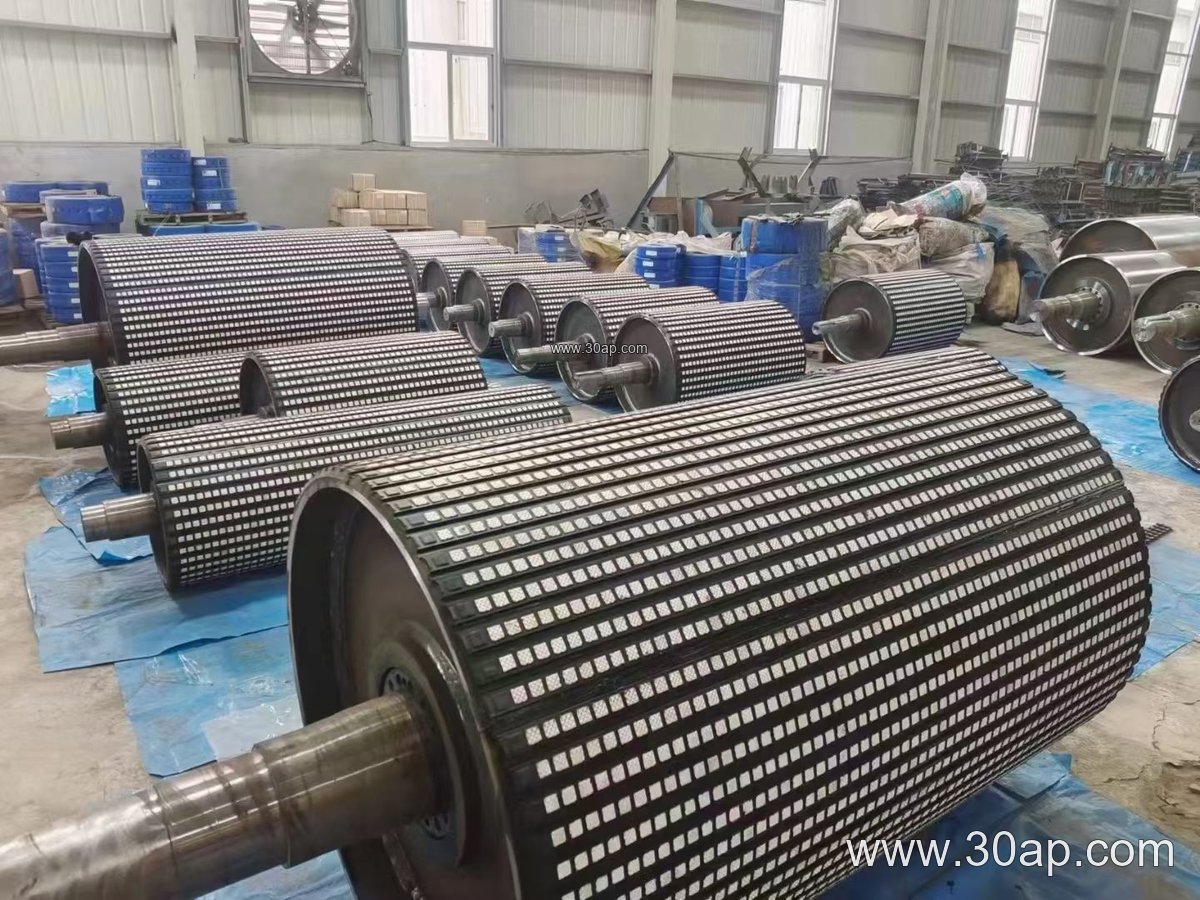
Surface treatment matters for grip. Plain shells suit light loads and clean conditions. Rubber lagging in 8, 10, 12, 15, or 20 mm thickness improves friction and protects the shell. Diamond grooving helps shed water, while ceramic lagging is chosen where abrasive dust and slip risk are high. In a sand and gravel line, a 1000mm drive pulley with diamond rubber lagging is a practical combination for wet, gritty belts.
Where It Fits in the Plant
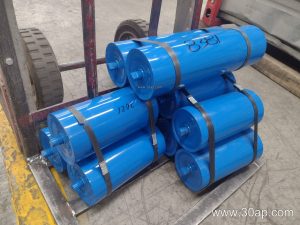
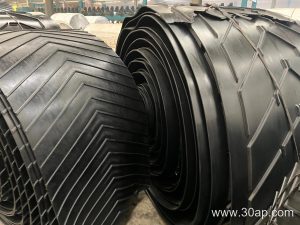
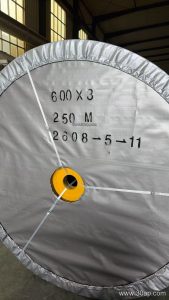
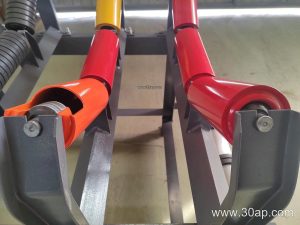
Head drives with a 1000mm drum appear in limestone mines, cement clinker transport, coal handling at power stations, and port bulk terminals. A typical heavy-duty circuit might use a 1000mm drive pulley with a 1000mm or 1200mm wide conveyor belt, supported by idler rollers and steel frames. The belt itself may be an EP conveyor belt or a steel cord conveyor belt, depending on tension and distance. In coal mining, flame retardant conveyor belt grades are common, while iron ore and copper ore lines often use abrasion resistant conveyor belt constructions.
At the discharge, the drive pulley works with a scraper and chute. At the tail, a separate tail pulley maintains alignment. A bend pulley may appear in the take-up path, but it does not replace the drive drum.
Matching Belt Width and Pulley Size
Shell width is normally greater than belt width, so a B1000 belt often runs on a drum with roughly 1150mm face width. Diameter and width are separate decisions. The table below shows common reference combinations; these are examples, not fixed rules.
- B800 belt with Ø500 or Ø630 drive pulley
- B1000 belt with Ø800 or Ø1000 drive pulley
- B1200 belt with Ø1000 or Ø1250 drive pulley
- B1400 belt with Ø1250 or Ø1400 drive pulley
A 1000mm drive pulley can serve B1000, B1200, or wider belts when the drive calculation supports it. Avoid assuming that one belt width locks in one diameter, or that belt width alone defines shaft size.
Buyer Checklist
Before ordering, confirm the belt width, required wrap angle, motor power, and starting torque. Ask for the lagging type and thickness, bearing style, shaft diameter, and keyway details. Check that the conveyor bracket and base plate dimensions match the existing frame. For dusty or wet service, specify the lagging pattern and consider a wear-resistant belt such as an abrasion resistant conveyor belt or a heat resistant conveyor belt where temperature is a factor.
Inspect the pulley on arrival for runout, weld quality, and lagging bond. During operation, monitor belt tracking and lagging wear. A well-matched 1000mm drive pulley, combined with the right idler roller spacing and belt specification, keeps the head drive reliable in quarry, cement, and coal handling duty.