What Is an EP100 Conveyor Belt
An EP100 Conveyor Belt is a fabric-core belt built with polyester-warp and polyamide-weft (EP) plies. The “100” denotes a nominal tensile strength of 100 N/mm per ply, making it a light-to-medium duty choice for many bulk conveying tasks. This EP Rubber Conveyor Belt balances flexibility, troughability, and cost, so it appears in plants that move sand, cement, grain, and packaged goods rather than ultra-heavy ore. For heavier loads, higher grades such as EP200 Conveyor Belt or EP400 Conveyor Belt are used, while very high tensions often call for a Steel Cord Conveyor Belt.
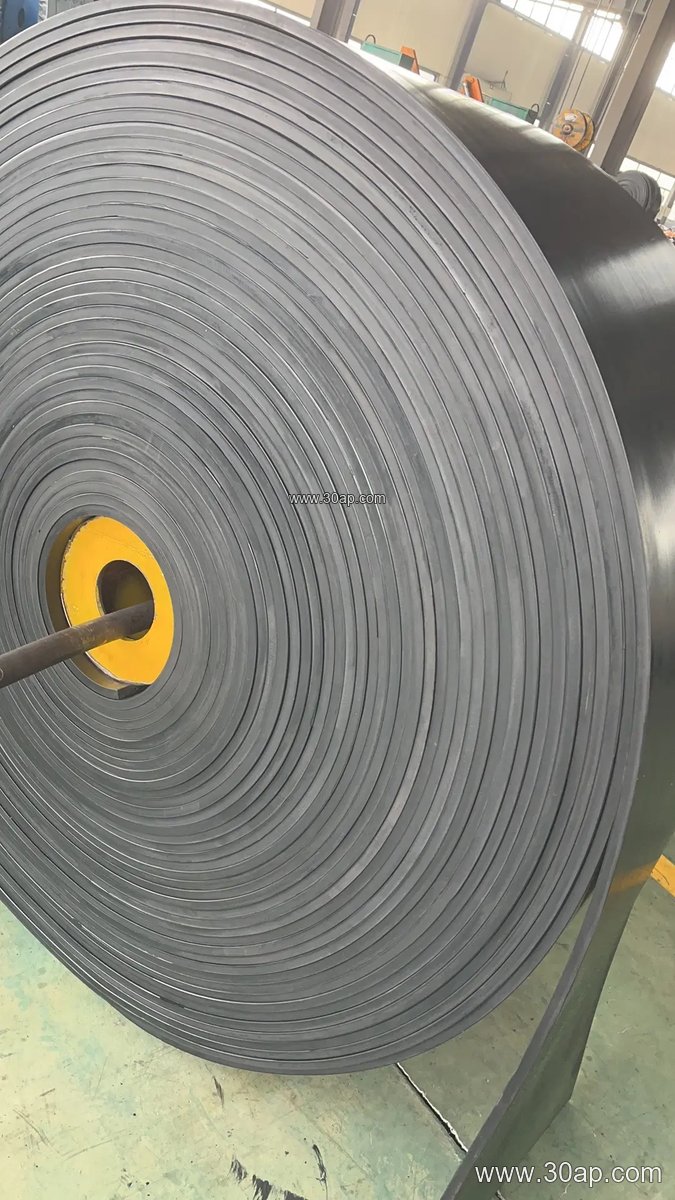
Construction and Typical Makeup
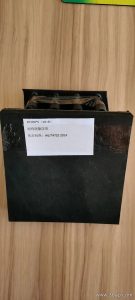
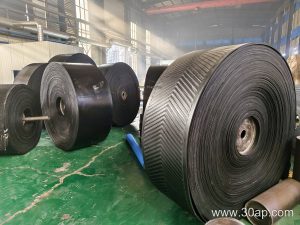
The carcass usually contains two to six EP plies, protected by top and bottom rubber covers. Common cover combinations include 3+1.5 mm, 4+2 mm, and 5+2 mm, with thicker covers for abrasive conditions. The belt edges may be cut or molded, and surfaces can be smooth or patterned. A Chevron Conveyor Belt or Corrugated Sidewall Conveyor Belt uses a different profile for inclined or space-limited routes, but the EP100 carcass itself remains a flat, fabric-reinforced structure. A Flame Retardant Conveyor Belt version may be specified for enclosed or underground sections, and an Abrasion Resistant Conveyor Belt cover helps where sharp aggregate is handled.
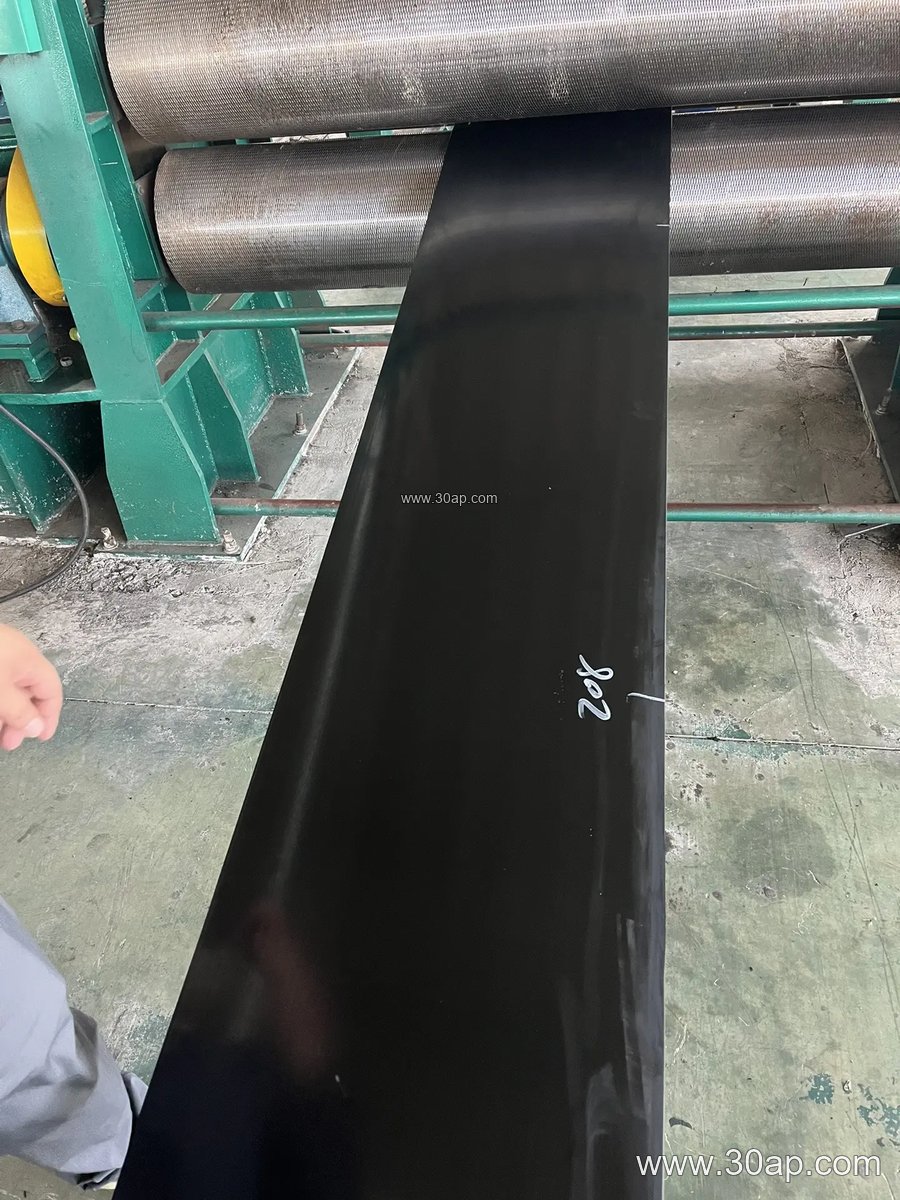
Where EP100 Belts Fit
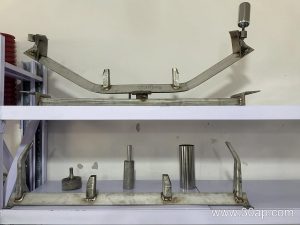
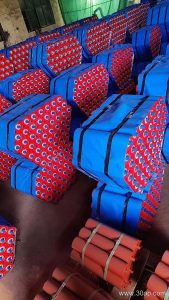
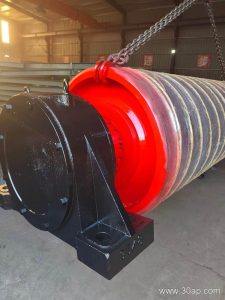
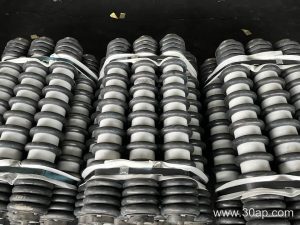
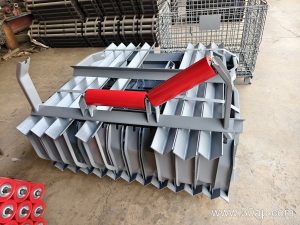
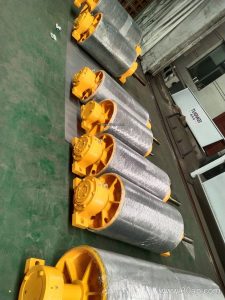
You will find this belt in Cement Plant Conveyor Belt lines, Quarry Conveyor Belt circuits, Power Plant Conveyor Belt coal handling, and Sand Making Plant Conveyor Belt systems. It also suits Aggregate Conveyor Belt runs, light Mining Conveyor Belt duties, and general Bulk Material Conveyor Belt transport in ports and recycling facilities. The belt runs over conveyor pulleys — drive, tail, and bend pulleys each have distinct roles and are not interchangeable — and is supported by idler roller sets mounted on conveyor bracket frames. For sticky or wet loads, a Pipe Conveyor Belt may be preferred, but that is a separate design, not a substitute for the EP100 belt discussed here.
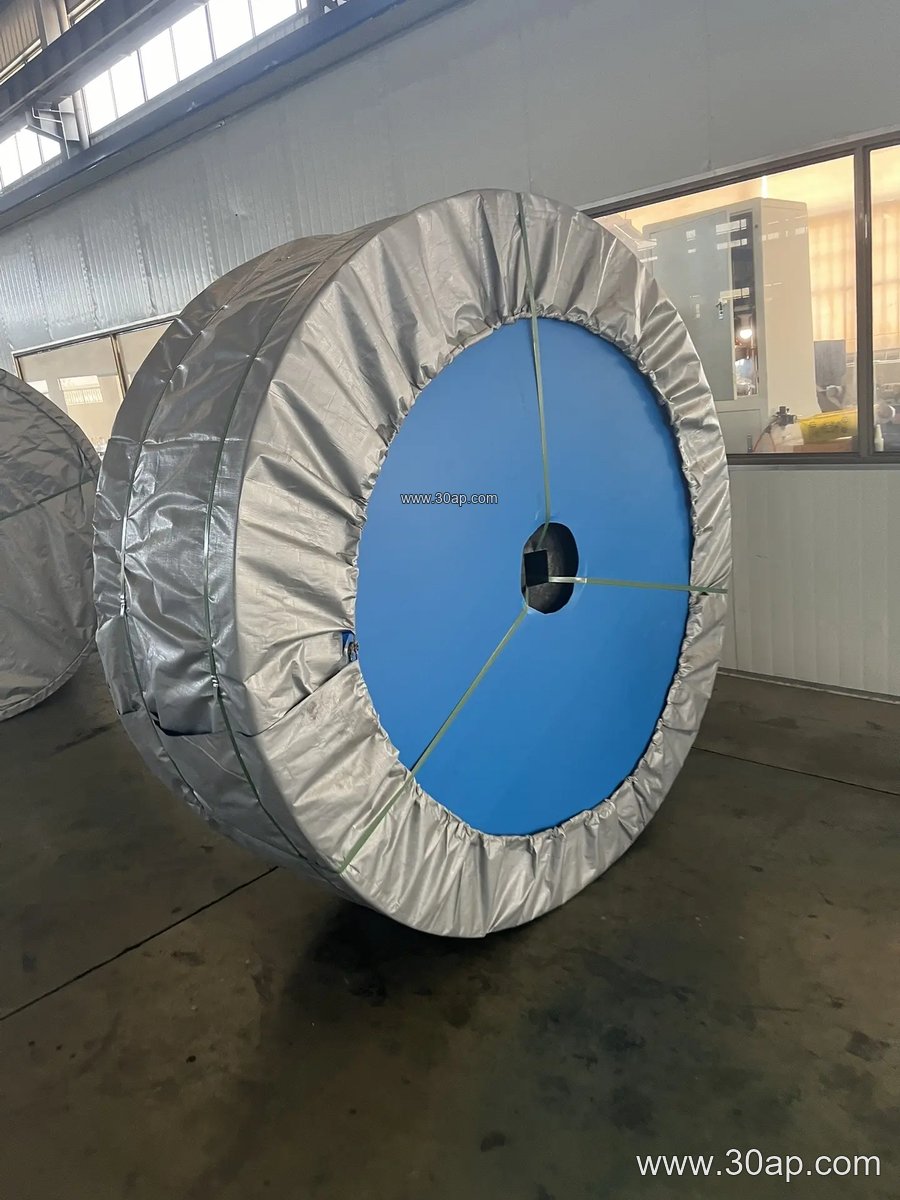
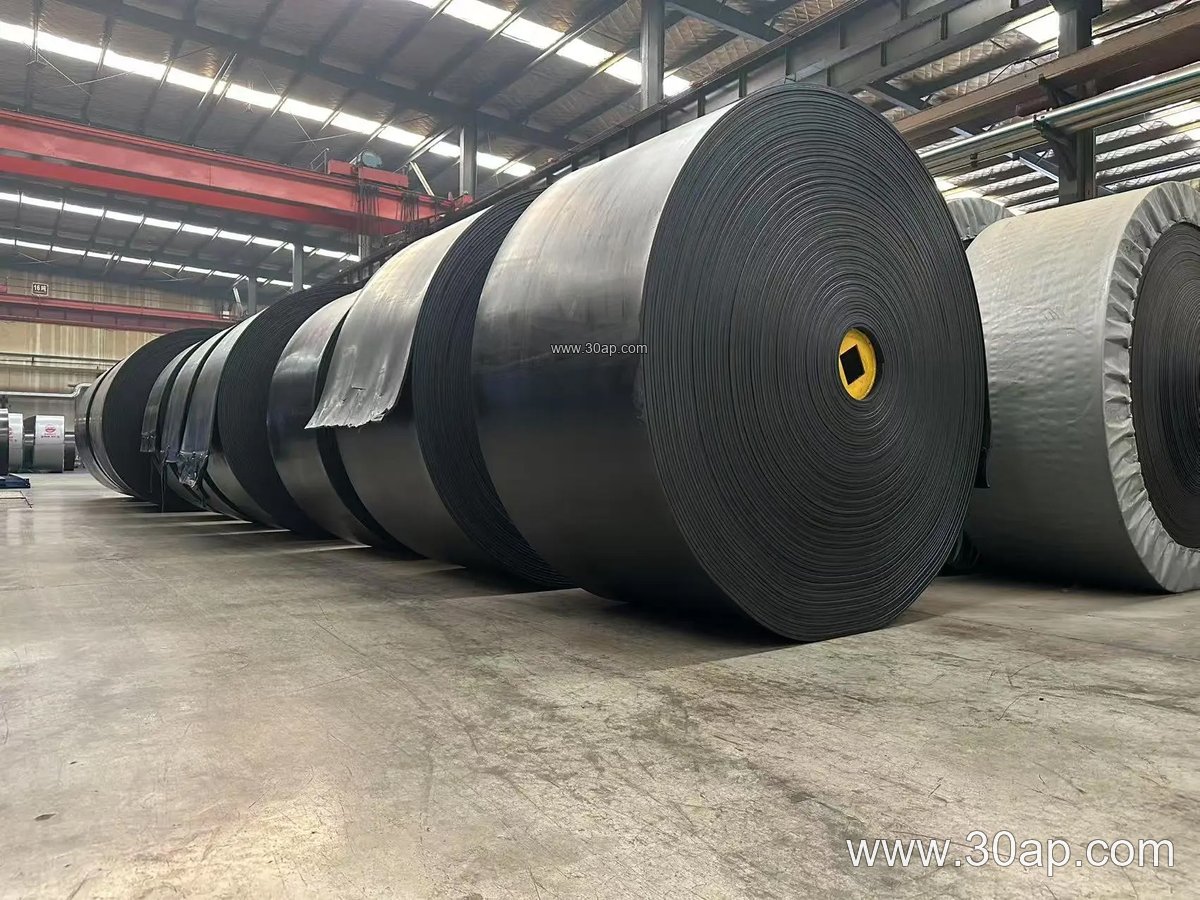
Common Specifications and Selection Notes
EP100 belts are often supplied in standard widths from B500 to B2000 mm. The table below gives typical reference values; actual supply depends on the manufacturer and the conveyor design.
| Parameter | Typical Range / Example |
|---|---|
| Nominal strength | EP100 (100 N/mm per ply) |
| Ply count | 2 to 6 plies |
| Belt width | B500, B650, B800, B1000, B1200, B1400, B1600, B1800, B2000 mm |
| Cover thickness | 3+1.5, 4+2, 5+2, 6+2, 8+3 mm |
| Surface options | Smooth, patterned (chevron), sidewall |
When selecting, consider the material lump size, loading impact, trough angle, and pulley diameters. A wider belt does not automatically dictate a single pulley size; the pulley diameter is chosen from belt tension, ply count, and shaft load. Avoid deriving shaft dimensions from belt width alone. For hot materials, a Heat Resistant Conveyor Belt grade may be needed; for oily scrap, an Oil Resistant Conveyor Belt cover is more suitable. Cold environments may call for a Cold Resistant Conveyor Belt, and static-sensitive areas for an Anti-Static Conveyor Belt.
Buyer Checklist
- Confirm the required tensile grade and number of plies for the conveyor profile.
- Match cover thickness to abrasion and impact conditions.
- Check compatibility with drive, tail, and bend pulleys, plus idler roller spacing.
- Verify whether flame retardant, anti-static, or oil resistant properties are needed.
- Review splice type and edge condition for the installation method.
An EP100 belt is a practical workhorse for medium-duty conveying. When properly matched to the conveyor structure and operating environment, it delivers reliable service without the weight and stiffness of a steel cord belt. For more information on fabric core and specialty belts, explore our EP Conveyor Belt and Rubber Conveyor Belt ranges.