What a Cement Plant Conveyor Belt Has to Handle
A cement plant conveyor belt works in one of the more punishing material handling environments around. Limestone, clinker, gypsum, raw meal, and cement dust move through crushers, preheater towers, clinker coolers, and packing halls, and the belt often carries sharp, hot, or abrasive loads while exposed to fine dust and outdoor weather. The belt is only one part of the line, but it is the part that touches the material continuously, so its construction and compound choice deserve careful attention.
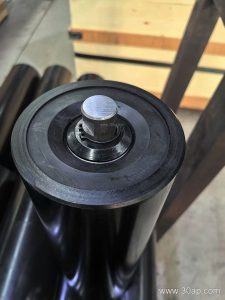
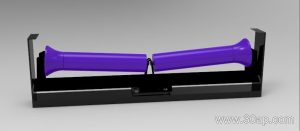
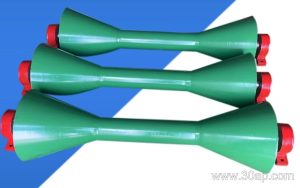
This article looks at the rubber conveyor belt used in cement plants, how it is built, where it fits on site, and what a buyer should check before ordering. Idler rollers, conveyor pulleys, and conveyor brackets support and drive the belt, but they are separate components with their own specifications.
How the Belt Is Built
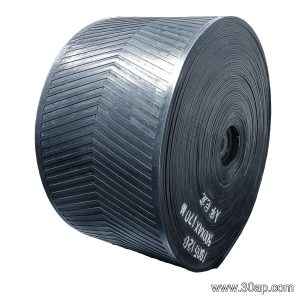
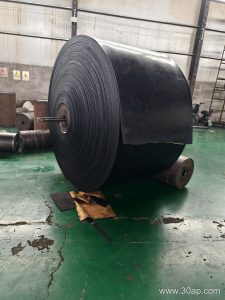
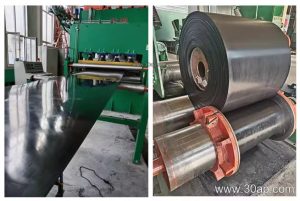
A typical cement plant conveyor belt is a layered composite. The carcass provides strength and resistance to stretching, while cover rubber protects the carcass from abrasion, heat, and moisture. Common carcass options include EP fabric, NN nylon fabric, and steel cord construction. Cover compounds are selected for the duty: abrasion resistant for limestone and clinker, heat resistant near cooler discharge, oil resistant where lubricants or certain materials are present, and flame retardant or antistatic grades where the plant requires them.
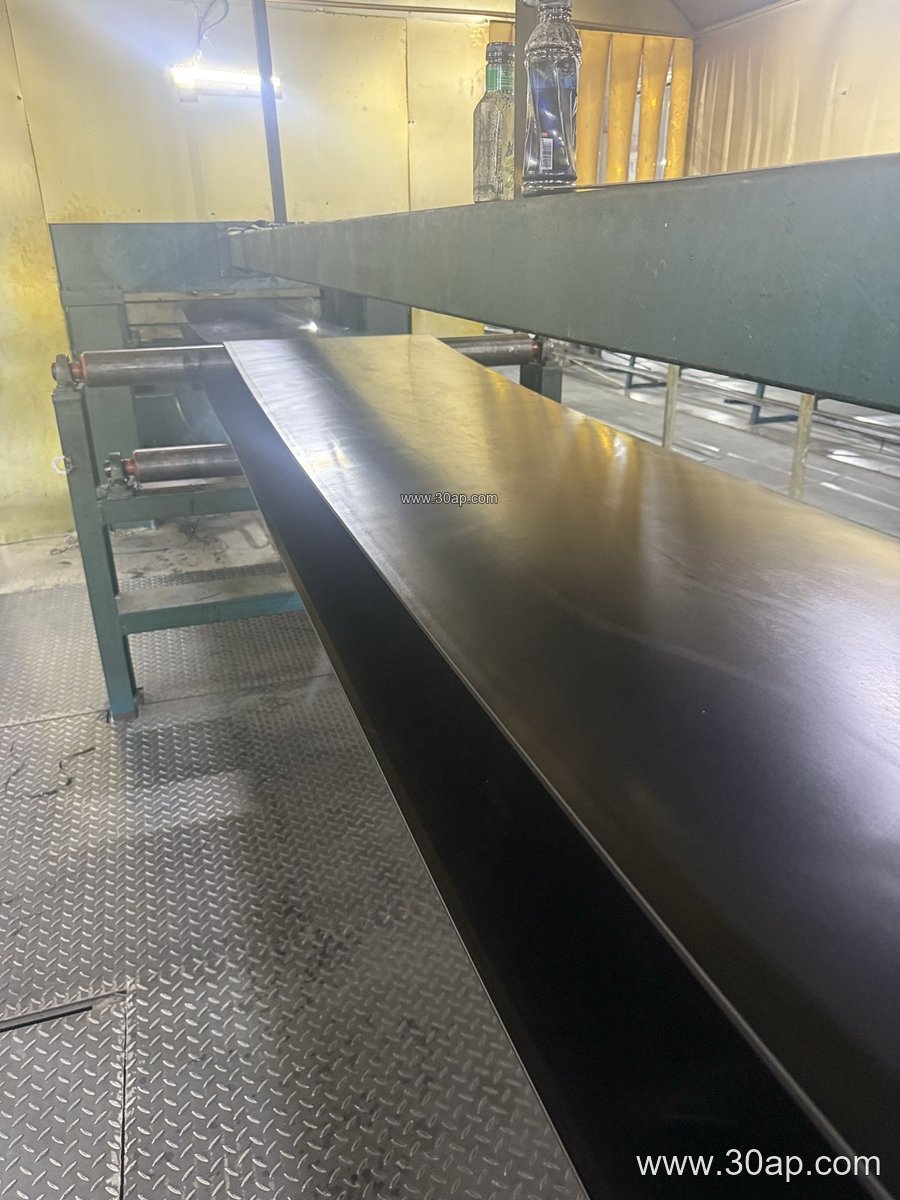
Cover thickness is usually described as top plus bottom, for example 4+2 mm or 6+2 mm, with heavier covers used where impact and abrasion are severe. Carcass layers commonly range from two to six plies in fabric belts, while steel cord belts use a single layer of cords for high tension lines.
Common Specifications at a Glance
The table below shows reference ranges that appear in cement and aggregate duty. Actual values are set by the conveyor design, the material, and the manufacturer, so treat these as orientation rather than fixed rules.
| Parameter | Common reference values | Notes |
|---|---|---|
| Belt type | EP, NN nylon, steel cord, heat resistant, abrasion resistant, flame retardant | Selected by duty and environment |
| Strength grade | EP200, EP315, EP400, EP500, EP630, EP800, EP1000, EP1250, EP1600, EP2000 | Higher grades for long or heavily loaded lines |
| Belt width | B500, B650, B800, B1000, B1200, B1400, B1600, B1800, B2000 | Matched to tonnage and lump size |
| Cover thickness | 3+1.5, 4+2, 5+2, 6+2, 8+3 mm | Thicker covers for abrasive clinker and limestone |
| Carcass plies | 2 to 6 layers (fabric) | Steel cord belts differ in construction |
Where It Is Used in the Plant
In a cement works, belts appear at nearly every transfer point. Quarry and crushing lines move raw limestone; additive belts carry clay, iron ore, and sand; raw mill feed belts handle ground meal; clinker belts run from the cooler to storage; and cement belts move finished product to silos and packing. Similar belts serve in mining, coal preparation, power plants, and sand and gravel yards, so a plant may standardize on a few widths and compounds across several departments.
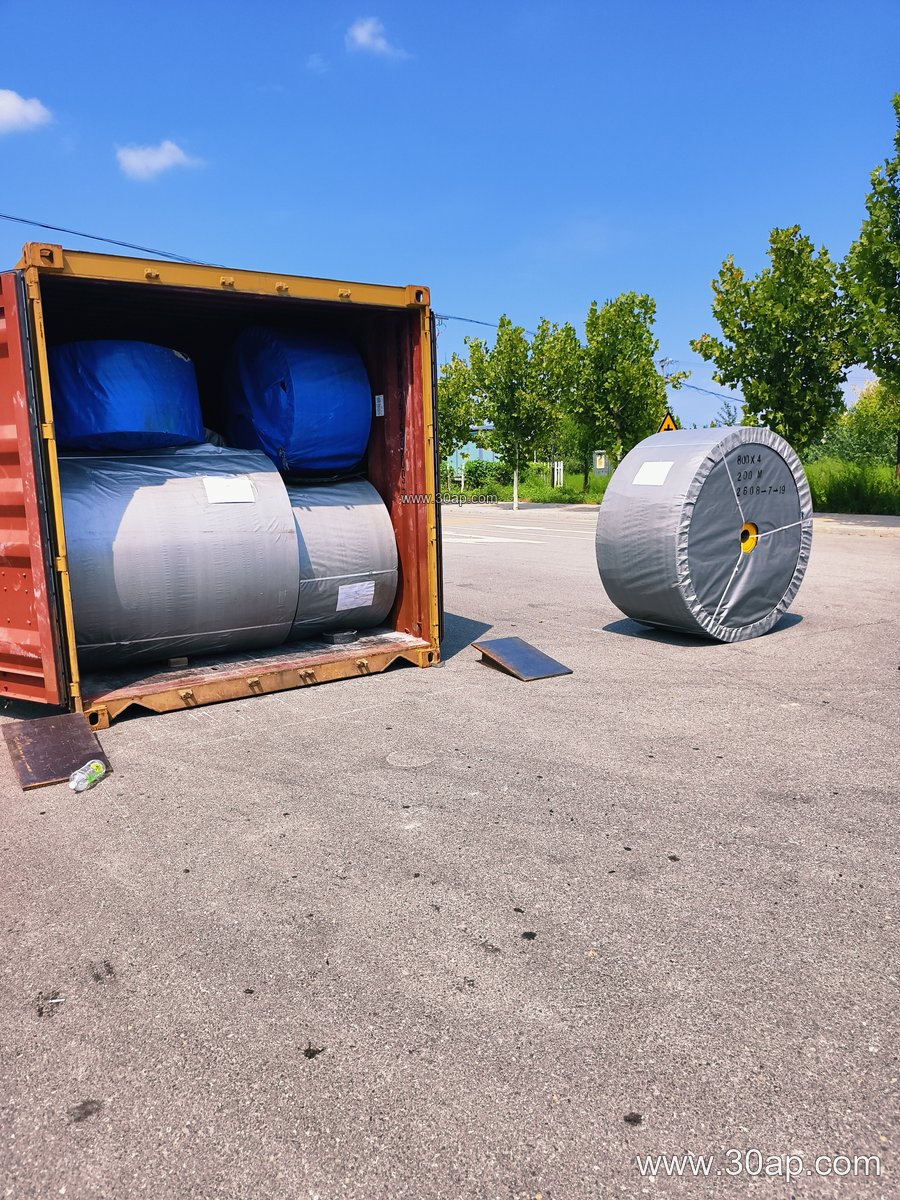
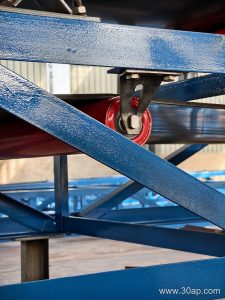
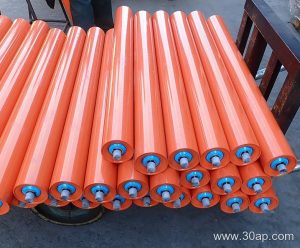
Each position has its own conditions. A belt on a clinker line may see hot, sharp material and high impact at loading points, while a belt in a packing hall may face fine abrasive dust and frequent starts and stops. The conveyor pulley at the head and tail, the idler roller sets along the carrying side, and the conveyor bracket assemblies all influence how the belt tracks and wears.
Buyer Checklist Before Ordering
- Material and temperature. Confirm what the belt will carry, lump size, moisture, and the highest surface temperature it will meet. Heat resistant grades are not the same as standard abrasion resistant compounds.
- Tension and strength. Match the strength grade to the calculated belt tension, not to a habit. A short feeder and a long overland line can call for very different carcasses.
- Width and speed. Check that the selected width and belt speed suit the required tonnage and the loading conditions.
- Cover thickness. Weigh abrasion life against belt weight and splice thickness. Heavy covers help in clinker duty but add mass.
- Safety and environment. Ask for flame retardant or antistatic construction where dust and enclosed spaces require it, and confirm the compound data with the supplier.
- Compatibility with the line. The belt must work with the existing conveyor pulley diameters, idler roller spacing, and conveyor bracket layout; changing belt thickness or stiffness without checking these parts can cause tracking problems.
- Splicing and service. Decide between mechanical and vulcanized splicing, and keep spare belt and splicing materials for critical lines.
Installation and Maintenance Notes
Correct alignment at installation prevents edge damage and mistracking. Keep loading points centered so material does not strike the belt unevenly, and inspect idler rollers for seized bearings, since a stuck roller can wear a belt through quickly. Check pulley lagging and cleanliness, because material build-up on a conveyor pulley changes belt tracking. Store spare belts away from sunlight, ozone sources, and oils, and rotate stock so older belts are used first.
Inspect covers for cuts, gouges, and exposed carcass, especially on clinker and limestone lines. Small repairs made early usually cost far less than a full replacement, and a record of wear patterns helps the next belt selection. The right cement plant conveyor belt is the one matched to its duty, supported by well-maintained rollers, pulleys, and brackets rather than chosen from a single catalog number.