What a Copper Ore Conveyor Belt Has to Handle
A copper ore conveyor belt is a heavy-duty rubber belt designed to move crushed or raw copper ore along the processing line—from primary crushing to grinding, stockpiling, and loadout. Unlike a general-purpose belt, it must tolerate sharp, abrasive rock, variable lump sizes, and often wet or dusty conditions. The belt is the load-bearing element of the conveyor, working together with idler rollers, pulleys, and brackets to keep material moving efficiently.
In copper mines and concentrators, the ore is typically hard and angular. That makes abrasion resistance the first property most buyers look for, followed by impact resistance at transfer points and adequate tensile strength for the conveyor length and incline.
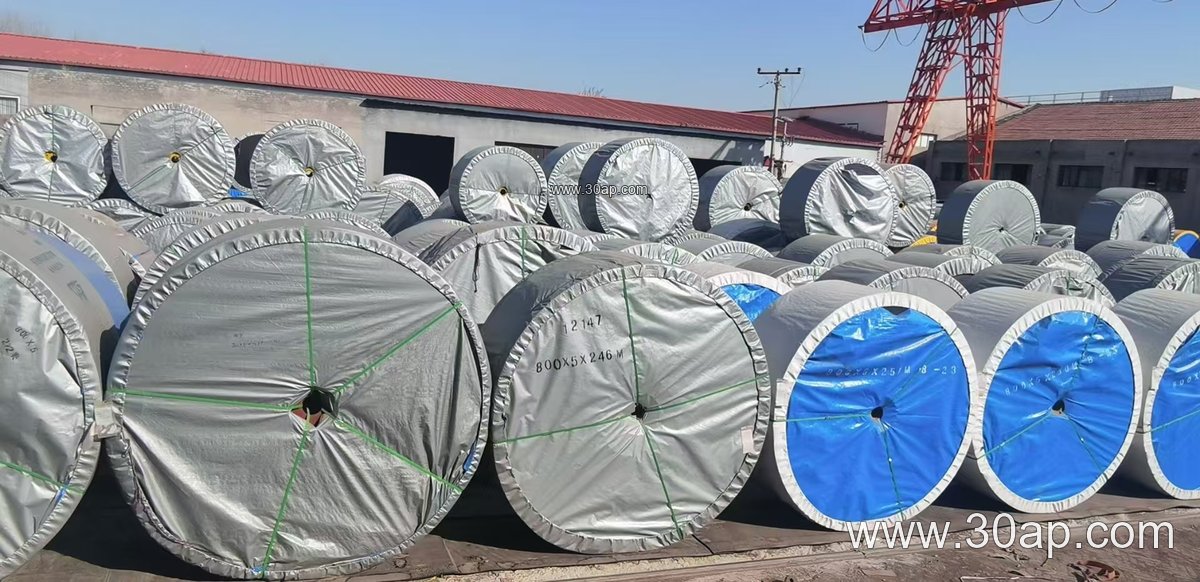
Construction and Common Belt Types
Most copper ore belts use a fabric core or steel cord carcass covered with rubber. Fabric-core belts are common for moderate distances and capacities, while steel cord belts suit long overland conveyors and high tension. Within fabric cores, EP (polyester-cotton) and NN (nylon-nylon) constructions are widely used. The cover rubber grade is selected for the duty: abrasion-resistant for ore, heat-resistant near dryers or kilns, oil-resistant where lubricants or reagents are present, and flame-retardant for underground or enclosed galleries.
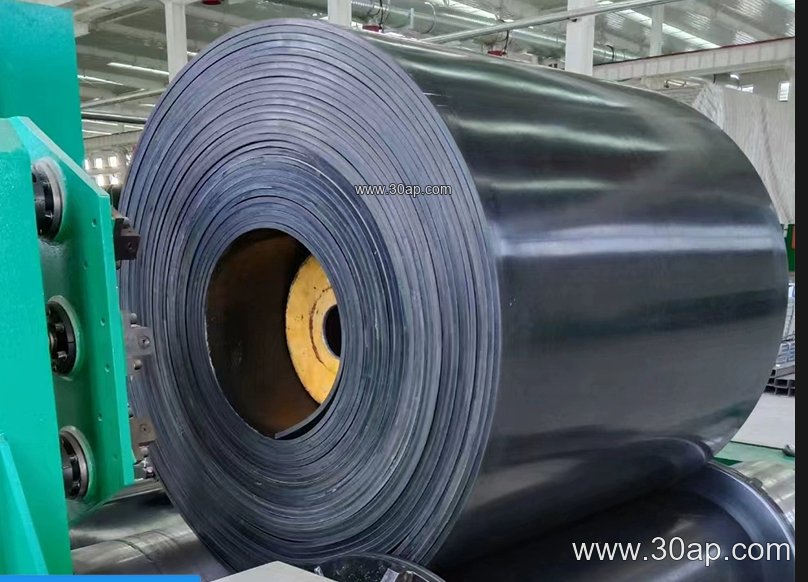
Common carcass and cover configurations include:
- EP conveyor belt with 2 to 6 plies, strength grades such as EP200, EP400, EP630, EP1000, and EP1250.
- NN conveyor belt for higher flexibility and impact absorption.
- Steel cord conveyor belt in ST1000 to ST2500 for long-haul ore transport.
- Cover rubber thicknesses such as 4+2 mm, 6+2 mm, and 8+3 mm for abrasive ore.
Belt width is matched to the conveyor design and ore lump size, not chosen in isolation. Common widths for copper ore service include 800 mm, 1000 mm, 1200 mm, and 1400 mm; wider belts may be used in high-capacity plants.
Where It Fits in the Copper Flow Sheet
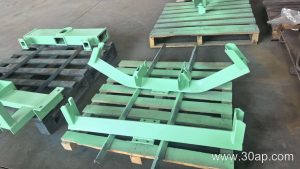
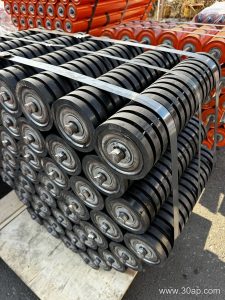
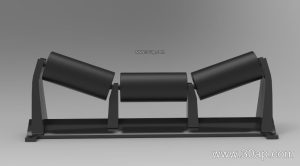
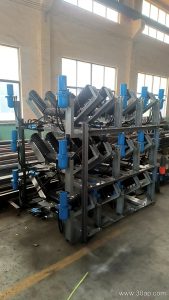
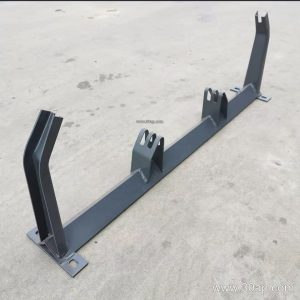
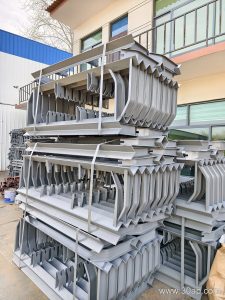
Copper ore conveyor belts appear at several stages: receiving from the primary crusher, transferring to coarse ore stockpiles, feeding the SAG or ball mill, and carrying concentrate to dewatering or loadout. In each case, the belt works with conveyor pulleys—drive, tail, and bend pulleys each have a distinct role—and with idler rollers that support the belt and control its tracking.
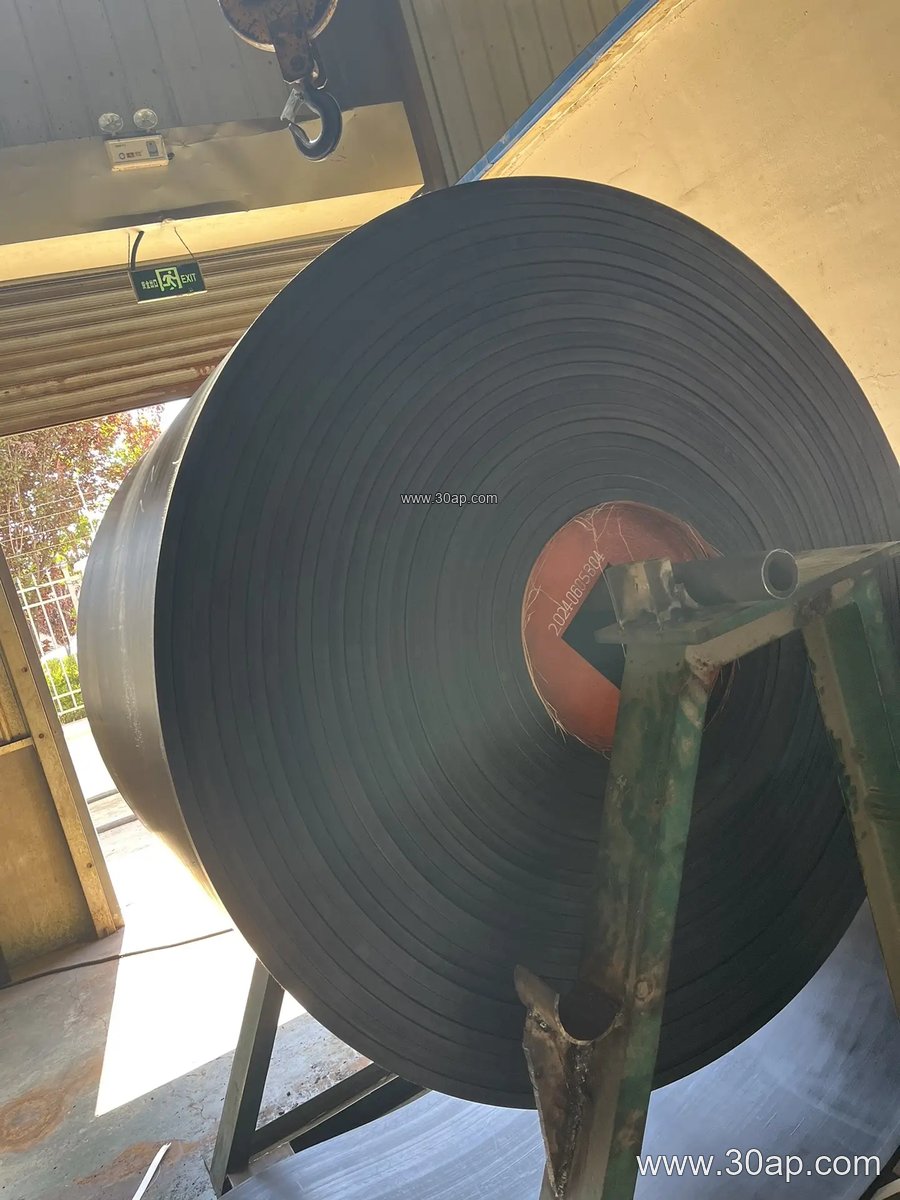
Similar heavy-duty belts are found in iron ore, gold mining, coal, cement, quarry, and aggregate operations, but the copper ore duty often combines high abrasion with moderate impact and, in some plants, chemical exposure from reagents. That is why abrasion-resistant and, where needed, oil-resistant or acid-resistant grades are specified.
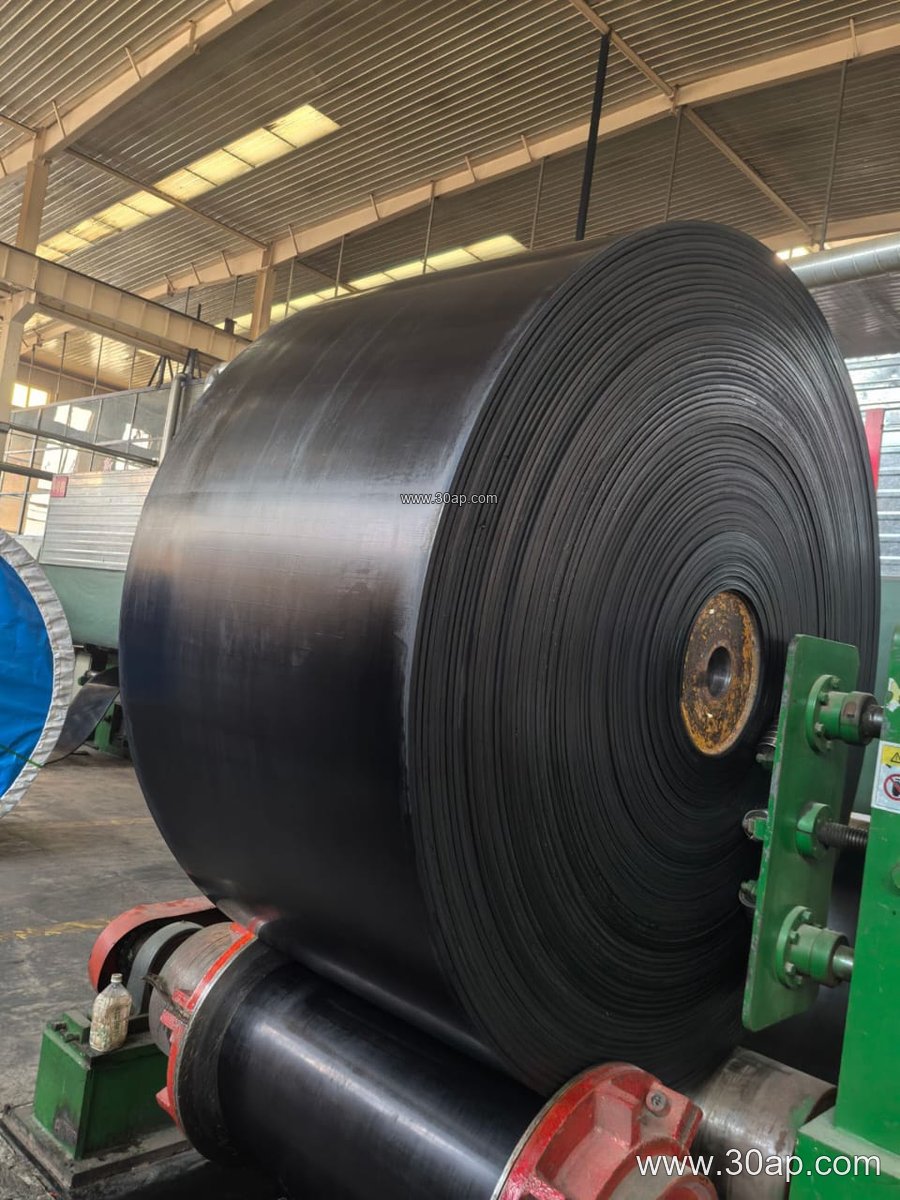
Selection Notes for Buyers
Buyers should define the ore characteristics first: lump size, moisture, bulk density, abrasion index, and temperature. Then confirm the conveyor’s belt width, speed, incline, and drive arrangement. The belt’s tensile grade must match the calculated tension, and the cover grade must match the wear mechanism. For underground or enclosed installations, flame-retardant and anti-static properties may be required.
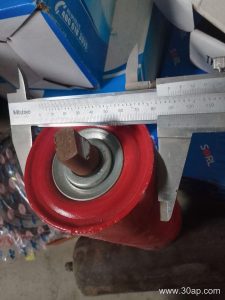
Do not assume one belt width corresponds to one pulley diameter; pulley sizing depends on belt tension, carcass flexibility, and shaft load. Likewise, a single cover thickness is not mandatory for all copper ore lines. A structured specification table helps compare offers:
| Parameter | Typical reference | Note |
|---|---|---|
| Belt type | EP, NN, steel cord | Select by tension and distance |
| Strength grade | EP200–EP1250; ST1000–ST2500 | Confirm by tension calculation |
| Width | 800–1400 mm common | Match to capacity and lump size |
| Cover thickness | 4+2, 6+2, 8+3 mm | Thicker for high abrasion |
| Cover grade | Abrasion, heat, oil, flame retardant | Based on duty conditions |
Finally, plan for maintenance: check belt tracking, idler roller rotation, pulley lagging, and splice condition regularly. A well-matched copper ore conveyor belt with appropriate conveyor pulley and idler support reduces downtime in any mining or processing plant.