What the PVG800S Conveyor Belt Is
The PVG800S Conveyor Belt is a solid-woven, PVC-based conveyor belt with a specified strength grade of 800S. It belongs to the PVG (polyvinyl chloride with nitrile rubber blend) family, which is known for combining flame retardancy with good mechanical properties. In many mining and industrial contexts, this product is also referred to as a PVG800S solid woven conveyor belt or simply PVG800S belt. The “S” suffix typically denotes a specific property class, often related to static conductivity or flame resistance, but exact definitions vary by manufacturer. Buyers should confirm the precise meaning with their supplier.
This belt is not a replacement for other subtypes such as EP conveyor belt or steel cord conveyor belt; it serves a distinct role where a tough, single-ply solid woven carcass is preferred over multi-ply fabric or steel cord constructions.
Construction and Key Features
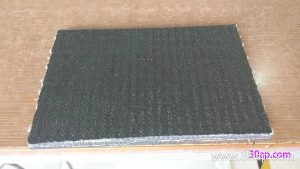
The PVG800S Conveyor Belt is built around a solid woven fabric core that is impregnated and coated with PVC and nitrile rubber. This construction gives the belt high resistance to tearing, impact, and abrasion while remaining relatively lightweight and flexible. The cover compound is usually formulated for flame retardancy and anti-static performance, making it suitable for underground coal mining and other environments where fire safety is critical.
Typical features include:
- Solid woven carcass with high strength-to-weight ratio
- Excellent resistance to cutting, gouging, and impact
- Flame retardant and anti-static properties (common in PVG grades)
- Good flexibility for small pulley diameters and troughing
- Resistance to moisture and rot
Unlike multi-ply fabric core conveyor belts, the PVG800S has no ply separation issues, which can extend service life in wet or abrasive conditions.
Where It Is Used
The PVG800S Conveyor Belt is frequently found in underground coal mining, where flame retardancy and anti-static properties are essential. It also sees use in other mining operations, cement plants, power plants, and quarrying applications where a robust, fire-resistant belt is needed. It is well suited for transporting bulk materials such as coal, ore, limestone, and aggregates.
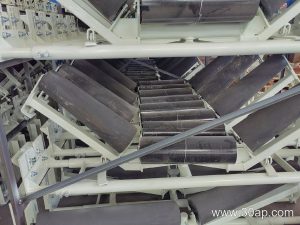
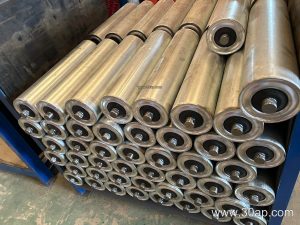
In these systems, the belt works alongside conveyor pulleys, idler rollers, and conveyor brackets to form a complete conveying solution. The belt’s flexibility allows it to conform to troughing idlers and bend pulleys without excessive stress.
Specifications and Selection Guidance
When specifying a PVG800S Conveyor Belt, several parameters matter. The table below lists common reference values; actual supply should be confirmed with the manufacturer.
| Parameter | Common Range / Options |
|---|---|
| Belt width | B500, B650, B800, B1000, B1200, B1400, B1600, B1800, B2000 |
| Strength grade | 800S (PVG800S) |
| Cover thickness | 3+1.5 mm, 4+2 mm, 5+2 mm, 6+2 mm, 8+3 mm (top + bottom) |
| Carcass | Solid woven, typically 1–2 plies equivalent |
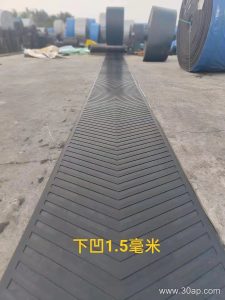
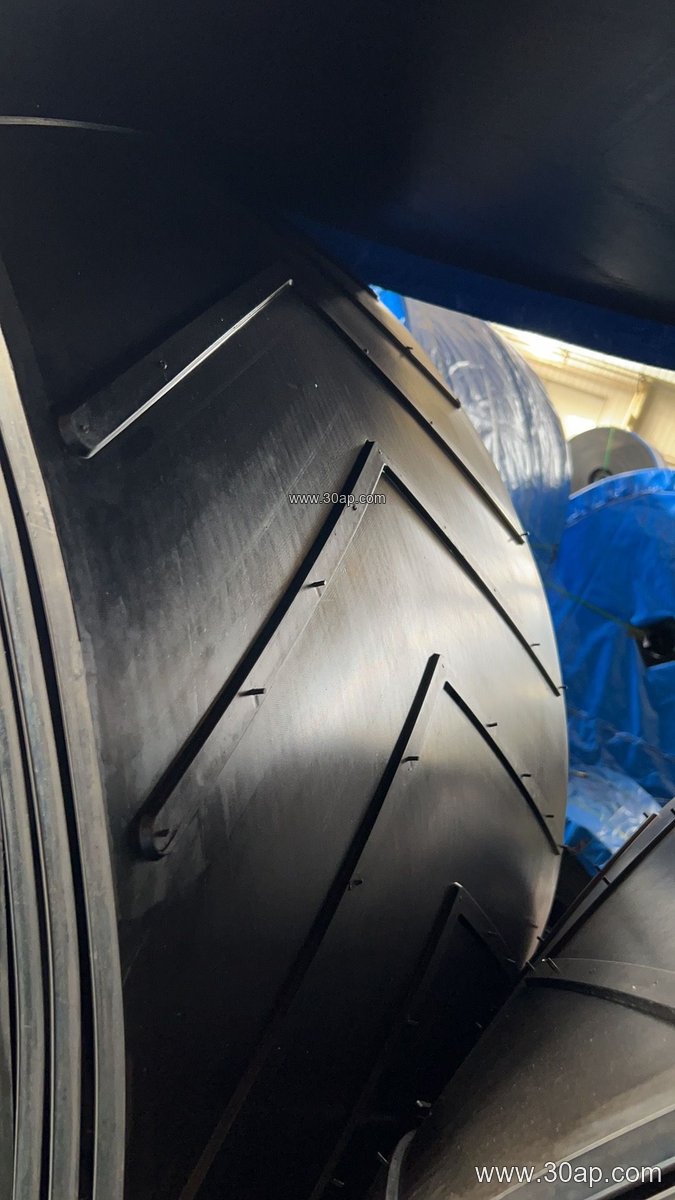
| Surface finish | Smooth or with patterned profiles (e.g., chevron) available on request |
Selection should consider the material being conveyed, lump size, impact energy, troughing angle, and pulley diameters. The PVG800S is not interchangeable with a steel cord conveyor belt or an EP conveyor belt in applications requiring very high tension or long distances; it is best suited for medium-duty to heavy-duty service where fire safety and cut resistance are priorities.
Buyer Checklist
Before ordering a PVG800S Conveyor Belt, verify the following with your supplier:
- Exact meaning of the “S” suffix and relevant certificates (e.g., flame retardant, anti-static)
- Belt width and strength grade compatibility with your conveyor design
- Cover thickness and rubber compound suitability for the material and environment
- Minimum pulley diameters and recommended troughing angle
- Availability of splicing materials and technical support
Proper installation and maintenance, including alignment of idler rollers and pulleys, will maximize belt life. Avoid mixing the PVG800S with other belt types in the same conveyor unless engineering checks confirm compatibility.
For more information on conveyor belts and related components, visit rubber conveyor belt and mining conveyor belt resources. You can also explore flame retardant conveyor belt options and abrasion resistant conveyor belt grades to compare with the PVG800S for your specific application.