What the ST2000 Conveyor Belt Is
The ST2000 conveyor belt is a steel cord conveyor belt built for high tension, long distance conveying in demanding industries such as mining, coal preparation, cement plants, power stations, and sand and gravel yards. The designation ST2000 refers to a nominal tensile strength of 2000 N/mm, placing it among the stronger steel cord belt classes used on large conveyor systems. It is not a single fabric belt with a fixed cover compound; rather, it is a product family in which carcass construction, cover grade, and belt width are selected according to the conveyor design and the material being carried.
In everyday site language, this product may be called an ST2000 steel cord belt or a 2000 N/mm steel cord conveyor belt. Those are accurate equivalent names for the same item. Other belt types, such as EP or NN fabric belts or PVC/PVG solid woven belts, serve different duties and are not interchangeable with the ST2000 class.
Construction and Key Components
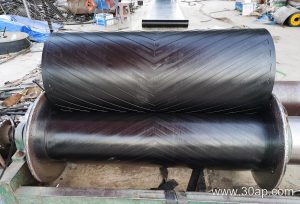
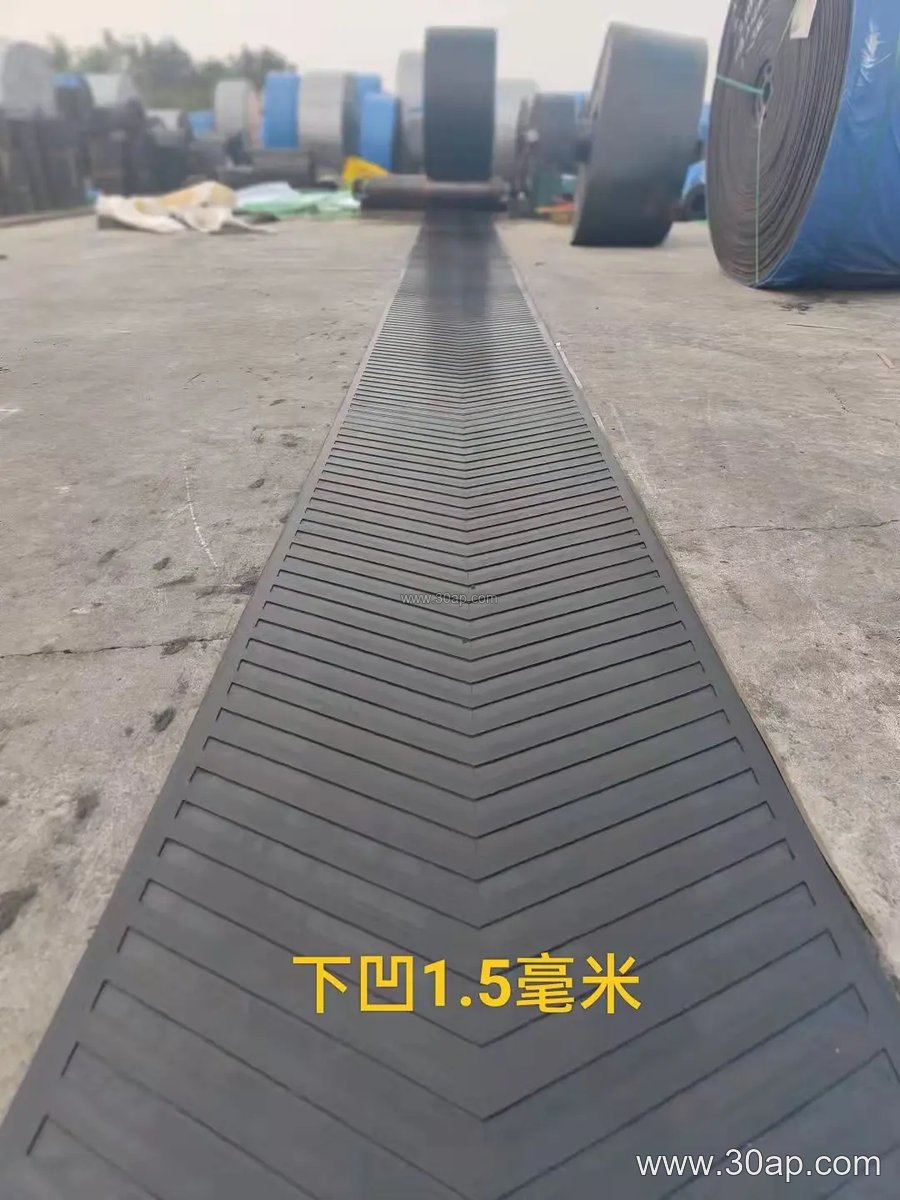
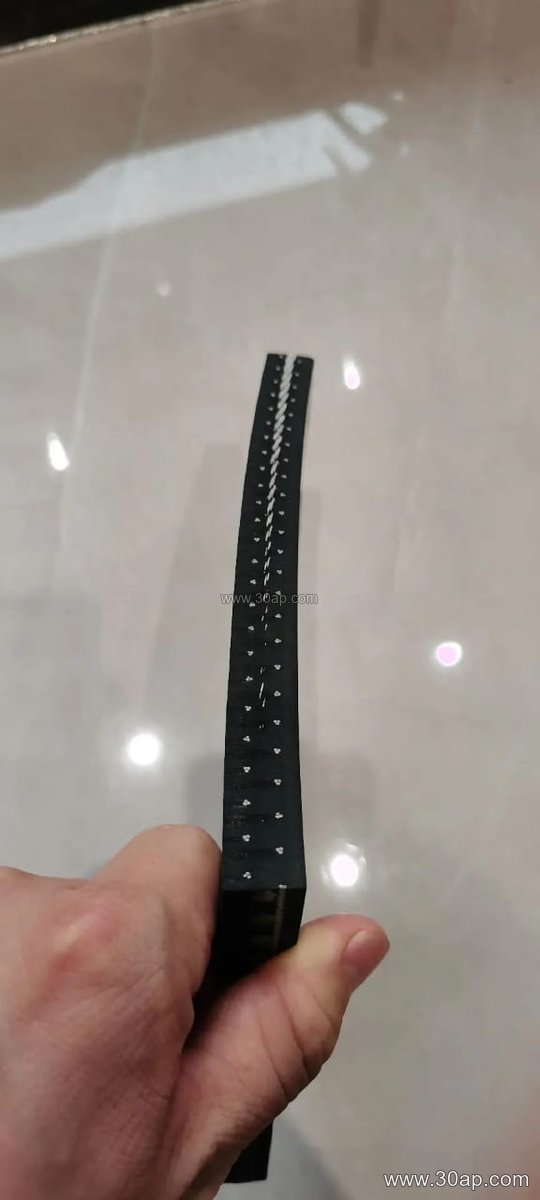
The carcass consists of parallel steel cords embedded in a rubber core compound. The cords carry the tension while the rubber transfers load between them and protects the cords from moisture, abrasion, and impact. Top and bottom cover rubber is bonded to the carcass; cover thickness is chosen according to the duty, with common combinations such as 6+2 mm, 8+3 mm, and heavier builds where abrasive rock or hot clinker is present. The belt may be supplied with a plain surface or with a patterned surface when extra grip is needed on an incline.
- Steel cord carcass in a single plane for high strength and low elongation
- Cover compounds available in wear resistant, heat resistant, oil resistant, flame retardant, antistatic, cold resistant, and acid and alkali resistant forms
- Cut edges or moulded edges according to manufacturer practice
- Widths from B800 up to B2000 and beyond, depending on the conveyor frame and pulley face
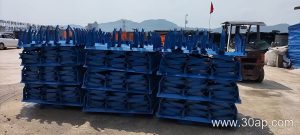
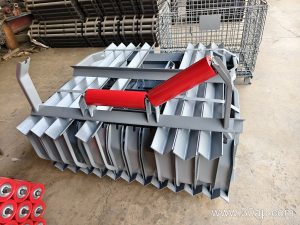
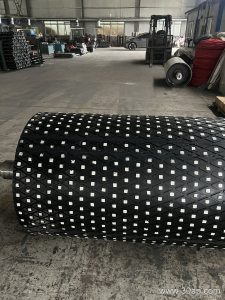
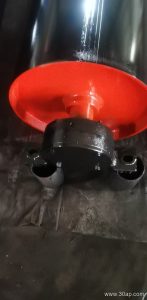
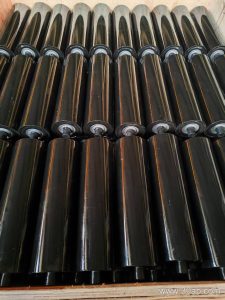
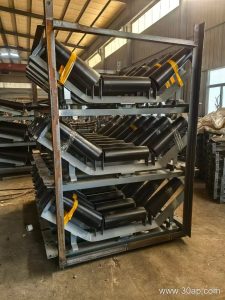
The belt works with the rest of the conveyor: idler rollers support the loaded strand, the drive pulley transmits motion, the tail pulley returns the belt, and the conveyor bracket and frame hold the assembly in alignment. A bend pulley may be used on some routes to change the belt path, but it performs a different function from the drive and tail pulleys and is not a substitute name for either.
Where It Is Used
Heavy duty ST2000 belts are common on mainline conveyors in open pit and underground mines, coal handling systems, cement raw material and clinker lines, power plant coal yards, and large sand and gravel plants. They suit long overland flights, high lift sections, and systems where belt stretch must remain small so that take-up travel and splice behaviour stay predictable. In these installations the belt often runs together with impact idlers at the loading point, troughing idlers along the carrying run, return rollers underneath, and a properly sized conveyor pulley at each end.
Specifications a Buyer Should Confirm
Catalogues and enquiry sheets vary between manufacturers, so the values below are reference points rather than fixed supply promises. Final data should always be confirmed against the actual project specification and the belt maker’s technical data sheet.
| Item | Typical options |
|---|---|
| Belt type | Steel cord conveyor belt, ST2000 grade |
| Nominal strength | 2000 N/mm |
| Belt width | B800, B1000, B1200, B1400, B1600, B1800, B2000 |
| Cover thickness | 4+2 mm, 5+2 mm, 6+2 mm, 8+3 mm |
| Cover grade | Wear resistant, heat resistant, oil resistant, flame retardant, antistatic, cold resistant, acid and alkali resistant |
| Surface form | Plain, patterned or chevron top cover where required |
| Edge form | Cut edge or moulded edge |
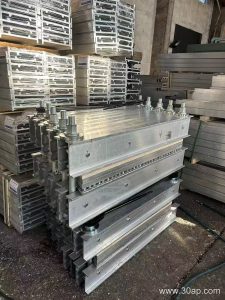
Belt width and pulley diameter are separate design choices. A wider belt does not automatically require one particular pulley size, and shaft diameter cannot be derived from belt width alone; it comes from the conveyor engineer’s torque and load calculation. Splice type, pulley lagging, and take-up arrangement also influence how the belt performs in service.
Selection and Maintenance Notes
When specifying an ST2000 belt, match the strength grade to the calculated maximum belt tension, then check cover thickness against abrasion, impact, and temperature at the loading point. Confirm the minimum pulley diameters recommended by the belt manufacturer, because undersized pulleys can shorten cord and cover life. On site, keep idler rollers turning freely, maintain pulley alignment, and inspect the splice and edges regularly. A belt that tracks poorly or runs against structure will fail earlier than one that is correctly aligned and loaded.
For any enquiry, provide the belt width, strength grade, cover thickness and grade, required length, splice preference, and the material being conveyed. That information lets the supplier propose a suitable ST2000 steel cord belt rather than a generic replacement.