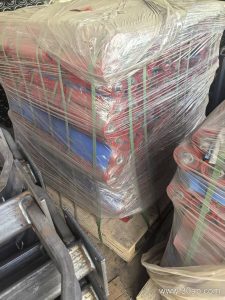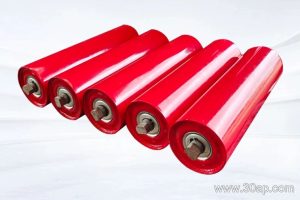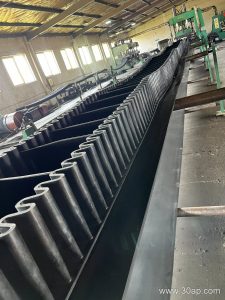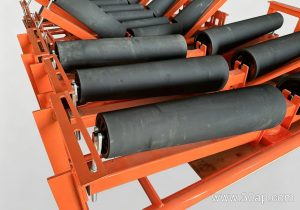
What a High-Strength Idler Is
A high-strength idler is a carrying or return roller built with heavier wall tube, reinforced end caps, and larger bearings so it can survive shock loads, abrasive dust, and continuous duty on a conveyor belt. In everyday plant language it is also called a heavy-duty idler roller, and that is the same product, not a different component. It is not a conveyor pulley; drive, tail, and bend pulleys do a different job and are not interchangeable with an idler.
The roller supports the belt and the material on it, turning freely under load. When belt tension, lump size, or impact energy rises, a standard roller may deflect, lose its seal, or seize. The high-strength version is specified where that risk is real.
How It Is Built
Construction starts with the roller shell. Steel tube is common, and wall thickness is chosen from the load case rather than from habit. The shaft is machined, and the bearing housing is welded or pressed into the end cap with attention to concentricity, because runout shortens bearing life.
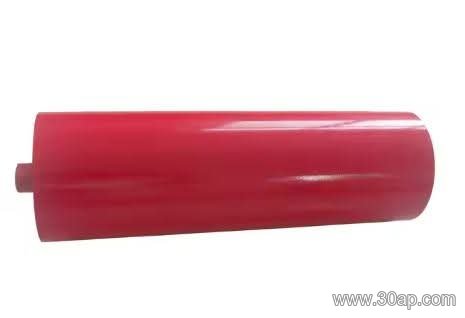
Sealing matters as much as steel grade. A multi-stage labyrinth seal with grease retention keeps fine dust out of the bearing cavity. Common bearing sizes include 6204, 6205, 6305, 6306, 6308, and 6310, but a given bearing is not tied to one roller diameter; the selection follows load, speed, and expected life.
Surface form is chosen for the duty. Options include plain steel, nylon, ceramic, and rubber rings. Rubber rings are useful at transfer points, while ceramic or nylon can suit sticky or abrasive material. The roller is mounted in a conveyor bracket or frame, and the bracket must be strong enough not to flex under the same load.
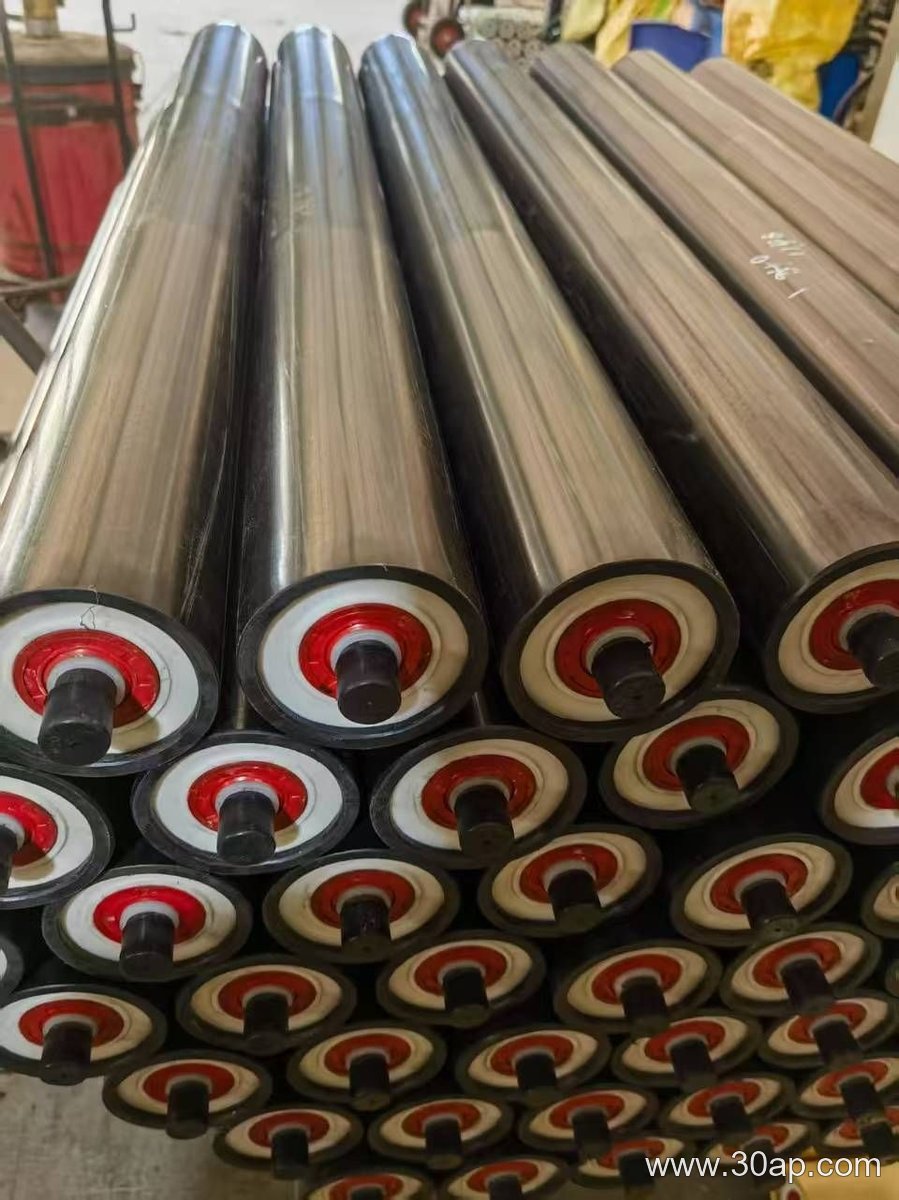
Where It Fits on the Conveyor
On the carrying side, a high-strength idler often appears in three-roll troughing sets, where two side rolls and one center roll form the trough. Trough angles of 20, 30, 35, and 45 degrees are common. On the return side, the same heavy-duty construction can be used in a flat return roll, a V-return roll, or a spiral roll that sheds sticky fines.
Applications tend to be places with impact and abrasion. A quarry or limestone mine feeding a primary crusher is one example. A coal handling system at a power plant is another. In both cases the belt carries sharp, heavy lumps, and the idler must resist both the load and the dust.
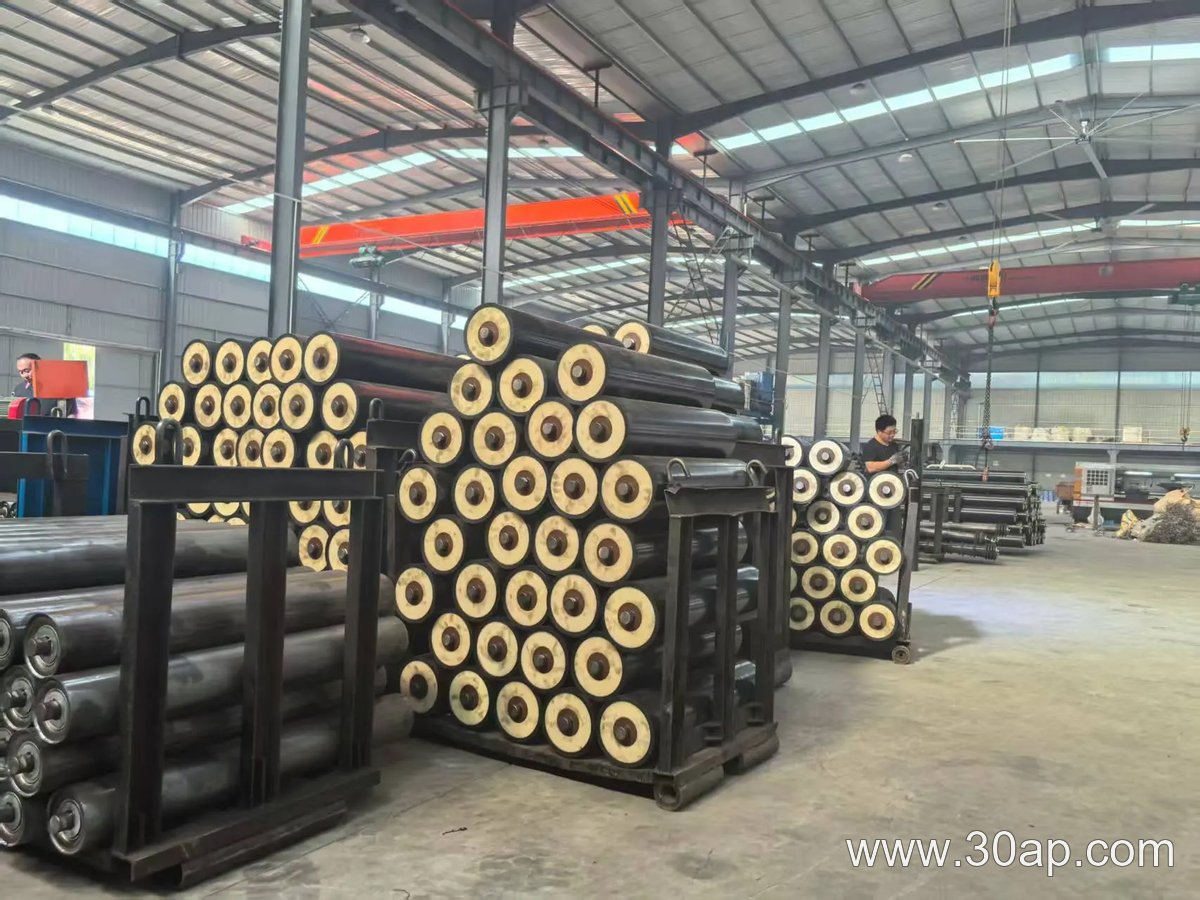
Other subtypes are chosen for different reasons. A training idler, including friction and tapered versions, corrects belt misalignment. A buffer idler with rubber rings absorbs impact. A comb idler is used where material sticks. These are related products, not replacements for the high-strength roller, and each has its own place in the string.
Common Reference Dimensions
Roller diameter and belt width are selected together, but one belt width does not dictate one diameter. The table below shows typical reference values, not fixed pairings or a supply promise.
| Belt width | Typical troughing roll length, three-roll set |
|---|---|
| B500 | about 200 mm |
| B650 | about 250 mm |
| B800 | about 315 mm |
| B1000 | about 380 mm |
| B1200 | about 465 mm |
| B1400 | about 530 mm |
| B1600 | about 600 mm |
| B1800 | about 670 mm |
| B2000 | about 750 mm |
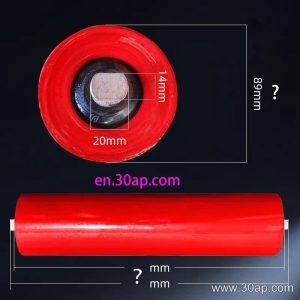
Roller diameters commonly seen in this class include 63, 76, 89, 102, 108, 127, 133, 159, 178, 194, and 219 mm. Side rolls and center rolls in the same set can differ in length. Do not assume that a given belt width fixes the shaft diameter either; shaft size follows the calculated load and the bearing selected.
What a Buyer Should Check
- Load and impact: state the material, lump size, and drop height at the transfer point.
- Speed and duty: continuous running and high belt speed raise bearing and seal requirements.
- Environment: dust, moisture, and temperature decide the seal and the surface form.
- Fit: confirm roller length, shaft end type, and bracket spacing against the existing frame.
- Service: choose a design that can be re-greased or replaced without long downtime if that matters to the plant.
A high-strength idler is a wear part, and its life depends on matching the roller to the real load rather than to a catalog average. When the belt, the material, and the frame are all considered together, the roller does its job quietly and the conveyor keeps running.