What a Return Idler Bracket Does
A return idler bracket is the support that holds the return-side idler roller beneath a conveyor belt. While the carrying side gets most of the attention, the return run needs steady support too, and this bracket is what keeps the lower idlers in position, at the right height, and aligned with the belt path. In a coal handling plant or a limestone quarry, a loose or misaligned return bracket can let the belt sag, wander, or rub, so the part earns its place in the overall conveyor frame.
The same component is often called a return roller bracket or lower idler support bracket. These are accurate equivalents for the same product, not different hardware. Whatever the name, the job is the same: carry the return idler, hold it square to the belt, and allow service access without dismantling the frame.
How the Bracket Is Built
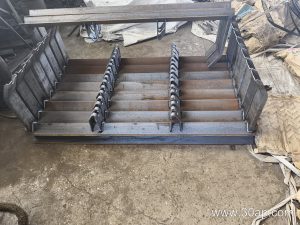
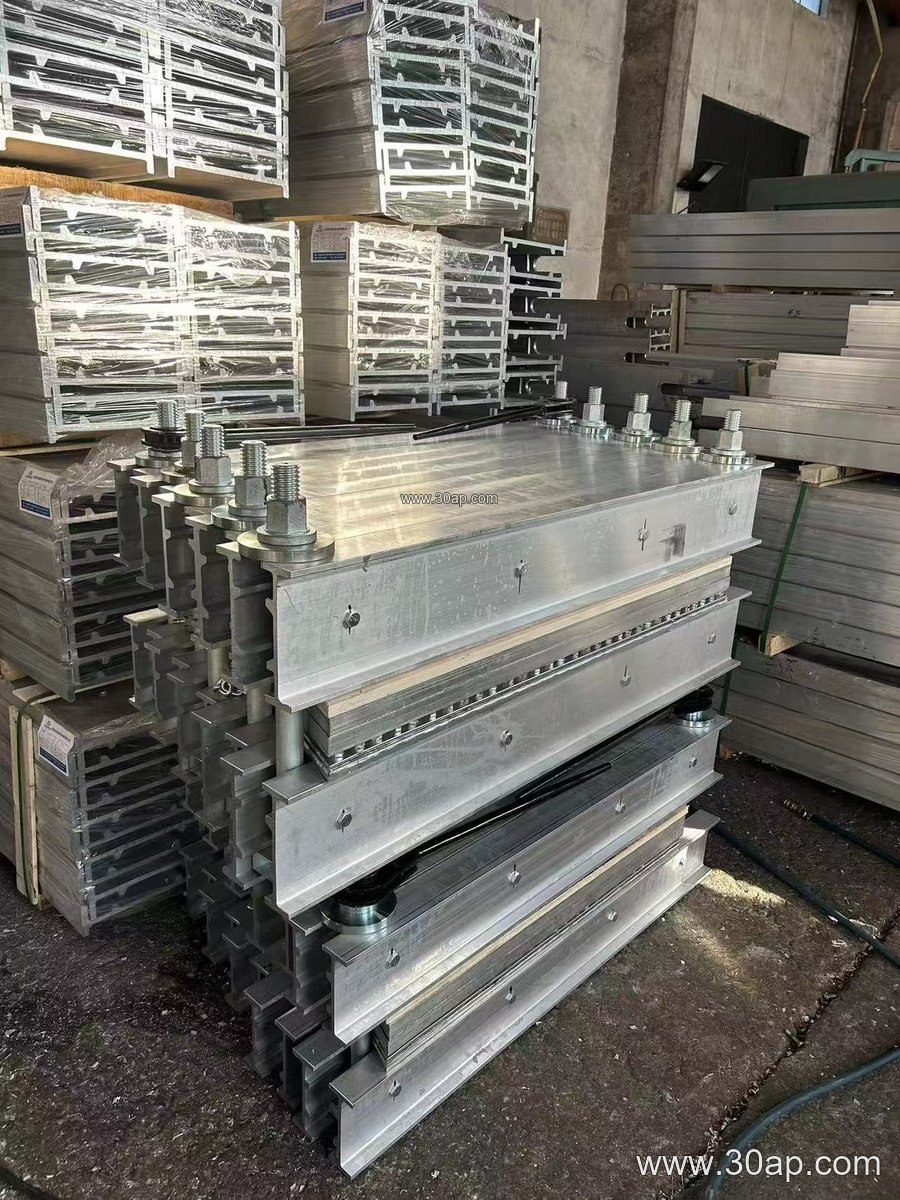
Most return idler brackets are fabricated from angle steel, channel steel, or folded steel plate. The choice depends on load, belt width, and the environment. A dusty cement plant may favor a heavier folded plate design that sheds buildup, while a lighter sand and gravel line might use angle steel for economy.
Typical features include:
- Mounting slots or holes that align with the conveyor stringer
- A cradle or hook that seats the idler shaft
- Reinforcing gussets where the load is highest
- Optional height or angle adjustment for belt tracking
Fixing holes and crossbeam length change with belt width and bracket type, so they are set by design rather than treated as a universal number.
Where It Fits on the Conveyor
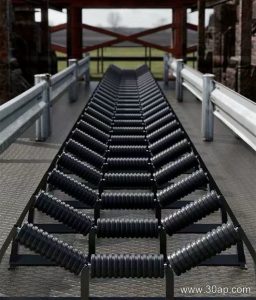
The return idler bracket sits on the return strand, usually between the head and tail areas of the conveyor. On a long overland run at a power plant coal yard, brackets repeat at intervals to support the belt’s lower loop. In a crushing and screening circuit, they sit close to the discharge and load zones where belt tension varies.
It helps to keep the bracket distinct from the pulleys. Drive pulleys, tail pulleys, and bend pulleys are separate components with their own support structures. A return bracket does not replace any of them; it only carries the lower idlers that guide the belt back.
Common Types and Sizes
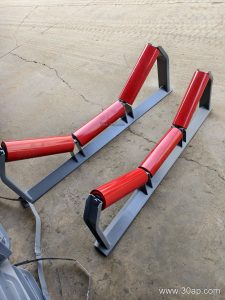
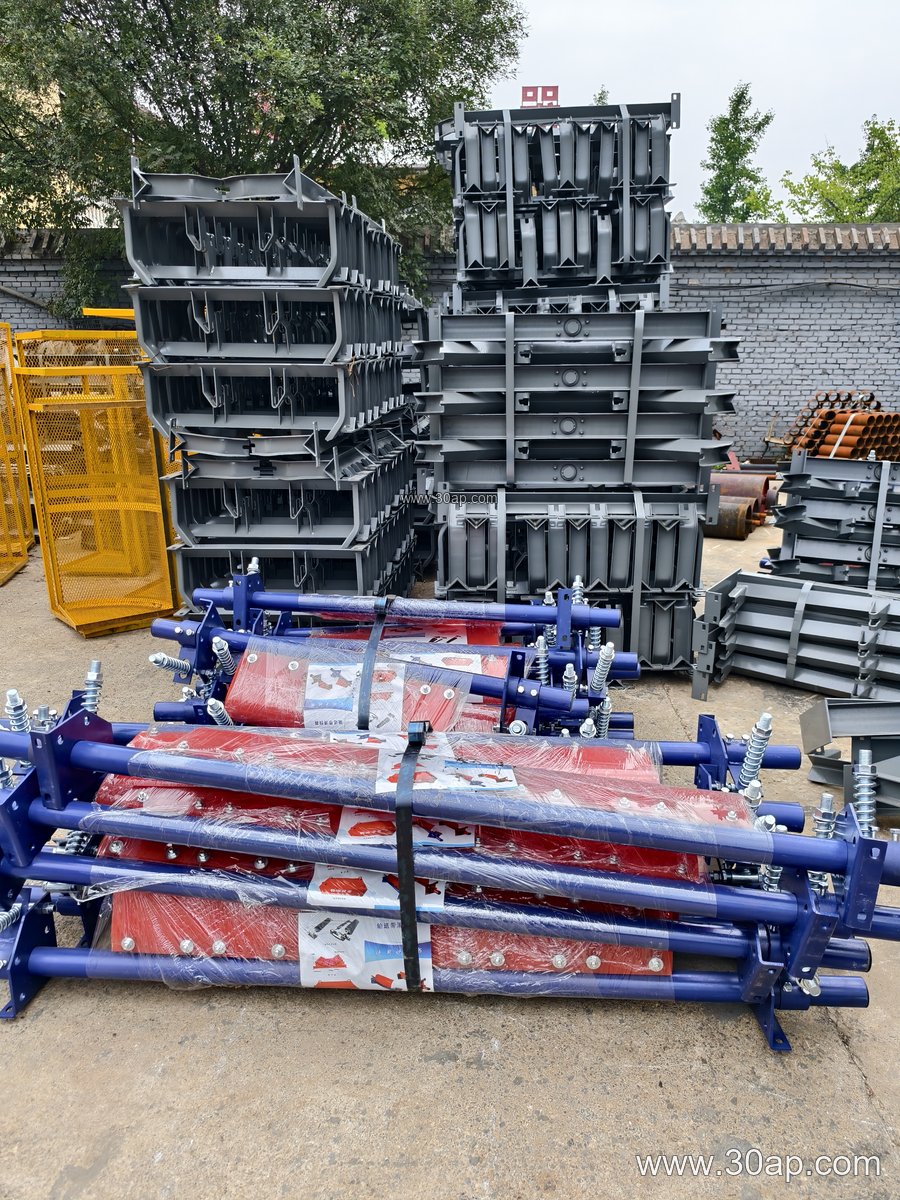
Return brackets come in several forms. A flat lower bracket supports a single return roller. A V-type return bracket holds two rollers at an angle to help center the belt. Adjustable brackets let maintenance crews fine-tune height or angle. A relevant comparison is the troughing bracket on the carrying side, which uses a different shape to form the belt trough; the return version serves the lower run instead.
The table below shows reference ranges often seen in catalogues. Treat these as examples, not fixed supply promises.
| Belt width | Typical return idler diameter | Common bracket form |
|---|---|---|
| B500 to B650 | Ø89 | Flat or V-type |
| B800 to B1000 | Ø108 to Ø133 | Flat, V-type, adjustable |
| B1200 to B1400 | Ø133 to Ø159 | V-type, adjustable |
| B1600 to B2000 | Ø159 to Ø194 | Heavy V-type, adjustable |
Belt width alone does not fix the idler diameter or shaft size. The conveyor designer matches those to load, speed, and belt tension.
What Buyers Should Check
Before ordering, confirm the belt width, the return idler roller diameter, and the mounting hole spacing on the existing stringer. Ask whether the frame needs a flat, V-type, or adjustable bracket, since these are not interchangeable in service. Check the material and finish for the site: a fertilizer plant or a grain silo may need corrosion protection, while an iron ore yard may need extra wear resistance.
Also confirm that the bracket works with the conveyor belt and the idler roller you plan to use, and that it leaves room for inspection. Small details such as slot length and gusset placement affect how easily a crew can replace an idler without cutting the frame.
Used well, a return idler bracket is a low-cost part that keeps the lower belt run stable. Matching it to the belt width, idler size, and site conditions is the practical way to avoid tracking problems and premature wear.