What an Impact Idler Bracket Does
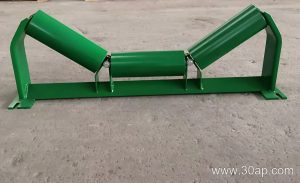
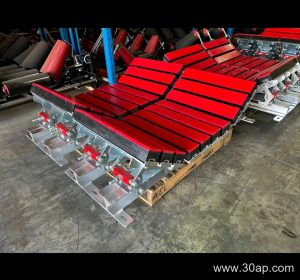
In a crushing circuit, sinter plant, or coal handling system, the point where material hits the conveyor belt is rarely gentle. An impact idler bracket is the support frame that holds the impact idler rollers directly under that loading zone. Its job is not simply to carry the belt, but to absorb repeated shock, keep the belt line stable, and prevent the roller set from being knocked out of alignment.
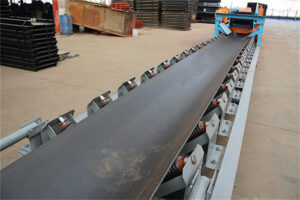
This bracket is one member of the wider family of conveyor brackets, yet it is distinct from a standard troughing bracket. Standard brackets support the belt along the normal carrying run. The impact version is positioned where the drop height and lump size create the greatest force, often just below a chute or a transfer point.
Construction and Mounting
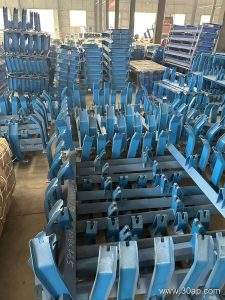
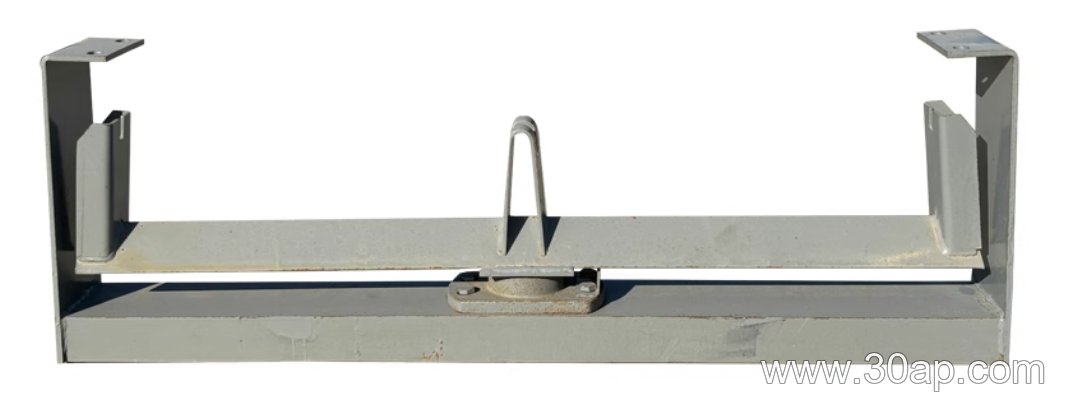
Most impact idler brackets are fabricated from angle steel, channel steel, or folded steel plate. The frame is usually shorter and stiffer than a regular bracket because it must resist vertical impact rather than only guide the belt. Rubber or polyurethane rings are frequently fitted on the rollers themselves, and the bracket is designed to hold those rollers in a fixed position without letting them bounce.
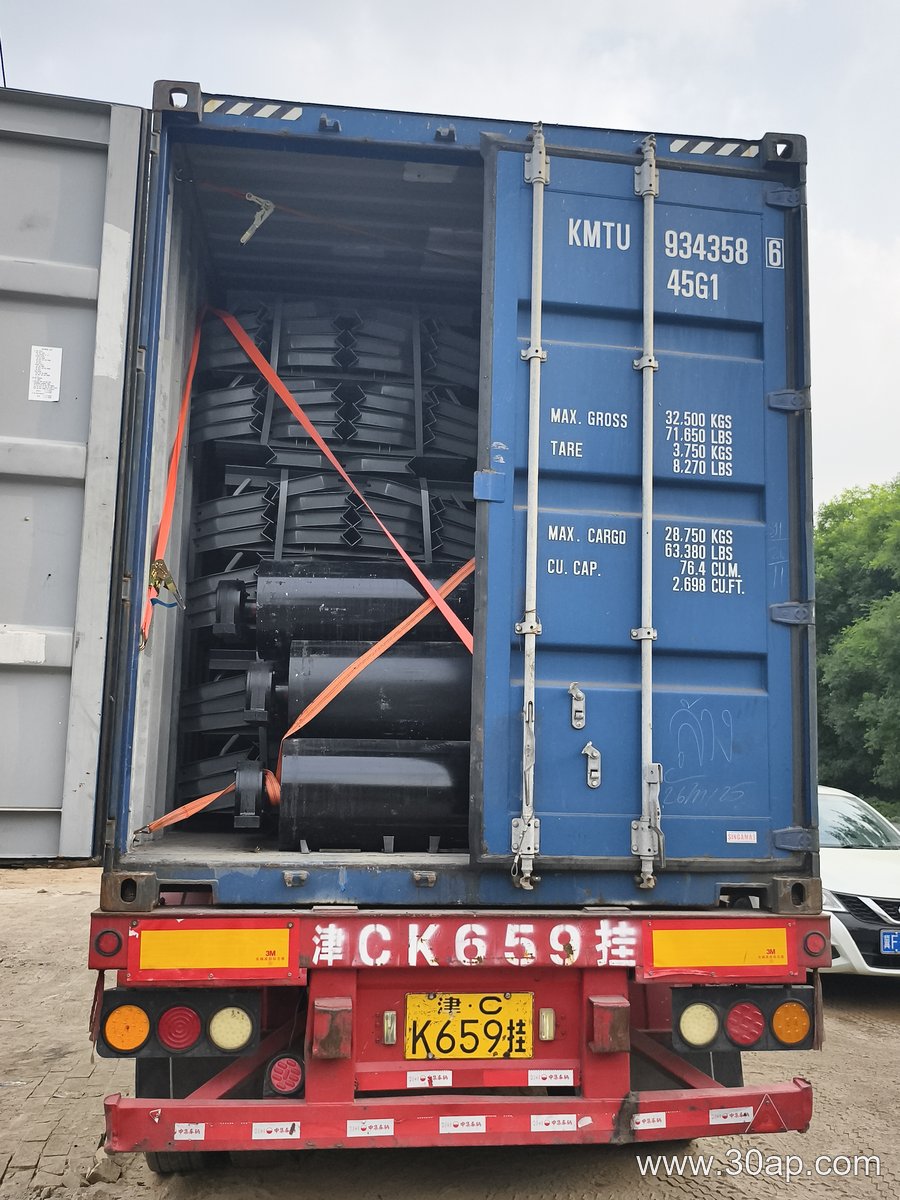
Mounting holes are typically slotted or prepared according to the conveyor frame design. The hole spacing and crossbeam length are not universal; they change with belt width, trough angle, and the roller diameter selected. A bracket for a B800 conveyor will not fit a B1400 frame without adjustment, and the same belt width can be paired with more than one roller diameter depending on load and speed.
Where It Fits in the Conveying Line
Impact idler brackets appear in a narrow but critical section of the conveyor. They are common in:
- Primary and secondary crushing discharge points
- Coal preparation plants and power station coal feed
- Limestone and clinker transfer towers in cement works
- Aggregate quarries and sand and gravel lines
- Port loading and unloading conveyors
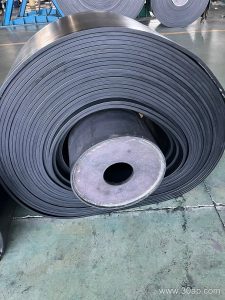
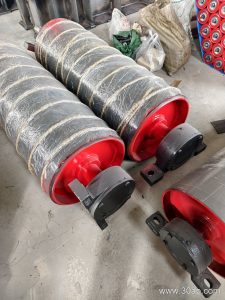
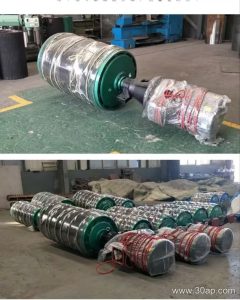
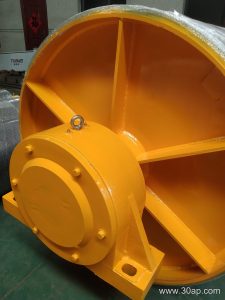
In these locations, the bracket works together with the conveyor belt, the idler roller, and sometimes a conveyor pulley at the head or tail of the system. A drive pulley, tail pulley, and bend pulley each have their own role and are not interchangeable with an impact bracket or with each other. The bracket is a carrying component, not a driving or redirecting component.
Common Configurations and Reference Data
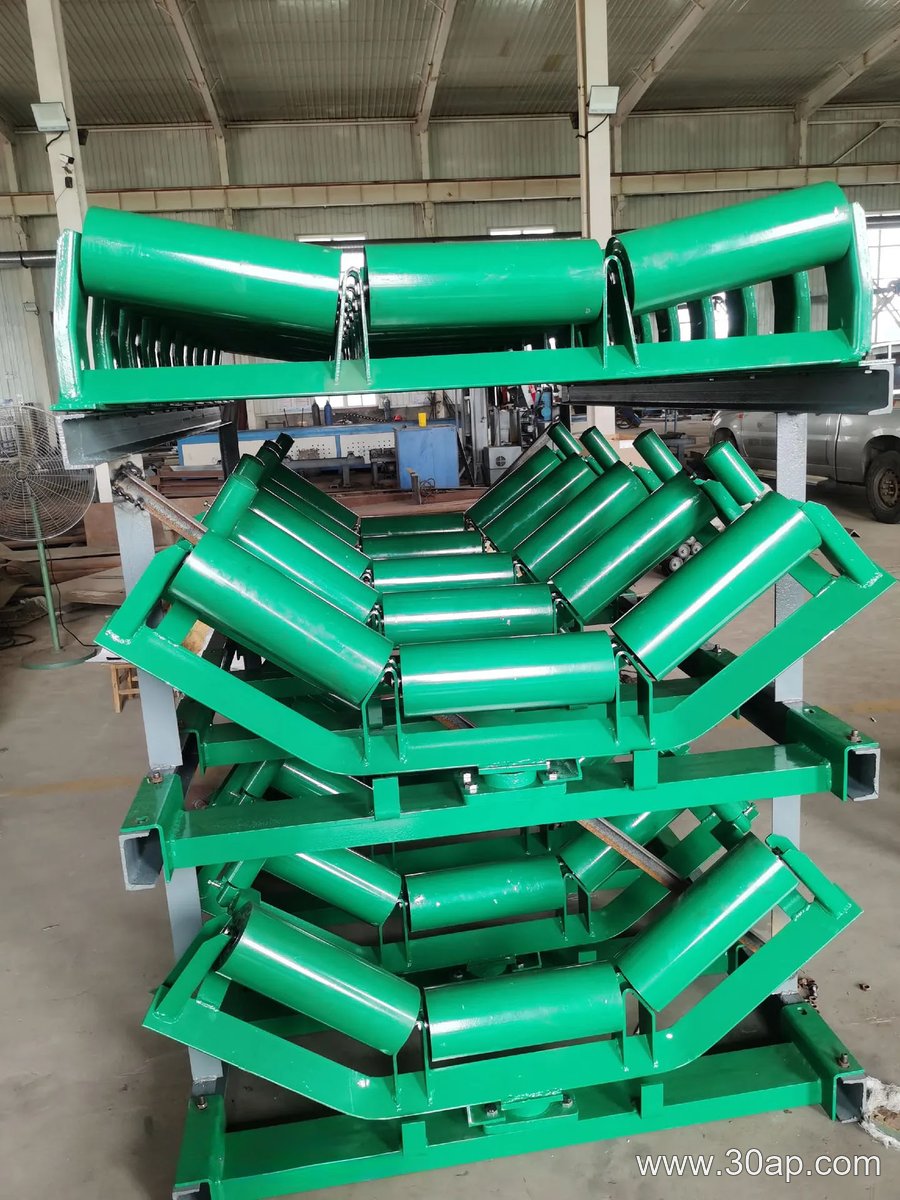
Impact idler brackets are usually supplied as part of a set that matches the trough angle of the carrying idlers. Typical trough angles include 20 degrees, 30 degrees, 35 degrees, and 45 degrees. The bracket may be fixed or adjustable, and in an adjustable design the same frame can be set to different angles within a limited range.
Roller diameters that appear in impact bracket assemblies include Ø89, Ø108, Ø133, Ø159, and Ø194. These are reference sizes, not a fixed matching rule. A B650 conveyor might use Ø89 rollers with a 30 degree trough, while a B1200 conveyor in a heavy ore application could use Ø133 or Ø159 rollers with a 35 degree or 45 degree trough. The final choice depends on belt speed, material lump size, and the structural design of the conveyor.
| Belt Width | Typical Trough Angle | Common Roller Diameter |
|---|---|---|
| B500 to B800 | 20 to 35 degrees | Ø89, Ø108 |
| B1000 to B1400 | 30 to 45 degrees | Ø108, Ø133, Ø159 |
| B1600 to B2200 | 35 to 45 degrees | Ø133, Ø159, Ø194 |
These combinations are examples only. They should be confirmed against the actual conveyor design rather than treated as a fixed catalogue promise.
What Buyers Should Check
Before ordering an impact idler bracket, a buyer should confirm the belt width, the existing trough angle, the roller diameter and fixing dimensions, and the mounting hole pattern on the conveyor frame. It also helps to know whether the bracket is for a new installation or a replacement, because a replacement must match the existing roller set and frame holes.
Material thickness and surface treatment matter in dusty or wet conditions. A bracket used in a washbox or a port conveyor may need better corrosion protection than one in a dry cement silo area. The bracket should be rigid enough to keep the impact rollers aligned, but it should not be so heavy that it complicates maintenance.
For a reliable result, treat the impact idler bracket as part of a system: the belt, the rollers, the bracket, and the loading chute all influence how long the assembly lasts. Selecting the bracket by belt width alone is rarely enough.