What a Belt Conveyor Idler Frame Does
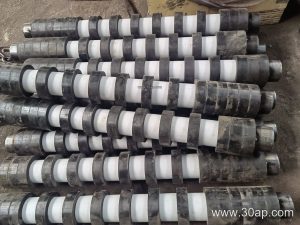
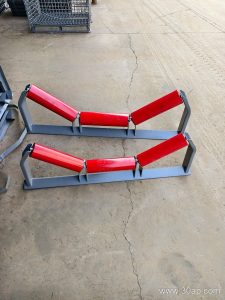
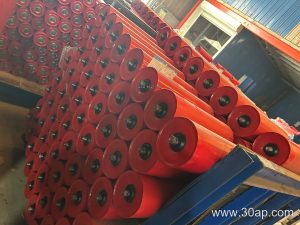
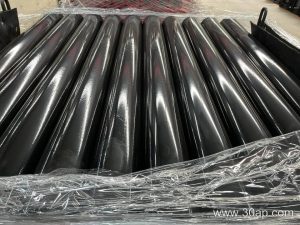
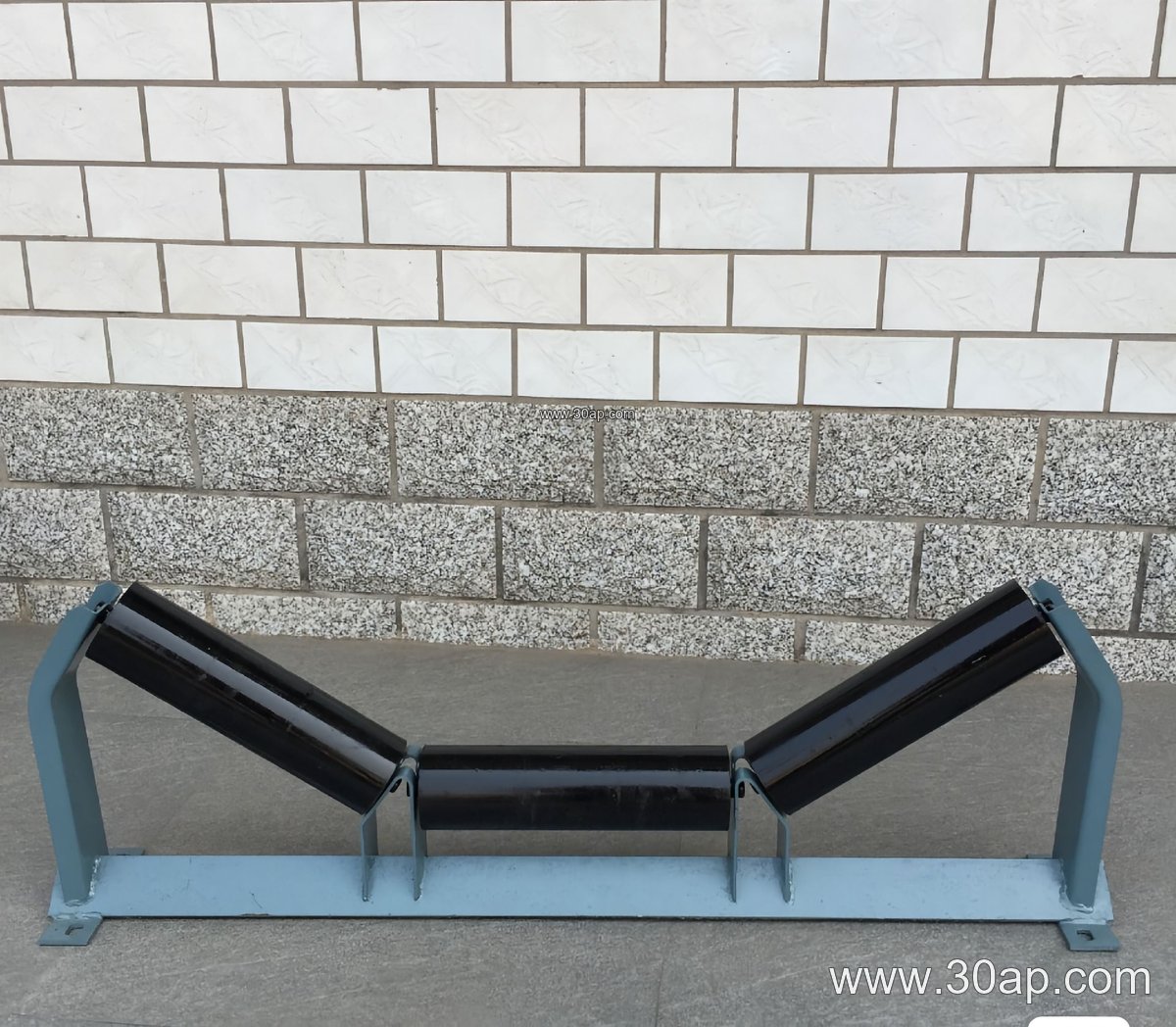
A belt conveyor idler frame is the supporting structure that holds idler rollers in position under the conveyor belt. It maintains the belt’s shape, aligns the rollers at the correct trough angle, and transfers the load from the belt and material to the conveyor’s main frame. In industries such as mining, coal washing, cement plants, power station coal handling, and aggregate crushing lines, the idler frame—often called a conveyor idler bracket or roller support—is a critical component for smooth operation. The frame works together with the conveyor belt, idler roller, and conveyor pulley to keep material moving efficiently. Unlike a drive pulley or tail pulley, which transmit power or redirect the belt, the idler frame is a passive support element, but its design directly affects belt life and energy consumption.
Construction and Common Materials
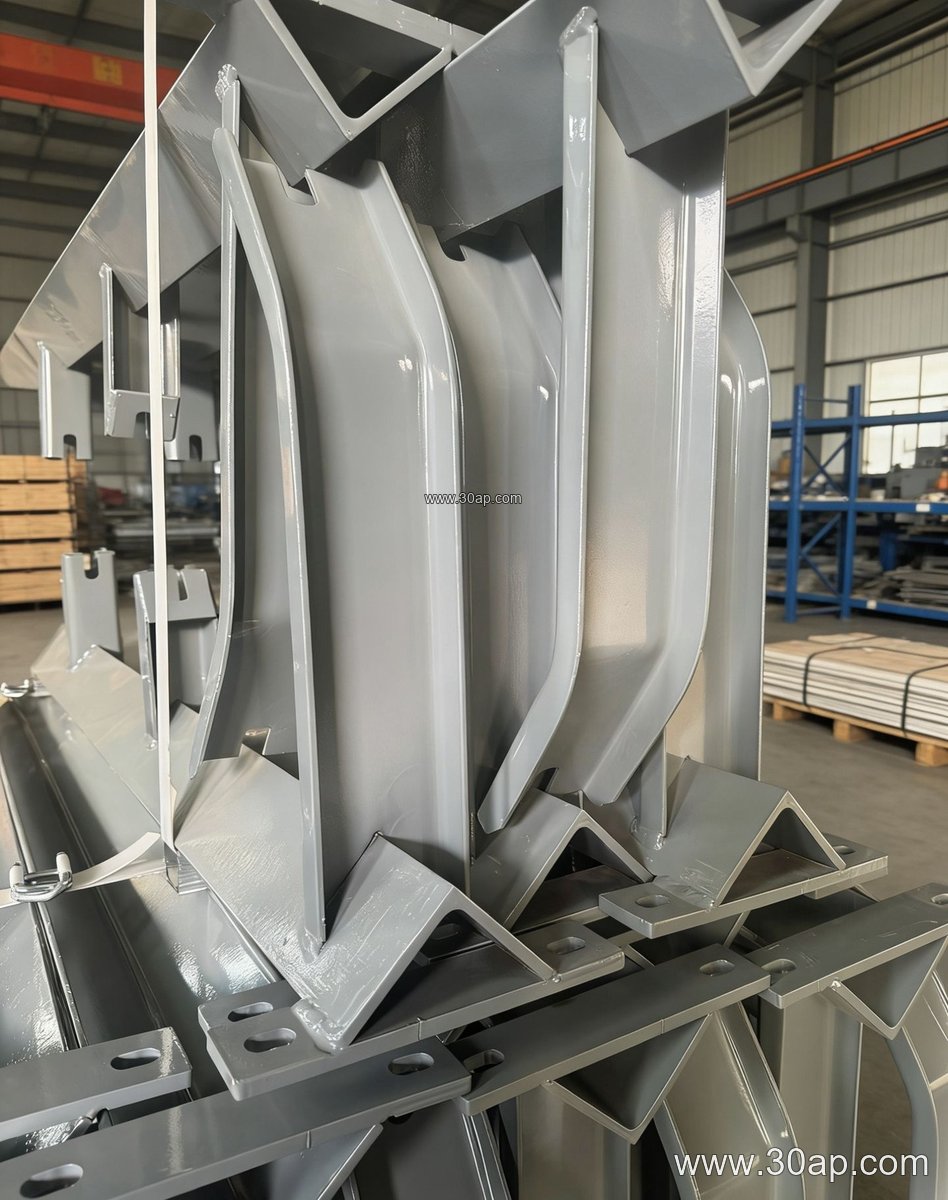
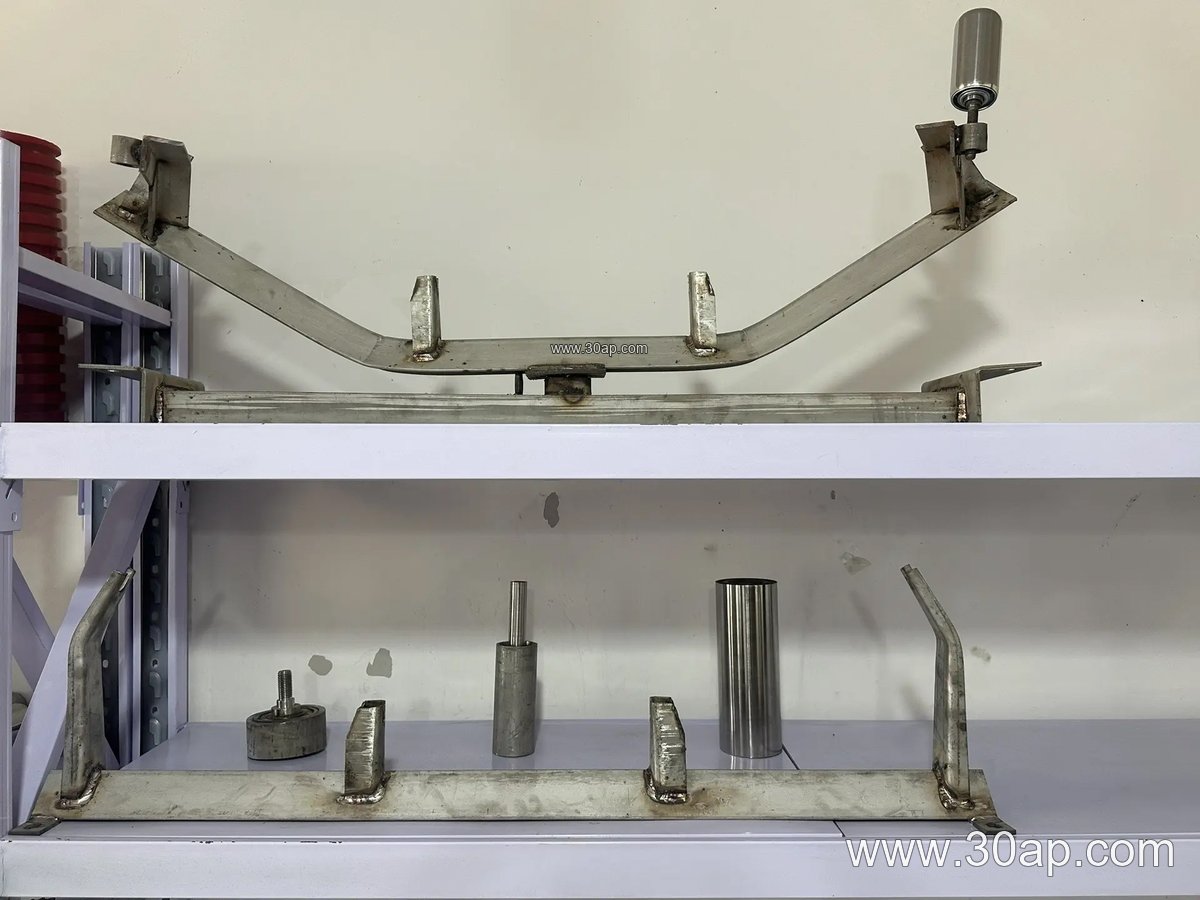
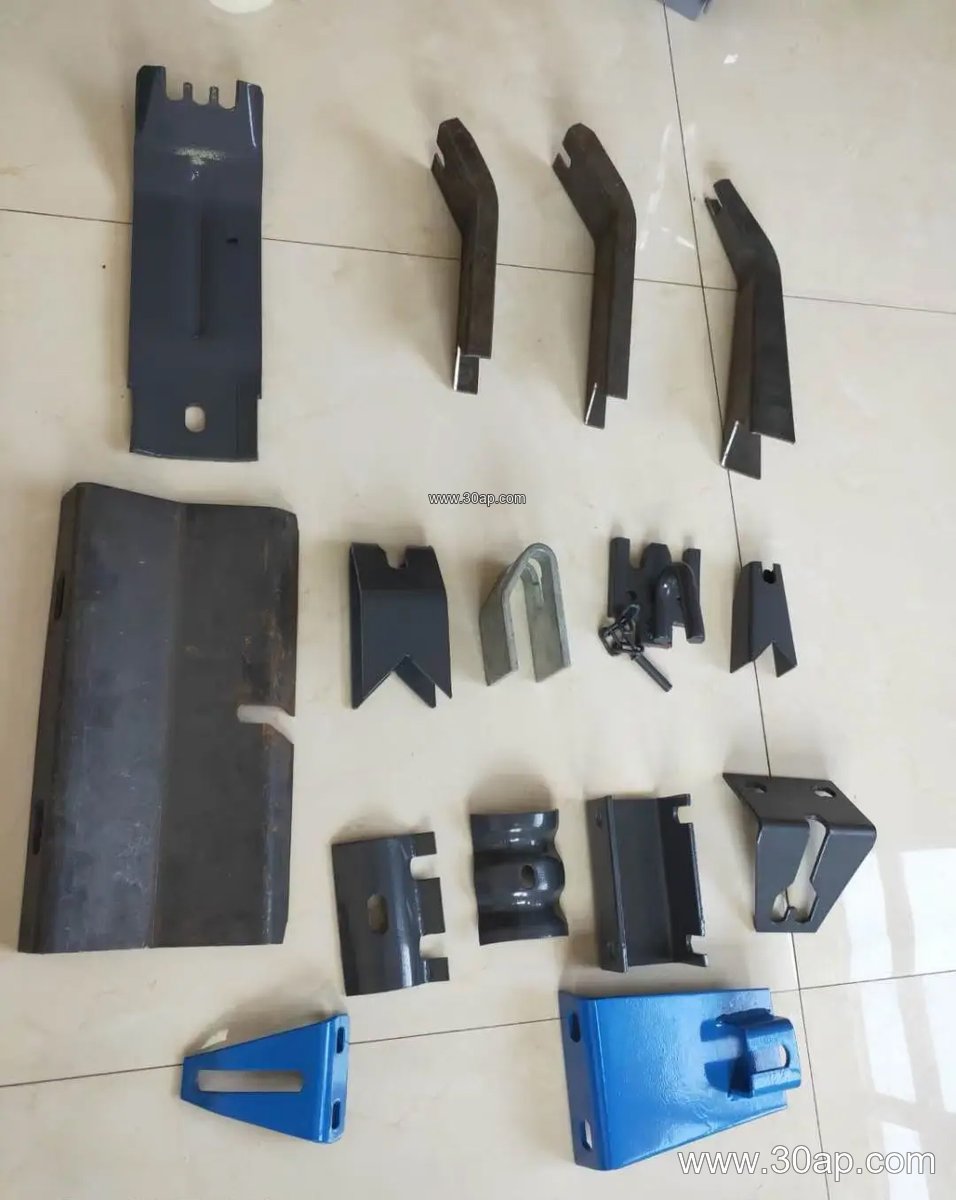
Most idler frames are fabricated from angle steel, channel steel, or folded steel plate. The choice of material and thickness depends on the load and environmental conditions. For heavy-duty applications in iron mines or port terminals, channel steel frames with reinforced cross members are typical. In less demanding settings like a sand and gravel line or a fertilizer plant, folded plate frames may suffice. The frame includes mounting slots or holes for attaching idler rollers, and the hole spacing and crossbeam length vary with belt width and trough angle—they are not fixed numbers. A typical frame may be painted or galvanized for corrosion resistance, though specific coatings should be confirmed with the supplier.
Types and Configurations
Belt conveyor idler frames come in several configurations to suit different positions along the conveyor. The carrying side usually uses troughing idler frames, which support three or more rollers arranged in a trough shape. Common trough angles are 20, 30, 35, and 45 degrees; adjustable frames allow the angle to be changed within this range. Transition idler frames are used near pulleys to gradually change the belt from flat to troughed, reducing stress. On the return side, flat return frames or V-return frames support the empty belt. Impact idler frames, fitted with buffer rollers, are placed at loading points to absorb shock. Self-aligning frames help correct belt tracking, and suspended frames are used where space is tight. Each type serves a specific purpose and should not be confused with drive, tail, or bend pulleys, which are separate components.
Where Idler Frames Are Used
These frames are found wherever bulk materials are conveyed. In a coal preparation plant, troughing frames with 35-degree angle and Ø133 mm rollers are common for main haulage. In a limestone quarry, 30-degree frames with Ø108 mm rollers may be used on secondary conveyors. Power plant coal handling often employs 45-degree troughing frames with Ø159 mm rollers for high capacity. The frame must match the conveyor belt width—common widths include B500, B650, B800, B1000, B1200, B1400, B1600, and larger—and the roller diameter. Note that belt width does not dictate a single roller diameter or trough angle; these are selected based on load, belt speed, and material characteristics. A typical combination might be B1000, 35 degrees, Ø133 mm, but many other combinations are valid.
Selection and Maintenance Tips
When choosing an idler frame, consider the application, belt width, roller diameter, and trough angle. The frame’s mounting dimensions must match the conveyor structure. For adjustable frames, verify the range of angle adjustment. In dusty or corrosive environments, choose appropriate surface protection. Regular inspection of frames for deformation, loose bolts, or corrosion helps prevent belt misalignment and premature roller failure. Lubrication of idler bearings is separate but related; the frame should allow easy roller replacement. Always refer to the conveyor design and manufacturer’s recommendations for specific dimensions.