What a Wide Conveyor Belt Is
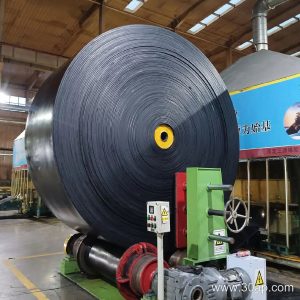
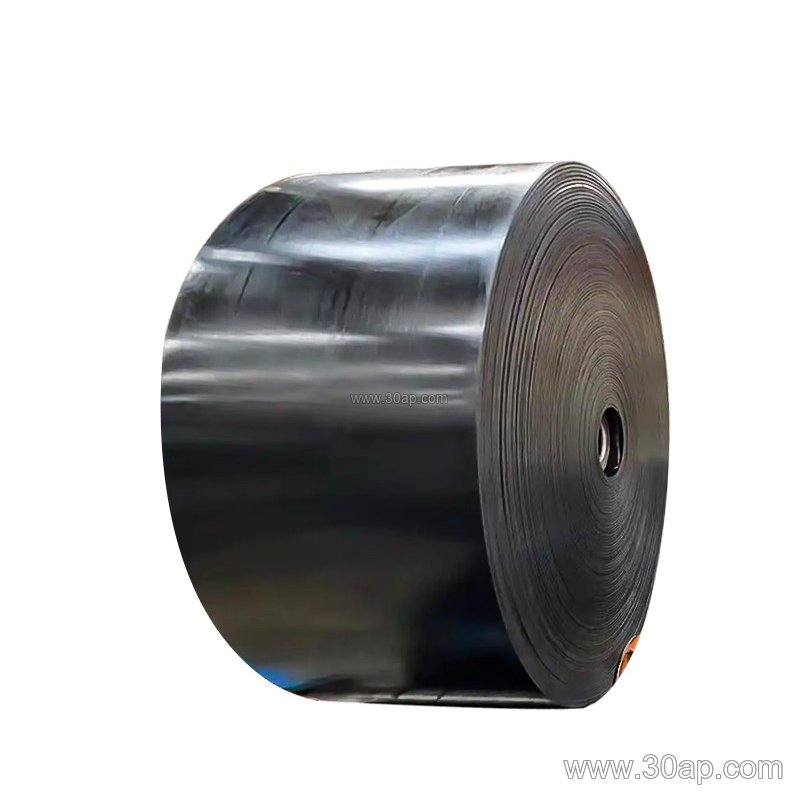
A wide conveyor belt is a heavy-duty belting product built to move large volumes of bulk material across long distances. In industrial settings such as mining, coal preparation, cement plants, power stations, and sand and gravel yards, a wide belt forms the continuous carrying surface of a conveyor system. The term usually refers to belts with a larger bandwidth, often from B1000 upward, though the exact threshold depends on the application. The same product is also known as a broad-width conveyor belt or large-width rubber belt.
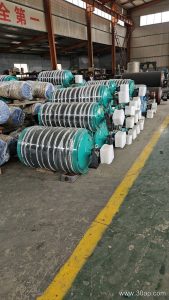
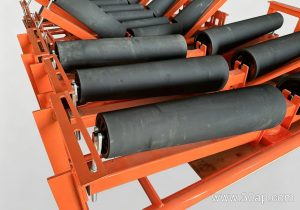
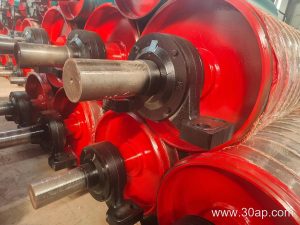
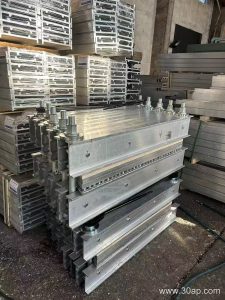
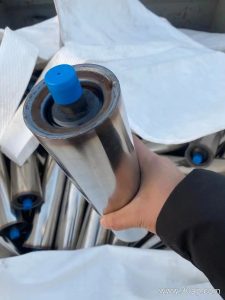
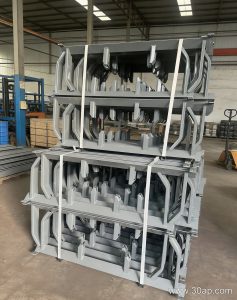
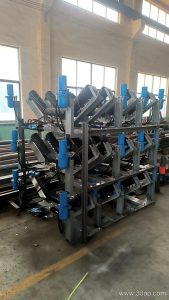
Unlike narrow belts used in light assembly or packaging lines, a wide conveyor belt is designed to carry coarse rock, clinker, limestone, or aggregate without spillage. It works together with idler rollers, conveyor pulleys, and conveyor brackets to keep the load stable and the route efficient.
Construction and Common Specifications
The belt body is a composite of a carcass and rubber covers. The carcass provides tensile strength and resistance to stretching, while the top and bottom covers protect against abrasion, impact, and moisture. Common carcass types include EP (polyester-cotton), NN nylon, and steel cord. Each type suits different tension and elongation requirements.
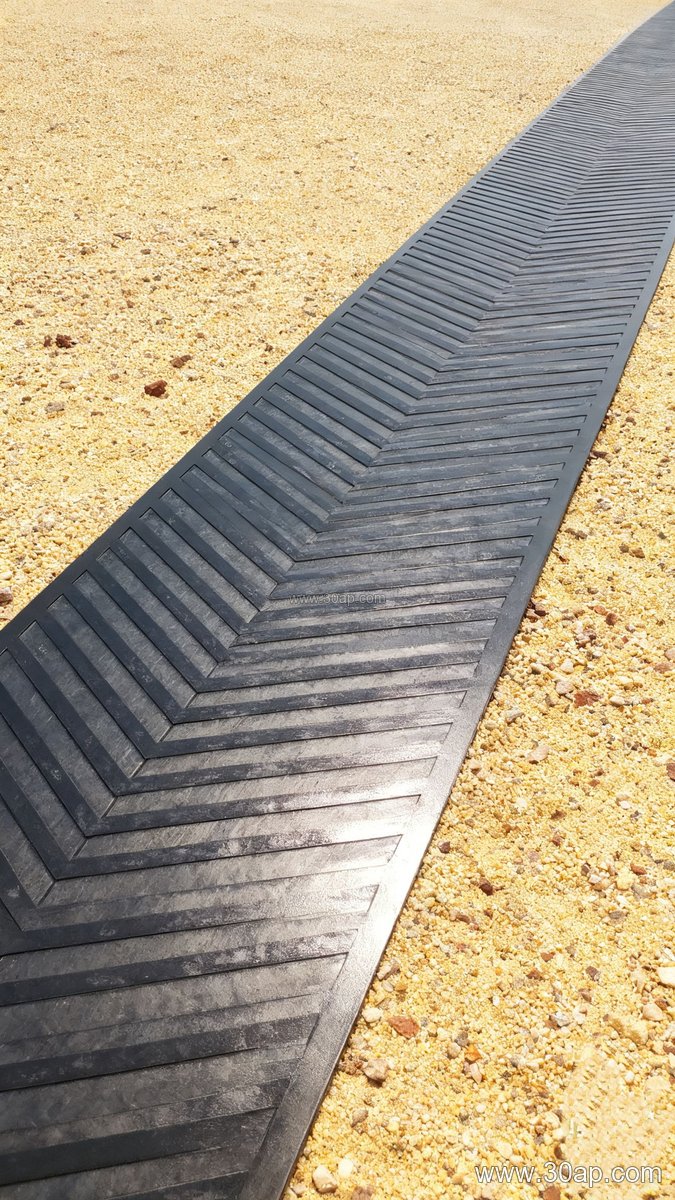
Strength grades are often expressed as EP200, EP315, EP400, EP500, EP630, EP800, EP1000, EP1250, EP1600, or EP2000. Cover thickness may be 3+1.5 mm, 4+2 mm, 5+2 mm, 6+2 mm, or 8+3 mm, with 2 to 6 fabric plies. These values are reference data; actual selection follows the conveyor design and the material being handled.
Typical Width and Grade Reference
| Bandwidth | Common Strength Grades | Typical Cover Range |
|---|---|---|
| B1000 | EP200 to EP630 | 4+2 mm to 6+2 mm |
| B1200 | EP315 to EP800 | 5+2 mm to 6+2 mm |
| B1400 | EP400 to EP1000 | 5+2 mm to 8+3 mm |
| B1600 | EP500 to EP1250 | 6+2 mm to 8+3 mm |
| B1800 | EP630 to EP1600 | 6+2 mm to 8+3 mm |
| B2000 | EP800 to EP2000 | 8+3 mm and above |
Special grades may add resistance to heat, oil, flame, static, cold, or chemicals. Patterned surfaces such as chevron or cleated profiles are used on inclined routes where material tends to slip back.
Where Wide Belts Are Used
Mining and quarrying operations rely on wide belts to transport ore, overburden, and crushed stone. Coal mines and coal preparation plants use flame-retardant and antistatic grades for underground or dusty areas. Cement plants move limestone, clay, and clinker on wide belts that resist heat and abrasion. Power stations handle coal and ash, while sand and gravel yards transfer aggregate at high tonnage.
In these systems, the belt runs over a series of idler rollers that support the load. A conveyor pulley at the head and tail drives and tensions the belt, and conveyor brackets hold the rollers and pulleys in alignment. The belt width must match the conveyor frame and the material size, but it is not tied to a single pulley diameter. Drive, tail, and bend pulleys each have their own design role and are not interchangeable.
Selection Points for Buyers
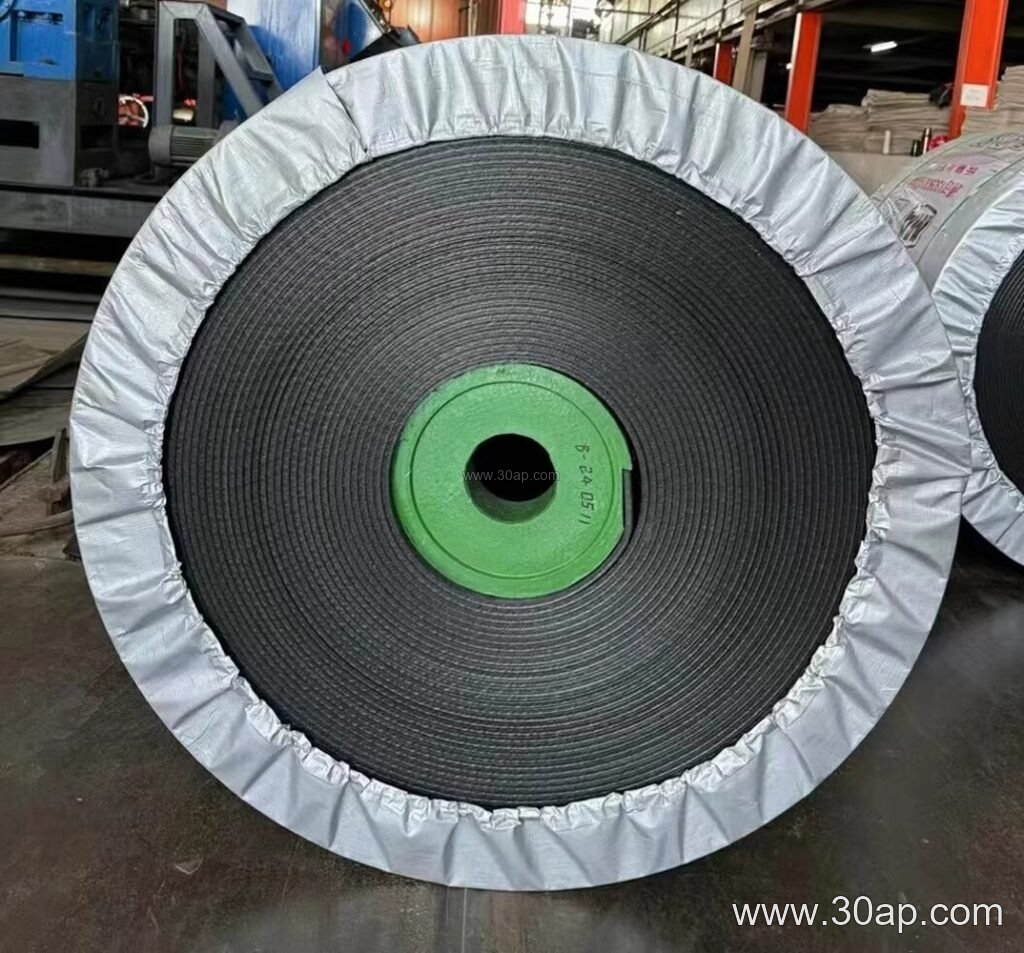
Choosing a wide conveyor belt starts with the material: its lump size, density, temperature, moisture, and abrasiveness. The required capacity and incline angle then guide the belt width and cover thickness. The carcass grade should match the maximum belt tension and the pulley diameters used in the system.
- Check the maximum lump size to avoid edge damage and spillage.
- Confirm the ambient and material temperature for heat or cold resistance.
- Review the conveyor route for impact points, curves, and incline angles.
- Match the belt grade to the drive and tail pulley dimensions.
- Consider flame, oil, or chemical resistance only if the working environment demands it.
Maintenance also matters. Keeping idler rollers turning freely, aligning conveyor pulleys, and repairing small cuts early can extend belt life. A wide belt that runs true and stays clean reduces downtime in mines, cement works, and power plants.
For any project, the final specification should come from the conveyor designer and the belt manufacturer. Width, strength, and cover thickness are engineering choices, not fixed pairings.