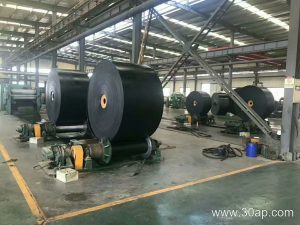
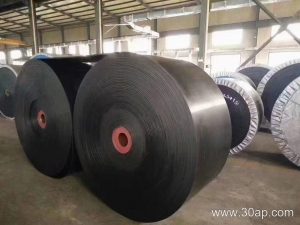
What Is an EP400 Conveyor Belt
An EP400 conveyor belt is a fabric-reinforced rubber belt built on polyester and nylon (EP) warp and weft cords, with a nominal tensile strength of 400 N/mm per ply. It sits in the middle range of the EP series, between lighter EP200 and EP315 belts and heavier EP500, EP630, and EP800 constructions. Buyers often call it an EP400 rubber conveyor belt or simply a 400-grade EP belt. It is a workhorse for mines, coal preparation plants, cement kilns and clinker lines, power station coal yards, sand and gravel quarries, and bulk terminals where moderate tension and good troughability matter.
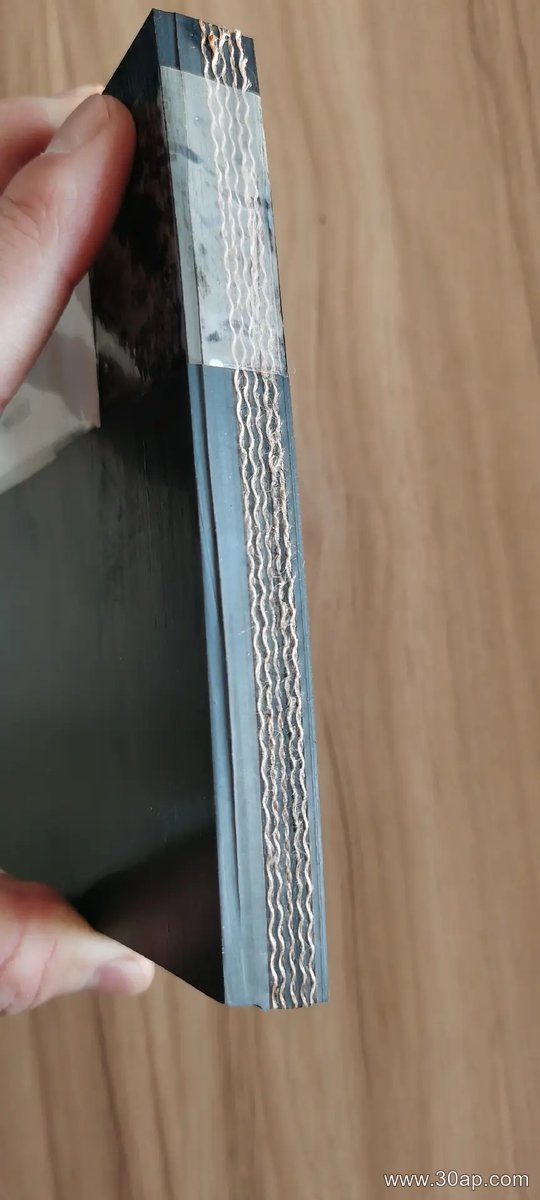
The carcass is the load-bearing part. EP fabric provides low elongation in the warp direction, excellent resistance to moisture and mildew, and good impact absorption. The number of plies and the cover thickness are chosen together, so a belt can be strong enough for the duty without becoming too stiff to train on the conveyor.
Construction and Common Specifications
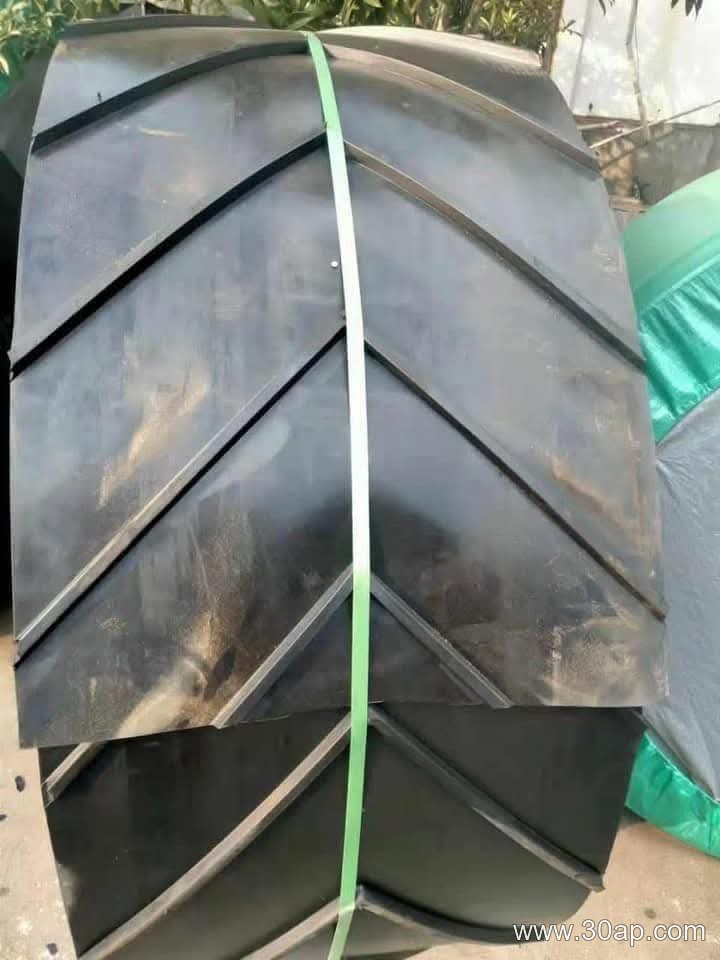
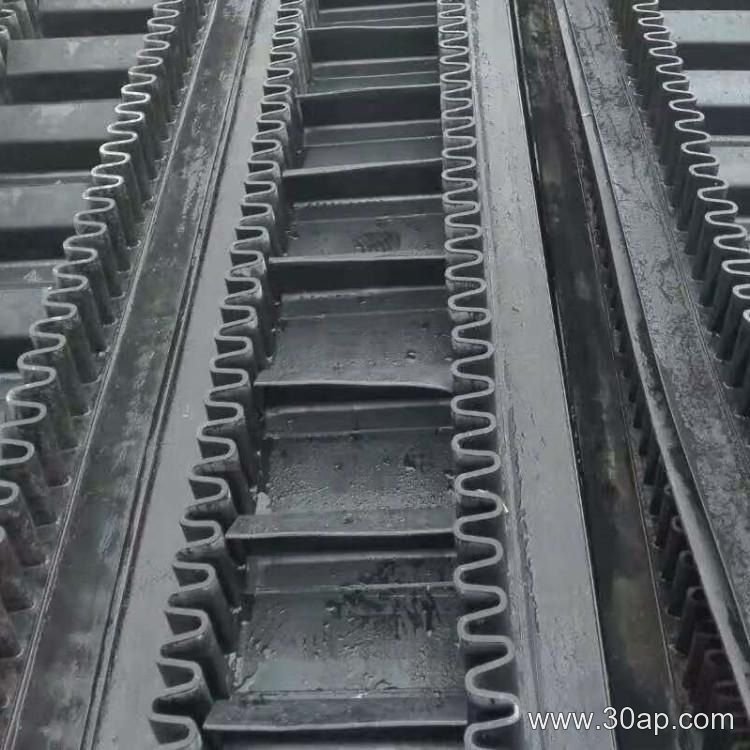
The belt is made of EP fabric plies bonded with rubber skim compound, topped and bottomed with cover rubber. Cover grades include abrasion resistant, heat resistant, oil resistant, flame retardant and antistatic, cold resistant, and acid and alkali resistant. Surface forms such as smooth, chevron, and corrugated sidewall are also available for different conveying angles and material behavior.
The table below shows typical reference values; actual constructions vary by manufacturer and should be confirmed against the design duty.
- Strength grades: EP200, EP315, EP400, EP500, EP630, EP800, EP1000, EP1250, EP1600, EP2000
- Belt widths: B500, B650, B800, B1000, B1200, B1400, B1600, B1800, B2000
- Cover thickness examples: 3+1.5 mm, 4+2 mm, 5+2 mm, 6+2 mm, 8+3 mm
- Fabric plies: commonly 2 to 6 layers
| Property | Typical EP400 Range |
|---|---|
| Nominal strength | 400 N/mm per ply |
| Width range | B500 to B2000 |
| Ply count | 2 to 6 |
| Top cover | 3 to 8 mm |
| Bottom cover | 1.5 to 3 mm |
| Surface options | Smooth, chevron, sidewall |
Where It Fits in a Conveyor System
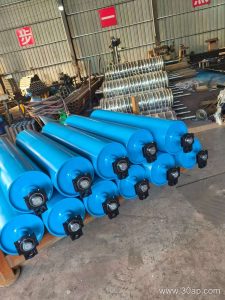
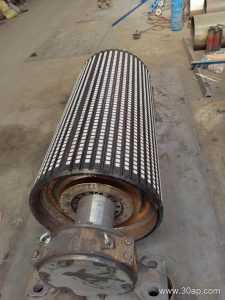
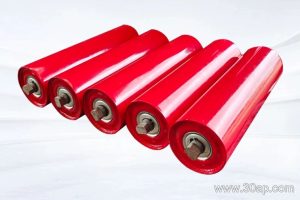
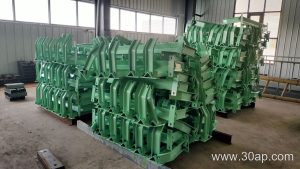
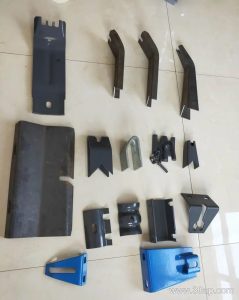
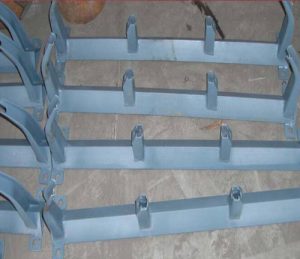
A belt never works alone. The EP400 belt runs over idler rollers that support the loaded strand, wraps around a drive pulley that transmits torque, passes a tail pulley for return tracking, and is held by conveyor brackets and frames along the structure. On inclined haulage in a quarry or a cement plant, a chevron or sidewall version may be chosen to stop material from rolling back. In a coal yard or a power plant, a flame retardant and antistatic grade is often requested for safety reasons.
Compared with a steel cord conveyor belt, an EP400 fabric belt is more tolerant of small pulleys and easier to splice in the field, which suits medium-capacity lines and mobile crushing plants. Compared with a lighter NN nylon belt, the EP carcass usually offers lower stretch and better dimensional stability under the same load.
Selection Notes for Buyers
Start from the duty, not from a single number. Belt width, speed, capacity, material lump size, angle of incline, and ambient temperature all shape the choice. A wider belt is not automatically stronger, and one belt width does not fix one pulley diameter; the pulley size depends on the belt construction, the splice, and the conveyor layout. Shaft diameter is a separate mechanical calculation and should never be guessed from belt width alone.
When requesting a quotation, it helps to state:
- Required strength grade and ply count
- Belt width and total length
- Cover thickness and cover grade
- Material type, temperature, and abrasiveness
- Whether flame retardant or antistatic behavior is needed
- Surface form, such as smooth or chevron
For hot clinker or cement, a heat resistant cover is usually specified. For oily scrap or recycled material, an oil resistant grade is more suitable. For cold outdoor mines, a cold resistant compound keeps the belt flexible in winter.
Installation and Maintenance Basics
Correct training saves belt life. Check that idler rollers turn freely, that the drive pulley and tail pulley are aligned, and that the conveyor brackets are square. Keep the belt tension within the design range; too little tension causes slip and edge damage, while too much tension overloads the carcass and the bearings. Inspect splice areas, edges, and cover wear regularly. A small repair on an EP400 belt is far cheaper than a premature replacement, and clean, well-graded material flow reduces impact and abrasion on the cover.