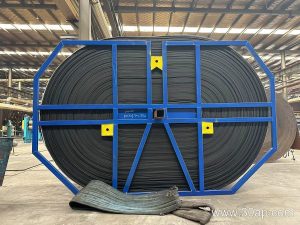
The NN100 conveyor belt is a nylon fabric-reinforced rubber belt used to move bulk materials in quarries, coal mines, cement works, power plants, and sand and gravel yards. The name NN stands for nylon warp and nylon weft, and the figure 100 indicates the nominal breaking strength of the carcass, commonly expressed as 100 N/mm per ply. It is one of the most widely used general-purpose belts for medium-duty conveying because it combines good tensile strength with excellent flexibility and troughability.
How the Belt Is Built
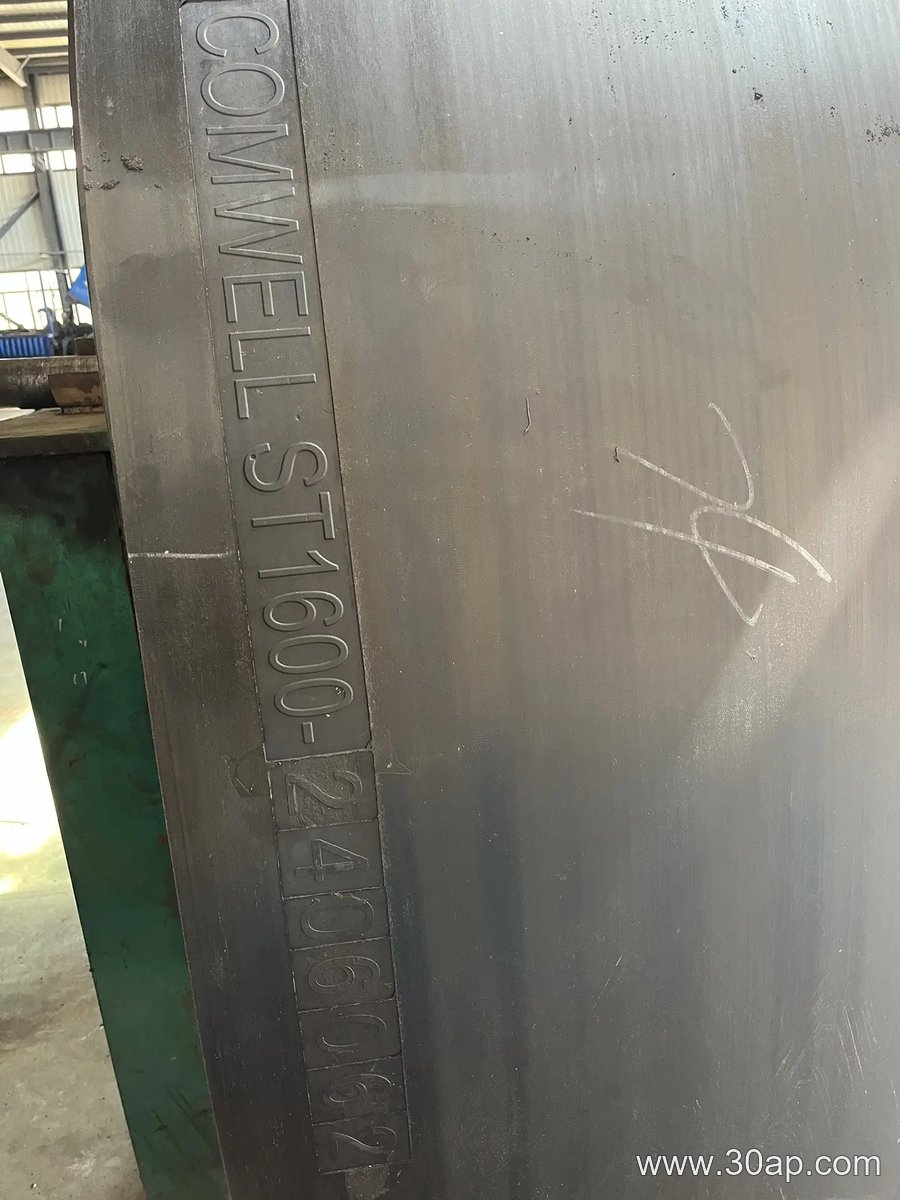
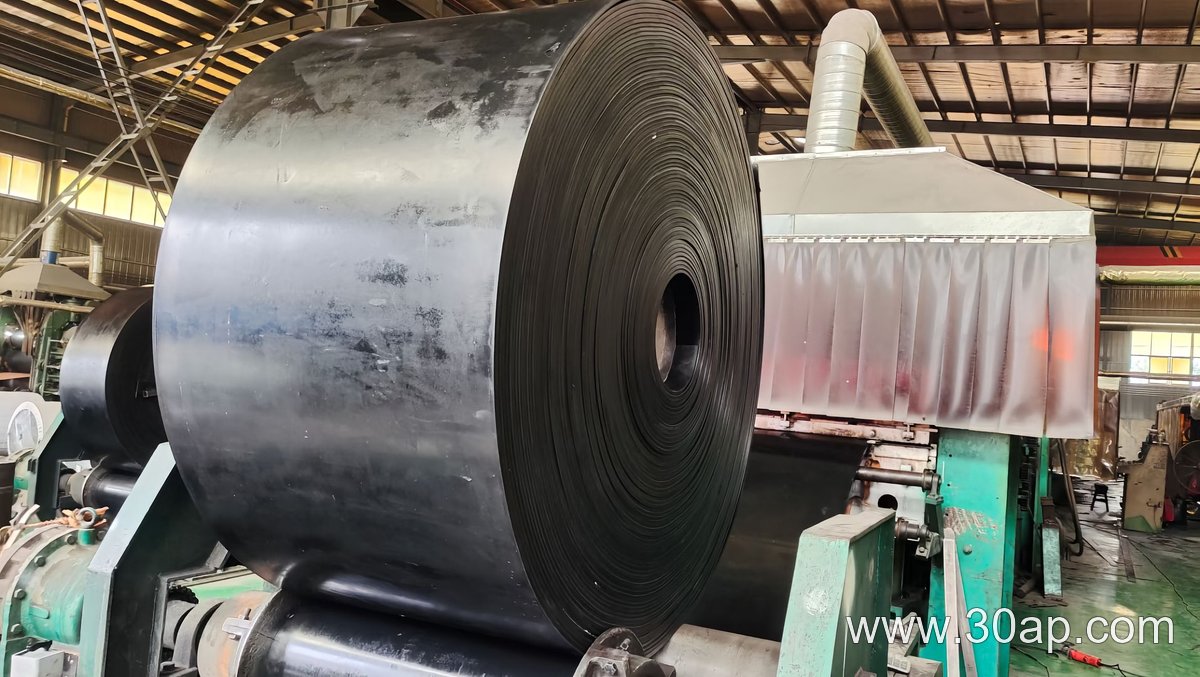
An NN100 belt is a composite structure. The load-carrying element is a carcass of multiple layers of nylon fabric, usually two to six plies, bonded with rubber. The rubber covers protect the carcass from abrasion, moisture, and impact. Cover thickness is often given as a top cover plus bottom cover combination, for example 4+2 mm, 5+2 mm, or 6+2 mm. The nylon fabric gives the belt high strength-to-weight ratio, resistance to fatigue, and the ability to handle small pulley diameters without cracking.
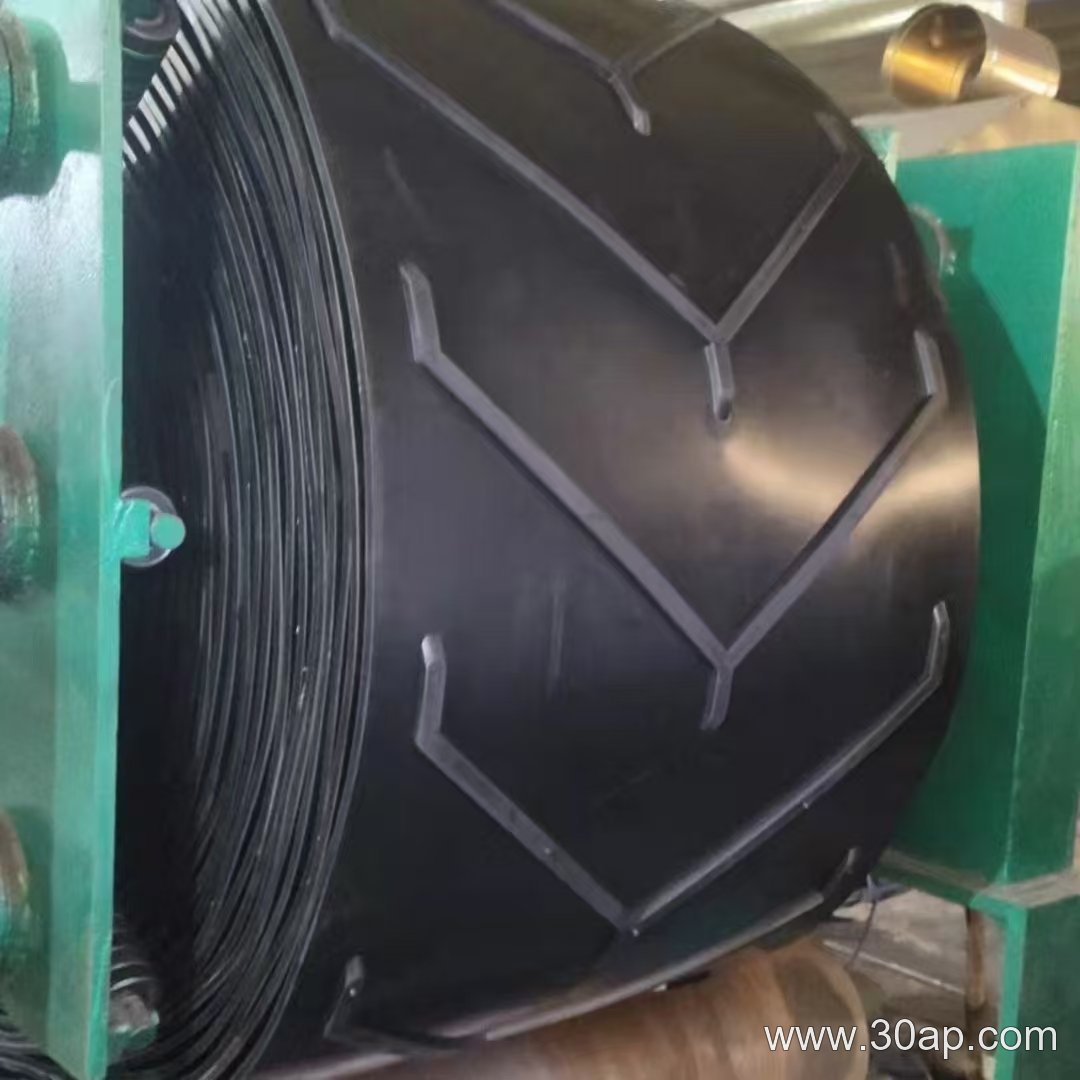
Edge construction, skim coats between plies, and the quality of the rubber compound all affect service life. A well-made NN100 belt resists delamination and edge wear even when the conveyor is misaligned or the loading point is not perfectly centered.
Where It Works
This belt is at home in many industries. In a quarry or sand and gravel plant it carries crushed stone, gravel, and sand. In a cement plant it moves clinker, limestone, and additives. In a power plant it handles coal and ash. It is also used in coal mines, fertilizer plants, and general bulk handling terminals.
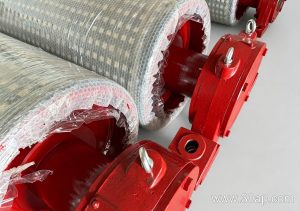
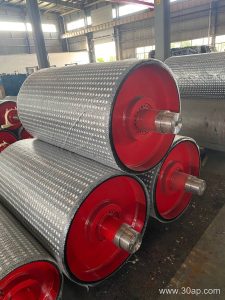
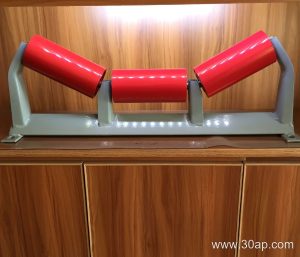
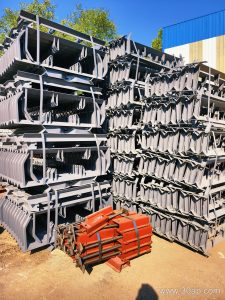
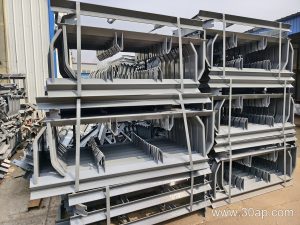
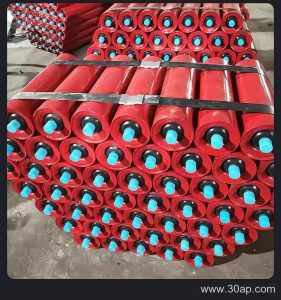
Because the carcass is flexible, an NN100 conveyor belt can run over relatively small pulleys and troughs well on three-idler stations. The belt works with standard conveyor pulleys, idler rollers, and conveyor brackets, but the drive pulley, tail pulley, and bend pulley each have a different job and should be selected for their specific duty. The drive pulley transmits power, the tail pulley controls belt tracking, and the bend pulley changes direction. They are not interchangeable, and each one influences belt life.
Common Specifications
The table below lists typical parameters for NN100 belting. Actual values depend on the manufacturer and the application.
| Parameter | Common Range |
|---|---|
| Strength | NN100 (100 N/mm per ply) |
| Number of plies | 2 to 6 |
| Belt width | B500, B650, B800, B1000, B1200, B1400 |
| Cover thickness | 3+1.5 mm, 4+2 mm, 5+2 mm, 6+2 mm |
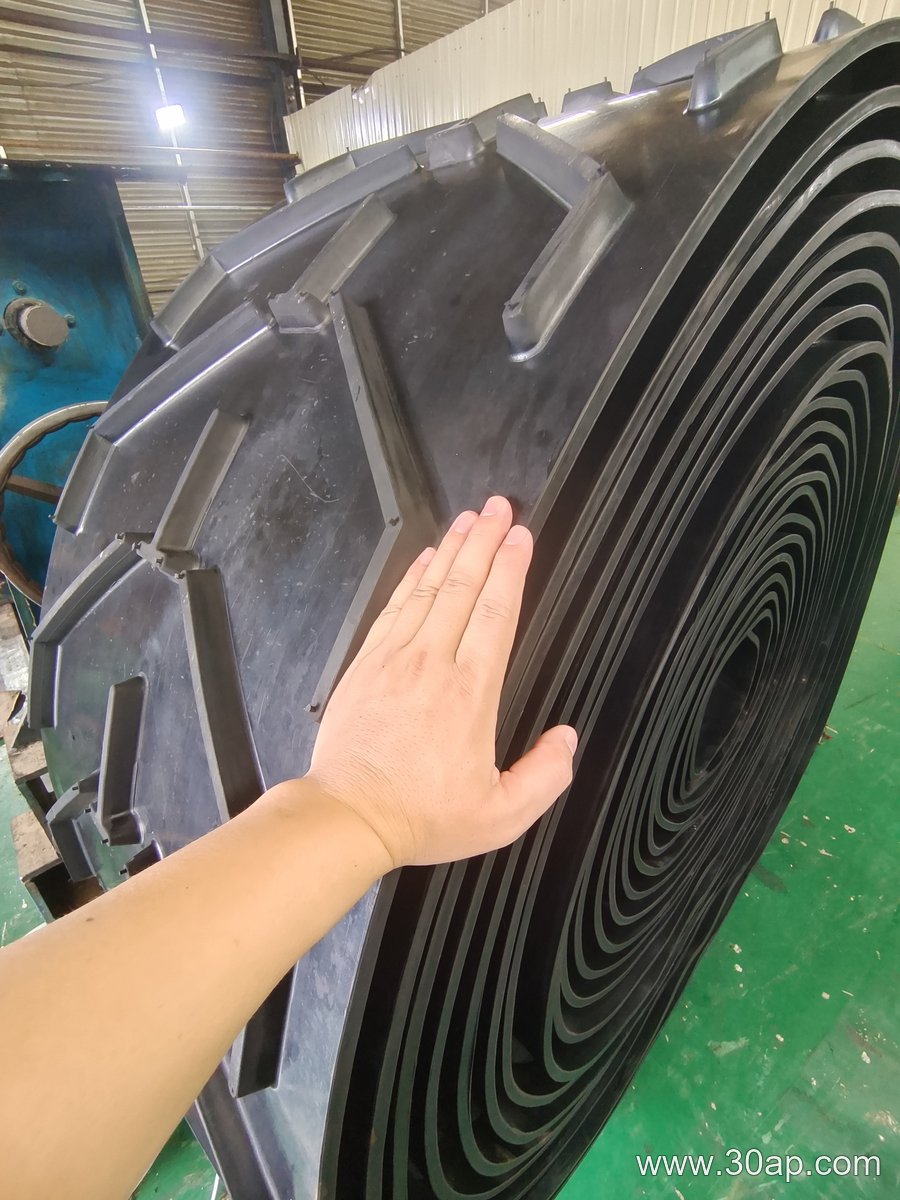
| Surface form | smooth, patterned, chevron, corrugated sidewall |
Wider belts are used on high-capacity lines, while narrower widths suit mobile crushers and short transfer conveyors. A belt width does not dictate a single pulley diameter; the pulley size is chosen from belt tension, ply count, and the manufacturer’s recommended minimum. Never assume a fixed shaft diameter from belt width alone.
Selection and Use Notes
When choosing an NN100 conveyor belt, consider the material being carried, the lump size, the belt speed, and the environmental conditions. Abrasive rock calls for a thicker top cover. Hot clinker or cement may need a heat-resistant grade. Coal and dusty environments often call for flame-retardant and antistatic properties. Cold climates may require a cold-resistant compound.
Maintenance matters as much as the original choice. Keep idler rollers turning freely, align conveyor pulleys, and check the belt edge for damage. A worn idler roller or a misaligned bend pulley can cause edge fraying and reduce belt life even when the NN100 carcass itself is still strong.
For a second reference, an EP conveyor belt uses polyester warp and nylon weft and offers lower elongation than NN belting. That difference can matter on long overland conveyors, but it does not replace the NN100 belt for the many medium-duty tasks where flexibility and impact resistance are the priority.
Buyer Checklist
- Confirm the required belt width and ply count for the conveyor design.
- Match cover thickness and rubber grade to the material and site conditions.
- Check that the drive pulley, tail pulley, and bend pulley are correctly sized and in good condition.
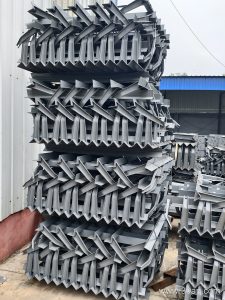
- Inspect idler rollers and conveyor brackets during installation.
- Store belts away from direct sunlight, oil, and sharp objects.
An NN100 conveyor belt is a practical workhorse for mining, cement, power, and aggregate operations. With the right cover, ply count, and pulley selection, it delivers reliable service in demanding bulk handling environments.