What an NN Conveyor Belt Is
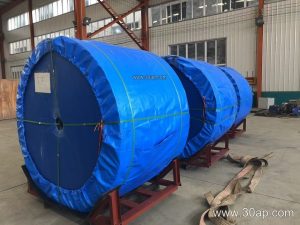
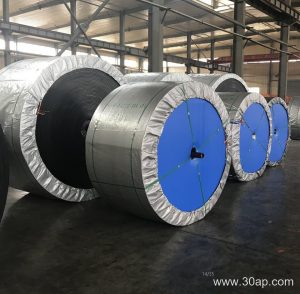
An NN conveyor belt is a fabric-core rubber belt built on nylon (polyamide) warp and weft cords. In the trade it is also called a nylon conveyor belt or an NN fabric core conveyor belt, and it belongs to the wider family of fabric core conveyor belts. The nylon carcass gives the belt high tensile strength, strong resistance to fatigue, and good flexibility, which is why it appears so often on long inclined haulage lines in mining, coal preparation, cement plants, power stations, and sand and gravel yards.
The abbreviation NN refers to the two-directional nylon fabric. Buyers often compare it directly with an EP conveyor belt, whose polyester warp and nylon weft carcass offers lower elongation and better dimensional stability, while the NN belt is generally more elastic and absorbs shock well. Neither replaces the other; the choice depends on the conveyor profile, the load, and how much stretch the take-up system can absorb.
How the Belt Is Built
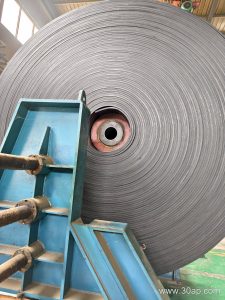
The carcass is made from multiple plies of nylon fabric, usually two to six layers, bonded together with rubber skim and covered on both faces with abrasion resistant rubber. The top cover carries the material and the bottom cover runs against the idler roller and the conveyor pulley. A typical construction is described by cover thickness in millimetres, for example 4+2 mm or 6+2 mm, where the first figure is the top cover and the second is the bottom cover.
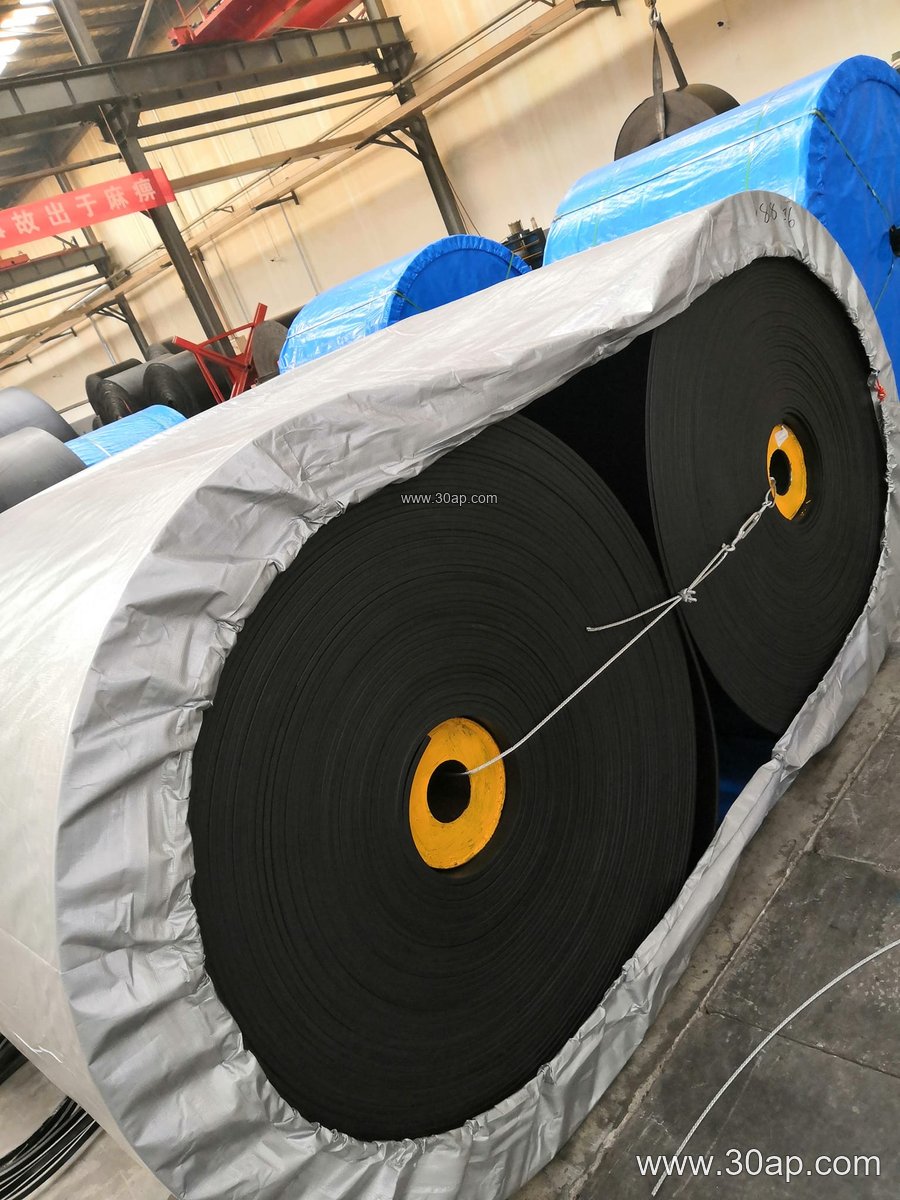
- Carcass: 2 to 6 plies of nylon fabric, depending on the required strength
- Cover rubber: abrasion resistant as standard, with heat resistant, oil resistant, flame retardant, cold resistant, or anti-static versions available
- Edges: cut edge or moulded edge, depending on belt width and application
- Strength grades: commonly NN100, NN200, NN300, NN400 and higher grades, expressed as breaking strength per unit width
Widths follow the conveyor design rather than a single rule. Common values include 500 mm, 650 mm, 800 mm, 1000 mm, 1200 mm, 1400 mm, 1600 mm, and 1800 mm, and wider belts exist for large port and bulk terminals. Belt width and pulley diameter are matched through the conveyor design calculation; one width does not fix one pulley size, and the shaft diameter comes from the drive duty, not from the belt alone.
Where NN Belts Are Used
These belts handle bulk material on troughed conveyors, including crushed rock, ore, clinker, coal, limestone, and aggregate. In a quarry or stone crushing plant, an NN belt is often used on the primary and secondary discharge lines where impact from falling rock is significant. In a coal mining operation, flame retardant and anti-static grades are normally specified for underground mining conveyor belts. In cement plants, heat resistant grades may be needed after the clinker cooler, and oil resistant grades help where lubricant or oily material is present.
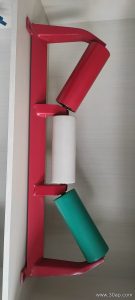
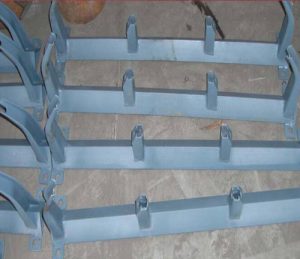
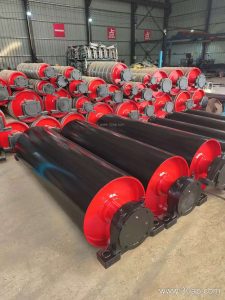
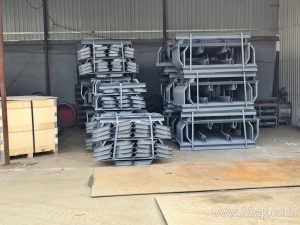
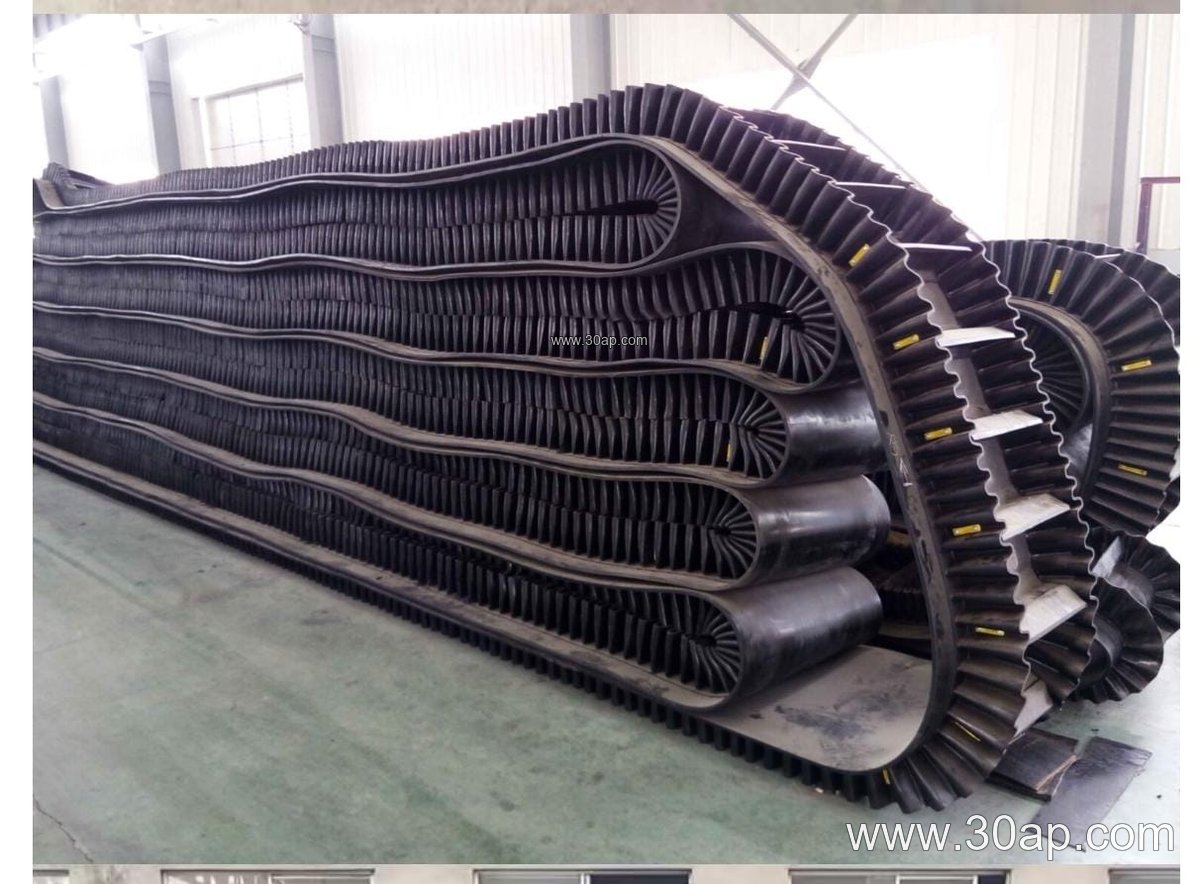
Supporting hardware matters as much as the belt. The belt runs over a conveyor pulley at the head and tail, is trained by idlers, and is held by a conveyor bracket and frame. A worn idler roller or a misaligned conveyor pulley will damage even a good belt, so alignment and roller condition should be checked regularly. On steep inclines, a chevron conveyor belt or a corrugated sidewall belt may be compared with a smooth NN belt, because the patterned or walled surface prevents material rollback.
Typical Reference Data
The figures below are common reference values, not fixed specifications. Actual construction is confirmed by the manufacturer for each order.
Strength Grades
| Grade | Typical Application |
|---|---|
| NN100 | Light to medium duty, short conveyors |
| NN200 | General bulk handling, aggregate and sand |
| NN300 | Medium heavy duty, cement and coal |
| NN400 | Heavy duty mining and ore transport |
Common Widths
| Belt Width | Typical Use |
|---|---|
| 500 mm / 650 mm | Small transfer and screening lines |
| 800 mm / 1000 mm | Standard plant conveyors |
| 1200 mm / 1400 mm | Main haulage in mines and quarries |
| 1600 mm / 1800 mm | High capacity bulk terminals |
Cover thickness is usually selected from 3+1.5 mm, 4+2 mm, 5+2 mm, 6+2 mm, or 8+3 mm, depending on lump size, drop height, and abrasiveness of the material.
What a Buyer Should Check
- Confirm the required strength grade and number of plies against the conveyor design, not by habit.
- State the material type and lump size so the cover grade can be matched; abrasive rock and sinter need a different cover from grain or fertilizer.
- For underground coal work, specify flame retardant and anti-static properties together.
- Check the pulley diameters and take-up travel; an NN belt stretches more than an EP belt, so the take-up stroke must be adequate.
- Ask for the splice method and ensure the belt edges and cover thickness suit the intended vulcanized or mechanical joint.
- Keep spare idler rollers and a spare conveyor pulley inspected so belt tracking stays correct.
A well specified NN conveyor belt gives long service on abrasive bulk duty. If the line is very long or the tension is very high, a steel cord conveyor belt may be the better comparison point, but for most plant conveyors the fabric construction remains practical and easy to splice. Buyers sourcing a rubber conveyor belt for a new project should compare the NN fabric core option with the EP fabric core option on elongation, impact resistance, and cost before fixing the order. For mining and quarry duty, matching the belt to the actual load and the supporting conveyor pulley and idler arrangement is the surest way to avoid early edge damage and premature cover wear.