What the ST1000 Conveyor Belt Is
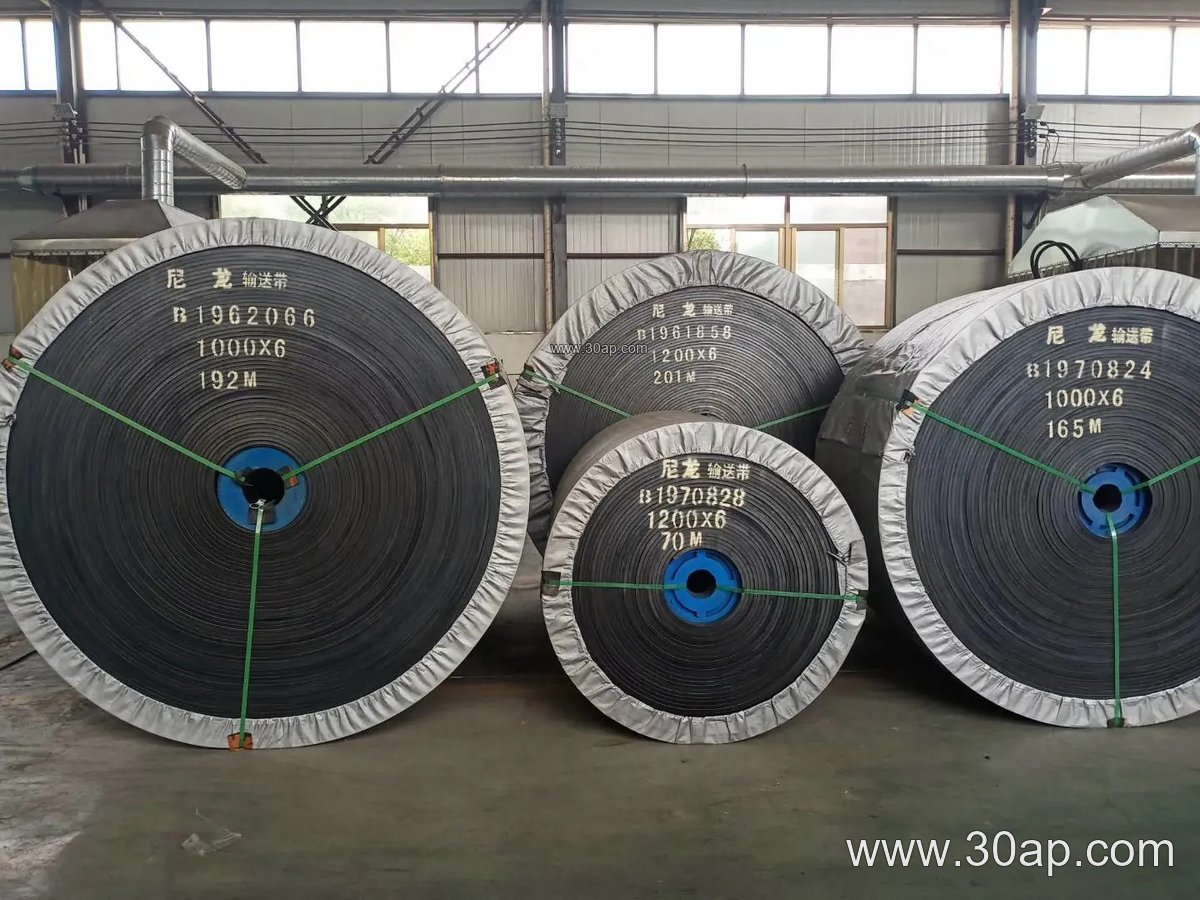
The ST1000 Conveyor Belt is a steel cord conveyor belt rated at a nominal tensile strength of 1000 N/mm. In plant language it is often shortened to ST1000 belt or called a steel cord belt of 1000 class. The ST designation points to steel cord construction, so the load-bearing element is a layer of parallel steel cords rather than woven fabric plies. That construction suits long conveying lines, high tonnage and duties where stretch control matters, and it is common in mines, coal preparation plants, cement works, power stations and sand and gravel yards.
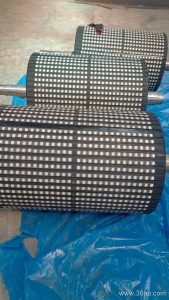
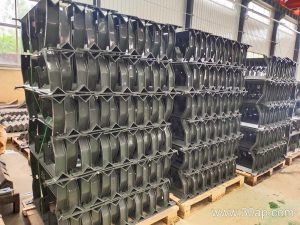
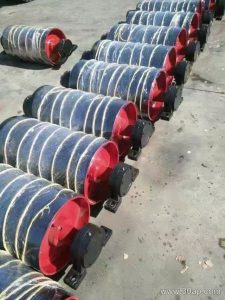
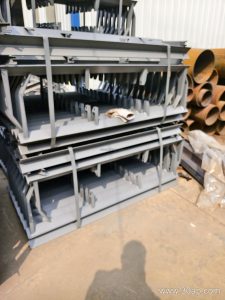
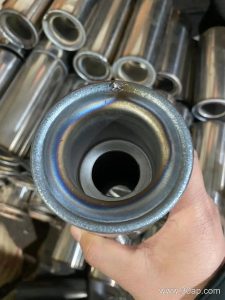
The belt should not be confused with its hardware. A conveyor pulley at the drive, tail or bend position, an idler roller supporting the carrying run and a conveyor bracket holding the frame are separate components with their own selection rules.
How the Belt Is Built
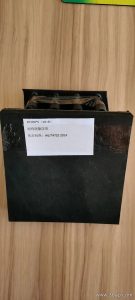
A typical ST1000 belt combines four elements. Steel cords run longitudinally and carry the tension. Core rubber bonds the cords and cushions them. Adhesion layers keep cord and cover together. Top and bottom covers protect the carcass from abrasion, impact, moisture, oil or heat. Cover thickness is usually written as top plus bottom, for example 6+2 mm or 8+3 mm, and the figures are common reference values rather than a fixed supply promise.
Construction at a glance
- Tension member: steel cords running the full belt length
- Carcass: core rubber with cord adhesion layers
- Covers: abrasion-resistant, heat-resistant, oil-resistant, flame-retardant or antistatic grades as the duty requires
- Edges: cut or moulded, depending on the manufacturer and the splicing method
Where ST1000 Belts Fit
The 1000 class sits in the middle of the steel cord range, so it is often chosen for main haulage and plant feed lines rather than for very short or light duties. Typical settings include:
- Coal handling and preparation plants moving raw or washed coal
- Open pit and underground mines carrying ore or waste rock
- Cement plants feeding limestone, clinker or additives
- Power stations handling coal and ash
- Sand and gravel operations with abrasive, free-flowing material
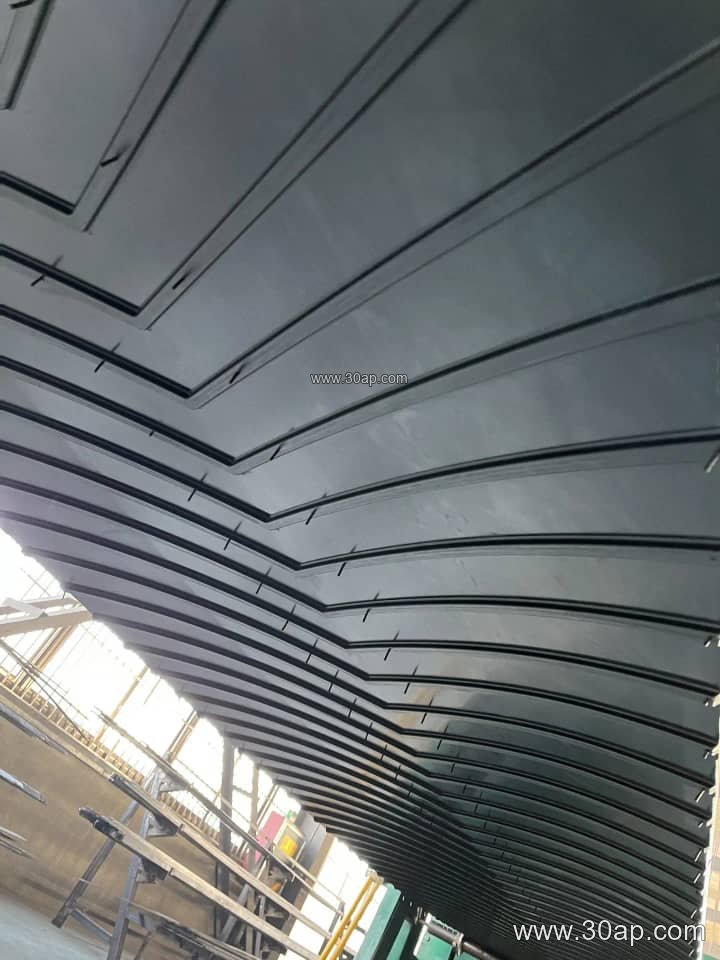
In these lines the belt runs over idler rollers on the carrying side, wraps a drive pulley and a tail pulley, and may pass a bend pulley to route the return strand. Correct alignment of those components protects the belt edges and extends service life.
Reference Dimensions and Related Parts
Belt width and strength class are selected together with the conveyor design, not from a single rule. The table below lists common reference values; actual availability depends on the manufacturer and the project specification.
| Item | Common reference values |
|---|---|
| Strength class | ST1000 (1000 N/mm nominal) |
| Belt width | B650, B800, B1000, B1200, B1400, B1600, B1800, B2000 |
| Cover thickness (top + bottom) | 4+2 mm, 5+2 mm, 6+2 mm, 8+3 mm |
| Cover grades | Abrasion-resistant, heat-resistant, oil-resistant, flame-retardant, antistatic, cold-resistant |
| Typical support hardware | Idler roller, conveyor pulley, conveyor bracket |
Note that belt width does not dictate a single pulley diameter or shaft size. Those values follow the conveyor’s tension, wrap angle and shaft load calculations, and a wide belt may run on more than one pulley size.
Selection Points for Buyers
Start with the duty, not the catalogue. Material type, lump size, tonnage per hour, incline, ambient temperature and any oil, acid or flame exposure all shape the choice of cover grade and cord class. Confirm the splice method early, because steel cord belts are usually spliced on site and the splice strength depends on the belt construction and the technician’s work. Ask for the cord pitch and cover thickness so the splice can be planned with the pulley and idler layout.
Check compatibility with the hardware along the line. Idler roller spacing affects sag and cover wear, while the drive pulley diameter and lagging influence grip and belt bending stress. A conveyor bracket that holds the frame square keeps the belt tracking straight and reduces edge damage.
Installation and Maintenance Notes
- Store belts on a clean, dry surface and avoid sharp bends or standing water.
- Align the tail pulley and bend pulley before tensioning, then check tracking at low speed.
- Inspect idler rollers for seizure and replace damaged rollers before they mark the cover.
- Keep the drive pulley clean and check lagging wear at each shutdown.
- Watch for edge cuts, cover gouges and exposed cord; moisture reaching the cords is a serious defect.
- Record cover thickness at fixed points so wear trends can be compared over time.
An ST1000 Conveyor Belt is a long-life component when the conveyor frame, pulleys, idlers and belt are matched to the same duty. Buyers who treat belt, roller and pulley data as one design package usually get better tracking and fewer unplanned stops.