Idler Roller Basics for Industrial Conveyors
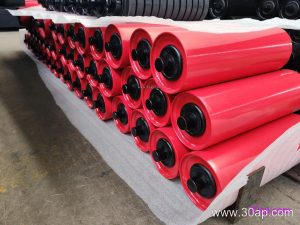
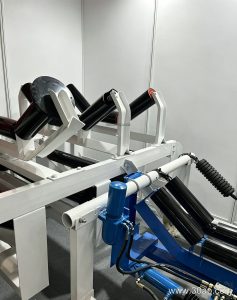
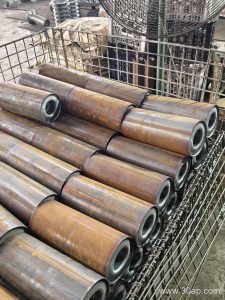
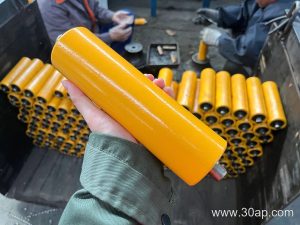
An idler roller supports the belt and reduces friction. Choose the right one for load, speed, and environment.
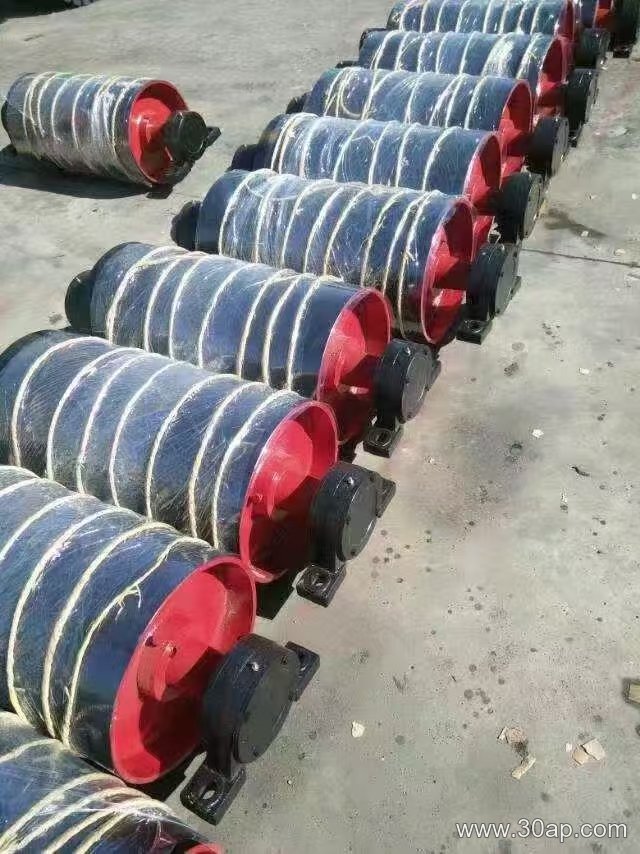
Key Selection Factors
- Load capacity and shaft diameter
- Bearing type: sealed or open
- Material: steel, stainless, or polymer
- Dust, moisture, and temperature resistance
Purchasing Advice
Verify tolerances, dynamic balance, and lubrication. Request test reports and samples before bulk orders.
Conveyor Pulley Essentials
A conveyor pulley drives and tensions the belt. Choose the right one for reliability.
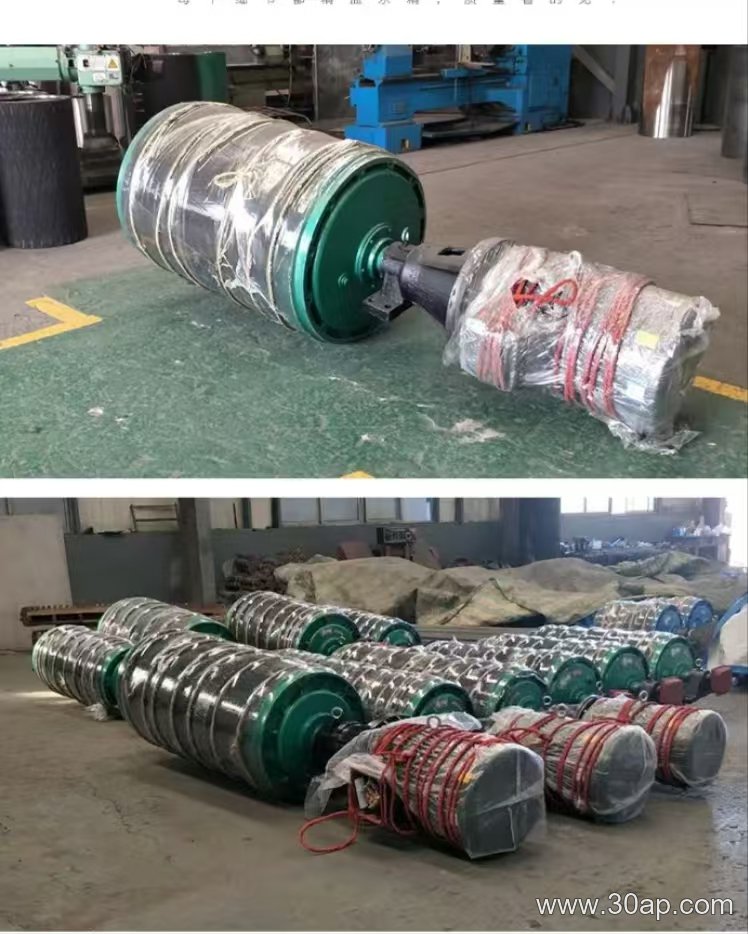
Selection Tips
- Match diameter to belt speed and load.
- Use lagging for grip; consider crown for tracking.
- Check shaft, bearing, and duty cycle.
Purchasing Advice
Verify standards, load ratings, and supplier support. Balance cost with wear life.
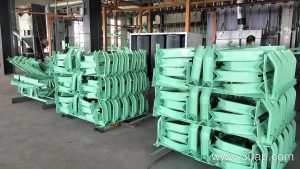
Conveyor Bracket: The Backbone of Your Material Handling System
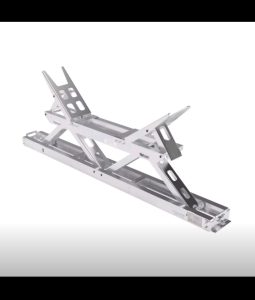
A conveyor bracket is a structural component that supports rollers, idlers, and pulleys, ensuring alignment and load stability in conveyor systems.
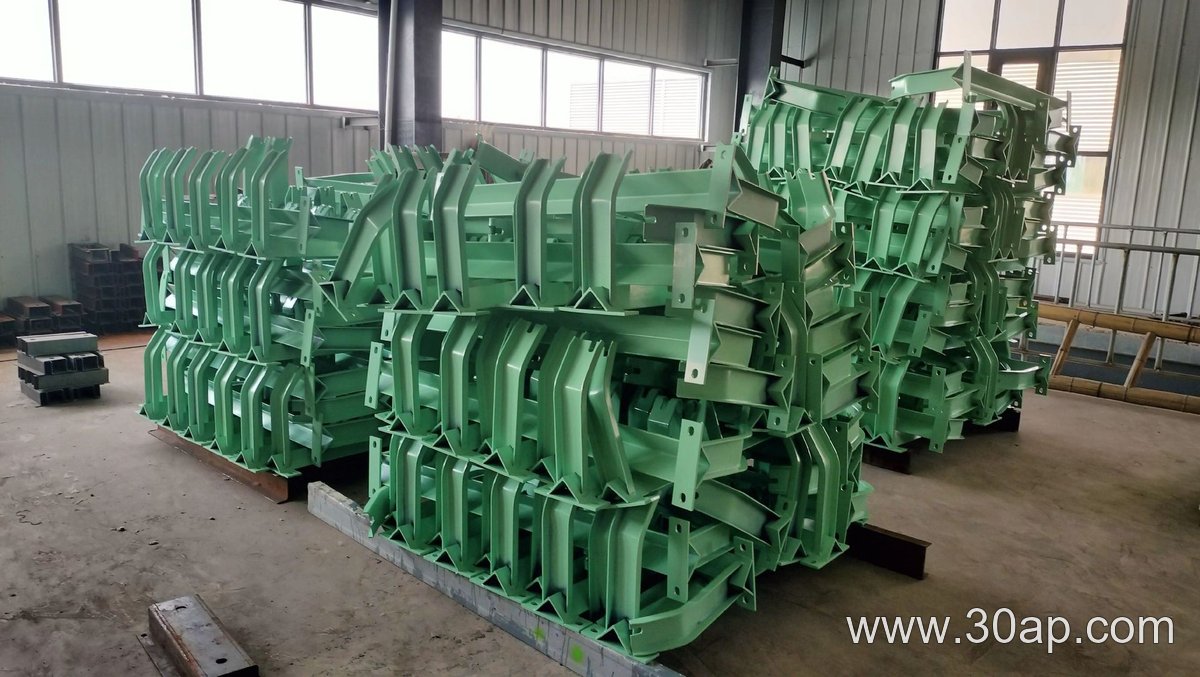
Selection and Purchasing Advice
- Match bracket material to load and environment (mild steel, stainless, or polymer).
- Verify hole spacing and shaft diameter for compatibility.
- Choose adjustable designs for tensioning and alignment.
- Prioritize corrosion resistance in washdown or outdoor settings.
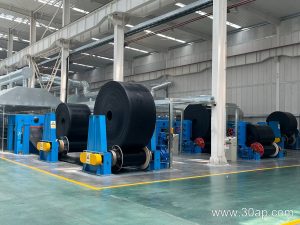
Conveyor Belt Selection and Purchasing Guide
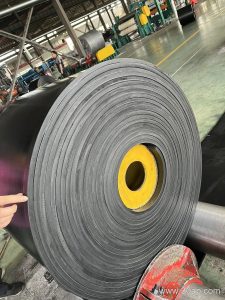
A conveyor belt is the core of any continuous material handling system, so the right specification directly affects uptime, safety, and cost per ton. Buyers should match the belt to the load, environment, and pulley system before comparing prices.
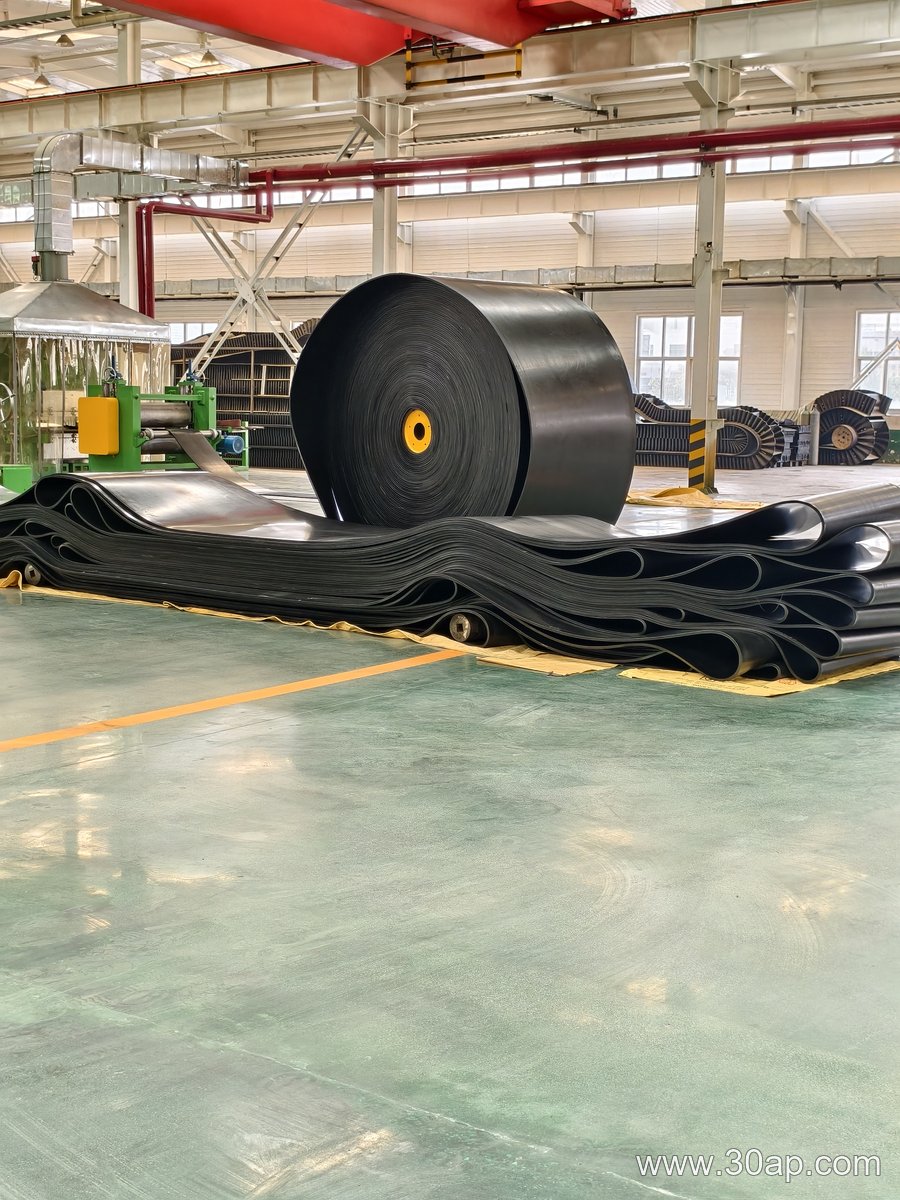
Key Selection Factors
- Material and load: abrasion, oil, heat, or food-grade resistance.
- Belt type: flat, cleated, sidewall, or modular plastic.
- Tension and splice: mechanical vs. vulcanized for strength.
- Operating conditions: temperature, moisture, and incline.
Purchasing Advice
Request tensile strength, cover grade, and thickness data. Verify belt width, ply count, and edge condition against your conveyor frame. For high-duty lines, prioritize cut-resistant covers and reliable splices. Always confirm lead time, warranty, and technical support before ordering.